

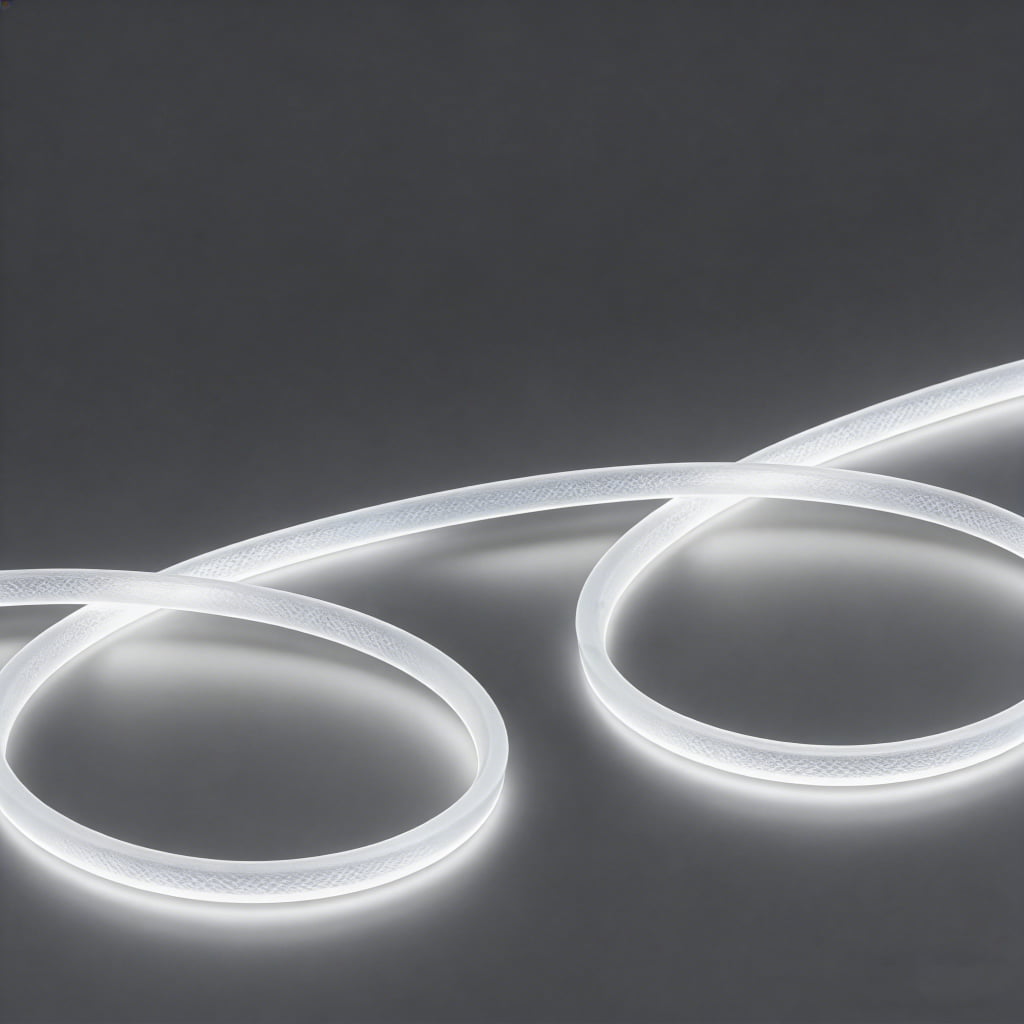
The smaller the LED strip, the easier it is to overlook potential issues. After 10+ years in the LED industry, I've seen countless projects fail due to underestimating these tiny but mighty lights.
The 6mm Neon Flex LED IP651 is a slim, flexible lighting solution popular for its aesthetic appeal and easy shaping. However, its successful implementation requires understanding three key risk factors: water resistance limitations2, structural vulnerabilities3, and light uniformity challenges4.
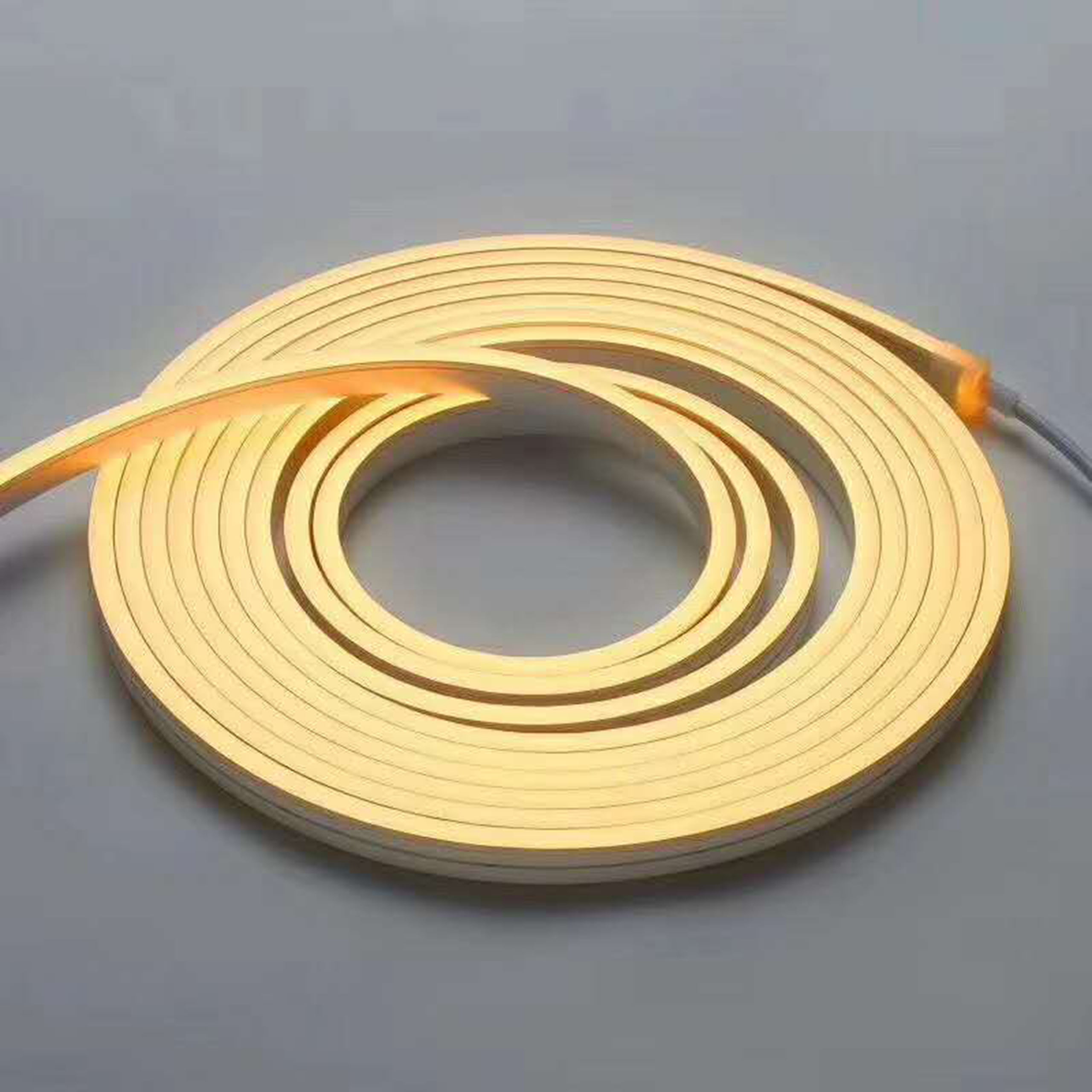
Let me share what I've learned from years of manufacturing and troubleshooting these products, so you can avoid the common pitfalls that lead to project failures.
Is IP65 Rating Enough for Outdoor Applications?
Many designers assume IP65 means "completely waterproof." This misunderstanding has led to numerous project failures and costly repairs in my experience.
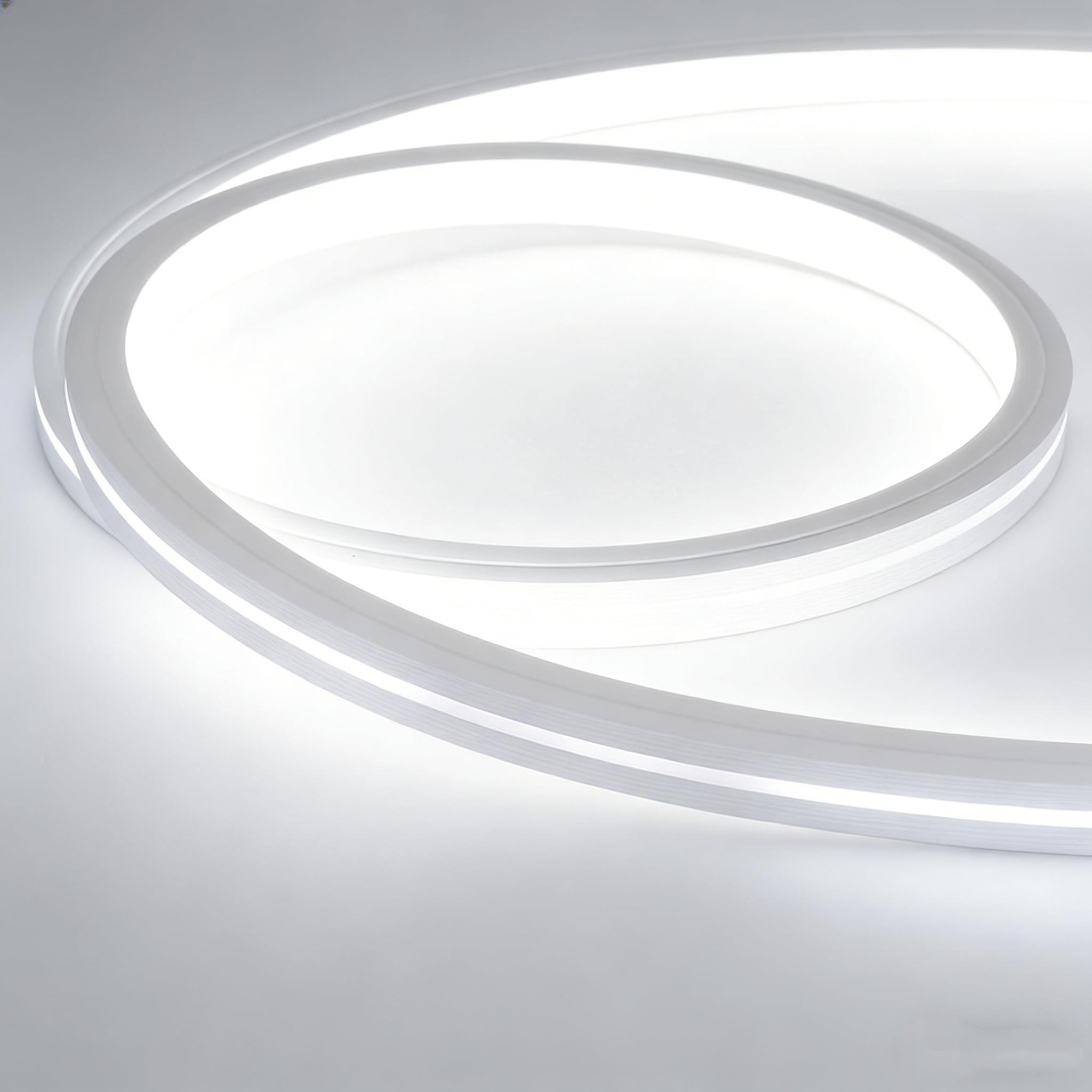
IP65 only protects against water jets, not immersion. For outdoor installations, you need proper sealing at cut points, waterproof connections5, and careful placement to avoid water accumulation areas. In consistently wet environments, consider higher IP ratings.
The Truth About IP65 Protection
When it comes to water resistance, there are several critical factors to consider:
Protection Levels Explained
| IP Rating | Protection Level | Suitable Applications |
|---|---|---|
| IP65 | Protected against water jets | Basic outdoor use |
| IP67 | Protected against immersion | Temporary submersion |
| IP68 | Protected against continuous immersion | Underwater applications |
The key to successful outdoor installation lies in understanding these limitations and implementing proper installation techniques:
- Secondary sealing at all cut points
- Using matched waterproof accessories
- Avoiding water accumulation areas
- Regular maintenance checks
I've seen installations fail within months because these considerations were overlooked. In one memorable case, a large facade project required complete replacement because the connection points weren't properly sealed, allowing moisture to seep in during the rainy season.
Why is the 6mm Size Both a Blessing and a Curse?
The slim profile that makes 6mm neon flex so attractive also makes it more vulnerable to damage. I've witnessed countless installations fail due to improper handling during installation.
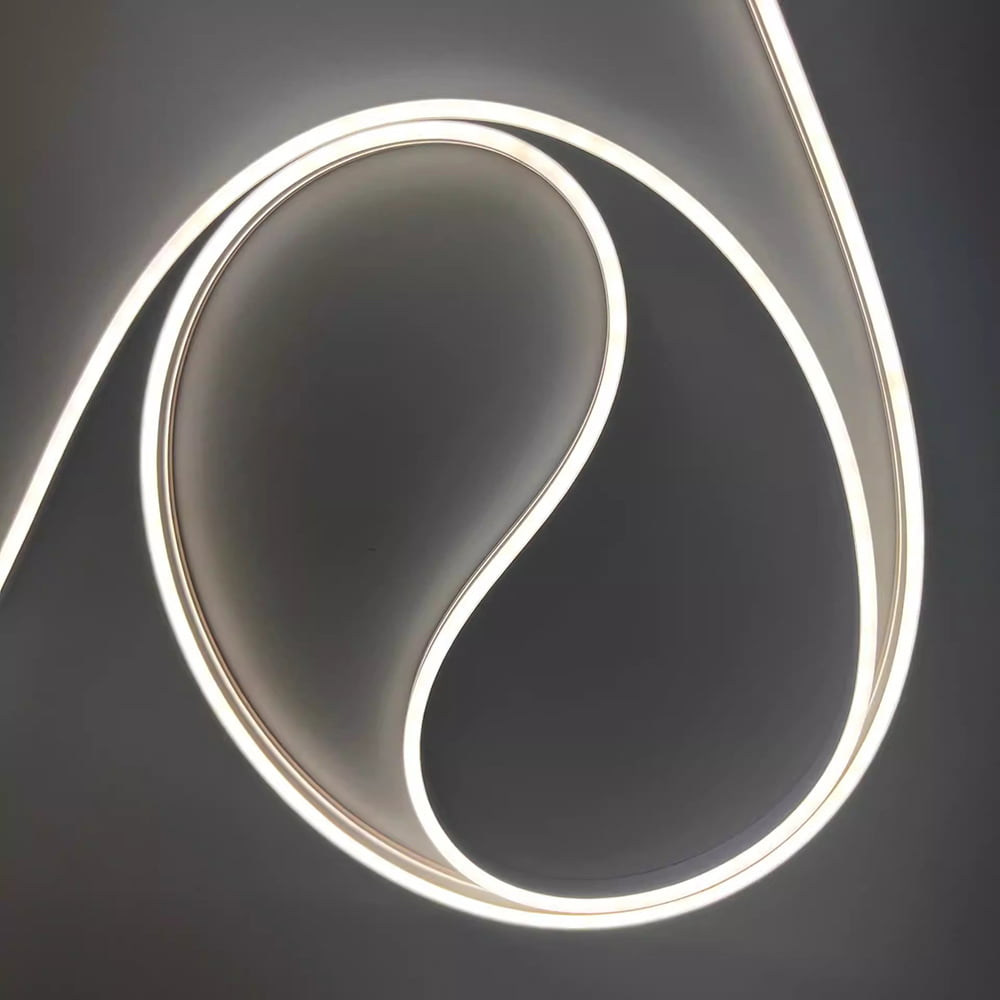
The 6mm size requires careful handling during installation. The minimum bending radius6 must be strictly observed (typically ≥30mm), vertical twisting should be avoided, and metal clips should never be used for forceful mounting.
Understanding Structural Limitations
The relationship between size and durability is complex and often misunderstood:
Critical Parameters
| Factor | Standard Specification | Impact of Violation |
|---|---|---|
| Minimum Bend Radius | ≥30mm | PCB damage, LED failure |
| Maximum Twist Angle | ≤45° | Internal wire breakage |
| Mounting Pressure | Light pressure only | Circuit board damage |
These specifications aren't arbitrary - they're derived from extensive testing and real-world experience. I've documented numerous cases where ignoring these limits led to:
- Gradual dimming over time
- Sudden section failures
- Uneven light distribution
- Complete product failure
The key is to work with these limitations rather than against them. When designing complex patterns, it's better to use pre-formed sections rather than forcing the strip into tight bends on-site.
How Critical is Light Uniformity in Long Runs?
What looks perfect in a 30cm sample can reveal serious flaws when installed in longer runs. This is one of the most overlooked aspects of LED strip specification.
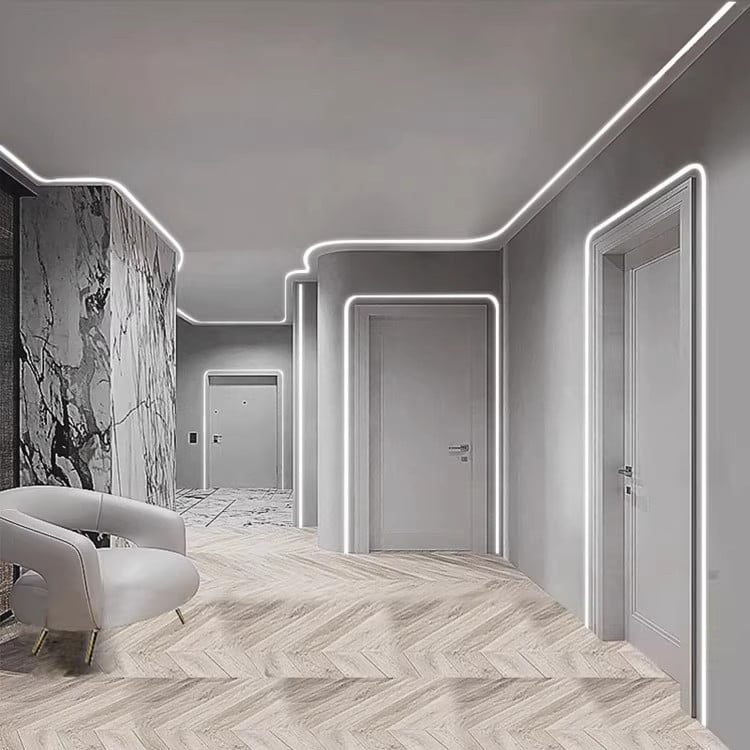
Light uniformity depends on LED density7, silicone quality, and power distribution. Long runs require dual-end power supply, high-density LED arrangement8, and premium-grade silicone material to maintain consistent brightness and color temperature.
Maintaining Consistent Performance
Light uniformity is affected by multiple factors that must be carefully controlled:
Quality Control Metrics
| Parameter | Standard | Impact on Performance |
|---|---|---|
| LED Density | ≥120 LEDs/m | Smooth light output |
| Voltage Drop | <5% per 5m | Consistent brightness |
| Color Deviation | ≤3 SDCM | Visual consistency |
From my manufacturing experience, achieving consistent light output requires:
- Precise LED placement during production
- High-quality silicone with excellent light transmission
- Proper power distribution design
- Comprehensive testing before shipping
I've seen projects where cheap materials led to visible striping effects and color inconsistencies, especially in photography and video applications. The cost of replacing these installations far exceeded the initial savings from choosing lower-quality products.
Conclusion
Success with 6mm Neon Flex LED IP651 comes down to understanding its limitations and planning accordingly. Choose quality over price, respect technical specifications, and always consider the long-term reliability of your installation.
Explore the advantages of this flexible lighting solution for aesthetic and practical applications. ↩
Understanding these limitations can help prevent costly project failures and ensure proper installation. ↩
Learn about the risks associated with LED strip installations to avoid common pitfalls. ↩
Discover techniques to maintain consistent brightness and color in your lighting projects. ↩
Learn best practices for ensuring your LED installations are safe from water damage. ↩
Understanding bending limits is crucial for maintaining the integrity of your LED installations. ↩
Explore how LED density affects light output and uniformity in your projects. ↩
Discover how high-density arrangements can enhance the quality of your lighting installations. ↩