


Many people think LED strips1 and neon flex2 are the same thing when they first encounter flexible lighting. This confusion often leads to costly mistakes and project failures.
The key difference lies in their structure and durability. LED strips1 are flat PCB boards with adhesive backing, while neon flex2 has a silicone enclosure3 that provides superior protection and flexibility for complex installations.
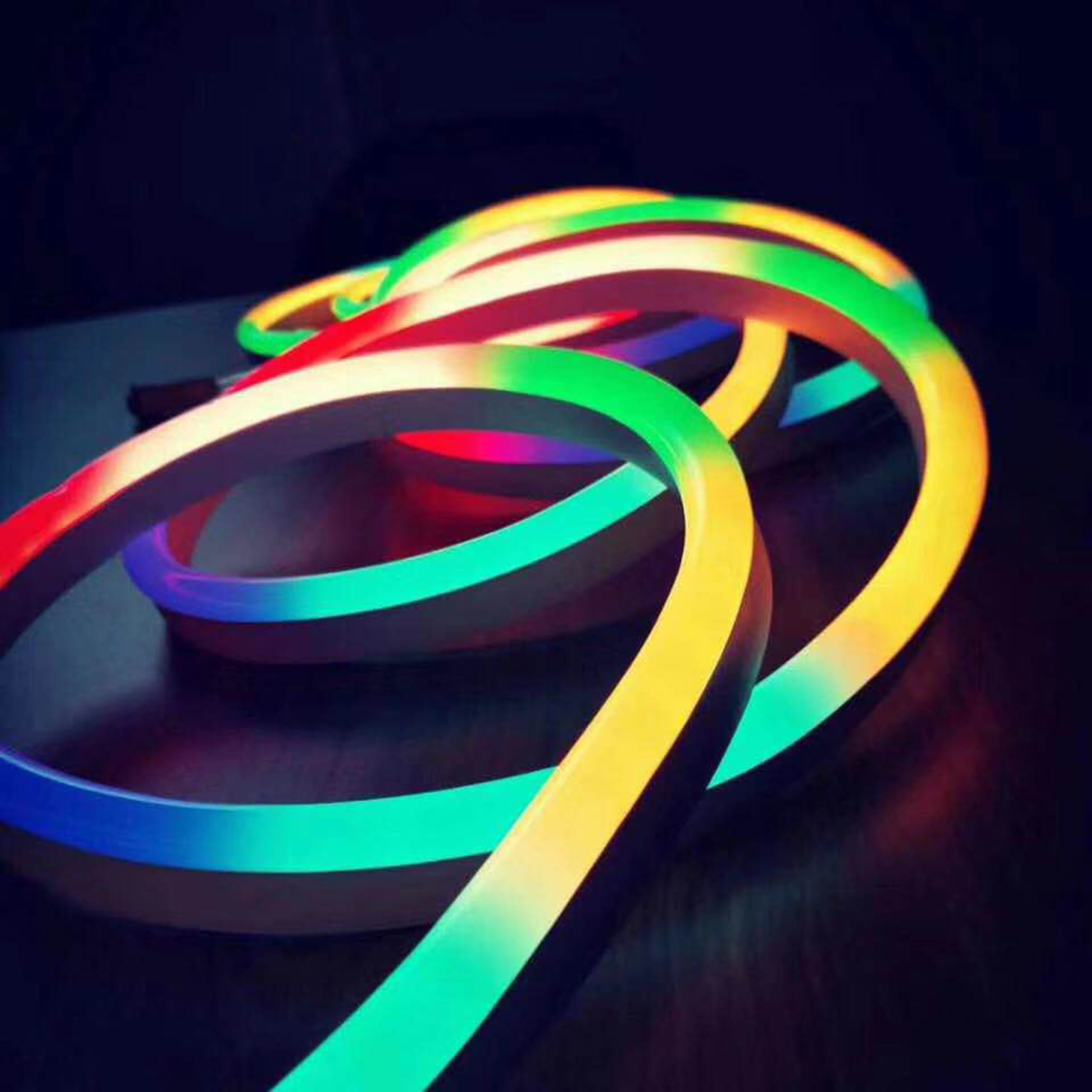
I've seen numerous projects fail because people chose the wrong type of lighting. Let me share what I've learned from over 10 years of manufacturing experience to help you make the right choice.
How do LED strips1 and neon flex2 differ in structure?
The basic structure of LED strips1 - a flat PCB with adhesive backing - makes them vulnerable to water damage and mechanical stress. This limitation often leads to premature failure in outdoor applications.
LED strips1 consist of surface-mounted LEDs on a thin PCB with adhesive backing. Neon flex, however, features a fully-enclosed silicone structure that protects the LEDs and provides 360-degree light diffusion.
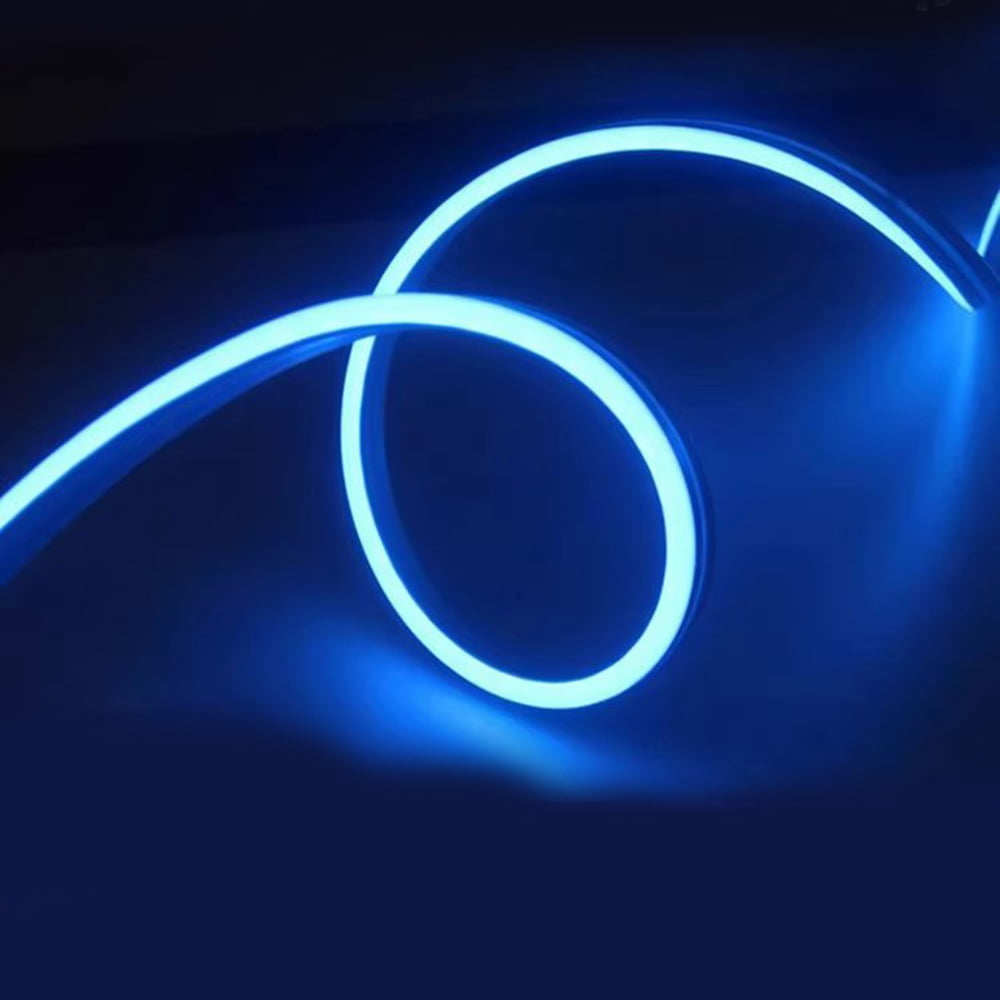
The structural differences between LED strips1 and neon flex2 create distinct advantages and limitations:
LED Strip Lights
-
Construction:
- Flat PCB board
- Surface-mounted LEDs
- Basic adhesive backing
- Thin protective coating
-
Limitations:
- Limited water resistance
- Prone to physical damage
- Restricted to straight-line installations
- Visible LED dots
Neon Flex
-
Construction:
- Silicone enclosure
- Embedded LED array
- Flexible core structure
- Multiple protection layers
-
Advantages:
- IP68 waterproof rating4
- Impact resistant
- Flexible for complex shapes
- Dotless appearance
How does installation environment affect choice?
I once witnessed a project where LED strips1 were used for outdoor signage to save costs. Within months, water damage and connection failures led to complete system replacement.
For indoor installations in dry, protected areas, LED strips1 work well. However, outdoor installations require neon flex2's IP68 rating and UV-resistant silicone construction to ensure longevity.
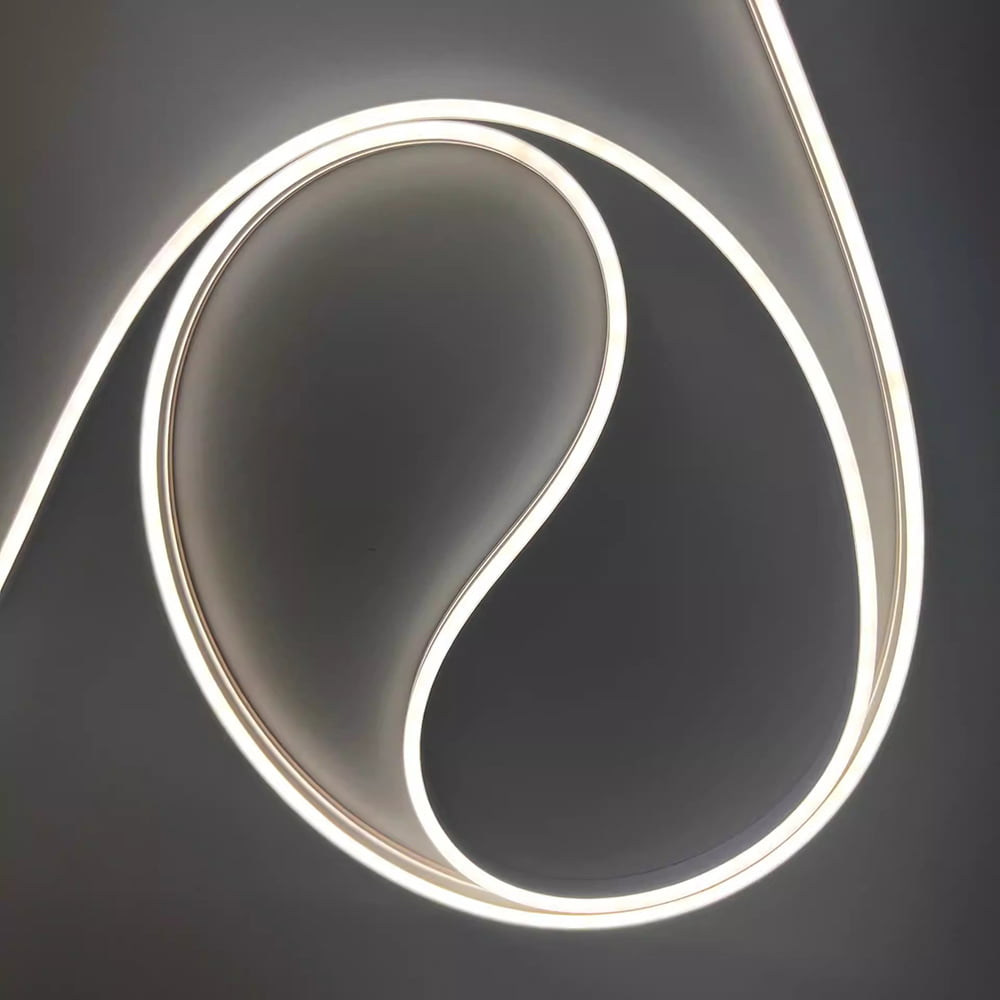
Let me break down the environmental considerations that should guide your choice:
Environmental Factors Table:
| Factor | LED Strips | Neon Flex |
|---|---|---|
| Indoor Use | Excellent | Good |
| Outdoor Use | Poor | Excellent |
| UV Resistance | Limited | High |
| Temperature Range | -20°C to +45°C | -40°C to +60°C |
| Moisture Resistance | IP20-IP65 | IP67-IP68 |
| Salt Spray Resistance | None | High |
The environmental resilience5 of neon flex2 comes from its advanced silicone construction. This isn't just about waterproofing - it's about creating a complete barrier against environmental stresses. The silicone enclosure3 provides:
- UV protection6 preventing yellowing
- Temperature stability across extreme ranges
- Complete moisture sealing
- Impact absorption capability
- Chemical resistance
These features make neon flex2 the clear choice for challenging environments where LED strips1 would quickly degrade.
What about installation and maintenance costs?
The initial price difference often tempts people to choose LED strips1, but this can lead to higher long-term costs through frequent replacements and repairs.
While LED strips1 typically cost 40-60% less initially, neon flex2's longer lifespan and lower maintenance needs often make it more economical over time, especially in commercial applications7.

Looking at the total cost of ownership8 reveals important considerations:
Initial Costs:
- LED Strips: $5-15/meter
- Neon Flex: $15-30/meter
Installation Costs:
-
LED Strips require:
- Careful surface preparation
- Additional waterproofing
- Multiple power connections
- Extra protection channels
-
Neon Flex requires:
- Basic mounting clips
- Fewer power connections
- Minimal protection measures
Maintenance Patterns:
-
LED Strips typically need:
- Replacement every 1-2 years outdoors
- Regular cleaning and resealing
- Frequent connection repairs
-
Neon Flex typically needs:
- Replacement every 5+ years
- Basic cleaning only
- Minimal repairs
The true cost advantage becomes clear when considering the reduced maintenance requirements and longer service life of neon flex2. This is particularly important for commercial installations where downtime and maintenance access can be expensive.
Conclusion
While LED strips1 work well for simple indoor applications, neon flex2's superior construction makes it the better choice for professional installations, especially outdoors. The higher initial cost of neon flex2 is usually justified by its longer lifespan and lower maintenance needs.
Explore the benefits of LED strips, including energy efficiency and versatility, to understand their applications better. ↩
Learn about neon flex, its unique features, and why it's becoming a popular choice for flexible lighting solutions. ↩
Find out how silicone enclosures protect lighting fixtures from environmental damage and extend their lifespan. ↩
Discover the significance of IP68 ratings and how they ensure durability in outdoor lighting applications. ↩
Understand the key factors that make lighting products resilient in challenging environments. ↩
Learn about the importance of UV protection in lighting and how it prevents degradation over time. ↩
Explore lighting options tailored for commercial use, focusing on durability and cost-effectiveness. ↩
Learn how to assess the long-term costs of lighting options to make informed purchasing decisions. ↩