

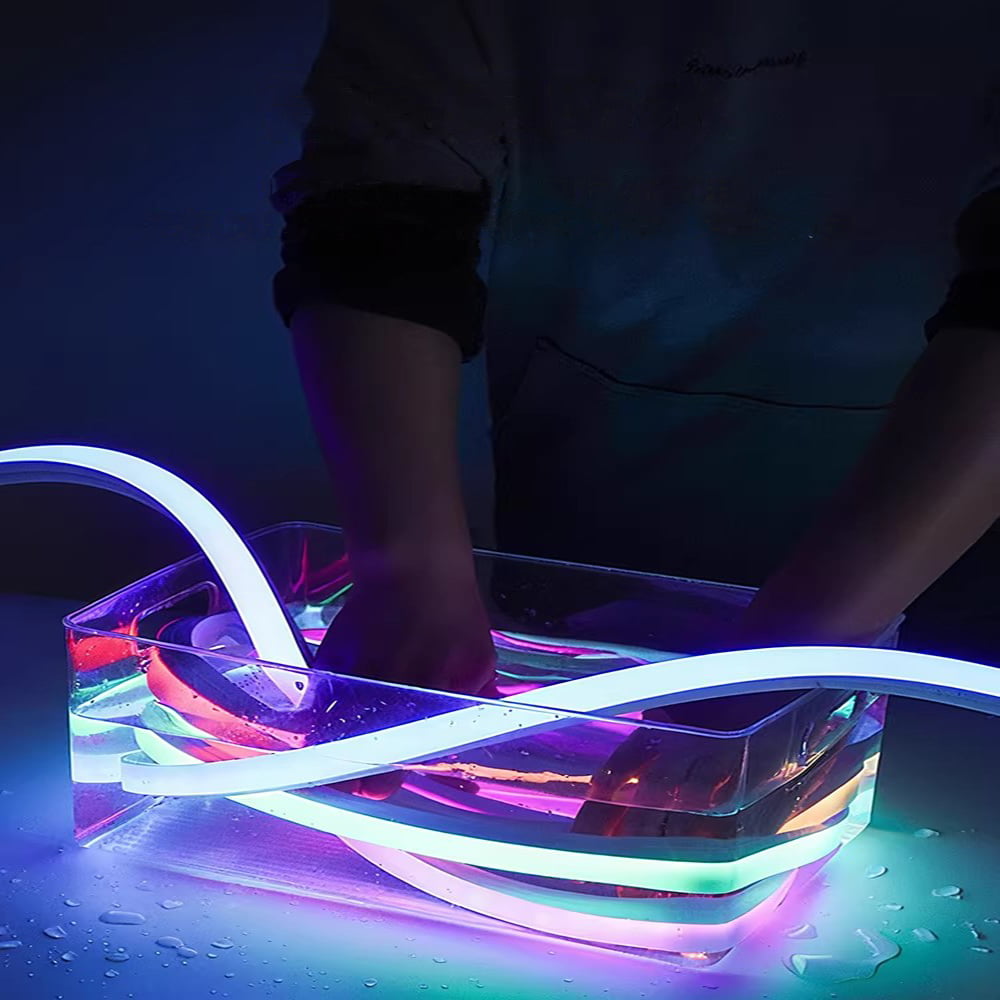
In the UK market, I've seen countless LED neon flex1 projects fail not because of defective lights, but due to overlooked environmental factors, regulations, and structural details during the selection phase.
The success of LED neon flex1 installations in the UK depends primarily on three key factors: material selection2 for harsh weather conditions, proper power system design3, and regulatory compliance4. Getting these right from the start prevents costly failures down the line.
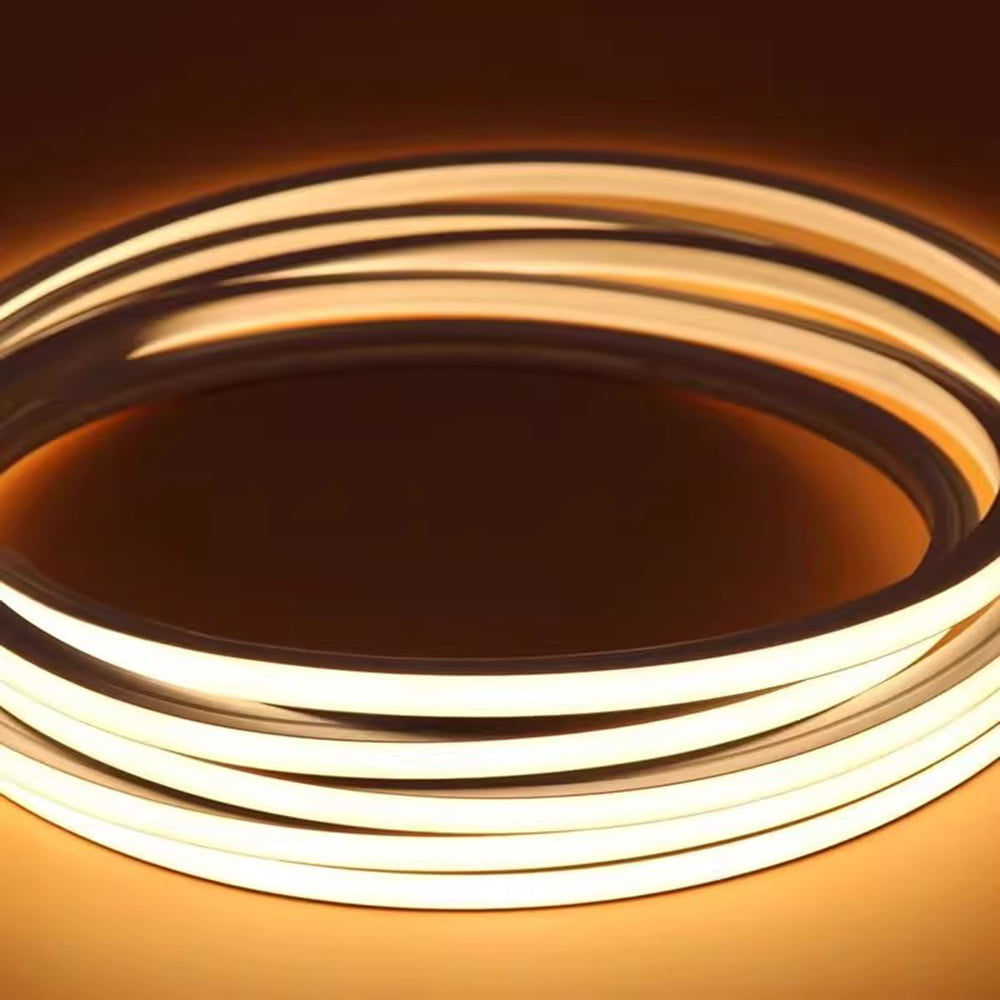
Let me share what I've learned from years of supplying LED neon flex1 lights to the UK market, where the requirements are notably more stringent than in many other regions.
How Does the UK's Climate Impact LED Neon Flex Performance?
I recently dealt with a project where perfectly functional sample lights started showing yellowing and water ingress just six months after installation. The UK's cold, wet climate proved too challenging for the materials used.
For LED neon flex1 lights to survive in the UK climate, they must feature UV-resistant silicone5 construction, temperature-stable sealing structures, and cold-resistant adhesive compounds. PVC-based alternatives typically fail within the first year of outdoor installation.

The UK's unique climate presents specific challenges that many manufacturers overlook. From my experience working with numerous installations, I've identified several critical factors that determine long-term success. First, the material composition must prioritize UV resistance - not just for maintaining brightness, but for preventing structural degradation. Standard PVC materials often become brittle and yellow within 12-18 months of exposure to UK weather. Second, the sealing system needs to account for frequent temperature fluctuations. I've seen many products pass initial IP68 testing but fail in real-world conditions due to thermal expansion and contraction cycles. Finally, the adhesive system must maintain flexibility even in near-freezing conditions. This is why we exclusively use full silicone extrusion technology rather than simple potting methods. The integrated structure eliminates weak points and provides consistent performance across all seasons.
Why Is Power System Design Crucial for UK Installations?
Last month, I consulted on a project where the end sections of a long run were noticeably dimmer than the beginning. The installer had used a 12V system for a 20-meter run, ignoring voltage drop6 calculations.
Proper power system design3 for UK LED neon flex1 installations requires 24V systems for longer runs, dual-feed power supplies for extended lengths, and adequate copper thickness7 in PCB design. This prevents voltage drop6 issues and ensures uniform brightness throughout the installation.
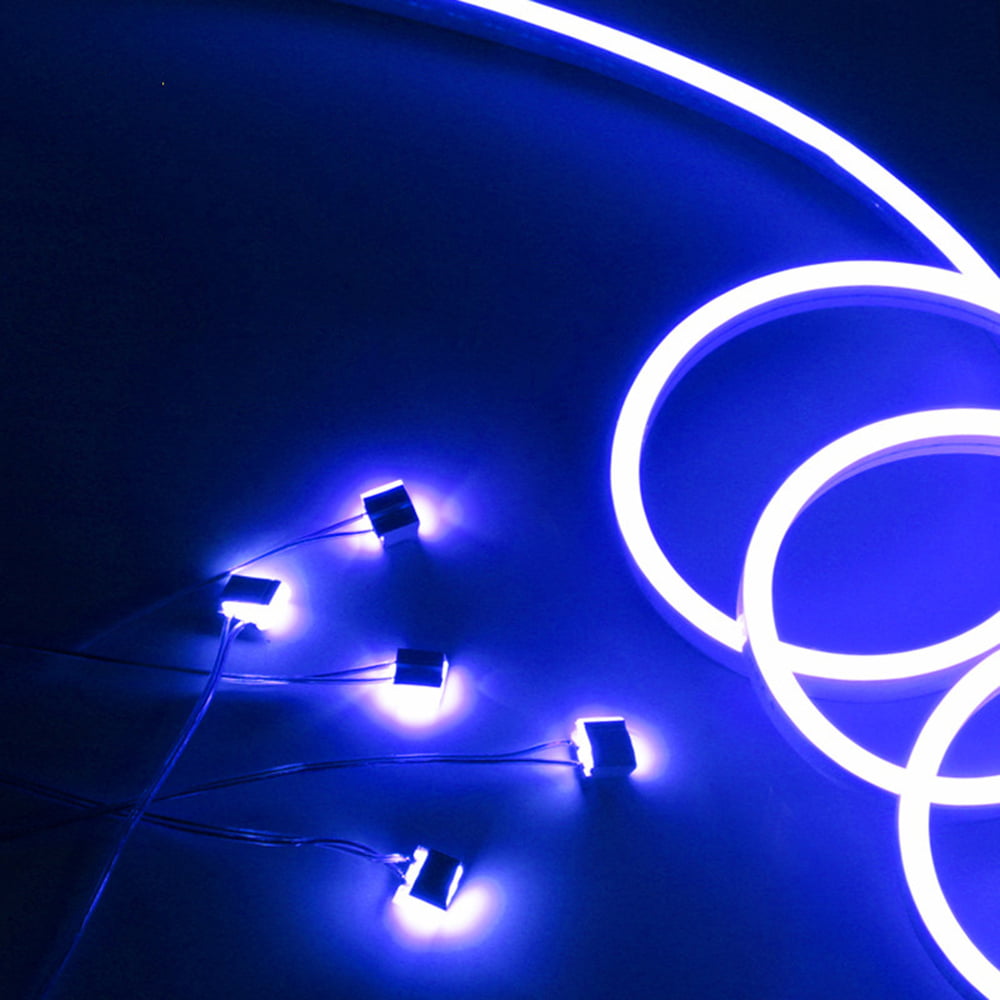
The intricacies of power system design3 often go unnoticed until after installation, when problems become expensive to fix. Through years of trial and error, I've developed a comprehensive approach to power distribution in LED neon flex1 systems. The first consideration is voltage selection - while 12V systems are common, they're rarely suitable for runs longer than 5 meters. For longer installations, 24V systems provide much better stability and brightness uniformity. Additionally, the PCB design must incorporate sufficient copper thickness7 to minimize resistance - I typically recommend at least 2oz copper for main power traces. Power supply selection is equally critical; I always specify units with at least 20% capacity overhead to account for startup current and prevent long-term stress on components. For installations exceeding 10 meters, we implement dual-feed power systems, effectively dividing the load and maintaining consistent voltage levels throughout the entire run.
What Certification Requirements Matter Most in the UK Market?
Recently, a client had to replace an entire installation because their previous supplier couldn't provide the necessary fire safety documentation8 required by local building inspectors.
UK installations require comprehensive certification including CE/UKCA marking, RoHS compliance, and specific fire safety ratings. Commercial installations must also meet low smoke zero halogen9 (LSZH) requirements and appropriate IP ratings10 for outdoor use.
Understanding UK certification requirements has become increasingly complex post-Brexit, with the introduction of UKCA marking alongside existing CE requirements. From my experience managing numerous commercial projects, I've learned that certification compliance must be considered during the initial design phase, not as an afterthought. The testing process involves multiple stages: electrical safety testing under BS EN 60598-1, environmental testing for IP ratings10, and material testing for fire safety compliance. For commercial installations, particular attention must be paid to fire safety ratings and smoke emission characteristics. LSZH requirements are becoming increasingly common, especially in enclosed spaces and public buildings. Additionally, EMC compliance testing ensures the installation won't interfere with other systems - a crucial consideration in modern building environments where multiple electronic systems operate in close proximity.
Conclusion
Success in UK LED neon flex1 installations demands more than just bright lights - it requires careful consideration of materials, power systems, and certifications from the very beginning. Taking time to address these factors during planning prevents costly failures later.
Explore this resource to understand the essential practices for successful LED neon flex installations in the UK. ↩
Learn about the importance of material selection for LED neon flex in challenging climates to ensure durability. ↩
Discover why power system design is crucial for LED neon flex installations to avoid common pitfalls. ↩
Understand the regulatory compliance requirements to ensure your LED installations meet UK standards. ↩
Find out how UV-resistant silicone enhances the longevity and performance of LED neon flex in the UK. ↩
Explore the impact of voltage drop on LED neon flex installations and how to mitigate it effectively. ↩
Learn how proper copper thickness in PCB design can enhance the performance and reliability of LED neon flex. ↩
Learn about the necessary fire safety documentation to ensure compliance and safety in LED installations. ↩
Discover the significance of LSZH materials in LED installations, especially in public and enclosed spaces. ↩
Understand the importance of IP ratings for outdoor LED installations to ensure protection against the elements. ↩