

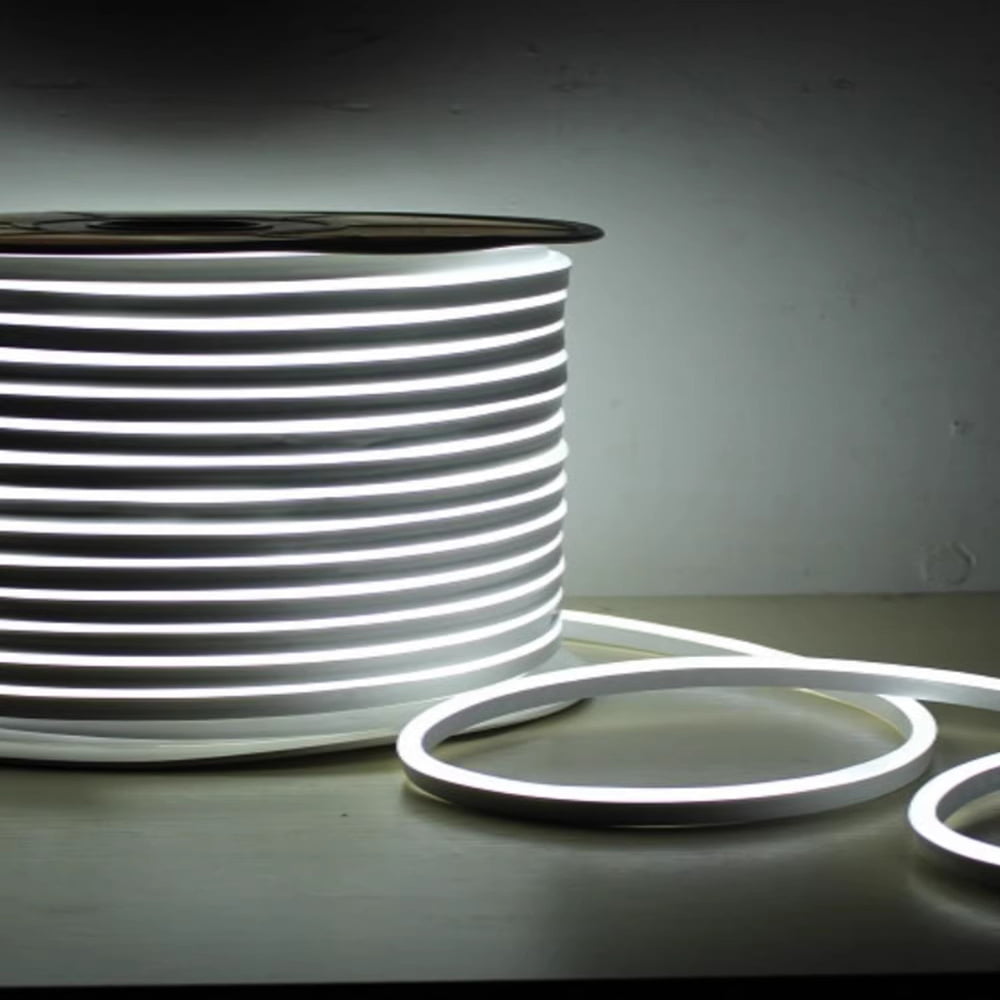
As a manufacturer with years of experience in LED neon flex lighting, I've seen countless projects fail not because of faulty lights, but due to overlooked installation details and structural misunderstandings.
The success of LED neon flex and flexible strip lighting projects depends primarily on four key factors: proper IP rating implementation1, correct bending direction2, adequate power supply planning3, and appropriate structural design - not just the basic functionality of the lights themselves.
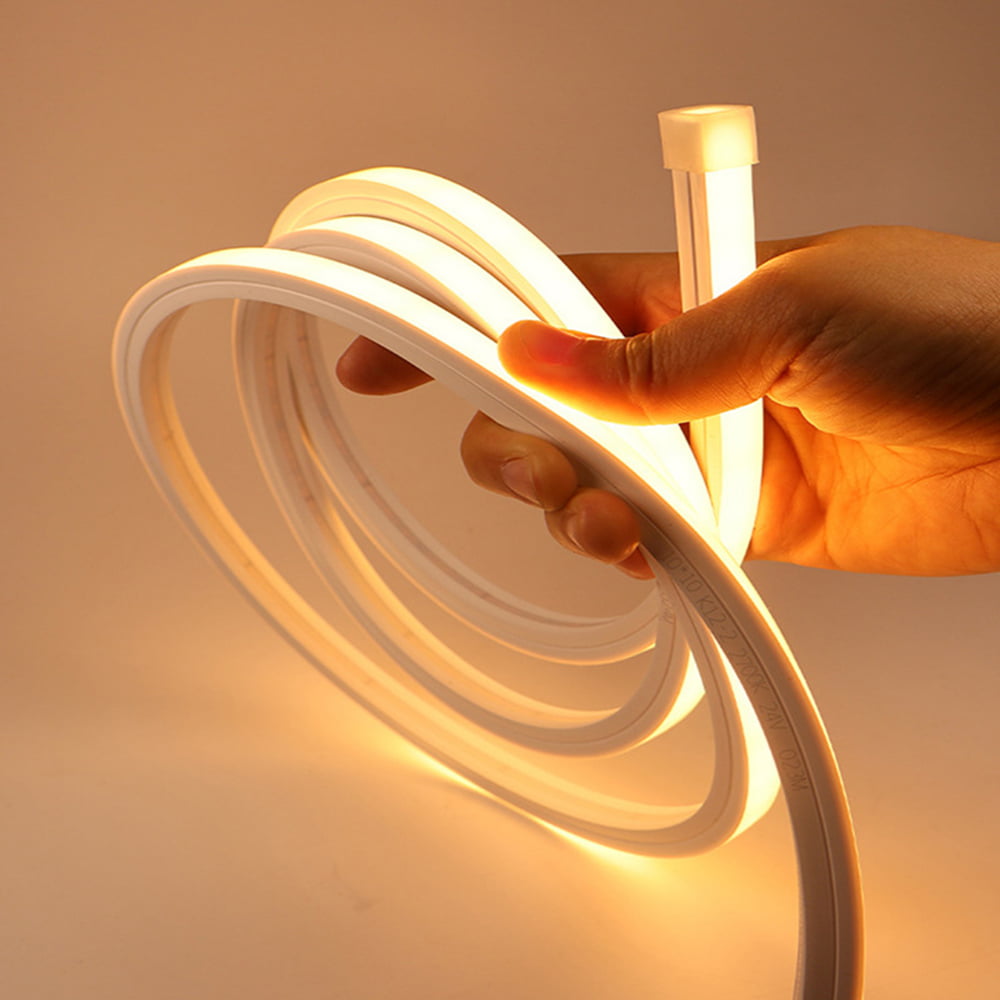
Let me share some critical insights I've gained from seeing both successful installations and problematic projects. These lessons could save you from costly mistakes and frustrating repairs.
Why Is IP Rating Not a "Universal Protection" for Outdoor Installation?
Many clients see IP65 or IP67 ratings and automatically assume their outdoor installation will be completely protected. This oversimplified understanding often leads to premature system failures.
IP ratings only guarantee protection under standardized testing conditions. Real-world applications require additional considerations like proper end-sealing after cutting, protected connection points4, and accounting for thermal expansion and contraction.
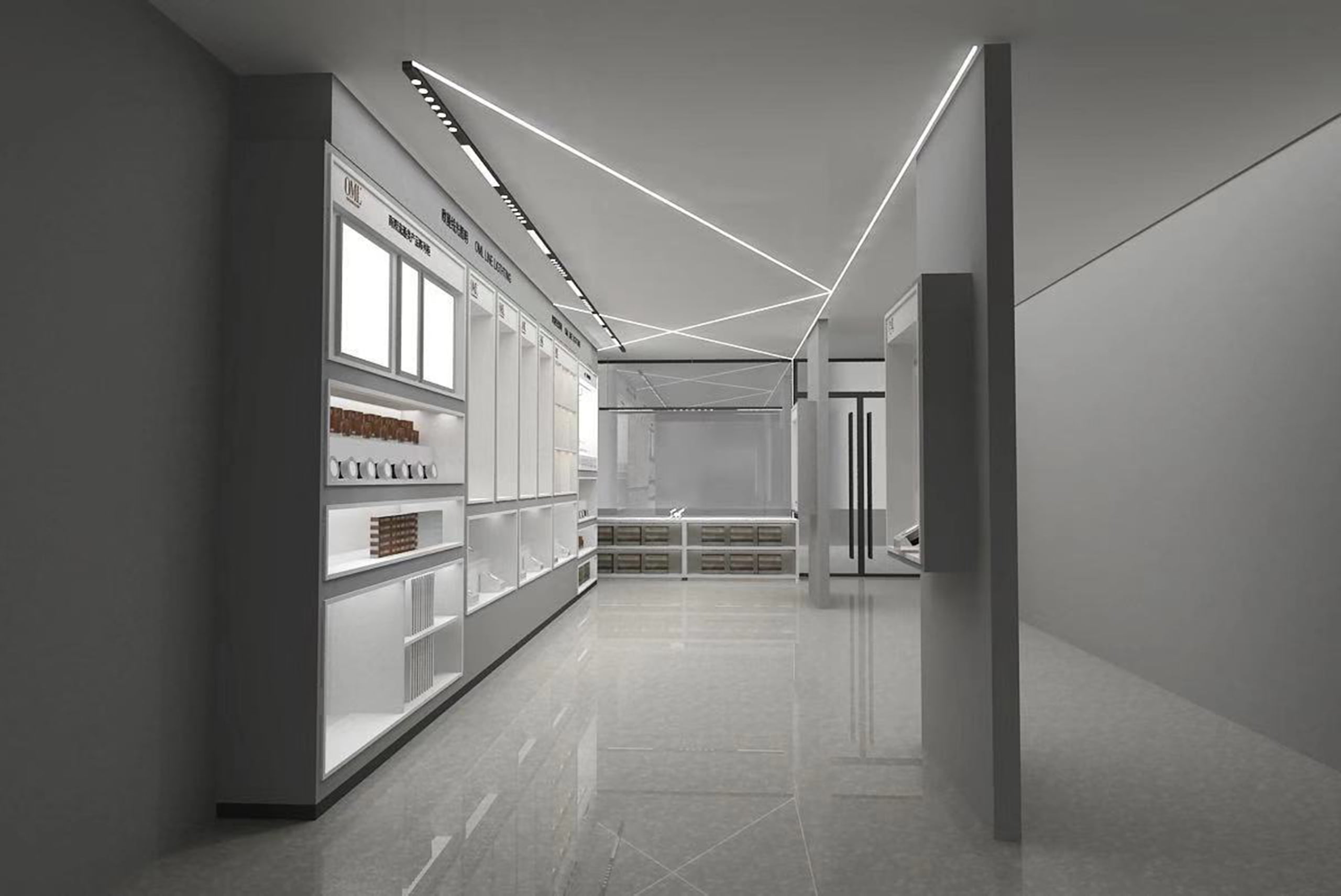
Dive deeper: The IP rating system can be misleading without proper context. Here's what I've learned from numerous outdoor installations:
Critical Factors Beyond IP Ratings:
-
End Sealing
- Every cut point needs professional resealing
- Factory-sealed ends ≠ cut point protection
- Silicone sealant quality matters
-
Connection Points
- Must match or exceed main strip IP rating
- Should be elevated from water collection points
- Require strain relief implementation
-
Environmental Considerations
- Temperature fluctuations affect sealing integrity
- UV exposure impacts housing material
- Salt spray in coastal areas accelerates degradation
I've seen installations fail within months despite having high IP ratings simply because these factors weren't properly addressed during installation.
How Can Incorrect Bending Direction Lead to Complete System Failure?
A common misconception is that "flexible" means the strip can be bent in any direction. This misunderstanding has led to numerous project failures and unnecessary replacements.
LED neon flex strips are designed to bend in specific directions - side-bend strips cannot be top-bent, and vice versa. Forcing the wrong bending direction2 will cause internal wire breakage and LED failure.
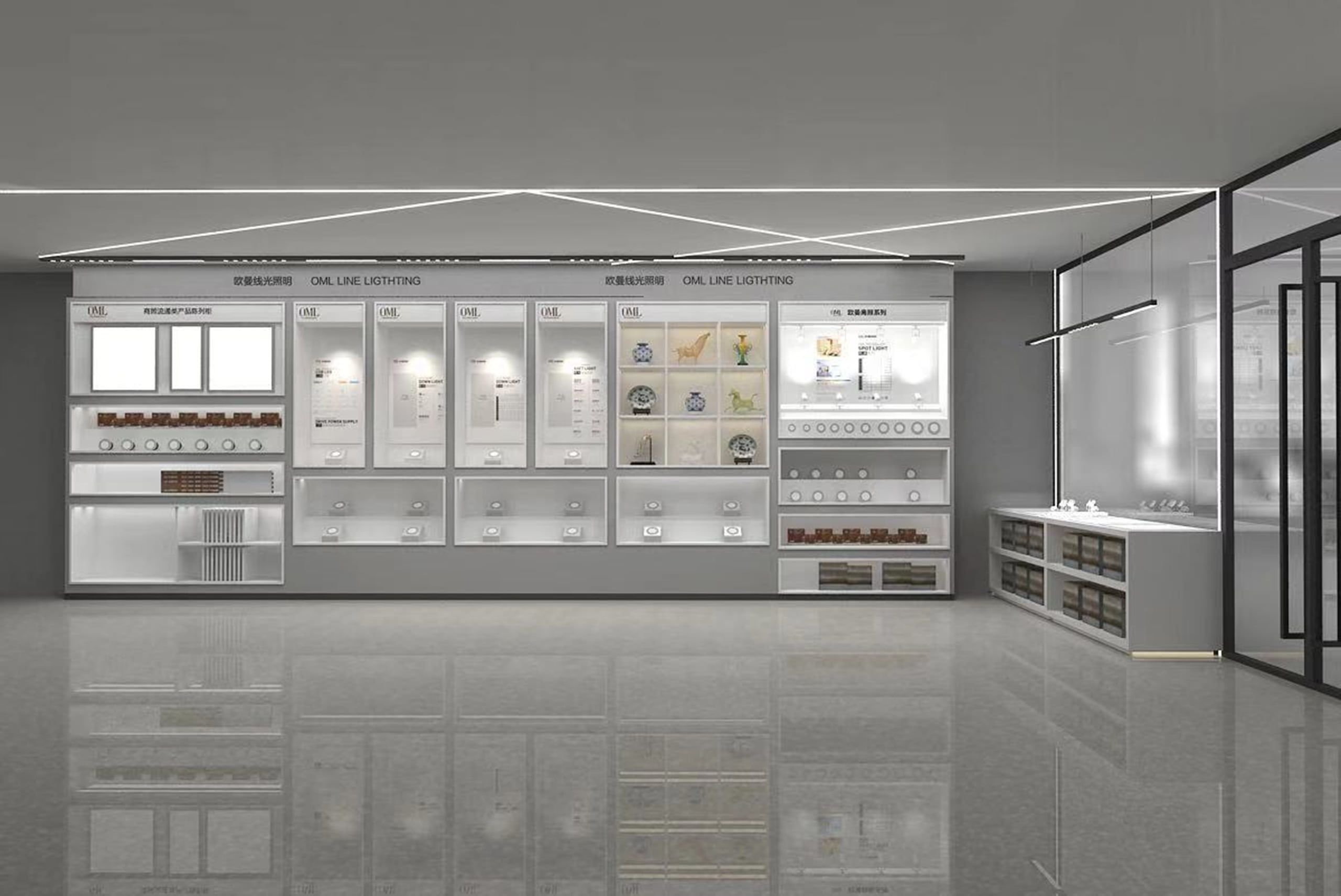
Dive deeper: Through years of product development and customer feedback, I've identified several critical aspects of proper bending:
Bending Direction Guidelines:
-
Side-Bend Products
- Optimal for curved letters
- Minimum bend radius: typically 25mm
- Horizontal plane movement only
-
Top-Bend Products
- Best for 3D contours
- Minimum bend radius: typically 50mm
- Vertical plane movement only
-
Complex Shapes
- Require custom manufacturing
- Need pre-planning and templates
- May need special mounting brackets
The relationship between bending direction2 and product longevity is often underestimated. I've documented cases where improper bending reduced product lifespan by 70%.
Why Is Power Supply Planning Crucial for Long-Run Installations?
Voltage drop is the silent killer of LED projects, especially in 12V systems. What works perfectly in a 1-meter sample can fail dramatically in an 8-meter installation.
Proper power supply planning3 must account for voltage drop5 over distance, adequate power capacity with 20% overhead, and appropriate wire gauge selection for longer runs.
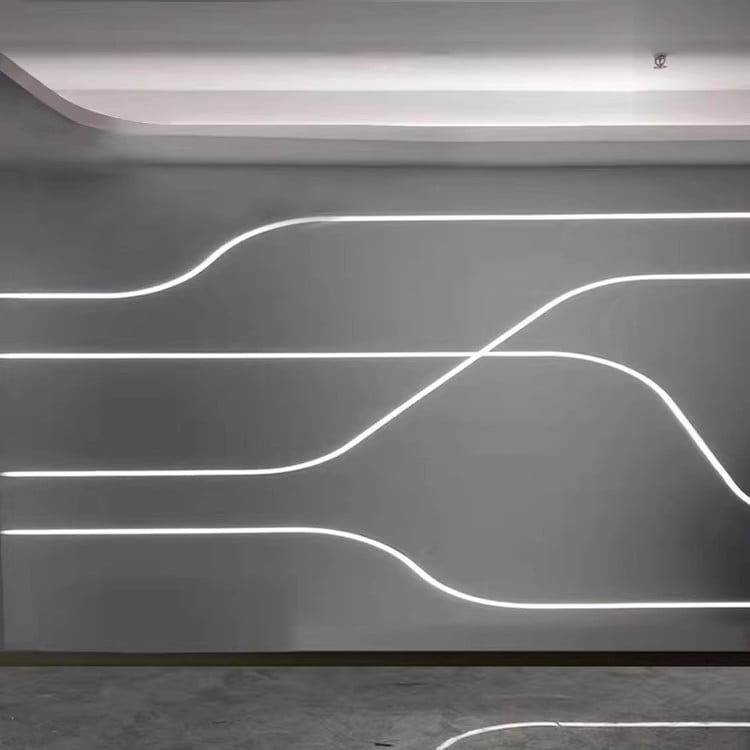
Dive deeper: Power supply planning requires understanding several interconnected factors:
Power Distribution Considerations:
-
Voltage Drop Calculation
- Maximum run length per power feed
- Wire gauge requirements
- Power injection points
-
Power Supply Specification
- Operating efficiency
- Temperature derating
- Surge protection needs
-
Installation Layout
- Power supply placement
- Cable routing
- Access for maintenance
In my experience, about 30% of project issues stem from inadequate power supply planning3. The most successful installations always include comprehensive power distribution strategies6.
Conclusion
The success of LED neon flex projects hinges more on installation details and structural understanding than on the lights themselves. Proper planning of IP protection, bending direction2, and power supply can prevent most common failures.
Understanding IP ratings is crucial for ensuring outdoor installations are protected against environmental factors. ↩
Learn why bending direction is critical to prevent internal damage and ensure longevity of your lighting. ↩
Discover how proper power supply planning can prevent voltage drop issues and ensure reliable performance. ↩
Understanding connection point management can prevent water damage and ensure system integrity. ↩
Learn about voltage drop and its implications for long-run installations to avoid costly failures. ↩
Effective power distribution strategies are key to successful installations; find out how to implement them. ↩