

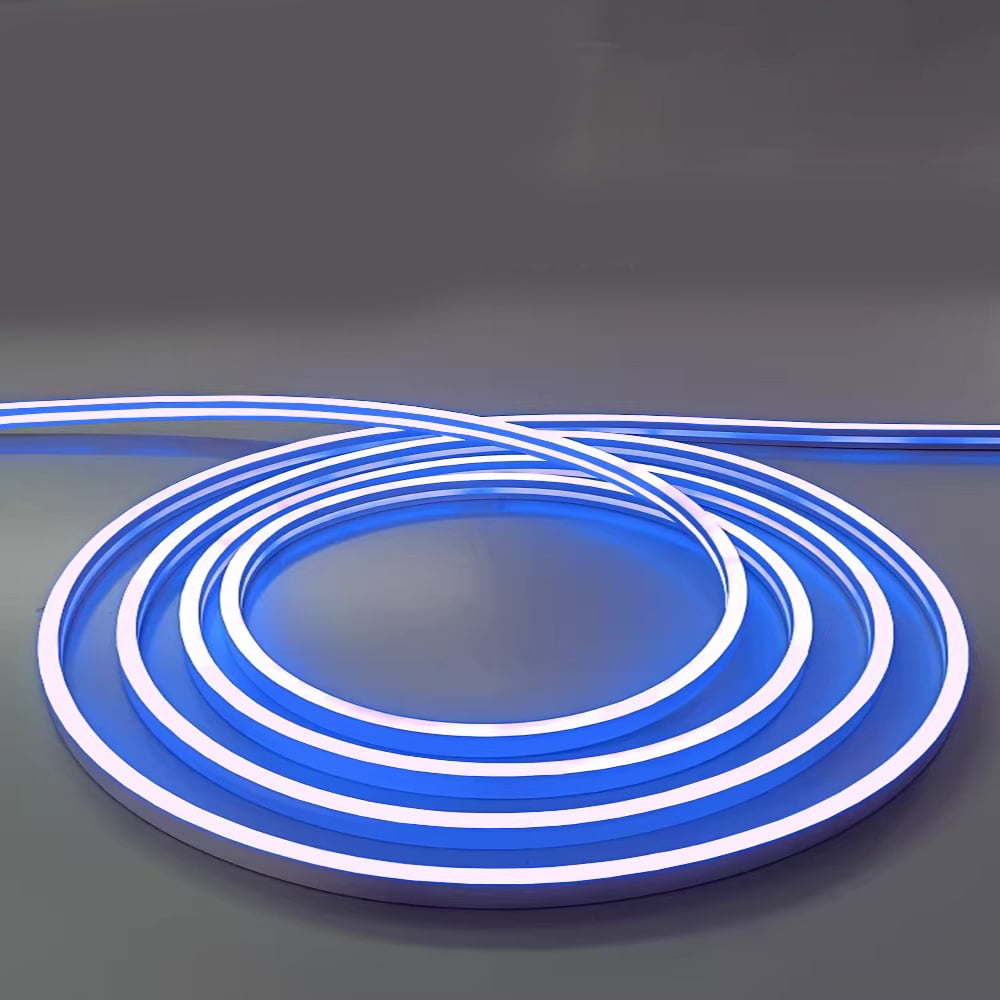
I've seen countless LED neon flex1 installations fail within months despite perfect initial testing. The real challenge isn't getting them to light up - it's keeping them stable and functional long-term.
LED neon flex1 requires careful consideration of three key factors for long-term stability: proper waterproofing structure2, correct bending direction3, and well-planned power supply4. Ignoring these can lead to dark spots, water damage, broken circuits, and voltage drop5 issues.
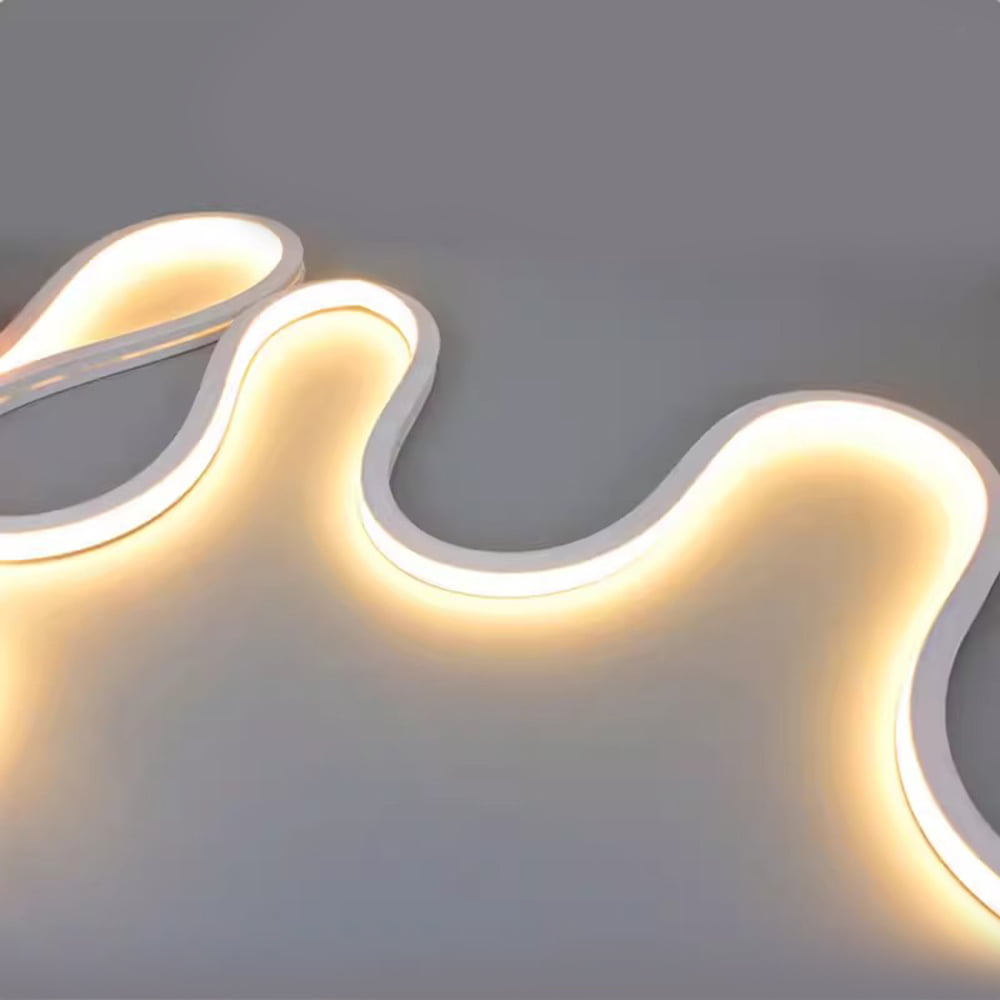
After working with LED neon flex1 for years, I've identified the most common pitfalls that can turn an impressive installation into a maintenance nightmare. Let me share what I've learned about ensuring these systems remain reliable over time.
Why Does Waterproofing Often Fail Despite High IP Ratings?
Many clients assume an IP65 or IP67 rating guarantees complete waterproofing. But I've seen numerous installations fail because they trusted the rating without understanding its real-world limitations.
While IP ratings6 indicate water resistance under standardized tests, real-world waterproofing depends on proper installation techniques7. Cut ends must be resealed, connections need equal water resistance, and installation direction matters to prevent water accumulation.
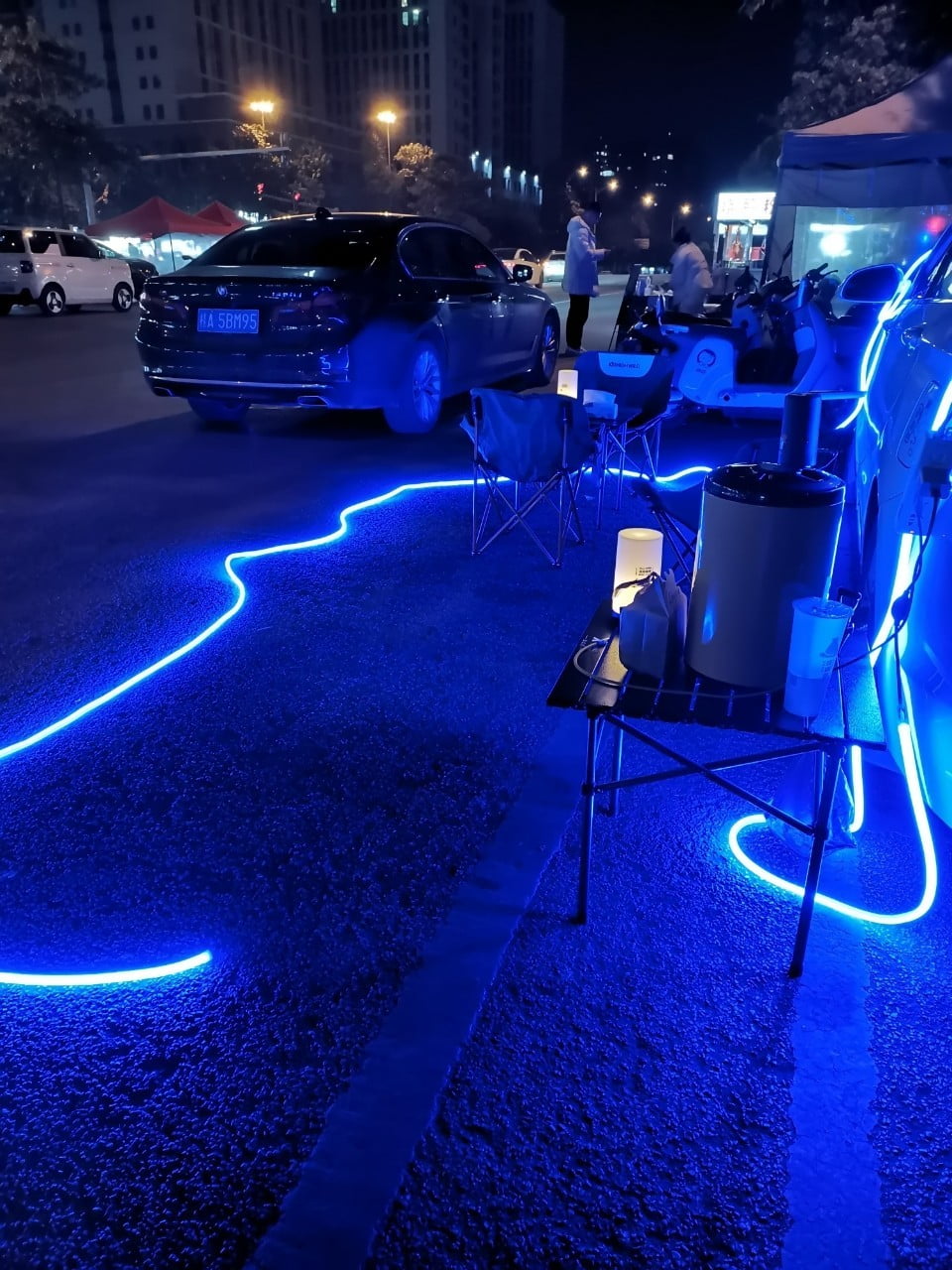
In my experience, waterproofing failures usually stem from three critical areas:
Installation Points to Watch
-
Cut Ends
- Must be professionally resealed
- Require special silicone treatment
- Need regular inspection
-
Connection Points
- Should match main strip's IP rating
- Must avoid water collection areas
- Require proper strain relief
-
Mounting Direction
- Affects water drainage
- Impacts long-term reliability
- Needs environmental consideration
I always emphasize strengthening end-point sealing and conducting whole-strip testing because connection points8, not the middle sections, are typically where problems begin. One project I managed required complete reinstallation because water seeped through improperly sealed end points - a costly lesson in thorough waterproofing.
How Can Incorrect Bending Direction Lead to System Failure?
After countless installations, I've noticed that bending direction3 mistakes are among the most common yet preventable issues in LED neon flex1 projects.
LED neon flex1 strips are designed to bend either sideways or vertically - forcing them in the wrong direction or twisting them can damage internal copper wiring and cause sections to go dark, often within weeks of installation.
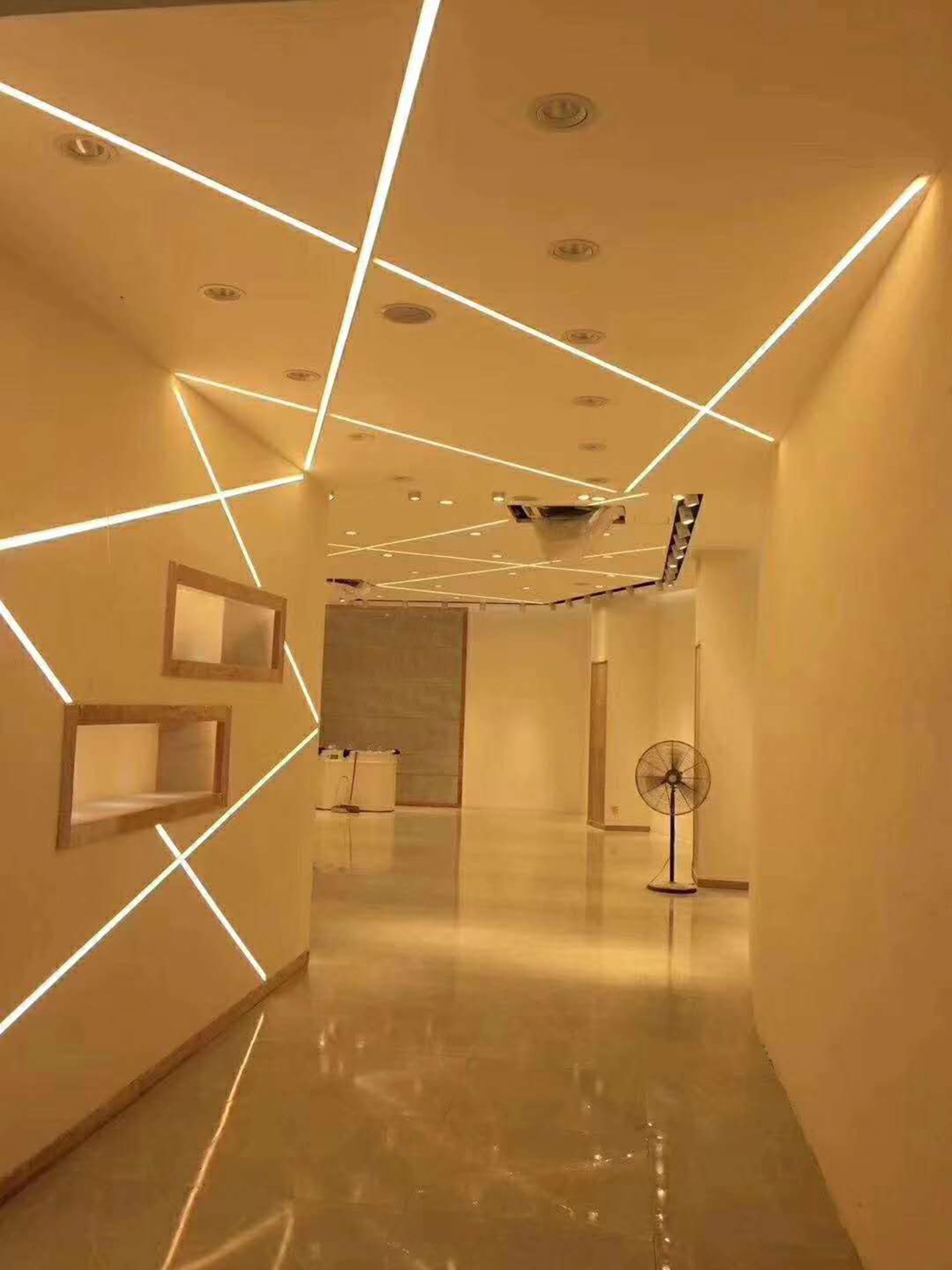
The science behind proper bending is crucial for longevity:
Understanding Bending Mechanics
-
Structural Design
- Side-bend vs. top-bend options
- Minimum bending radius limits
- Stress point distribution
-
Material Properties
- Copper wire flexibility range
- Silicone housing elasticity
- Temperature impact on flexibility
-
Installation Guidelines
- Proper tool usage
- Temperature considerations
- Support point spacing
I recently consulted on a project where forcing the wrong bending direction3 led to complete failure within a month. The client had to replace the entire installation, doubling their costs. This reinforced my belief in thorough pre-installation planning and respect for design limitations.
Why Is Voltage Drop Often Overlooked in Project Planning?
Voltage drop is perhaps the most technically challenging aspect of LED neon flex1 installations, yet it's frequently underestimated during planning stages.
Voltage drop causes brightness inconsistency in longer installations, particularly in 12V systems. Proper planning requires considering maximum run lengths, implementing dual-end power supplies, and using adequate PCB copper thickness.
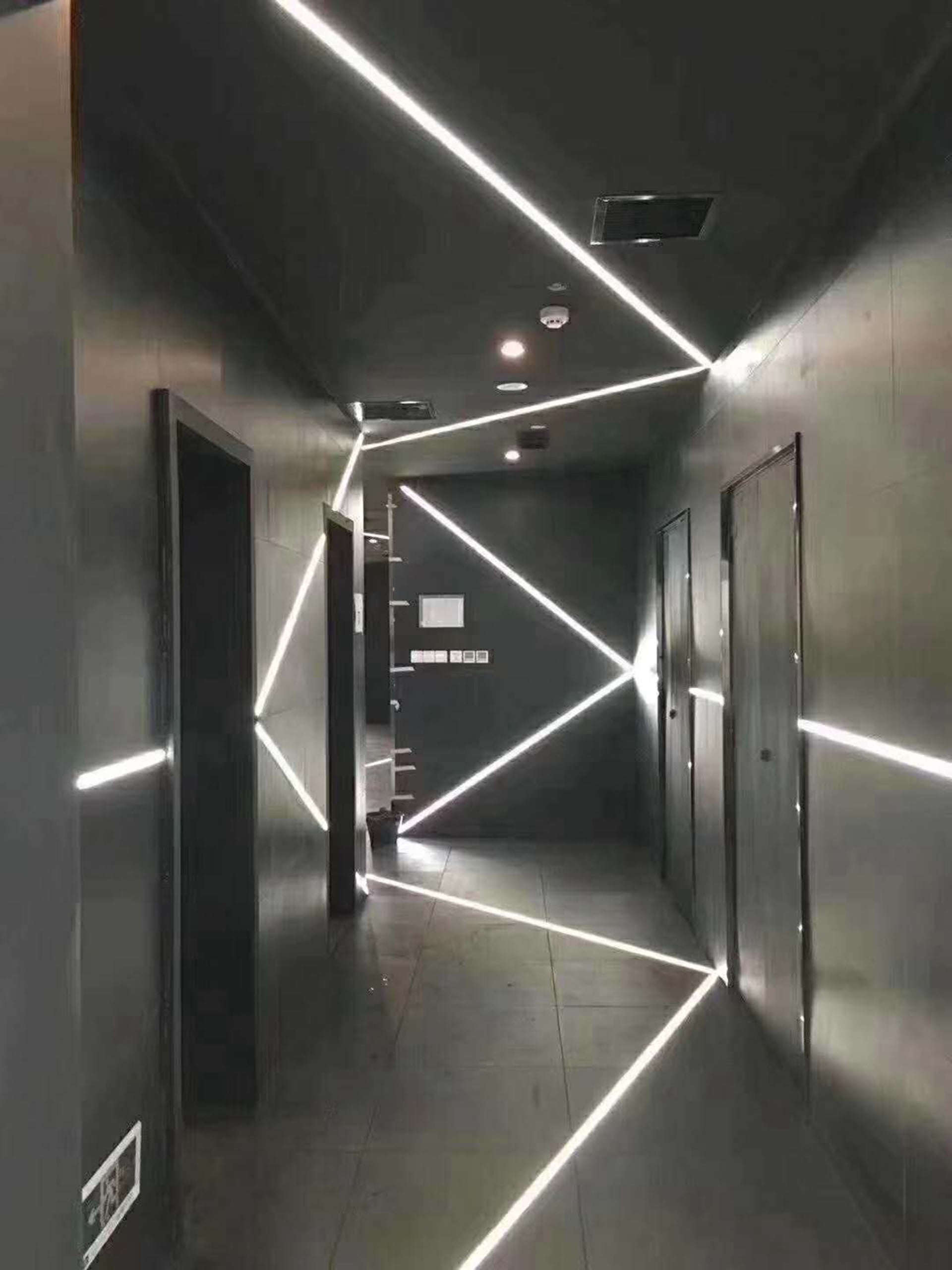
To ensure consistent brightness, consider these technical aspects:
Voltage Drop Management
-
Power Supply Planning
- Maximum run length calculations
- Power supply placement strategy
- Voltage drop compensation
-
Circuit Design
- Copper thickness requirements
- Power injection points
- Load distribution
-
Installation Considerations
- Cable gauge selection
- Connection point placement
- Temperature compensation
In my experience managing large-scale installations, proper voltage drop5 planning can make the difference between a stunning display and a disappointing result. I always recommend including a 20% power supply4 buffer and carefully calculating voltage drop5 for runs over 5 meters.
Conclusion
Success with LED neon flex1 isn't just about initial brightness - it's about maintaining stability through proper waterproofing, correct bending, and smart power planning. These details make the difference between a lasting installation and costly failures.
Explore this resource to learn essential tips for ensuring the longevity and reliability of LED neon flex installations. ↩
This link will provide insights into waterproofing techniques that can prevent costly failures in LED neon flex installations. ↩
Understanding bending direction is crucial; this resource will help you avoid common mistakes that lead to system failures. ↩
Learn about power supply strategies that can enhance the performance and reliability of your LED neon flex projects. ↩
Discover effective methods to manage voltage drop, ensuring consistent brightness in your LED neon flex setups. ↩
This resource explains the significance of IP ratings and how they relate to real-world waterproofing challenges. ↩
Learn about effective installation techniques that can significantly improve the longevity of LED neon flex systems. ↩
Explore best practices for connection points to ensure they match the main strip's IP rating and prevent failures. ↩