

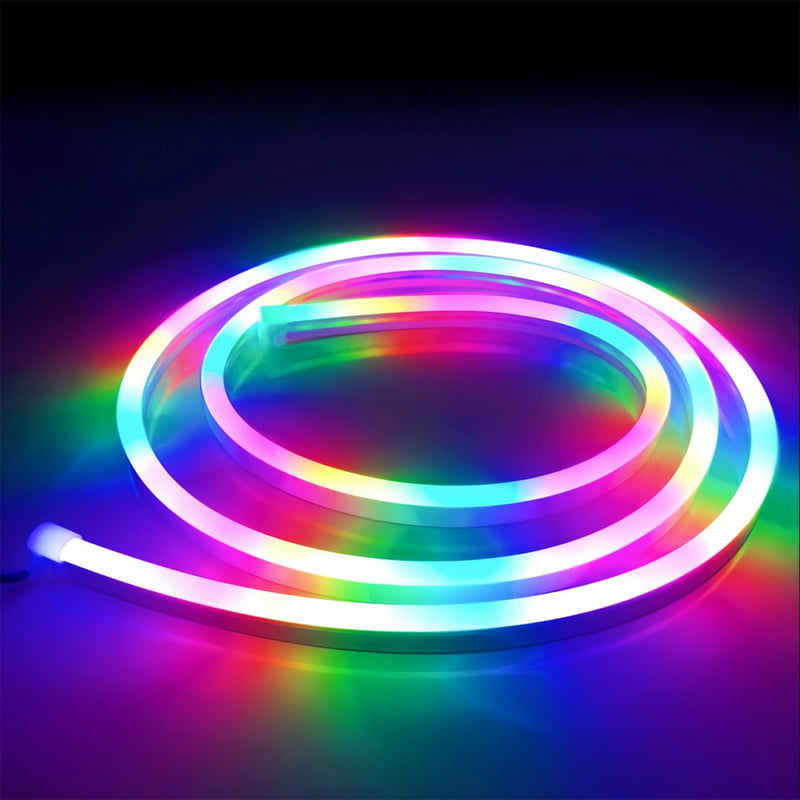
After a decade in the LED lighting industry, I've witnessed countless projects fail due to one critical issue with RGBW neon flex lights1 - inconsistent white light output. This seemingly minor flaw can completely ruin an otherwise perfect installation.
The core problem with RGBW neon flex lights1 is that many products labeled as "RGBW" don't actually have a true white channel. Instead, they attempt to create white light by mixing RGB colors, resulting in unstable, bluish or greenish white output that degrades over time.
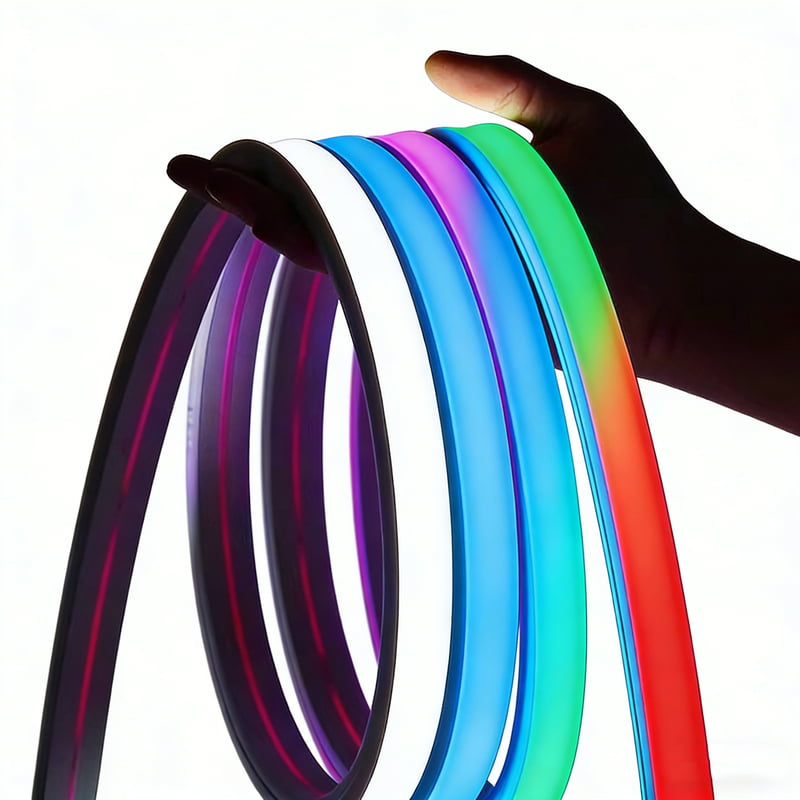
Let me share what I've learned from helping hundreds of clients navigate these challenges, and how to ensure your next RGBW project delivers the pristine white light you expect.
What Makes True RGBW Different from Regular RGB?
When clients come to me frustrated with their existing RGBW installations, the root cause is almost always the same - they're using RGB lights that merely simulate white, rather than true RGBW2 with a dedicated white channel3.
A genuine RGBW neon flex light contains four distinct LED channels - Red, Green, Blue, and a separate White channel using dedicated white LED chips. This allows for both vibrant colors and pure, stable white light that maintains consistent color temperature over time.

Let's break down why this distinction matters so much in practice:
Key Differences Between True RGBW vs RGB-Mixed White
-
Light Quality
- True RGBW: Pure white light with specified color temperature (3000K/4000K/6000K)
- RGB Mixed: Bluish or greenish tint, unstable white output
-
Color Stability
- True RGBW: Maintains consistent white over time
- RGB Mixed: Color drift as LEDs age differently
-
Energy Efficiency
- True RGBW: Uses dedicated white LEDs at full efficiency
- RGB Mixed: Wastes energy running multiple colors to simulate white
The implications of these differences become especially apparent in high-end architectural and commercial projects where light quality directly impacts the space's ambiance and perceived value.
How Can You Verify If You're Getting True RGBW?
Having helped numerous clients recover from failed installations, I've developed a foolproof process for validating RGBW quality before purchase.
To verify true RGBW2 functionality, request a sample and check for: 1) physically separate white LED chips, 2) specified color temperature ratings, and 3) consistent white output when dimmed. Additionally, ask for binning documentation to ensure color consistency across production batches.

Here's my detailed verification checklist based on years of field experience:
Physical Inspection
- Look for distinct white LED chips
- Check LED spacing and arrangement
- Verify controller supports true 4-channel operation
Performance Testing
- Test white light at various brightness levels
- Measure color temperature stability4
- Evaluate color mixing capabilities
Documentation Review
- LED binning certificates
- Color consistency guarantees
- Warranty terms for color stability
I've found that manufacturers who can provide this documentation typically deliver superior products that won't disappoint in real-world applications.
What Control System Do You Need for Optimal RGBW Performance?
One often overlooked aspect of RGBW installation is the control system selection, which can make or break your project's success.
The ideal control system for RGBW neon flex should support independent channel control5, smooth dimming curves, and precise color temperature adjustment. It must also maintain consistent output across all installation zones and handle both white and color modes effectively.
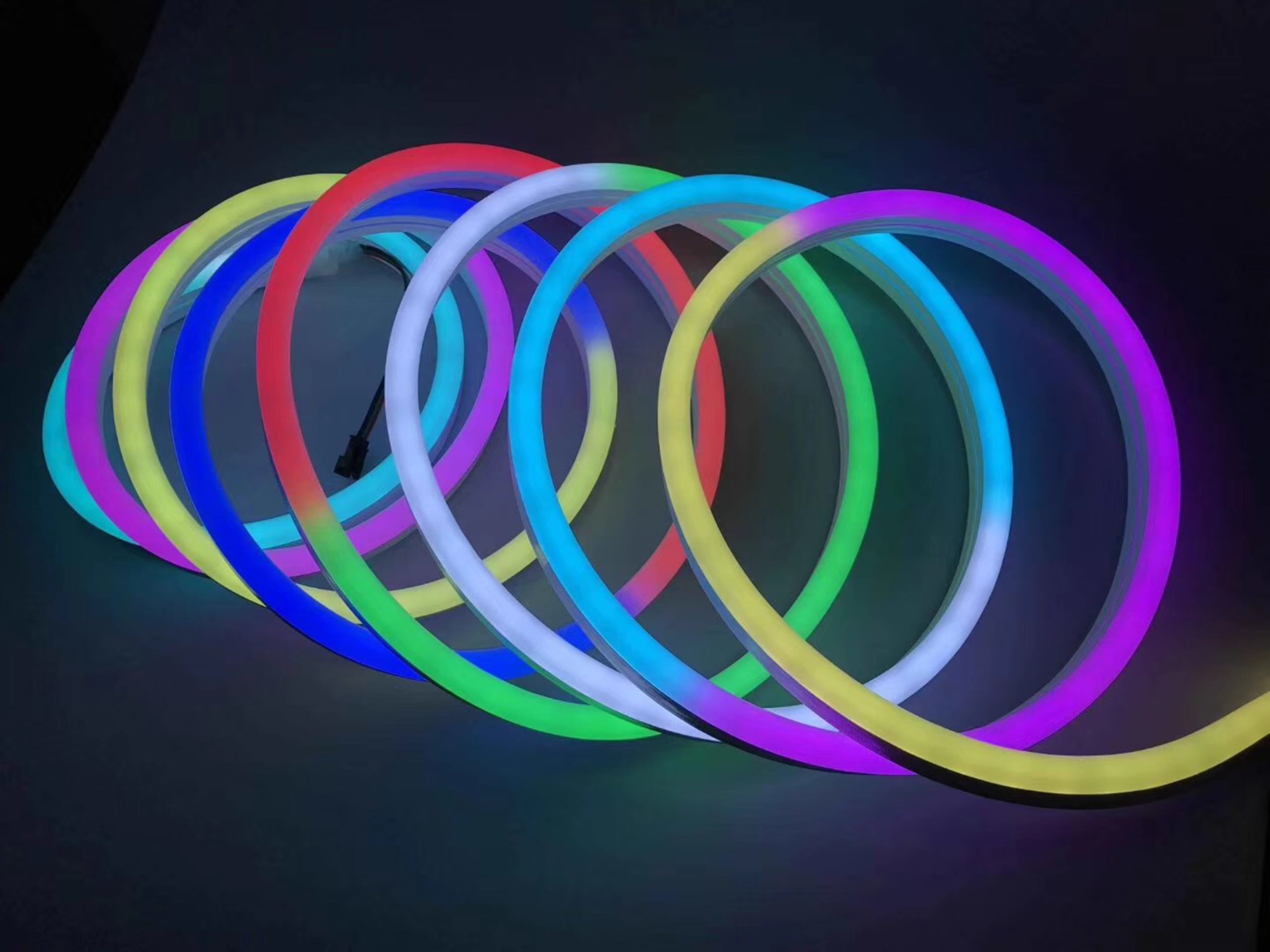
The control system requirements can be broken down into several critical components:
Essential Control Features
-
Hardware Requirements
- 4-channel output capability
- High PWM frequency6
- Voltage stabilization
-
Software Capabilities
- Independent channel control
- Scene preset programming
- Color temperature adjustment
- Smooth transition effects
-
Integration Options
- DMX512 protocol support7
- Mobile app control
- Building management system compatibility
Conclusion
Success with RGBW neon flex lights1 comes down to choosing true RGBW2 products with dedicated white channel3s, proper binning control, and compatible control systems - skimp on any of these, and you risk compromising your entire project.
Explore the advantages of RGBW neon flex lights to enhance your lighting projects with vibrant colors and stable white output. ↩
Learn how to distinguish true RGBW products to ensure high-quality lighting in your installations. ↩
Discover the importance of a dedicated white channel for achieving consistent and pure white light. ↩
Understand the significance of color temperature stability for maintaining the ambiance in your spaces. ↩
Explore how independent channel control enhances the versatility and performance of RGBW lighting. ↩
Learn about PWM frequency and its role in achieving smooth dimming and color transitions in LED lighting. ↩
Discover how DMX512 protocol support can improve the control and integration of your lighting systems. ↩