

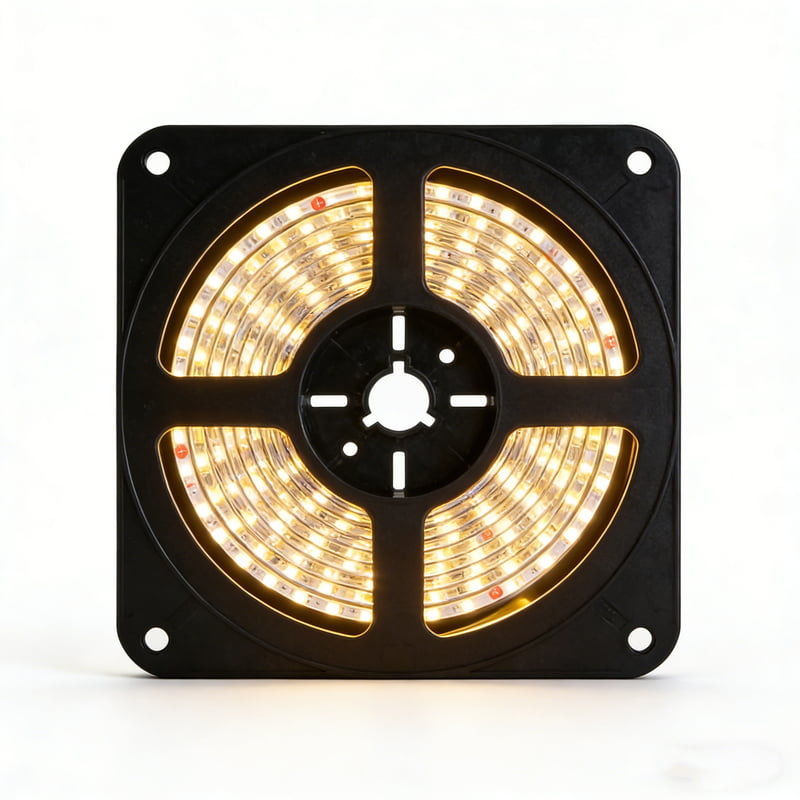
Those harsh LED lights1 giving you headaches? Many try to soften them by simply covering the bulbs, but this quick fix often leads to worse lighting problems and wasted money.
To properly soften harsh LED lights1, you need proper diffusion materials2 and optimal spacing3 between the LED and diffuser. Simply covering LEDs with any material will reduce brightness while still showing visible light dots and uneven illumination.
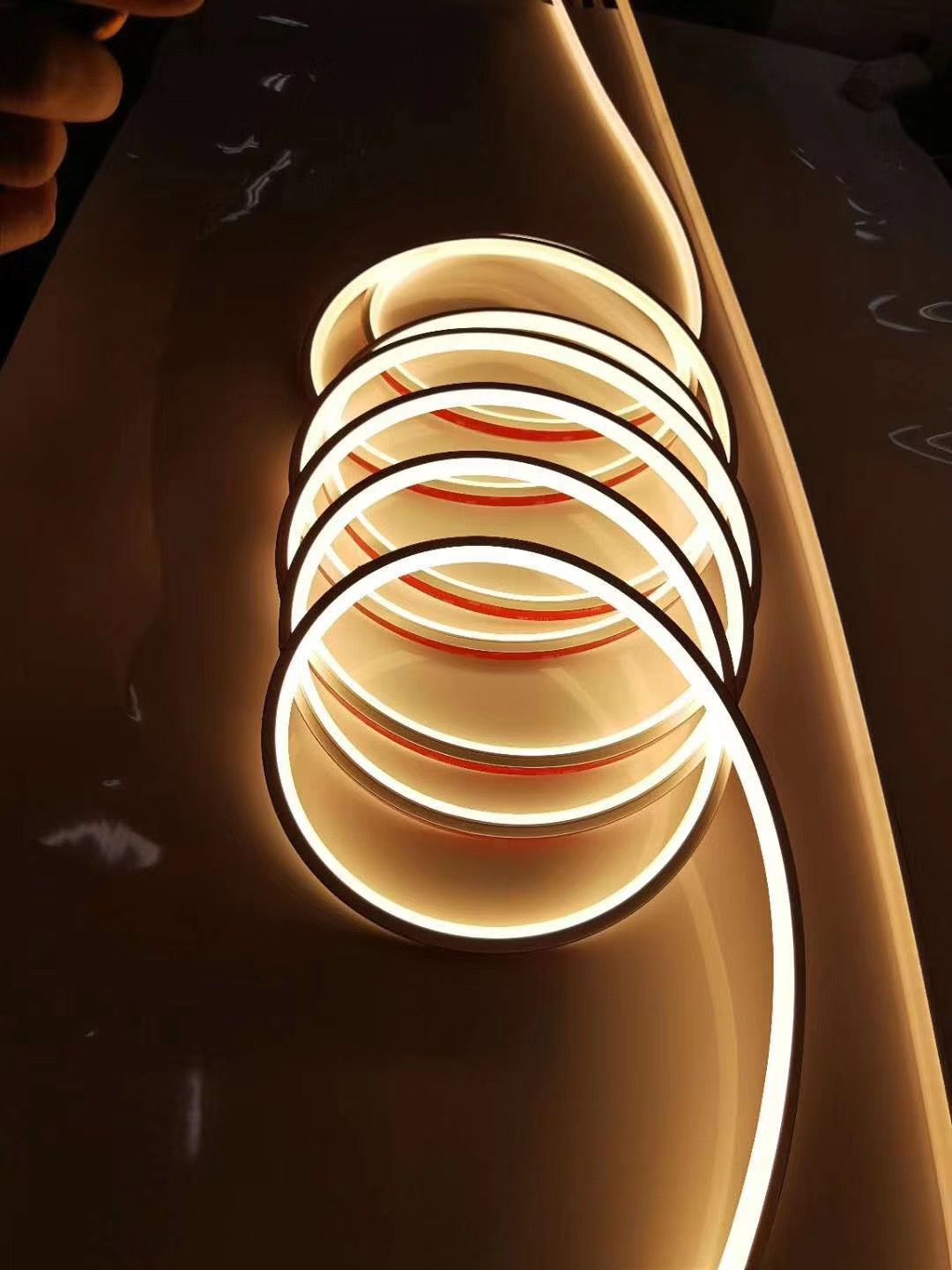
Let me share what I've learned from over 1000 lighting projects - there's a right and wrong way to soften LED lights. The difference comes down to understanding some key principles that many overlook.
Why does simply covering LED lights often make them worse?
We've all been there - trying to reduce harsh LED glare by adding a quick cover. But without proper optical design, this Band-Aid solution creates more problems than it solves.
Simply covering LEDs blocks light output without properly redistributing it. This reduces overall brightness by 40-60% while still showing visible LED dots. Proper diffusion requires specific materials and optimal spacing3 to evenly spread light.
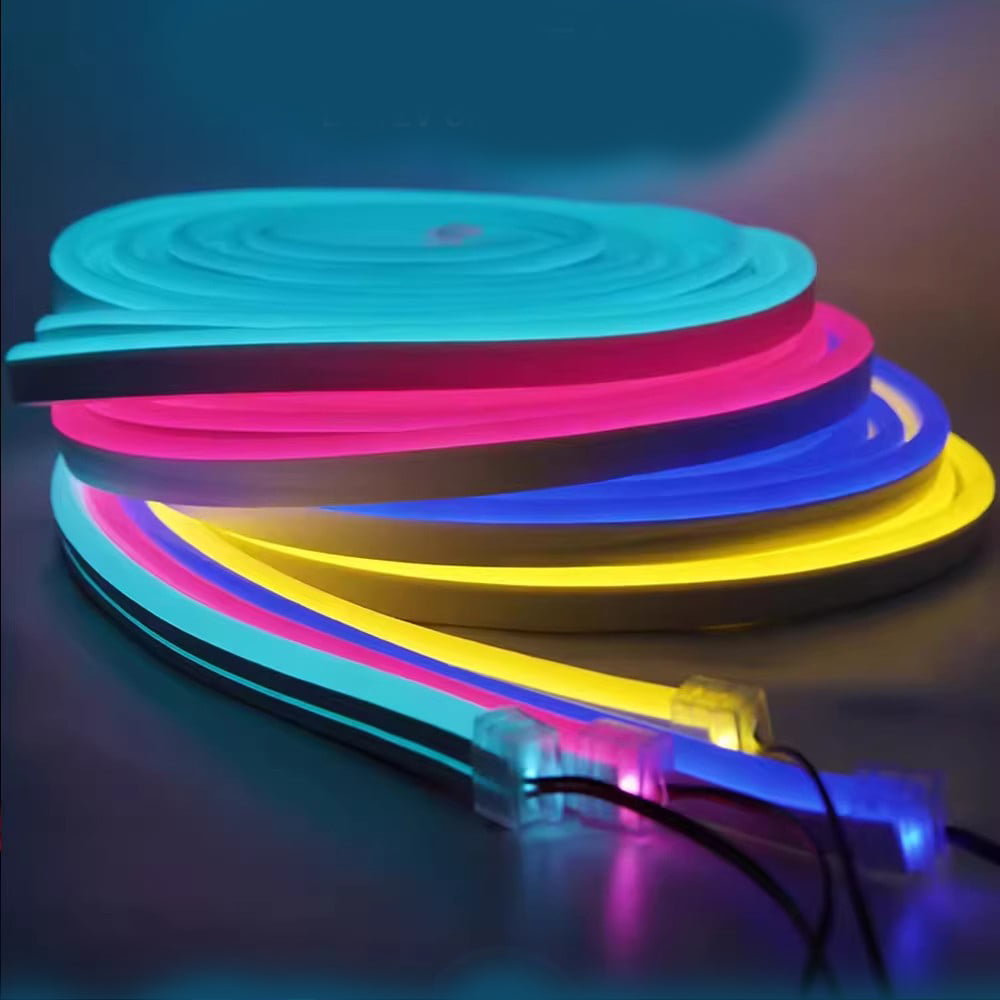
Let's break down why basic covering fails and what actually works for softening LED lights:
The Science Behind LED Diffusion
Light Distribution Patterns
| Cover Type | Light Loss | Dot Visibility | Overall Effect |
|---|---|---|---|
| Basic Cover | 40-60% | High | Poor |
| Proper Diffuser | 15-25% | None | Excellent |
Key Factors for Effective Diffusion:
-
Material Properties
- Light transmission rate
- Surface structure
- Diffusion capability
-
Installation Parameters
- Distance from LED
- Coverage angle
- Ventilation gaps
The physics of light diffusion requires careful consideration of these elements working together. In my experience testing hundreds of combinations, the most successful setups maintain at least 85% of original brightness while completely eliminating visible dots.
What materials work best for softening LED lights?
Many people grab whatever translucent material they have on hand, from paper to plastic bags. But these makeshift solutions ignore crucial optical properties needed for proper light diffusion.
The best LED diffusion materials are specifically engineered optical-grade polymers4 with precise light transmission rate5s (70-85%) and carefully designed surface structure6s. These materials maintain brightness while eliminating hot spots7 and ensuring even illumination.

Let's examine the most effective materials and their applications:
Material Performance Comparison
Professional Diffusion Materials
| Material Type | Light Transmission | Dot Elimination | Heat Resistance |
|---|---|---|---|
| Optical PMMA | 85% | Excellent | High |
| Silicone Diffuser | 80% | Excellent | Very High |
| PC Diffusion Sheet | 75% | Good | Medium |
The key difference lies in how these materials interact with light at a microscopic level. Professional diffusion materials use precisely engineered surface structure6s that scatter light evenly without excessive loss. This is why they can maintain high brightness while completely eliminating harsh spots.
How much space should be between LEDs and diffusers?
One of the biggest mistakes I see is placing diffusers directly on LED strips. This creates uneven lighting and visible hot spots7, defeating the purpose of diffusion.
The optimal distance between LEDs and diffusers typically ranges from 25mm to 50mm, depending on the LED spacing and brightness. This allows light to blend before hitting the diffuser, creating smooth, even illumination.

Understanding proper spacing is crucial for effective diffusion:
Spacing Guidelines by Application
Distance Requirements
| LED Type | Minimum Distance | Optimal Distance | Maximum Distance |
|---|---|---|---|
| Standard SMD | 20mm | 30mm | 45mm |
| High Power | 30mm | 40mm | 60mm |
| COB Array | 25mm | 35mm | 50mm |
The relationship between spacing and diffusion quality follows clear patterns I've observed in countless installations. Too close, and you get hot spots7. Too far, and you lose efficiency. The sweet spot depends on your specific LED type and desired lighting effect.
Conclusion
Properly softening LED lights requires more than just covering them - it needs the right diffusion materials, optimal spacing3, and proper installation techniques. Focus on these elements to achieve professional results without sacrificing brightness.
Explore the impact of harsh LED lights on health and well-being, and learn how to mitigate their effects. ↩
Discover the top materials for effective LED light diffusion to enhance your lighting quality. ↩
Learn about the ideal spacing for LED lights to achieve even illumination and avoid hot spots. ↩
Learn about the benefits of optical-grade polymers in achieving high-quality light diffusion. ↩
Understand the importance of light transmission rates in selecting diffusion materials for LEDs. ↩
Explore how surface structure influences light scattering and overall diffusion effectiveness. ↩
Discover effective strategies to eliminate hot spots in LED lighting for a more uniform glow. ↩