

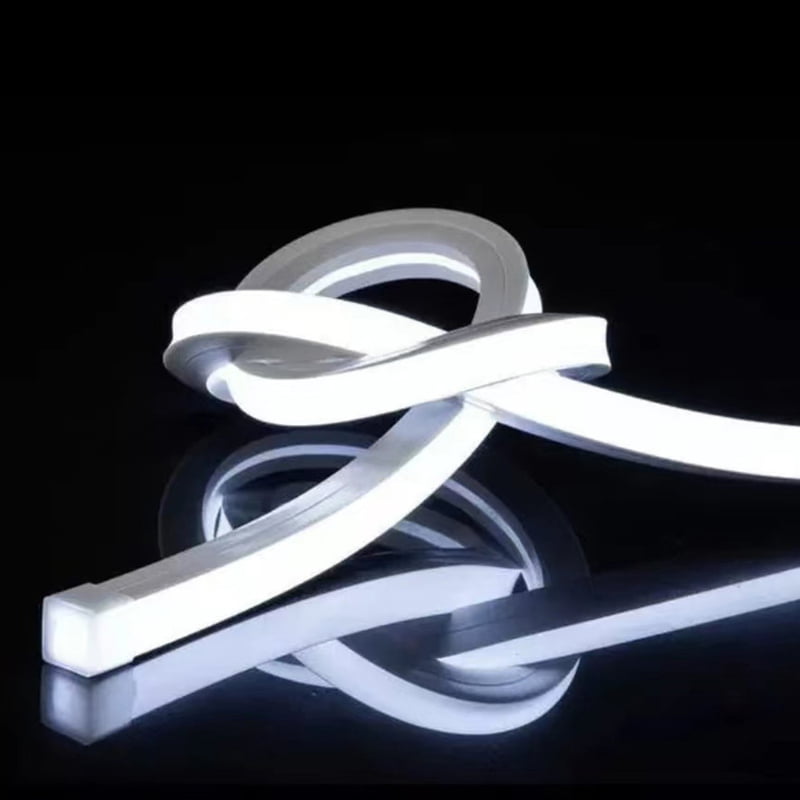
Many project managers face unexpected issues with LED neon lights1 not during installation, but months later. The brightness drops significantly, and sections start failing, leading to costly replacements and damaged reputations.
The key to long-lasting LED neon lights1 lies in proper heat dissipation2 and silicone stability3. High-quality products maintain consistent brightness for 5+ years through optimized thermal design and premium silicone materials, while poor quality ones can show visible degradation within 6 months.
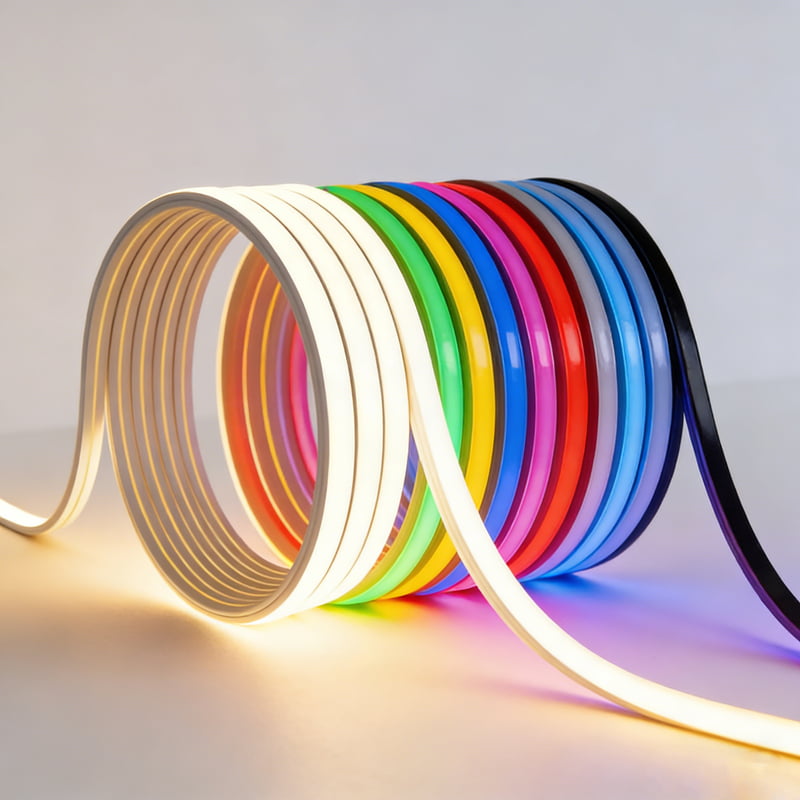
I've seen countless projects where everything looks perfect at first, but problems emerge months later. Let me share what I've learned from over a decade of manufacturing LED neon lights1 to help you avoid these costly mistakes.
Why Do Some LED Neon Lights Start Failing After Just a Few Months?
Initial testing often shows perfect results - bright, even illumination with no dark spots. But within 6 months, sections begin dimming or failing completely, ruining the entire lighting effect.
The main culprits are poor heat dissipation2 and low-quality silicone materials. When LEDs operate at high temperatures without proper cooling, they degrade faster. Meanwhile, inferior silicone yellows and becomes brittle, leading to both aesthetic and functional failures.

Deeper Analysis: The Three Critical Factors
1. Heat Management
Poor heat dissipation2 is often sacrificed for flexibility or cost savings. Here's what happens:
- LED chips operate at higher temperatures
- Accelerated light degradation
- Shortened lifespan
- Uneven brightness
2. Material Quality
The silicone material quality directly impacts long-term performance:
| Aspect | High-Quality Silicone | Low-Quality Silicone |
|---|---|---|
| UV Resistance | Maintains clarity for 5+ years | Yellows within 1-2 years |
| Temperature Range | -40°C to +60°C | Limited range |
| Flexibility | Maintains over time | Becomes brittle |
| Cost | Higher initial investment | Lower upfront, higher long-term |
3. Manufacturing Process
The extrusion process and quality control significantly affect product stability:
- Precise temperature control during manufacturing
- Proper curing time
- Stringent testing protocols
- Consistent material composition
How Can You Identify High-Quality LED Neon Flex Before Installation?
Most buyers focus on immediate visual effects - brightness, color consistency, and water resistance. However, these factors don't predict long-term performance.
Quality assessment should include accelerated aging tests, continuous operation data, and UV resistance4 certification. Request test reports showing performance after 1000+ hours of operation and ask about real-world installation references.

Key Quality Indicators to Check
When evaluating LED neon products, consider these critical aspects:
-
Technical Specifications
- LED chip brand and specifications
- Power consumption stability
- Heat dissipation design
- IP rating verification method
-
Manufacturing Standards
- Production environment controls
- Quality control processes
- Material sourcing transparency
- Batch consistency records
-
Certification and Testing
- UL/CE certification status
- RoHS compliance
- Aging test results
- Temperature cycle testing data
What Makes Professional-Grade LED Neon Flex Different?
The distinction between consumer and professional-grade products isn't always visible at first glance, but becomes apparent over time.
Professional-grade LED neon flex incorporates advanced heat dissipation2 design, UV-stabilized silicone compounds, and precisely positioned LED chips. These features ensure consistent performance even after years of continuous operation.
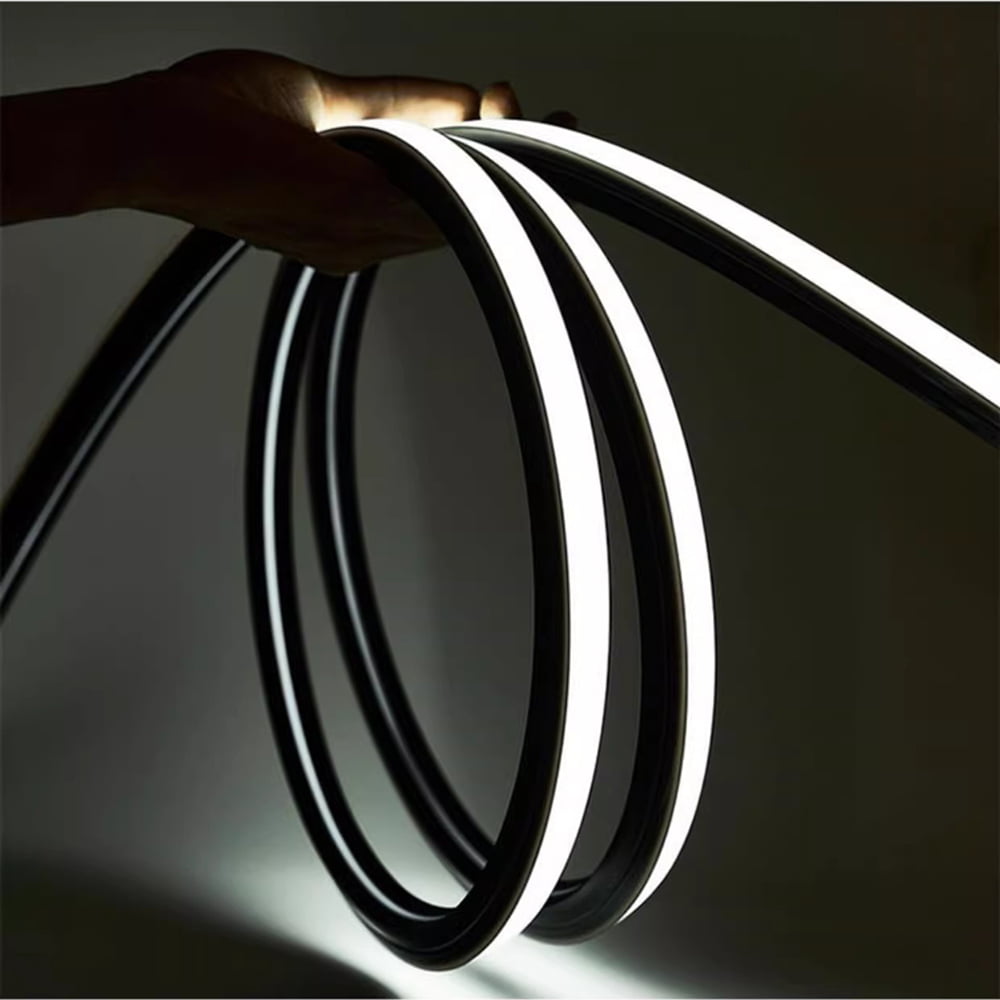
Professional Features Breakdown:
-
Material Engineering
- High-molecular silicone compounds
- Advanced UV stabilizers
- Optimized light diffusion properties
- Enhanced thermal conductivity
-
Design Considerations
- Strategic chip placement
- Balanced power distribution
- Reinforced connection points
- Stress-relief structures
-
Quality Assurance
- 100% testing before shipping
- Batch tracking system
- Installation guidelines
- After-sale support protocol
Conclusion
Selecting LED neon flex isn't just about initial appearance - it's about ensuring long-term performance through proper heat management, quality materials, and professional manufacturing process5es. Your project's success depends on making informed choices from the start.
Explore this resource to learn how to extend the lifespan and performance of your LED neon lights. ↩
Understanding heat dissipation is crucial for ensuring your LEDs last longer and perform better. ↩
Discover why silicone stability is vital for the durability and effectiveness of LED neon lights. ↩
Find out how UV resistance can prevent degradation and maintain the appearance of your LED neon lights. ↩
Gain insights into how manufacturing affects the quality and longevity of LED neon lights. ↩