

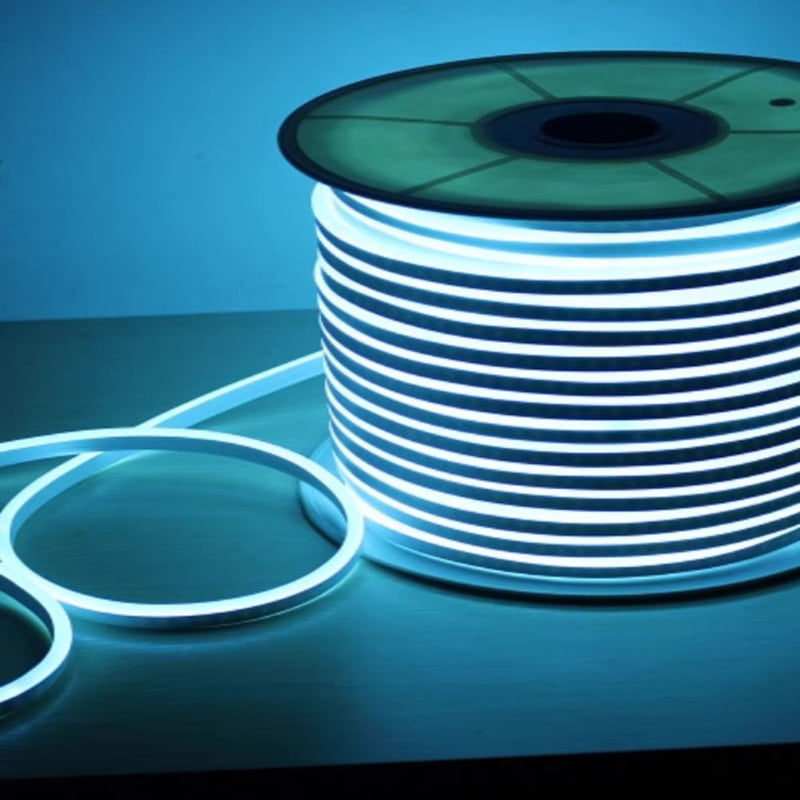
Have you ever noticed those annoying bright spots and shadows in silicone neon signs? As a manufacturer, I've seen countless projects compromised by poor light diffusion1, leading to unsatisfactory results and costly revisions.
The key to achieving uniform illumination2 in silicone neon signs lies in the careful matching of diffuser material properties, LED placement3, and internal structure design. Proper diffusion requires considering factors like material transparency, LED distance, and mold structure as an integrated system.
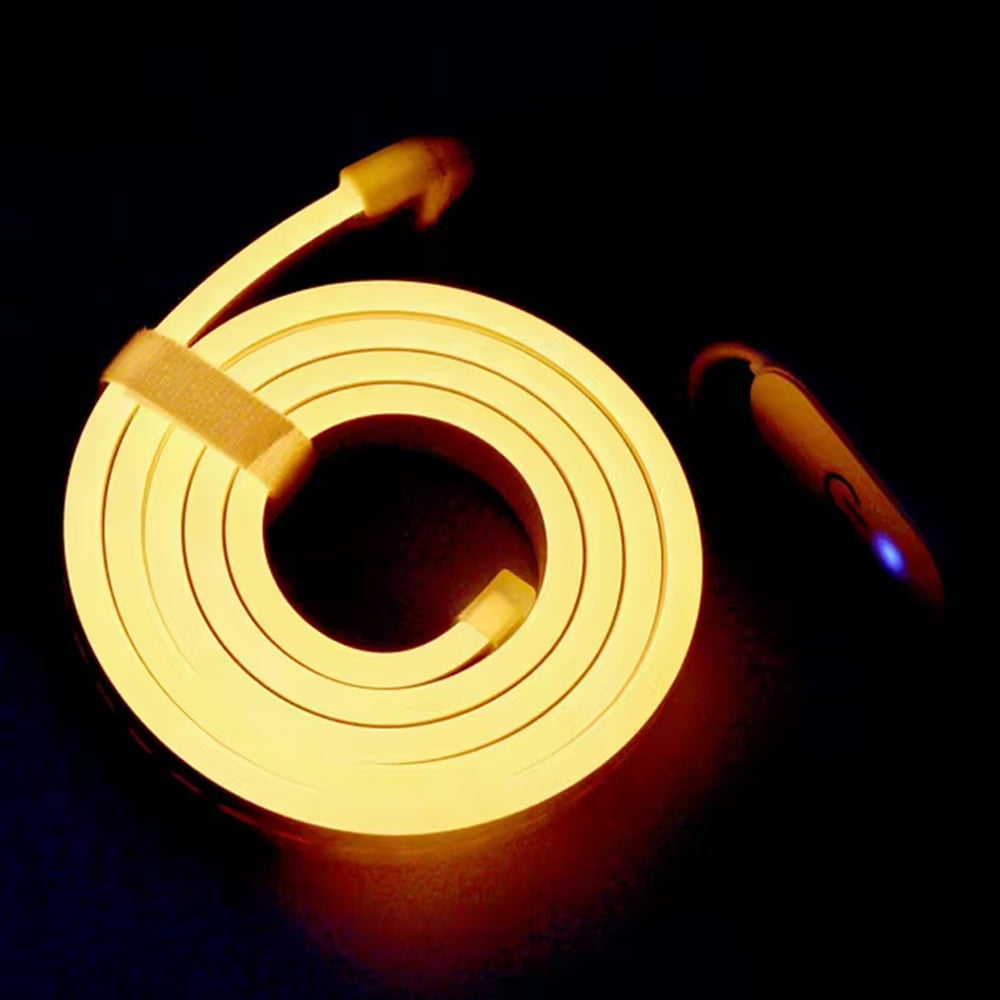
Let me share my experience dealing with light diffusion1 issues and how to avoid these common pitfalls that many overlook until it's too late.
What Causes Uneven Light Distribution in Silicone Diffusers?
I've seen many projects where samples looked great initially, but full-scale production revealed obvious lighting inconsistencies. This frustrating situation happens more often than you'd think.
The main causes of uneven light distribution are unstable silicone transparency4, mismatched LED-to-diffuser distances, improper mold structure design5, and material batch variations. These factors combine to create hot spots, dark areas, and inconsistent edge lighting.

When examining light distribution issues, we need to consider multiple technical aspects:
Material Properties
- Transparency Stability
- Base material quality
- Manufacturing consistency
- Batch-to-batch variation
Structural Design
- LED Placement
- Distance from diffuser
- Spacing between LEDs
- Mounting angle
Environmental Factors
- Temperature Impact
- Material expansion
- LED performance
- Color consistency
I remember a particularly challenging project where we created a 20-meter storefront sign. Despite perfect sample tests, the full installation showed noticeable bright spots in the middle sections. Through detailed analysis, we discovered that the LED placement3 didn't account for material expansion in outdoor conditions. This taught us to always consider environmental factors in our structural designs.
How Can We Achieve Perfect Light Diffusion?
After years of trial and error, I've learned that achieving uniform illumination2 isn't just about choosing the right material - it's about system integration.
Perfect light diffusion1 requires a holistic approach combining optimal LED placement3, stable diffuser materials, and proper structural design. Success depends on thorough testing, precise measurements, and understanding how different components interact.

Here's our comprehensive approach to ensuring uniform illumination2:
Design Phase Considerations
-
Material Selection
- Consistent transparency rates
- UV resistance properties
- Temperature stability range
-
Structural Planning
- LED spacing calculations
- Heat dissipation design
- Expansion allowances
-
Testing Protocol
- Sample verification
- Full-scale mockups
- Environmental testing
The success of a silicone neon project often comes down to these detailed considerations. I've implemented this systematic approach in hundreds of projects, and it consistently delivers superior results. For instance, we recently completed a luxury hotel installation where every centimeter of the 50-meter sign maintained perfect uniformity, even after months of outdoor exposure.
What Are the Key Quality Control Steps?
Quality control in silicone diffuser production isn't just about final inspection - it starts from the very beginning of the process.
Effective quality control6 involves material testing, production monitoring, and performance verification. Each batch of silicone must be tested for optical properties7, and finished products should undergo thorough illumination testing under various conditions.
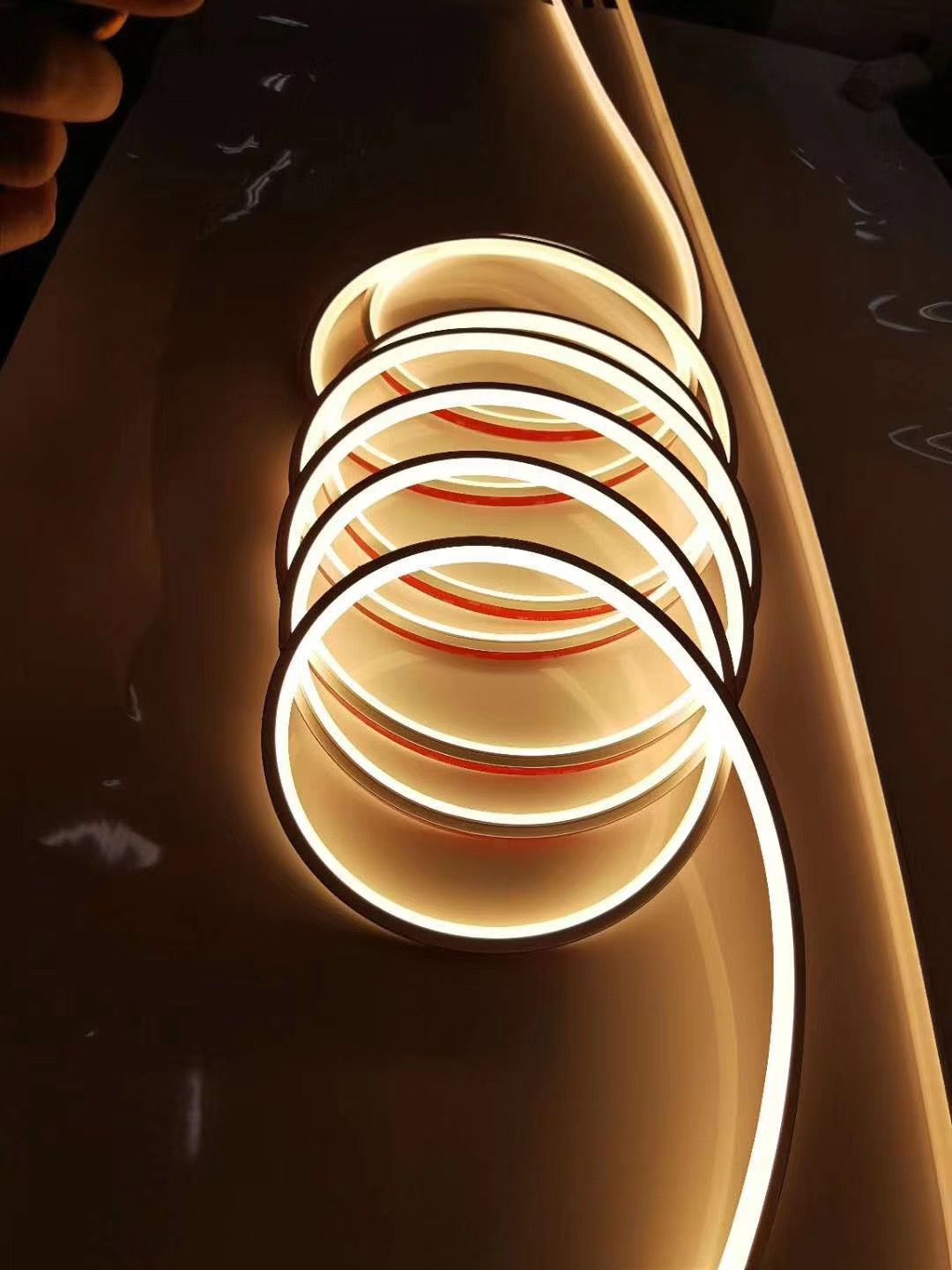
Let me break down our quality control6 process:
Pre-Production Phase
- Material certification verification
- Optical property testing
- Sample approval process
Production Monitoring
- Real-time quality checks
- Environmental control
- Process documentation
Final Verification
- Illumination testing
- Uniformity measurement
- Stress testing
Through years of manufacturing experience, I've found that implementing these strict quality control6 measures reduces defect rates by over 90%. This attention to detail has helped us maintain consistent quality across thousands of projects.
Conclusion
Achieving perfect light diffusion1 in silicone neon signs requires careful attention to material properties, structural design, and quality control6 throughout the entire manufacturing process.
Explore this resource to understand the essential techniques for achieving optimal light diffusion in silicone neon signs. ↩
Explore strategies for achieving uniform illumination in silicone neon signs for better visual appeal. ↩
Discover how proper LED placement can significantly improve the performance of silicone neon signs. ↩
Learn about the impact of silicone transparency on light distribution to enhance your neon sign projects. ↩
Find insights on effective mold structure designs that can enhance light diffusion in silicone neon signs. ↩
Explore essential quality control measures to maintain high standards in silicone neon sign manufacturing. ↩
Gain insights into the optical properties that are crucial for achieving effective light diffusion. ↩