

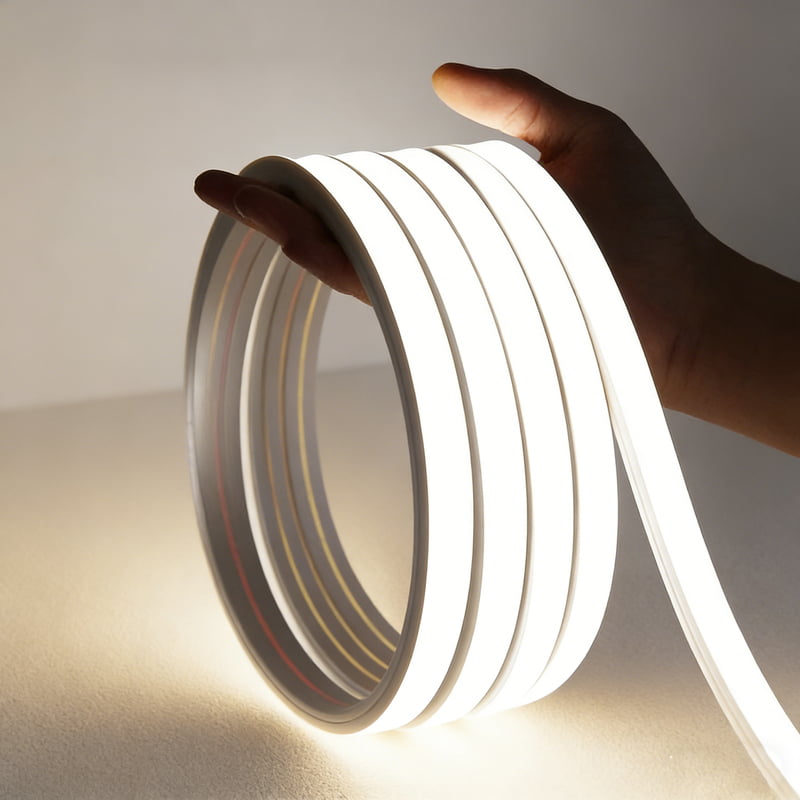
Many lighting projects fail not because of initial pricing or samples, but due to inconsistent supply quality over time. I've seen countless projects struggle when manufacturers can't maintain consistent standards across multiple batches.
The key to successful neon strip lighting projects1 lies in selecting a manufacturer with proven long-term supply stability. This means evaluating their production capacity2, quality control systems3, and track record of maintaining consistency across batches over extended periods.
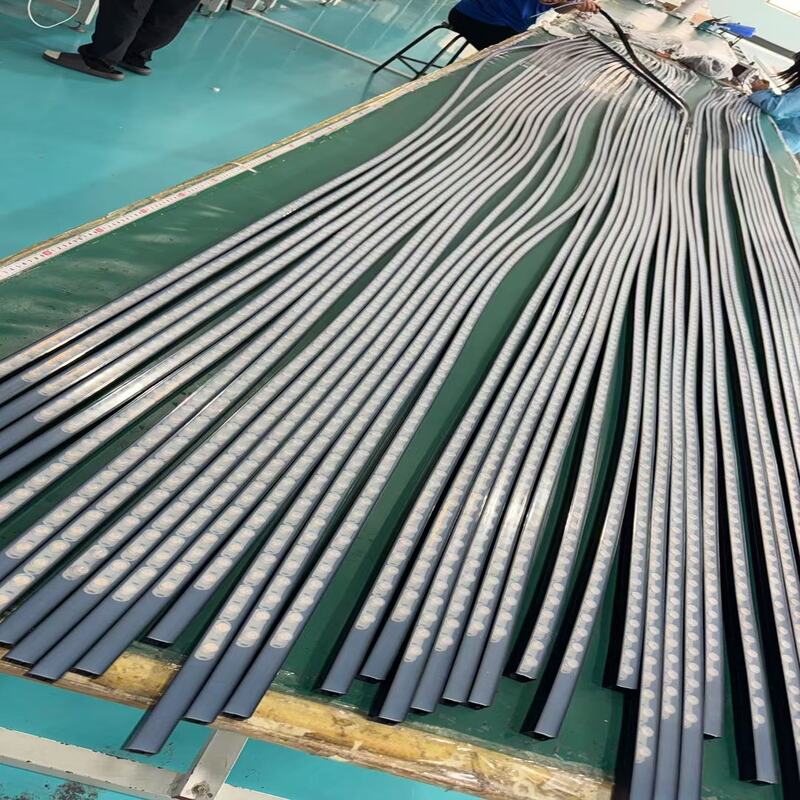
Having worked with numerous lighting projects over the years, I've identified several critical factors that determine long-term success. Let's explore the key considerations when choosing a neon strips supplier and manufacturer.
Why Do Many Neon Strip Projects Face Quality Inconsistency Issues?
I've witnessed many projects start smoothly but gradually encounter problems with color matching, brightness levels, and overall quality between batches. This creates significant challenges, especially for chain stores and large-scale installations.
Quality inconsistency in neon strip projects typically stems from manufacturers lacking standardized production processes4 and proper batch control systems. This results in visible differences between batches, affecting the overall aesthetic of long-term installations.

The Root Causes of Batch Inconsistency
When examining why batch inconsistency occurs, we need to consider several key factors:
1. Production Process Variables
- LED Binning5: Different LED batches can vary in color temperature and brightness
- Material Changes: Silicone quality and composition may shift between productions
- Manufacturing Parameters: Temperature, speed, and pressure variations affect output
2. Quality Control Challenges
| Stage | Common Issues | Impact on Consistency |
|---|---|---|
| Pre-production | Insufficient material testing | Color variation |
| Manufacturing | Lack of standardized processes | Brightness differences |
| Post-production | Inadequate batch testing6 | Visual inconsistency |
How Can You Evaluate a Manufacturer's Long-term Supply Capability?
The success of any large-scale lighting project depends heavily on consistent quality across all installations. This is particularly crucial for brand identity and commercial applications.
To evaluate a manufacturer's capability, assess their production capacity2, quality control systems3, and track record. Look for ISO certifications7, established quality management systems8, and references from long-term clients with similar project scales.
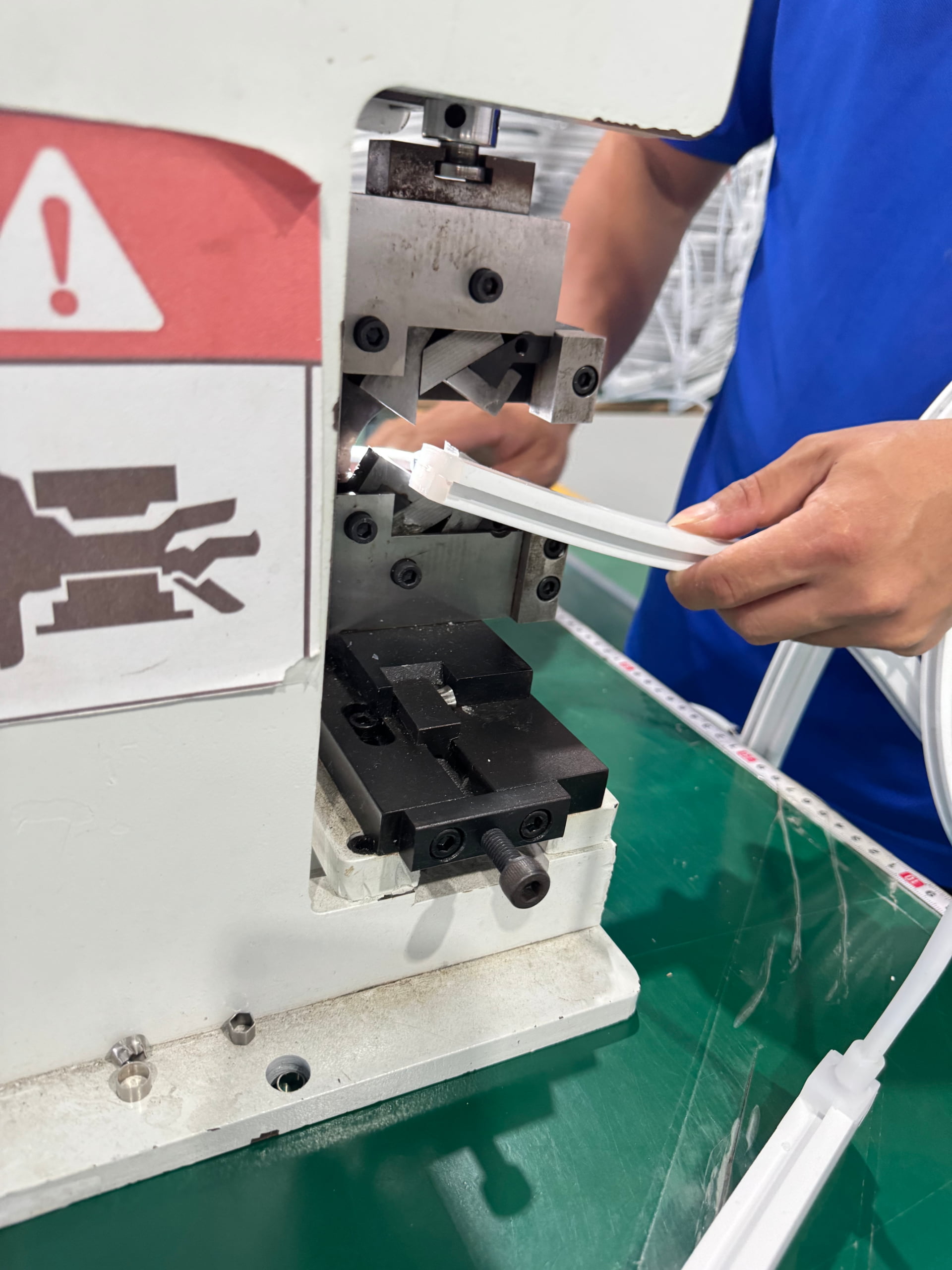
Key Assessment Criteria
Let's break down the essential aspects to evaluate:
1. Production Infrastructure
- Manufacturing capacity and equipment quality
- Material sourcing and storage capabilities
- Quality control laboratory facilities
- Technical expertise and R&D capabilities
2. Quality Management Systems
| Aspect | What to Look For | Why It Matters |
|---|---|---|
| Process Control | Documented procedures | Ensures repeatability |
| Testing Protocol | Regular quality checks | Maintains standards |
| Batch Tracking | Serial number system | Enables traceability |
What Are the Essential Quality Control Measures for Consistent Production?
I've learned that maintaining consistent quality requires a comprehensive approach to quality control, starting from raw materials through to final testing.
Effective quality control for neon strip manufacturing requires systematic LED binning, standardized production parameters, and thorough batch testing6. Each production run should undergo color temperature, brightness, and waterproofing tests.

Quality Control Framework
Understanding the quality control framework helps ensure consistent results:
1. Material Control
- LED source verification and binning
- Silicone material testing
- Component compatibility checks
2. Production Controls
| Stage | Control Measure | Expected Outcome |
|---|---|---|
| Pre-production | Material verification | Consistent raw materials |
| Production | Parameter monitoring | Stable manufacturing |
| Post-production | Batch testing | Verified quality |
Conclusion
Success in neon strip lighting projects1 depends on choosing a manufacturer with proven consistency across multiple production runs. Focus on long-term supply stability rather than just initial pricing or samples.
Explore this resource to understand the essential practices that ensure success in neon strip lighting projects. ↩
This resource will guide you on evaluating a manufacturer's production capacity for better project outcomes. ↩
Discover effective quality control systems that can enhance product consistency and reliability. ↩
Learn how standardized processes can significantly improve manufacturing quality and consistency. ↩
Explore the significance of LED binning in achieving consistent color and brightness in lighting projects. ↩
Find out how batch testing plays a vital role in maintaining product quality and consistency. ↩
Understand why ISO certifications are crucial for ensuring quality and reliability in manufacturing. ↩
Learn about the essential components of quality management systems that ensure product excellence. ↩