

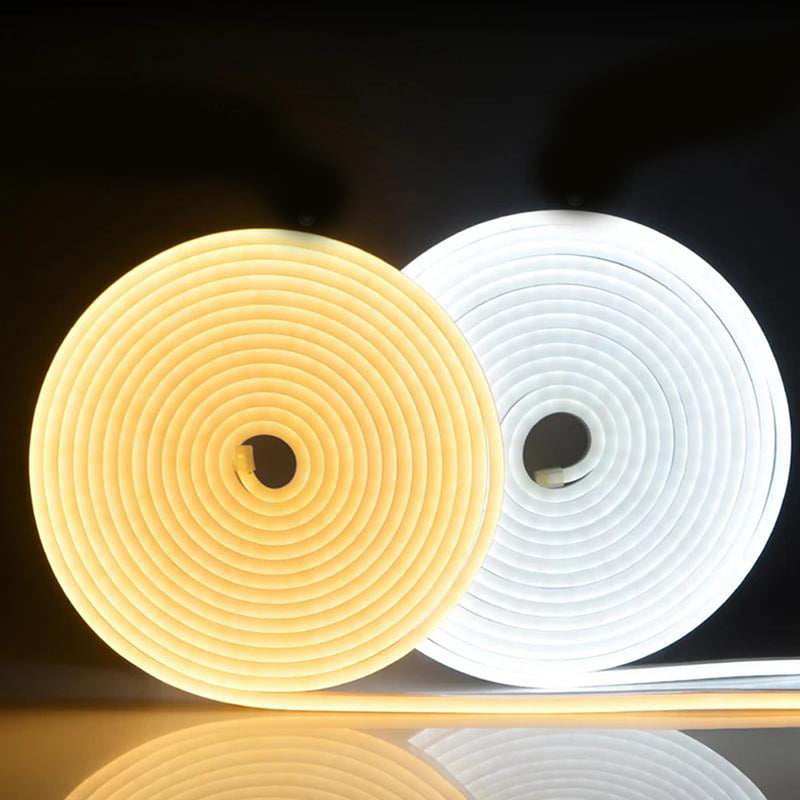
Have you ever installed LED neon flex rope1 only to find the curves look kinked and uneven? This common issue has ruined countless lighting projects, but few understand why it happens.
The key to successful LED neon flex installation lies in understanding minimum bend radius2. Each product has specific bending limitations - going beyond these will cause uneven lighting, dark spots3, and distorted curves. Proper product selection based on your design's smallest curve is crucial.
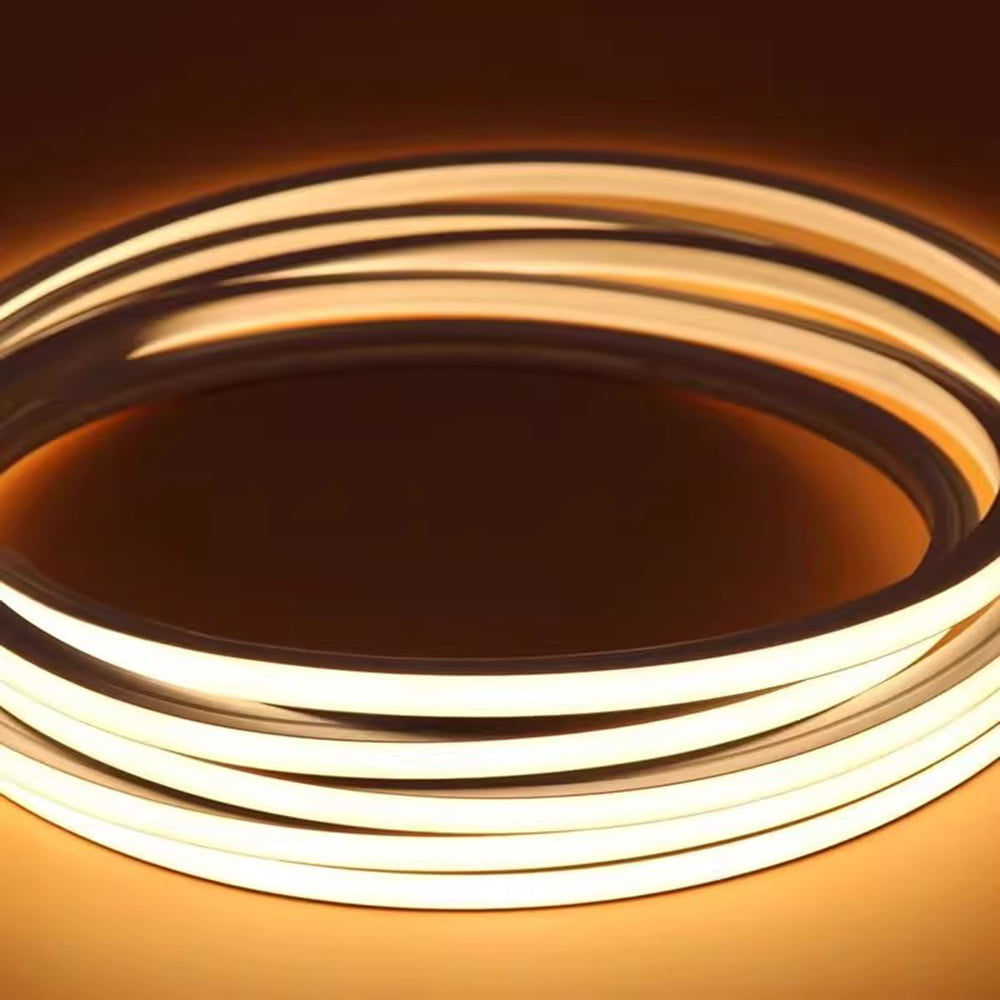
I've seen too many projects fail because designers assumed flexibility meant unlimited bending capability. Let me share what I've learned from over a decade of manufacturing LED neon flex rope1 to help you avoid these costly mistakes.
What is Minimum Bend Radius and Why Does It Matter?
Every week, I get calls from frustrated contractors dealing with distorted lighting installations4. The root cause? They ignored or didn't understand minimum bend radius2 specifications.
Minimum bend radius is the smallest curve a LED neon flex rope1 can make while maintaining even light distribution and structural integrity. Forcing tighter bends results in compressed internal LEDs5, stretched outer material, and visibly distorted lines.
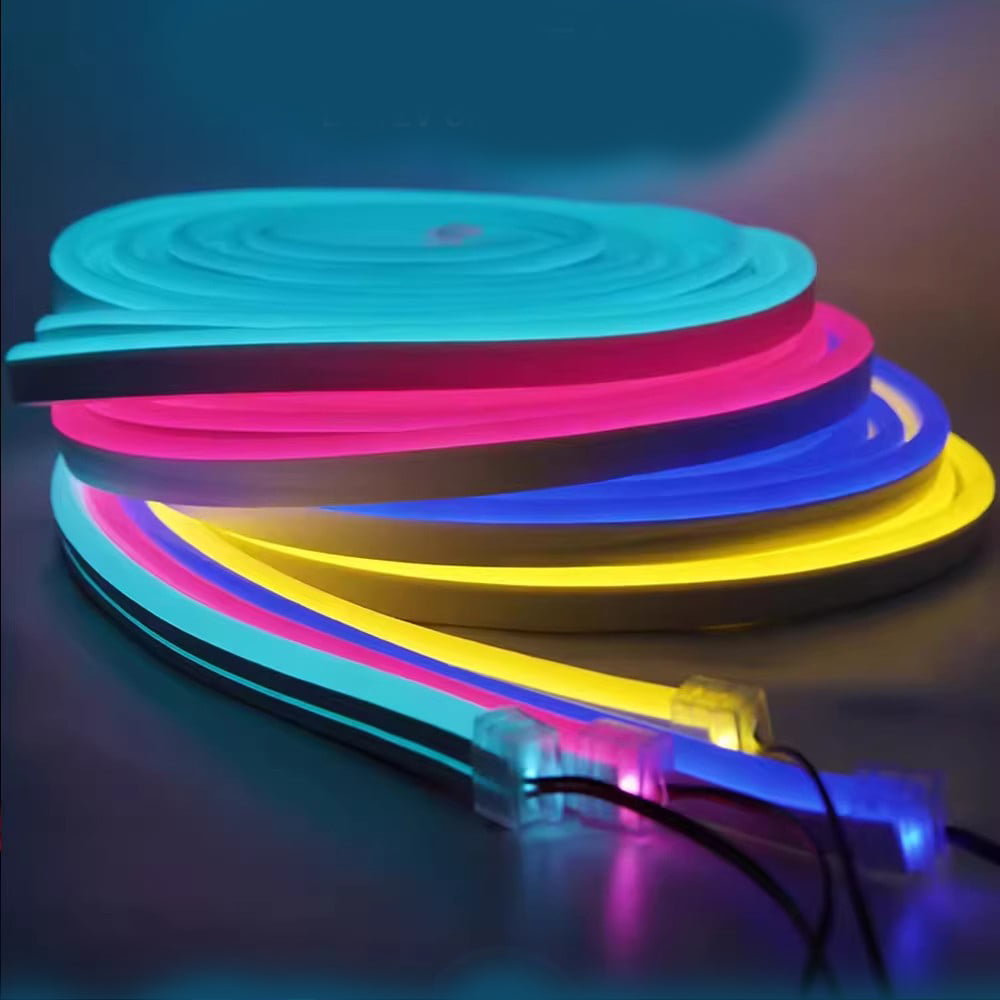
Let's dive deeper into why this matters so much. When LED neon flex is bent beyond its capabilities, several problems occur simultaneously:
Physical Distortion
-
Internal Components:
- LED strips become compressed
- Circuit boards may crack
- Wire connections can break
-
External Housing:
- Silicone stretches unevenly
- Surface texture changes
- Color consistency varies
Visual Impact
| Problem | Cause | Visual Effect |
|---|---|---|
| Dark Spots | LED compression | Uneven brightness |
| Light Bleeding | Material stretching | Diffused glow |
| Angular Appearance | Structure stress | Sharp bends instead of curves |
The real challenge is that these issues often don't show up during dry fitting - they become apparent only after permanent installation.
How Do You Choose the Right Product for Your Design?
I've seen countless projects where clients chose their LED neon flex based solely on price or general specifications, completely missing the critical bending requirements.
To select the right LED neon flex, first identify the smallest curve radius in your design. Then, choose a product with a minimum bend radius2 at least 20% smaller than your tightest curve. This ensures smooth, professional-looking installations.
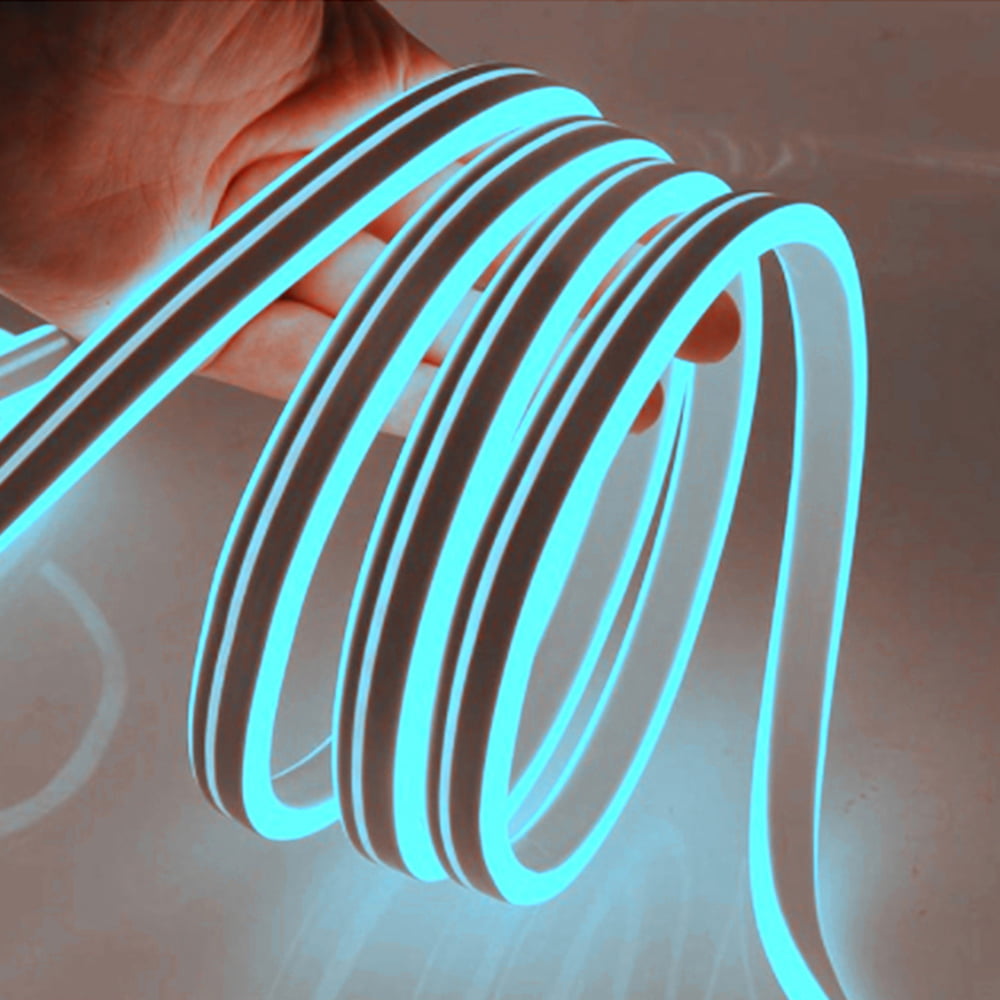
Understanding product specifications requires more than just reading numbers on a datasheet. Here's my systematic approach to product selection:
Technical Considerations
-
Profile Size Impact:
- Larger profiles (20mm+): Generally easier to bend, but have larger minimum radius
- Smaller profiles (8-15mm): Can make tighter curves but require more careful handling
-
Internal Structure:
- PCB Design: Flexible vs rigid boards affect bending capability
- LED Spacing: Closer spacing allows smoother curves
- Wire Gauge: Thicker wires restrict bending
-
Environmental Factors:
- Temperature affects flexibility
- UV exposure can change material properties
- Installation surface texture influences appearance
What Are Common Installation Mistakes to Avoid?
After manufacturing millions of meters of LED neon flex, I've identified patterns in installation failures that keep recurring across different projects.
The most common installation mistakes include forcing tight bends, not accounting for temperature changes, and improper mounting techniques6. Always test bends before permanent installation and use appropriate mounting channels designed for your specific product.

Installation success depends heavily on proper preparation and technique. Here's what I've learned from working with professional installers:
Critical Installation Factors
-
Temperature Considerations:
- Material flexibility changes with temperature
- Allow for thermal expansion in mounting
- Consider ambient temperature range
-
Mounting Methods: Method Best For Limitations Channel Long runs Less flexibility Clips Complex shapes More visible Direct mount Simple curves Surface dependent -
Testing Protocol:
- Mock-up critical sections
- Test lighting before permanent fixing
- Document successful techniques
Conclusion
Success with LED neon flex rope1 isn't about flexibility alone - it's about understanding and respecting minimum bend radius2 limitations. Choose your product based on your smallest curve requirements, not just general specifications.
Choosing the right LED neon flex rope ensures a professional look and prevents costly mistakes during installation. ↩
Understanding minimum bend radius is crucial for achieving even light distribution and avoiding installation issues. ↩
Preventing dark spots is essential for achieving uniform brightness in your lighting designs. ↩
Learn about the common causes of distorted lighting to avoid pitfalls in your projects. ↩
Discover the impact of compressed LEDs on lighting quality and installation integrity. ↩
Using proper mounting techniques is key to ensuring a successful and durable installation. ↩