

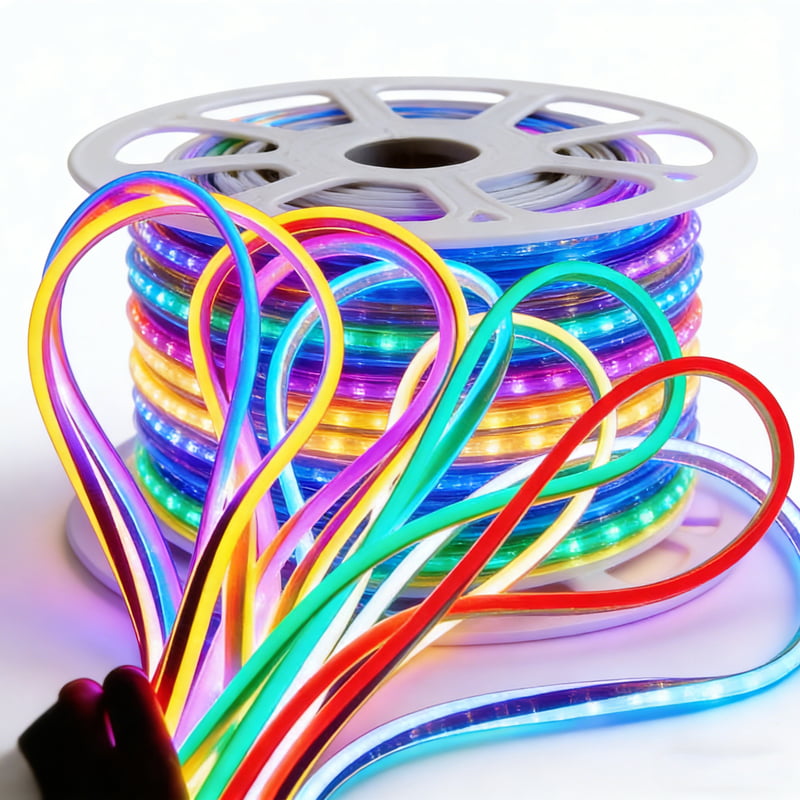
Choosing between Neon Flex1 and Neon Linear2 lighting seems straightforward, but one wrong decision can completely ruin your project. I've seen countless installations fail because of this common misconception.
The key difference lies in their light emission direction3 - Neon Flex1 is designed to be seen directly as a light source, while Neon Linear2 is meant to illuminate surfaces. Understanding this fundamental distinction will determine your project's success.

Let me share my experience helping clients avoid costly mistakes with these lighting solutions. After overseeing hundreds of installations, I've developed a foolproof method to choose the right option every time.
Why Do So Many People Choose the Wrong Light Direction?
The marketing materials often mislead buyers by highlighting similar features - both are linear lights, both can be bent, both are waterproof. But this surface-level comparison misses the crucial difference.
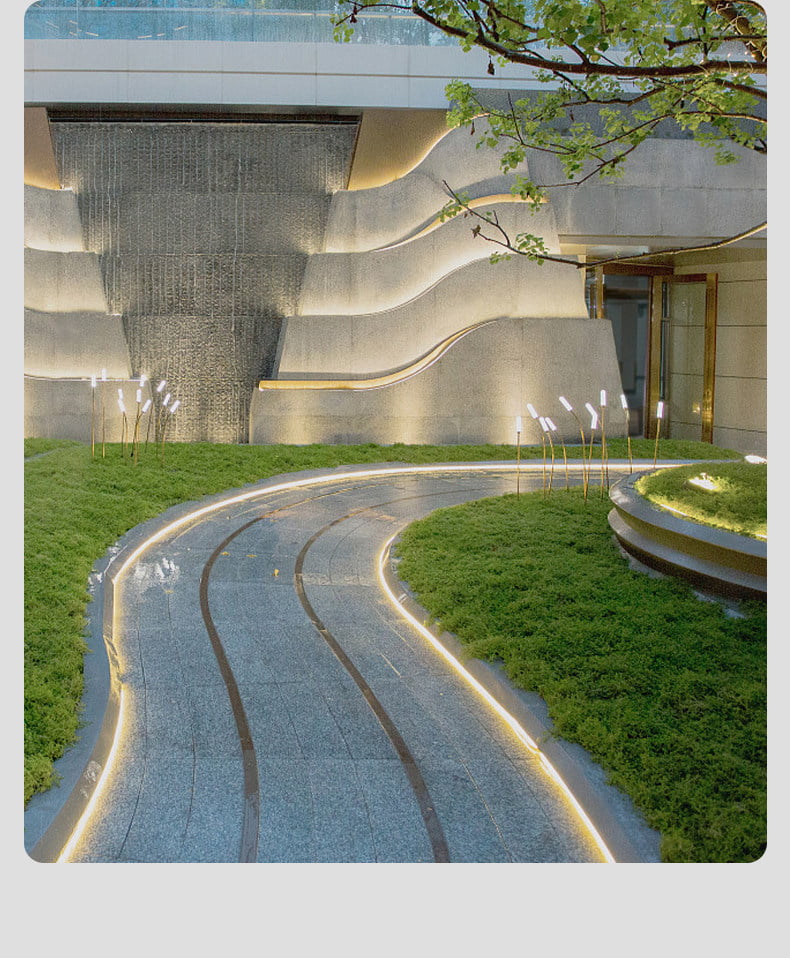
Neon Flex1 creates visible light lines meant to be seen directly, perfect for decorative outlines4 and signage. Neon Linear2 projects light onto surfaces, ideal for wall washing5 and functional lighting. Confusing these purposes leads to disappointing results.

Dive Deeper: Understanding Light Direction Impact
When selecting linear lighting, we need to consider three primary light emission patterns:
- Upward-facing light
- Side-emitting light
- Wall-washing light
Here's a detailed breakdown of how these patterns affect different applications:
| Light Direction | Best Use Case | Common Mistakes | Example Applications |
|---|---|---|---|
| Upward-facing | Ceiling highlights, indirect lighting | Using for wall outlines | Restaurant coves, ceiling details |
| Side-emitting | Architectural outlines, visible lines | Using for surface illumination | Building contours, logo designs |
| Wall-washing | Surface illumination, ambient lighting | Using for decorative lines | Gallery walls, facade lighting |
I recently consulted on a commercial project where the client initially specified Neon Linear2 for outline lighting. Had they proceeded, they would have gotten harsh light spots instead of clean, continuous lines. We switched to side-emitting Neon Flex1, achieving the desired seamless effect.
How Can You Make the Right Choice Every Time?
When clients approach me about linear lighting, I always start with one simple question: "Do you want people to see the light source itself, or just its illumination effect?"
This question immediately clarifies whether Neon Flex1 (visible light source) or Neon Linear2 (illumination effect) is appropriate. It's a reliable first step that has prevented countless installation mistakes.

Dive Deeper: Application-Specific Considerations
The choice between Neon Flex1 and Neon Linear2 isn't just about aesthetics - it impacts installation, maintenance, and long-term performance. Consider these factors:
-
Installation Environment:
- Indoor vs Outdoor exposure
- Mounting surface material
- Viewing angles and distances
-
Performance Requirements:
- Required brightness levels
- Color consistency needs
- Dimming and control options
-
Maintenance Considerations:
- Accessibility for repairs
- Cleaning requirements
- Expected lifespan in the environment
I've developed this comprehensive evaluation system after years of troubleshooting failed installations where these factors weren't properly considered upfront.
What Are the Real-World Implications of Getting It Wrong?
Most lighting mistakes aren't discovered until after installation, when changing course becomes extremely expensive and time-consuming.
The cost of correcting a wrong choice often exceeds the initial investment by 3-4 times, including labor, materials, and project delays. Prevention through proper planning is always more economical.
Dive Deeper: Cost Impact Analysis
Let's break down the financial implications of choosing the wrong linear lighting solution:
-
Direct Costs:
- Replacement materials
- Labor for removal and reinstallation
- Additional mounting hardware
- Disposal of incorrect materials
-
Indirect Costs:
- Project delays
- Client relationship damage
- Reputation impact
- Lost opportunity costs
This is why I always recommend a small-scale mock-up installation6 before proceeding with large projects. The minimal upfront cost of testing can prevent major expenses later.
Conclusion
The success of your linear lighting project hinges on understanding the fundamental difference between Neon Flex1 and Neon Linear2. Focus on light direction first, then consider technical specifications to ensure your installation achieves its intended effect.
Explore the benefits of Neon Flex to understand its unique applications and how it can enhance your project. ↩
Learn about the specific features of Neon Linear to make informed decisions for your lighting needs. ↩
Understanding light emission direction is crucial for effective lighting design; discover its impact on your projects. ↩
Find out how decorative outlines can transform spaces and enhance aesthetics in your lighting projects. ↩
Explore wall washing techniques to create ambient lighting and improve the visual appeal of your spaces. ↩
Discover why mock-up installations are vital for testing and ensuring successful lighting outcomes. ↩