


I've seen countless LED projects ruined by mismatched RGB colors. What looks perfect in small samples can turn into an embarrassing mess when installed at scale, destroying the professional look of your installation.
The key to successful RGB neon flex1 installations isn't just about specs like size or IP rating - it's ensuring consistent, uniform colors across the entire project. This requires careful consideration of LED binning2, voltage drop3, and circuit design4.

Let me share what I've learned from years of manufacturing RGB neon flex1 and helping clients avoid costly color matching problems. These insights could save you from having to redo entire installations.
Why Do RGB Colors Look Different Across Sections?
Many installers test just a small sample of RGB neon flex1 and see vibrant, pure colors. But when they install longer runs or multiple sections, the colors start shifting and looking uneven.
Color mismatches in RGB neon flex1 typically stem from three main factors: inconsistent LED binning2 between batches, voltage drop3 over distance (especially in 12V systems), and poor current distribution in cut sections.
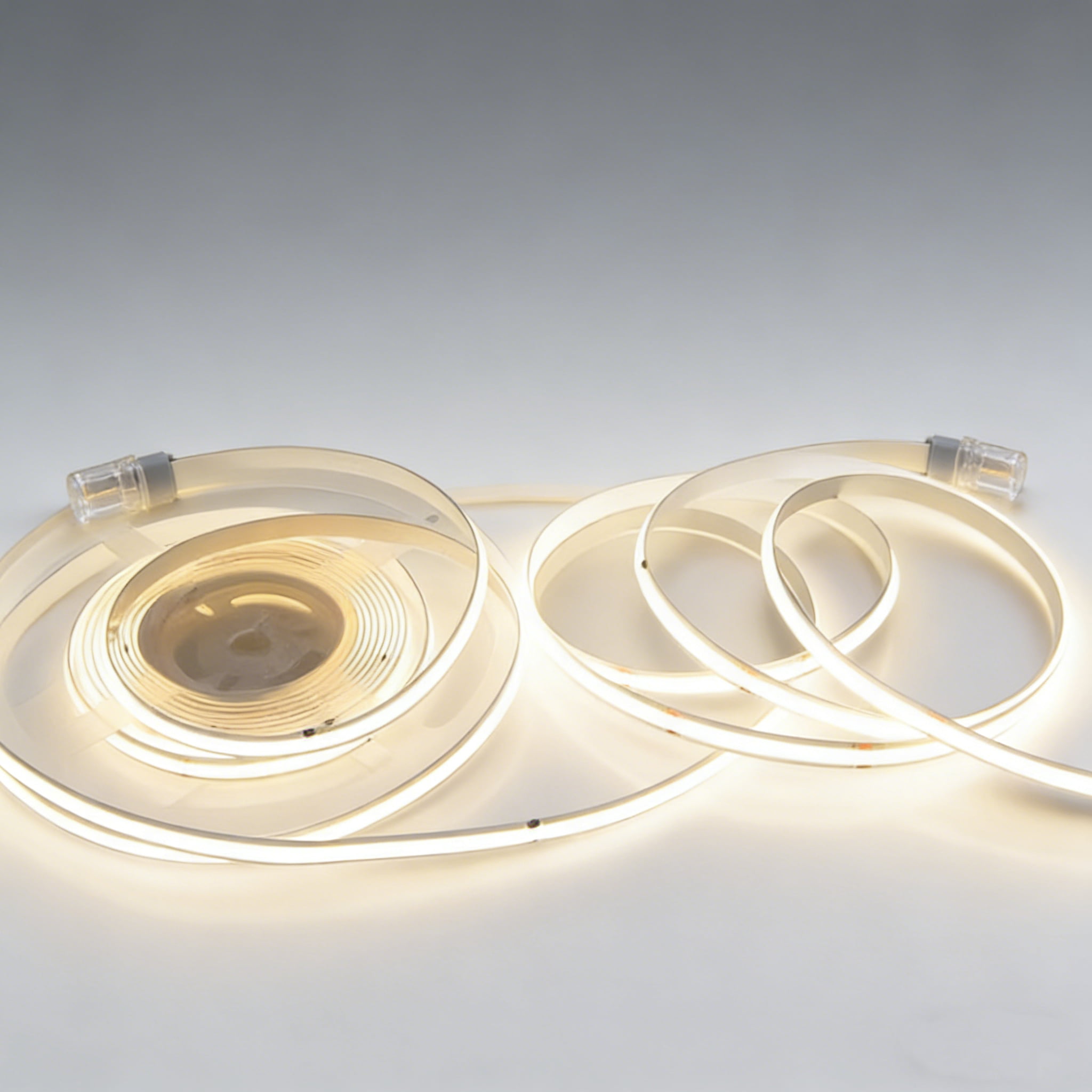
Dive deeper: The technical reasons behind RGB color mismatching are more complex than most people realize. Let's break them down:
LED Binning Issues
- Different manufacturing batches can have slight variations in LED color output
- Without strict binning control, even LEDs from the same production run may show visible differences
- Temperature changes can amplify these variations
Voltage Drop Effects
| For 12V systems: | Distance | Typical Voltage Drop | Color Impact |
|---|---|---|---|
| 0-5m | 0.2-0.5V | Minimal change | |
| 5-10m | 0.5-1.0V | Noticeable shift | |
| 10m+ | >1.0V | Significant variation |
Circuit Design Challenges
The 5cm cut intervals create additional complexity:
- Each section needs perfectly balanced current
- Poor design leads to uneven brightness
- Color mixing becomes inconsistent
- Temperature variations affect sections differently
How Can We Ensure Consistent RGB Colors?
The solution isn't buying more expensive products - it's understanding and controlling the key factors that affect color consistency from production to installation.
To achieve consistent RGB colors, manufacturers must implement strict LED binning2 processes, optimize circuit design4 for minimal voltage drop3, and thoroughly test complete runs before shipping. Installers need proper power distribution planning5.

Dive deeper: Our approach to ensuring color consistency involves multiple layers of quality control:
Production Controls
- LED Selection:
- 100% component testing before assembly
- Strict binning standards for each batch
- Temperature stability verification
Design Optimization
| Feature | Purpose | Impact |
|---|---|---|
| Enhanced PCB | Better heat dissipation | Stable color output |
| Balanced circuits | Even current distribution | Consistent brightness |
| Voltage compensation | Reduced color drift | Uniform appearance |
Installation Planning
We provide detailed guidelines for:
- Maximum run lengths
- Power injection points
- Connection methods
- Testing procedures
What Should You Look For When Buying RGB Neon Flex?
Don't just trust specifications on paper - actual performance testing is essential for avoiding costly mistakes and disappointments.
Request full-length samples (at least 3-5 meters) and test them in white mode, color transitions, and multiple connected sections. If a supplier can only provide short samples, consider it a red flag.
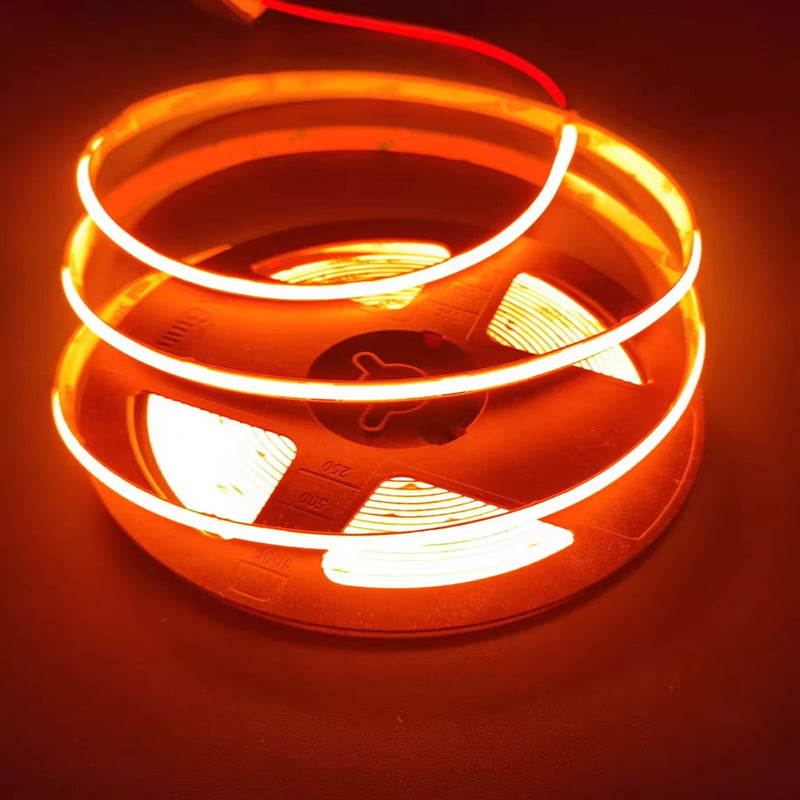
Dive deeper: Here's a comprehensive testing protocol we recommend:
Visual Inspection
Check for:
- Color uniformity across full length
- Smooth transitions between segments
- Consistent brightness throughout
Performance Testing
| Test Type | Duration | What to Look For |
|---|---|---|
| Static white | 24 hours | Color drift |
| Color cycling | 48 hours | Transition smoothness |
| Segment sync | 2 hours | Response timing |
Documentation Review
Verify:
- Binning certificates
- Voltage drop calculations
- Installation guidelines
Conclusion
Success with RGB neon flex1 isn't about specifications - it's about understanding and controlling the factors that affect real-world performance. Proper planning and testing are essential for achieving professional results.
Explore this resource to learn essential tips for achieving vibrant and consistent RGB neon flex installations. ↩
Understanding LED binning is crucial for ensuring color uniformity; this link provides in-depth insights. ↩
Learn about voltage drop effects on LED installations to avoid color mismatches and ensure quality. ↩
This resource offers valuable circuit design strategies to enhance LED performance and color consistency. ↩
Effective power distribution planning is key to consistent LED performance; this link provides expert guidance. ↩