

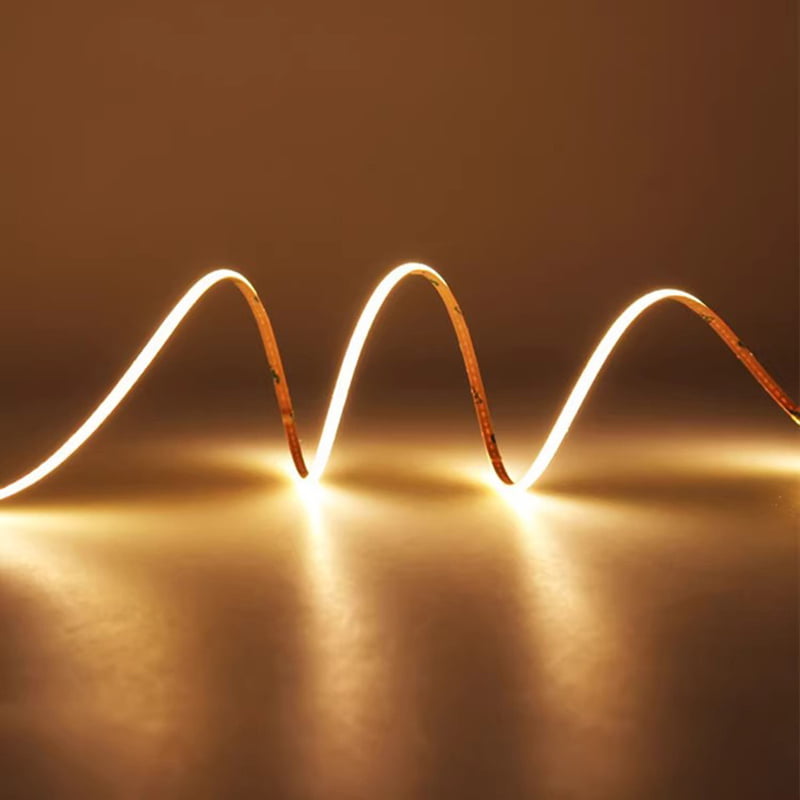
You've invested thousands in a high-end lighting installation, only to watch it dim and yellow within months. The culprit? A hidden engineering flaw that most suppliers won't tell you about when selling ultra-slim 3x6mm LED neon strips.
The brutal truth: 3x6mm flexible LED neon strip lights1 at 8.5W/m generate intense heat in an impossibly small space. Without proper copper thickness2 (2oz minimum) and food-grade silicone extrusion3, your project will suffer catastrophic light degradation within 2,000 operating hours—turning your premium design into a costly maintenance nightmare.
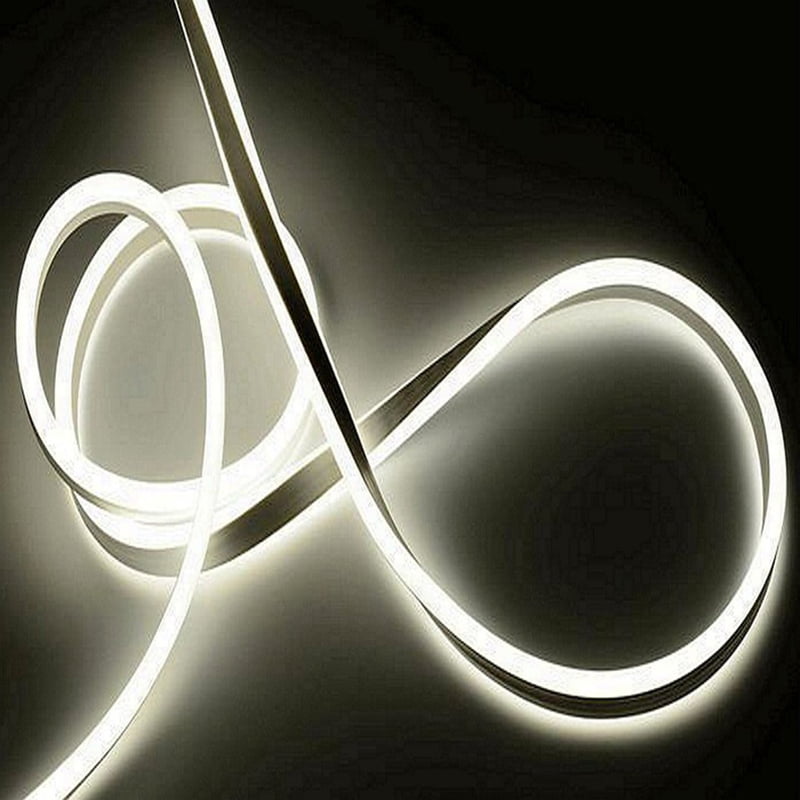
I've seen this disaster unfold dozens of times. A contractor installs beautiful linear lighting in custom cabinetry, only to receive angry calls three months later about dimming and discoloration. The problem isn't the design—it's the engineering shortcuts4 hidden inside those sleek 3x6mm profiles.
What Makes 3x6mm Flexible LED Neon Strips So Prone to Failure?
The appeal is obvious: ultra-narrow profiles create stunning linear effects where standard LED strips simply won't fit. But this miniaturization comes with a thermal challenge that separates professional-grade products from cheap alternatives.
The core issue is heat density. When you compress 8.5 watts of power into a 3mm-wide PCB circuit board, thermal energy5 has nowhere to escape. In poorly engineered strips, this heat accumulation triggers a cascade of failures: LED chip degradation6, solder joint weakening7, and most visibly, silicone yellowing8.
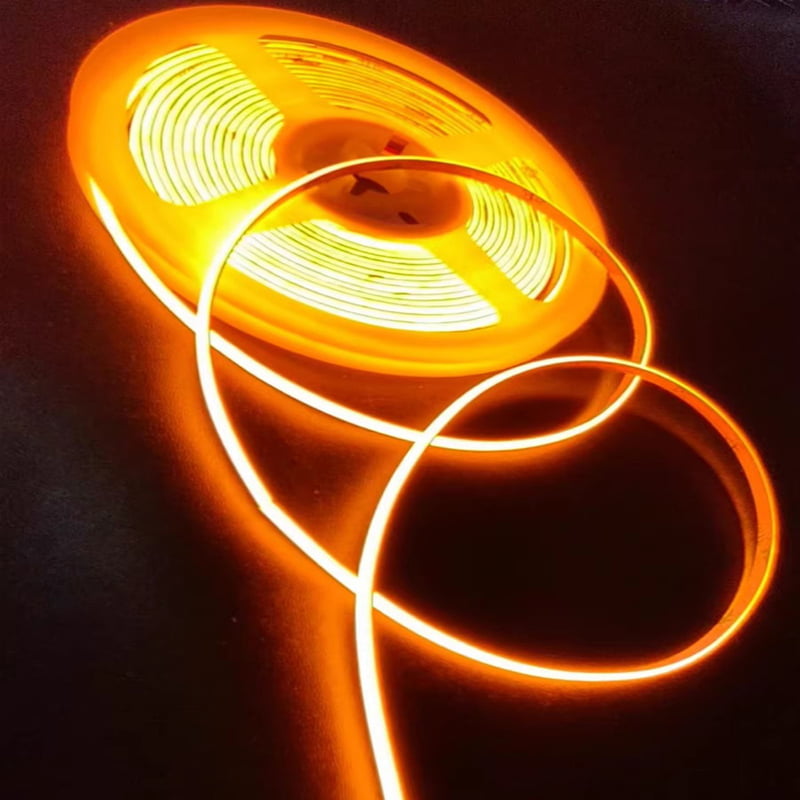
The Engineering Reality of Ultra-Slim LED Strips
Let me break down what happens inside a failing 3x6mm strip:
| Component | Standard (Failing) Spec | Professional Spec | Impact on Longevity |
|---|---|---|---|
| PCB Copper Thickness | 1oz (35μm) | 2-3oz (70-105μm) | 3x longer thermal lifespan |
| Silicone Material | PVC or low-grade silicone | Food-grade molecular silicone | Prevents yellowing at 60°C |
| Internal Air Gaps | Common in fast extrusion | Zero-bubble precision molding | Eliminates thermal barriers |
| Current Distribution | Uneven (voltage drop) | High-purity electrolytic copper | Consistent brightness across 5m runs |
The difference between a strip that lasts 10,000 hours and one that fails at 2,000 hours comes down to these invisible specifications. I learned this the hard way when a hotel project in Singapore came back to us after their previous supplier's strips lost 30% brightness in just three months of operation.
The installation was perfect—recessed aluminum channels, proper power distribution, everything by the book. But the strips themselves used 1oz copper and cheap PVC coating. The heat had nowhere to go in those enclosed channels, and the PVC started breaking down almost immediately.
We replaced them with our 3oz copper, food-grade silicone strips. Same installation environment, same operating hours. One year later, they're still running at full brightness. The only difference was the internal engineering that you can't see on a specification sheet.
How Do You Identify a Thermally Stable 3x6mm LED Neon Strip?
Most buyers focus on price per meter and lumen output. Those numbers mean nothing if your installation fails before the warranty expires. Here's what actually matters when evaluating ultra-slim LED strips for professional projects.
First, demand transparency on PCB copper weight9. If a supplier won't provide this specification in writing, walk away. Quality manufacturers use 2oz or 3oz rolled copper specifically to create thermal pathways in constrained spaces. This isn't a luxury feature—it's fundamental physics.
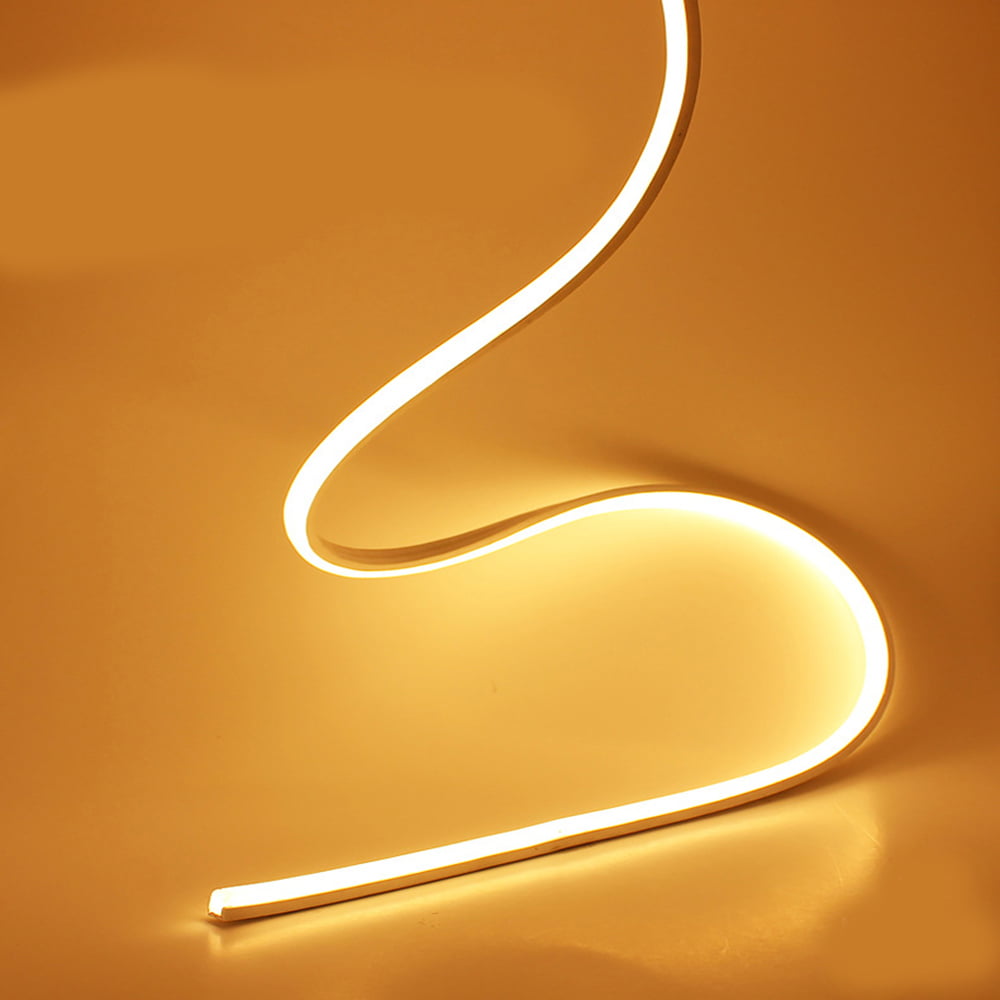
The Material Science Behind Silicone vs. PVC
PVC is cheaper to extrude and easier to work with. It's also completely unsuitable for high-density LED applications. Here's why:
PVC has a thermal decomposition temperature around 70°C. In a 3x6mm strip running at 8.5W/m in an enclosed channel, surface temperatures easily reach 55-60°C. At sustained high temperatures, PVC releases plasticizers, causing that characteristic yellowing and brittleness.
Food-grade silicone, by contrast, maintains its molecular structure up to 200°C. It doesn't yellow, doesn't release gases, and actually helps dissipate heat through its superior thermal conductivity. The material cost is higher, but the performance difference is dramatic.
I remember a lighting designer calling me in frustration. She'd specified "silicone LED neon" for a luxury retail project, but six months later, the white strips had turned noticeably yellow. When we examined a sample, it was obvious—the supplier had used PVC with a thin silicone coating to pass visual inspection.
Real silicone extrusion requires specialized equipment and precise temperature control. You can't fake it with surface treatments. That's why we invested in dedicated silicone extrusion lines rather than trying to retrofit PVC equipment. The quality difference shows up in accelerated aging tests10—our strips maintain color stability through 3,000 hours at 60°C, while PVC-based alternatives start yellowing after 500 hours.
Why Does Internal Air Bubble Formation Destroy LED Strip Performance?
This is the silent killer that most people never consider. During the extrusion process, air can become trapped between the LED circuit board and the outer silicone layer. These microscopic air pockets act as thermal insulators, creating hot spots that accelerate LED degradation.
Professional-grade manufacturing uses vacuum-assisted extrusion11 to eliminate air entrapment. The difference is measurable: strips with zero internal bubbles run 8-12°C cooler under identical conditions compared to conventionally extruded products.
The Real-World Cost of Thermal Failure
Let's talk about what happens when you choose the wrong 3x6mm LED strip for a commercial installation. The strip itself might cost $8-12 per meter. But consider the total project cost:
Installation labor, custom aluminum channels, power supplies, control systems, and most importantly, the client relationship. When those strips start failing, you're not just replacing $500 worth of LEDs. You're paying for:
- Removal of architectural finishes12 to access the installation
- Complete strip replacement (partial fixes don't work)
- Recalibration of lighting controls
- Client compensation for downtime
- Damage to your reputation and future referrals
I've seen projects where the replacement cost exceeded $15,000 for installations that used less than $2,000 in LED strips. All because someone chose based on initial price rather than thermal engineering.
What Specifications Should You Actually Demand From Your Supplier?
Stop accepting vague promises and generic datasheets. Here's the checklist I use when qualifying suppliers for critical projects:
Copper thickness certification: Demand mill test certificates showing 2oz or 3oz copper weight. Not typical, not standard—actual measured thickness with batch traceability.
Silicone composition analysis: Request MSDS documentation13 proving food-grade, high-molecular-weight silicone. Look for specific gravity above 1.1 and Shore A hardness14 between 60-70.
Thermal imaging data: Any serious manufacturer should provide thermal camera results showing maximum surface temperature under rated load in still air conditions.
Accelerated aging reports: Ask for test results showing lumen maintenance after 3,000 hours at elevated temperature (minimum 55°C ambient). Anything less than 90% lumen retention is unacceptable.
The Questions Most Suppliers Hope You Won't Ask
When I'm vetting a new manufacturing partner or component supplier, I ask these specific questions:
What is your PCB supplier's quality certification? Generic answers like "ISO certified" mean nothing. I want to know if they're using FR-4 grade board with controlled copper thickness2 variation.
How do you verify zero air bubble formation? If they can't describe their quality control process for detecting internal voids, they're not controlling for them.
What is your actual failure rate in the first 2,000 operating hours? Honest manufacturers track this data. If they claim zero failures, they're either lying or not paying attention to field performance.
Can you provide thermal derating curves15 for different installation conditions? This tells me they've actually tested their products in realistic scenarios, not just ideal laboratory conditions.
These questions make suppliers uncomfortable because they expose the difference between marketing claims and engineering reality. But they're exactly the questions that protect your projects from catastrophic failure.
How We Engineer 3x6mm LED Strips to Survive Extreme Conditions
Our approach starts with acknowledging the fundamental challenge: you cannot cheat thermodynamics. Heat must be managed, not ignored.
We use custom-designed PCB layouts with 3oz electrolytic copper and optimized trace width to maximize thermal conductivity within the 3mm constraint. This isn't off-the-shelf circuitry—it's engineered specifically for high-density thermal loads.
The Manufacturing Process That Makes the Difference
Standard extrusion runs at high speed to maximize output. We deliberately slow our process by 40% to ensure complete silicone flow and air evacuation. This reduces our production capacity, but it eliminates the thermal barriers that cause premature failure.
Every batch undergoes thermal cycling16 before shipment: 8 hours at 60°C, followed by rapid cooling to -20°C, repeated for three cycles. Strips that survive this stress test will handle real-world installation conditions without degradation.
I mentioned the Singapore hotel project earlier. That replacement wasn't just about swapping products—it was about understanding why the original installation failed and engineering a solution that addressed the root cause.
The client was understandably skeptical. They'd already paid once for "premium" LED strips that failed spectacularly. I didn't try to sell them on specifications. Instead, I sent samples and said, "Install these in your harshest environment and monitor them for 90 days. If they show any degradation, we'll refund everything and pay for removal."
They installed our strips in the same enclosed display cases where the previous strips had failed. Three months later, thermal imaging showed our strips running 11°C cooler. One year later, zero complaints. That's not marketing—that's engineering doing its job.
Conclusion
Ultra-slim 3x6mm LED neon strips can deliver stunning design results, but only when the invisible engineering matches the visible aesthetics. Demand thermal specifications, not just brightness claims, and your projects will thank you.
Explore the advantages of 3x6mm flexible LED neon strip lights for stunning designs and efficient lighting. ↩
Understanding copper thickness can help you choose LED strips that last longer and perform better. ↩
Learn about the benefits of food-grade silicone extrusion for durability and performance in LED strips. ↩
Explore the risks associated with engineering shortcuts in LED strip production and their impact on quality. ↩
Learn about the effects of thermal energy on LED strip performance and longevity. ↩
Find out the factors leading to LED chip degradation and how to prevent it. ↩
Explore the impact of solder joint weakening on the reliability of LED strip installations. ↩
Understand the reasons behind silicone yellowing and how to avoid it in your projects. ↩
Explore the significance of PCB copper weight in enhancing thermal management in LED strips. ↩
Find out how accelerated aging tests ensure the durability and reliability of LED strips. ↩
Discover how vacuum-assisted extrusion improves the quality and performance of LED strips. ↩
Learn about the relationship between architectural finishes and the success of LED strip installations. ↩
Understand the importance of MSDS documentation in ensuring safety and quality in LED materials. ↩
Explore how Shore A hardness affects the performance and durability of silicone in LED strips. ↩
Discover how thermal derating curves can inform you about LED strip performance under different conditions. ↩
Find out how thermal cycling tests can predict the longevity of LED strips in real-world conditions. ↩