

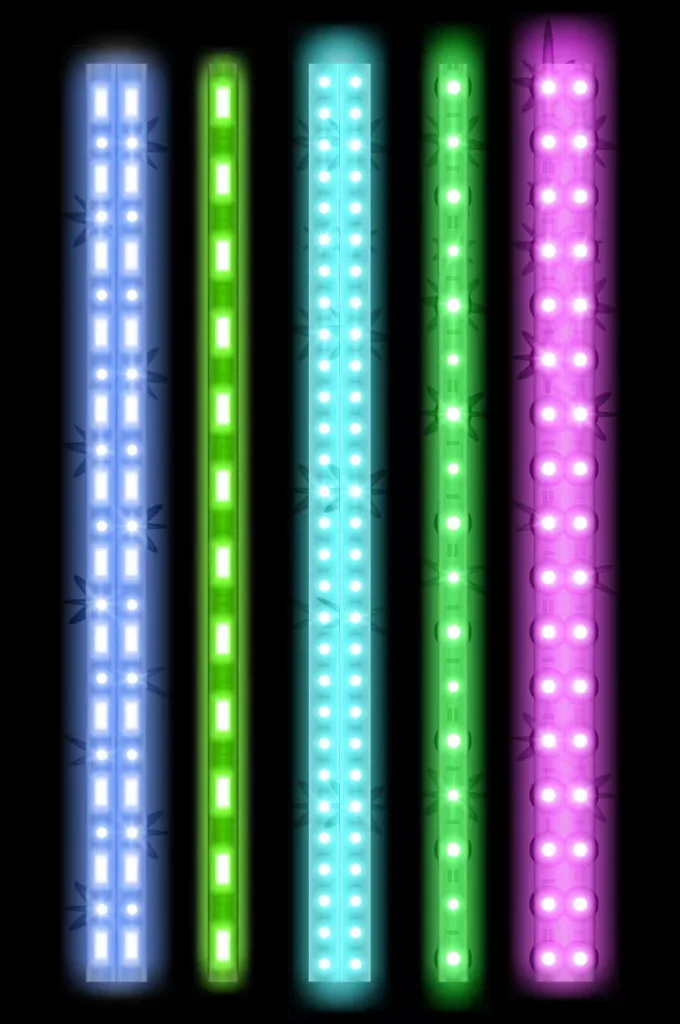
What is the LED light strip, and where is it generally used?
LED light strips are versatile and efficient lighting solutions used in various applications. These compact, flexible strips house light-emitting diodes (LEDs) that provide bright illumination with low energy consumption. Whether you're designing ambient lighting for a home or adding visibility to outdoor spaces, LED light strips offer a customizable and cost-effective option that’s easy to install and adaptable for different lighting needs.
An LED light strip is a flexible circuit board populated with LEDs designed for linear lighting applications. It’s commonly used for architectural accent lighting, home interior design, signage, outdoor illumination, and more.
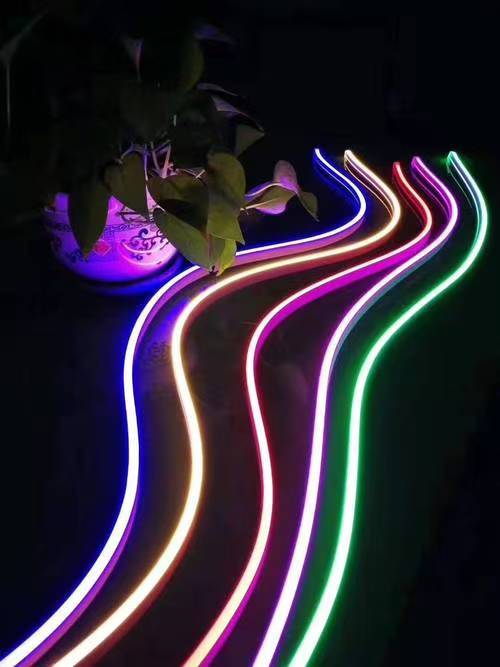
Unlike traditional lighting solutions, LED strips are appreciated for their ease of customization and variety of use cases. So, what are the specific types of LED light strips, and where are they most effectively used? Let’s explore the details below.
What are the types of LED light strips?
LED light strips come in high-voltage (220V) and low-voltage (12V or 24V) formats. Each type has distinct advantages and practical use cases, depending on the environment and installation requirements.
High-voltage LED light strips (220V):
High-voltage options are especially appealing due to their simple installation and cost-efficiency. With a straightforward plug-and-play system, these strips can be connected directly to a power outlet or integrated with live and neutral wires, making them excellent for large-scale or high-luminance outdoor lighting applications.
This type is perfect for:
- Outdoor signage lighting
- Building facades and architectural highlights
- Large-scale event spaces
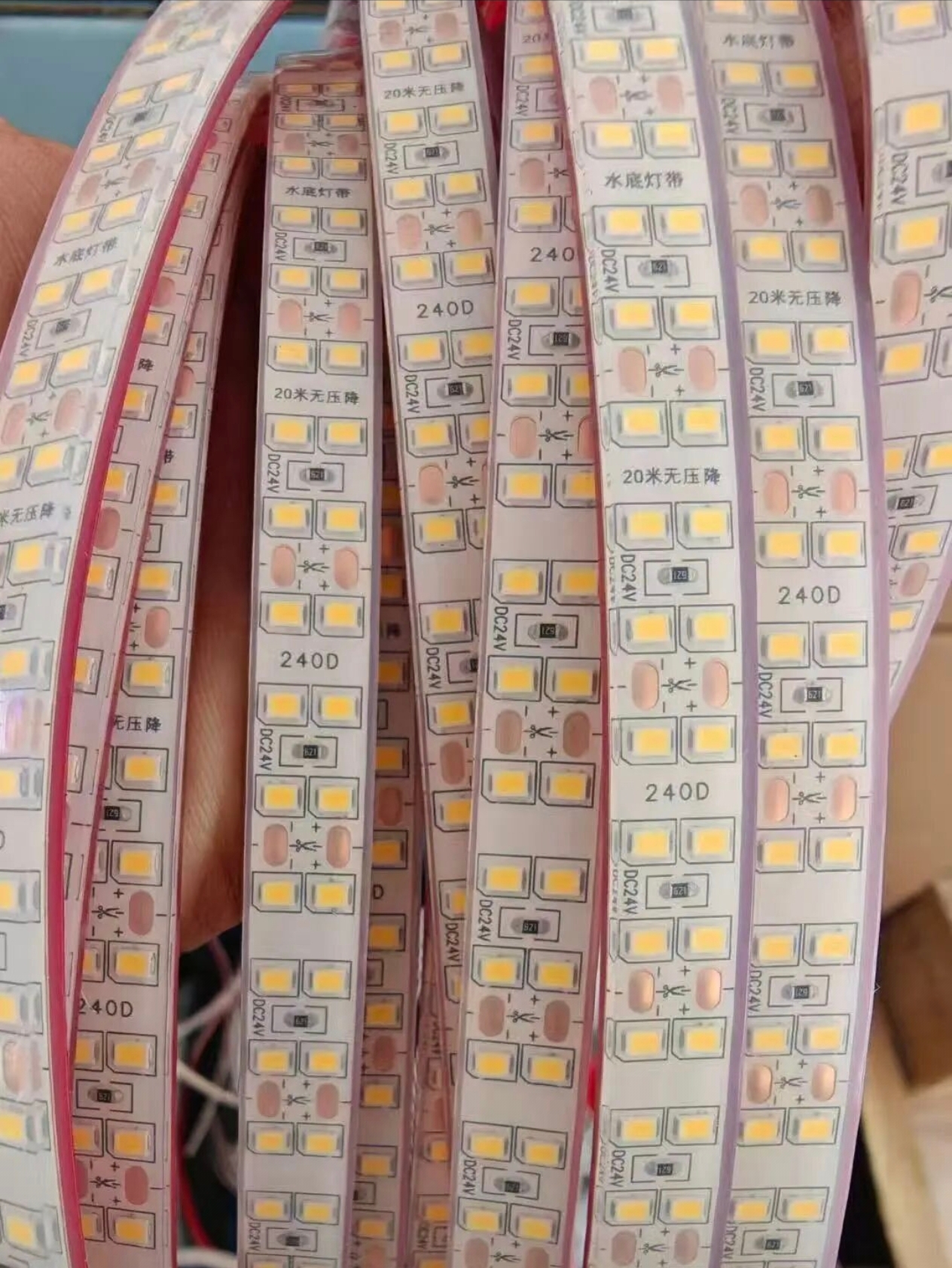
Low-voltage LED light strips (12V and 24V):
Low-voltage strips require a transformer to operate but offer greater versatility for home interiors and shorter-distance applications. Among these, 24V LED light strips are better suited for longer installations, such as ceiling-mounted fixtures, due to minimal voltage drop. Meanwhile, 12V strips work well in compact spaces like kitchen counters or wardrobe lighting.
Examples of application:
- 24V LED strips: Ambient lighting for ceilings, staircases, or extended installations
- 12V LED strips: Spot lighting for cabinets, countertops, or closets
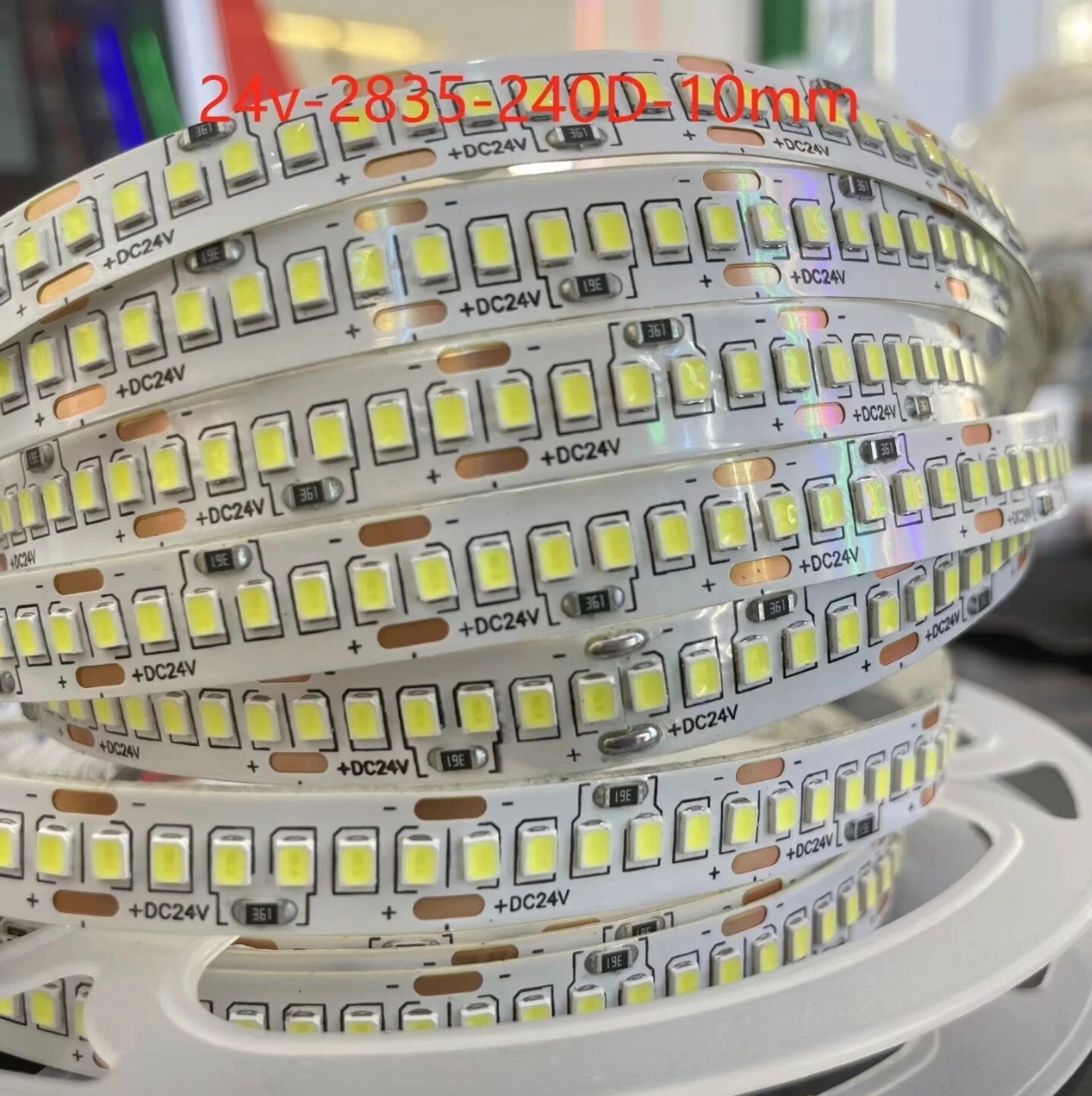
Comparing the advantages of high and low-voltage LED light strips
| Type | Voltage | Installation Complexity | Best-Suited Applications | Key Benefits |
|---|---|---|---|---|
| High-voltage LEDs | 220V | Simple | Outdoor lighting, facade lighting | Cost-efficient, plug-and-play |
| Low-voltage LEDs | 12V or 24V | Requires transformer | Indoor lighting and short-distance | Precision lighting and versatility |
When evaluating which type to use, you should consider factors like voltage drop, installation simplicity, and the lighting environment.
Where are LED light strips generally used?
LED light strips are utilized across a wide range of industries and spaces. Their flexibility, brightness, and customizable design make them a go-to lighting solution for professionals and hobbyists alike.
Common applications for LED light strips:
- Home interiors: Adding ambiance and attractive lighting accents to ceilings, staircases, and under furniture. For example, using 24V strips for living-room cove lighting or 12V strips in a kitchen’s cabinet area.
- Outdoor areas: High-voltage LED strips regularly illuminate garden paths, building facades, and signage displays due to their weather-resistant designs and robust brightness.
- Commercial spaces: Retail stores, restaurants, and event venues benefit from LED strips to create sophisticated lighting ambience, direct attention to products, or accentuate decorative features.
- Architectural designs: Modern constructions often integrate LED lighting into facades, staircases, or landscape features to achieve unique aesthetics.
- Signage and advertising: Flexible LED strips frequently highlight signs or channel letters to draw attention effectively.
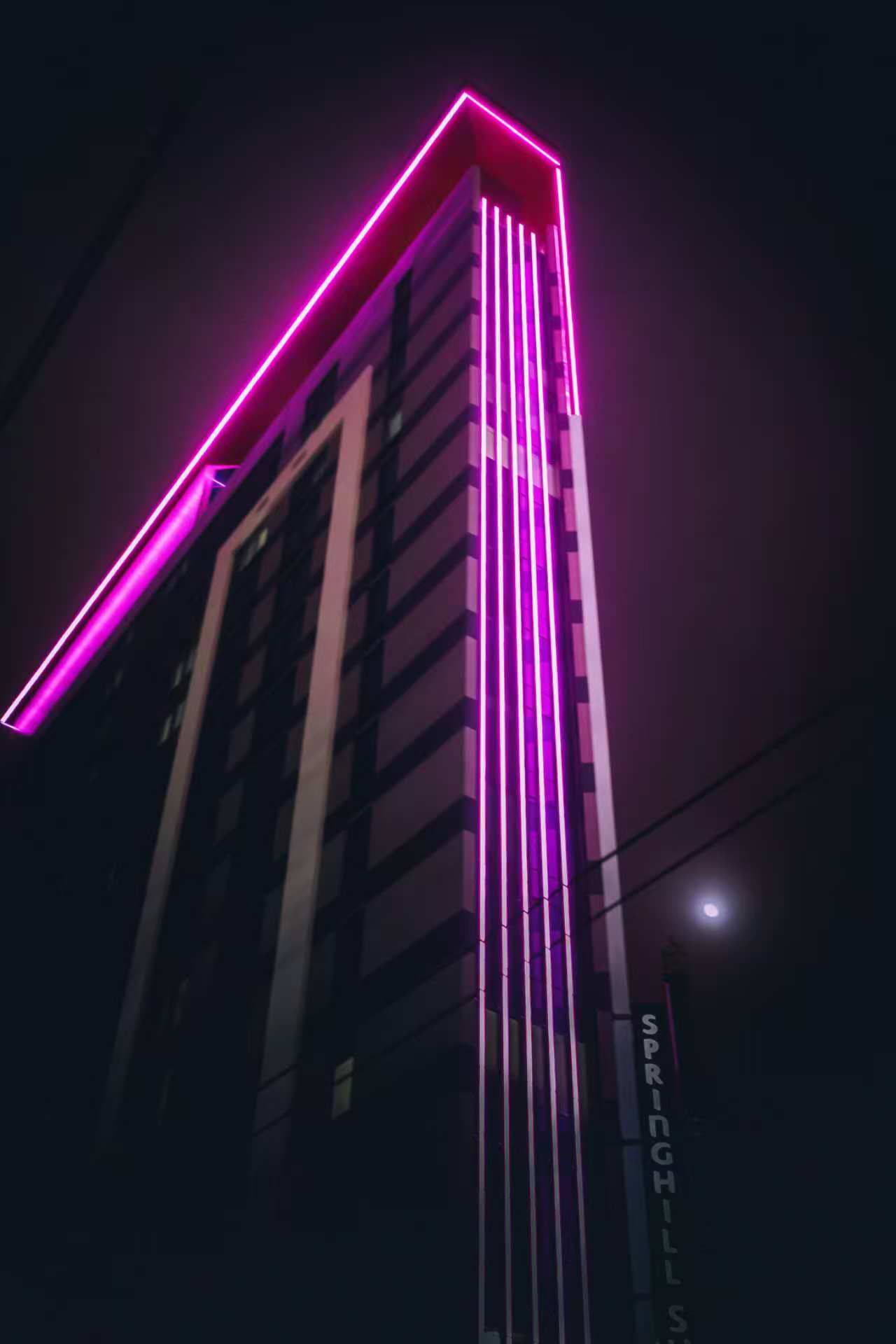
Use case examples for home and business applications
- Decorative ceiling lighting (24V, low voltage): Perfect for indirect lighting above ceiling coves or suspended panels, offering extended coverage without dimming.
- Under-cabinet lighting (12V, low voltage): Adds functional lighting on countertops, making every corner usable and well-lit.
- Facade illumination (220V, high voltage): Quickly installed lighting systems to highlight outdoor architectural features.
By choosing high-quality LED strips, businesses and homeowners can tailor their lighting setups to specific needs, whether for aesthetics or practical use.
Key benefits motivating widespread LED light strip adoption:
- Energy efficiency: LED lighting consumes significantly less power compared to incandescent or fluorescent alternatives.
- Durability: Many LED strips are engineered to handle extreme environmental conditions, with anti-UV protection and weather resistance.
- Customizability: Available in varying color temperatures, lengths, and brightness levels to suit diverse lighting scenarios.
- Cost-effectiveness: With high-grade silicone designs ensuring longevity, upfront investments yield long-term savings.
These advantages make LED strips a preferred solution for modern lighting demands.
Frequently Asked Questions
How can I connect high-voltage LED strips directly to power?
High-voltage 220V LED strips can plug directly into a wall outlet or connect to live and neutral wires for installation. They require no transformers, making setup fast and simple.
What type of LED strip should I choose for long-distance lighting?
For extended applications like ceiling cove lighting, 24V LED strips are ideal because they reduce voltage drop over longer runs and maintain consistent brightness throughout.
Are LED strips suitable for outdoor use?
Yes, many high-voltage strips are designed for outdoor applications. Look for waterproof, UV-resistant silicone coatings to ensure durability in exposed conditions.
Can low-voltage LED strips be cut to shorter lengths for customization?
Absolutely! Most 12V and 24V LED strips come with clearly marked "cut points," allowing you to tailor the length to your specific installation needs.
What’s the primary difference between 12V and 24V LED strips?
The main difference is voltage drop. 24V strips are better for longer installations due to reduced power loss, while 12V strips are more suitable for compact, close-proximity setups.
Conclusion
LED light strips are versatile lighting tools used for both commercial and residential applications. Whether you need high-voltage strips for bright outdoor setups or low-voltage strips for ambient indoor lighting, they offer energy-efficient and highly customizable solutions. At Shenzhen Alister Technology Limited, our silicone LED strips are built to last, delivering exceptional performance in extreme lighting environments.
We specialize in durable, anti-UV, weather-resistant products suitable for projects ranging from bulk lighting installations to precision interior designs. If you’re seeking expert OEM/ODM manufacturing support for your next LED lighting project, contact us today!