
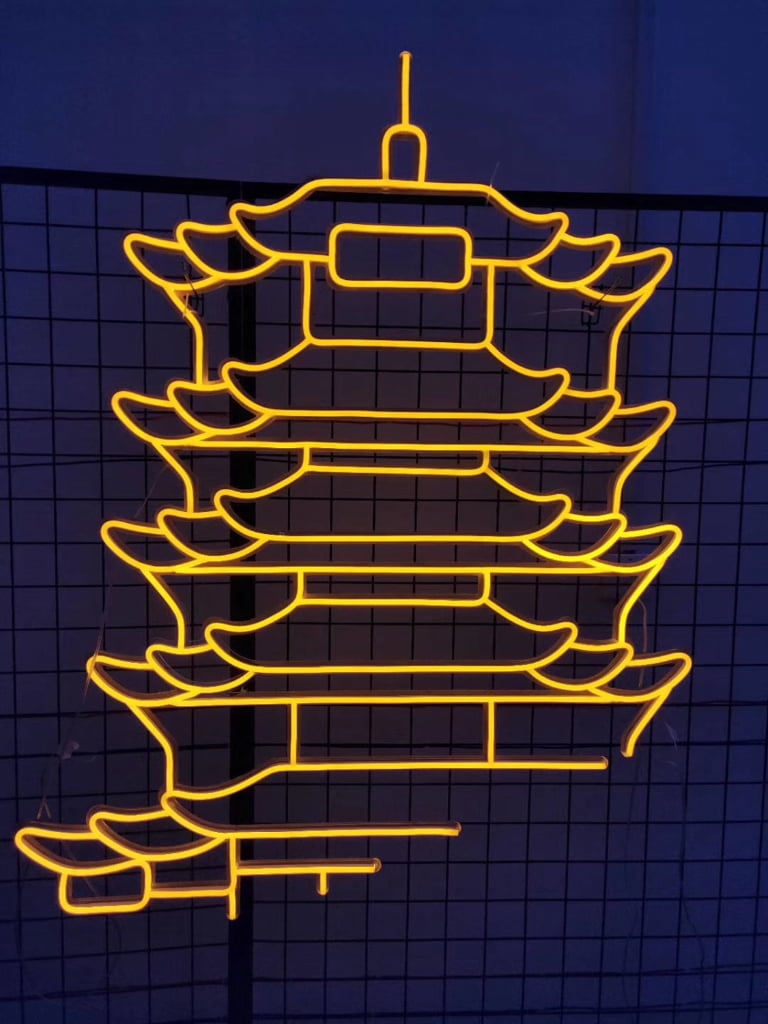
Outdoor neon flex signs1 look stunning when first installed, but many start yellowing and cracking within months. This widespread issue frustrates businesses and damages brand image, costing thousands in replacements.
The key to long-lasting neon flex signs1 lies in the silicone material quality. High-grade LSR (Liquid Silicone Rubber2) with proper UV stabilizers3 maintains clarity and flexibility for 5+ years, while low-grade materials degrade within months.
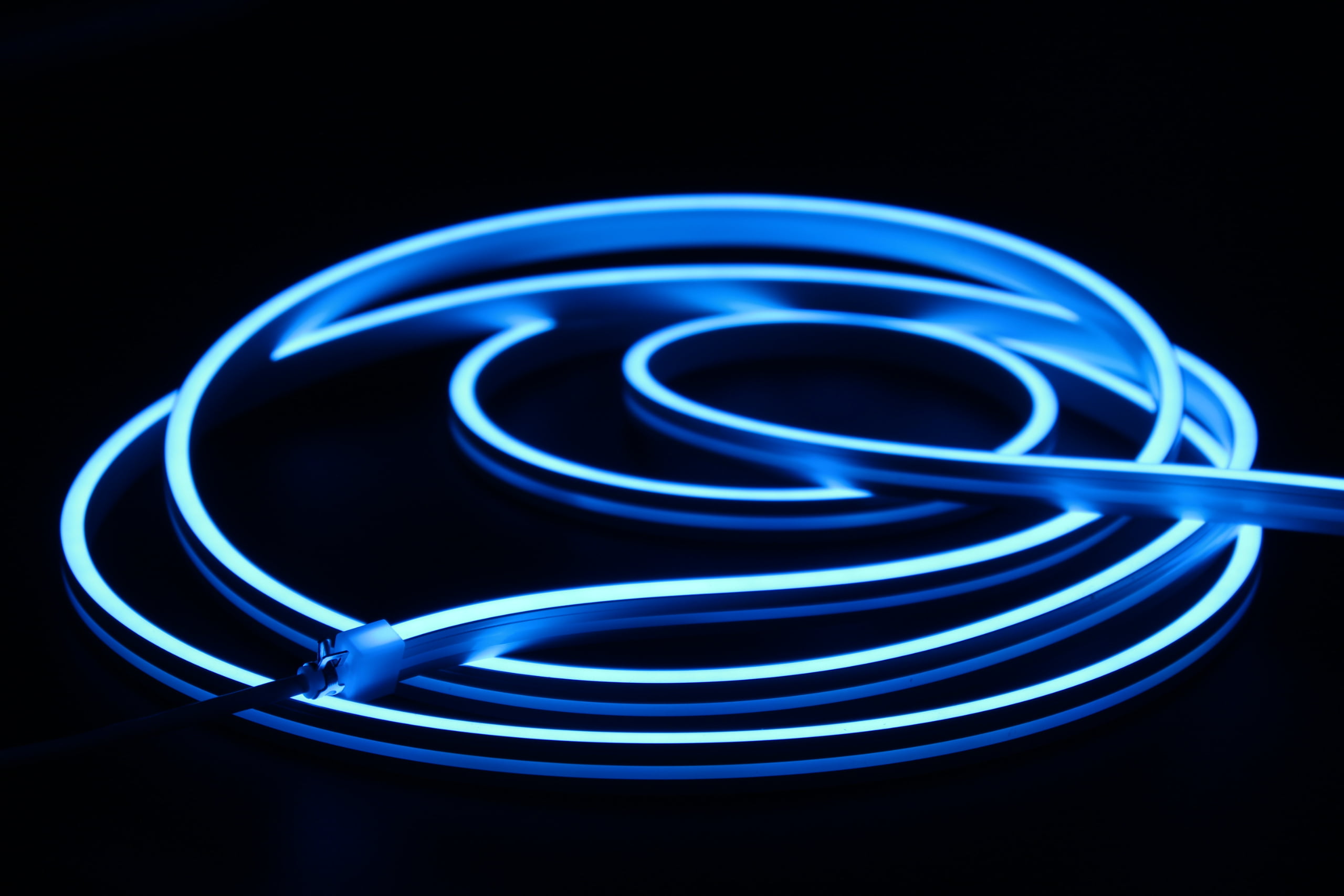
When selecting neon flex signs1 for outdoor use, material quality makes all the difference between a lasting investment and premature failure. Let's explore how to identify truly durable options.
Why Do Some Neon Flex Signs Yellow So Quickly?
Many suppliers claim to use "food-grade silicone" but cut corners with cheap curing agents and fillers. The results become painfully visible within 6 months of outdoor installation.
Quality degradation in neon flex signs1 manifests as yellowing, micro-cracks, reduced light transmission, and overall "dirty" appearance. This happens when low-grade materials break down under UV exposure and temperature cycling4.
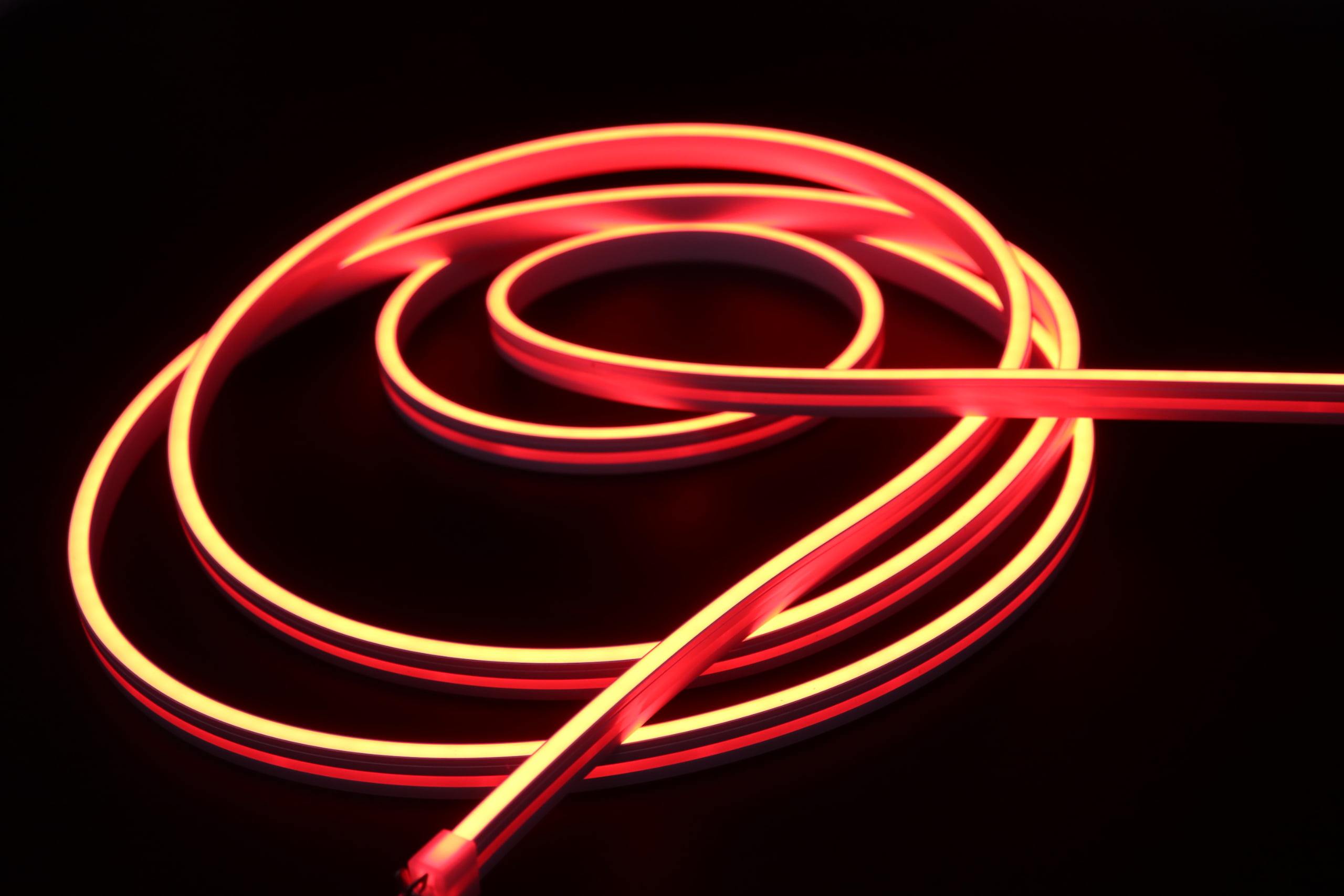
The Science Behind Neon Flex Degradation
Understanding why neon flex signs1 degrade helps in selecting better products:
Temperature Impact
| Temperature Range | Effect on Low-Grade Silicone | Effect on High-Grade LSR |
|---|---|---|
| Below 40°C | Minimal degradation | Stable performance |
| 40-50°C | Begins yellowing | Maintains clarity |
| Above 50°C | Rapid deterioration | Minimal change |
UV Resistance Testing
The industry standard QUV accelerated weathering test provides objective data:
- Standard requirement: ΔE (color difference) < 3 after 24 hours
- Low-grade materials: ΔE > 5 (visible yellowing)
- Premium LSR: ΔE < 2 (maintains clarity)
What Makes Premium Neon Flex Signs Different?
Last year, a client from the Middle East faced severe yellowing issues with their previous supplier's products in their harsh climate.
Premium neon flex signs1 use dual-component LSR (Liquid Silicone Rubber2) with enhanced molecular stability. This material maintains flexibility and clarity even under extreme UV exposure and temperature cycling4.
Advanced Material Engineering
The superior performance comes from several key factors:
Material Composition
- Base Material: High-purity LSR (Liquid Silicone Rubber2)
- UV Stabilizers: Advanced proprietary blend
- Curing System: Precisely controlled platinum catalyst
Quality Control Measures
- Raw material testing before production
- In-process monitoring of curing parameters
- Accelerated aging tests on finished products
- Real-world exposure testing
While premium materials increase costs by about 15%, they provide certainty for long-term projects. The true cost of outdoor lighting isn't measured at installation, but in performance over years.
Conclusion
When choosing neon flex signs1, prioritize material quality over initial cost. Premium LSR technology with proper UV stabilization ensures your installation maintains its visual appeal for years, not months.
Explore this link to discover top-rated neon flex signs that ensure durability and vibrant colors for your outdoor displays. ↩
Learn about Liquid Silicone Rubber's advantages in neon signs, ensuring longevity and resistance to environmental factors. ↩
Find out how UV stabilizers enhance the lifespan of neon signs, protecting them from yellowing and degradation. ↩
Discover the impact of temperature cycling on neon signs and how to choose materials that withstand extreme conditions. ↩