

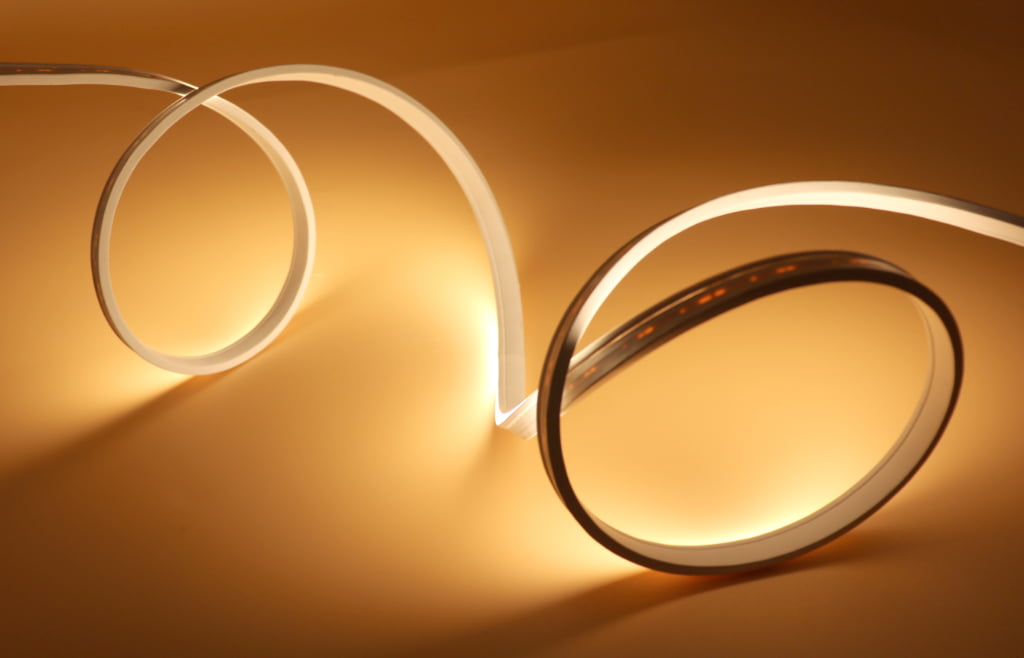
LED neon flex1 has revolutionized architectural lighting, but many face frustrating issues with uneven brightness and color shifts. I've seen countless projects compromised by poor quality flexible LED strips.
Neon flex LED is a modern lighting solution that mimics traditional glass neon using flexible LED strips encased in silicone. It provides uniform, bright illumination while being more durable, energy-efficient and versatile than glass neon tubes.
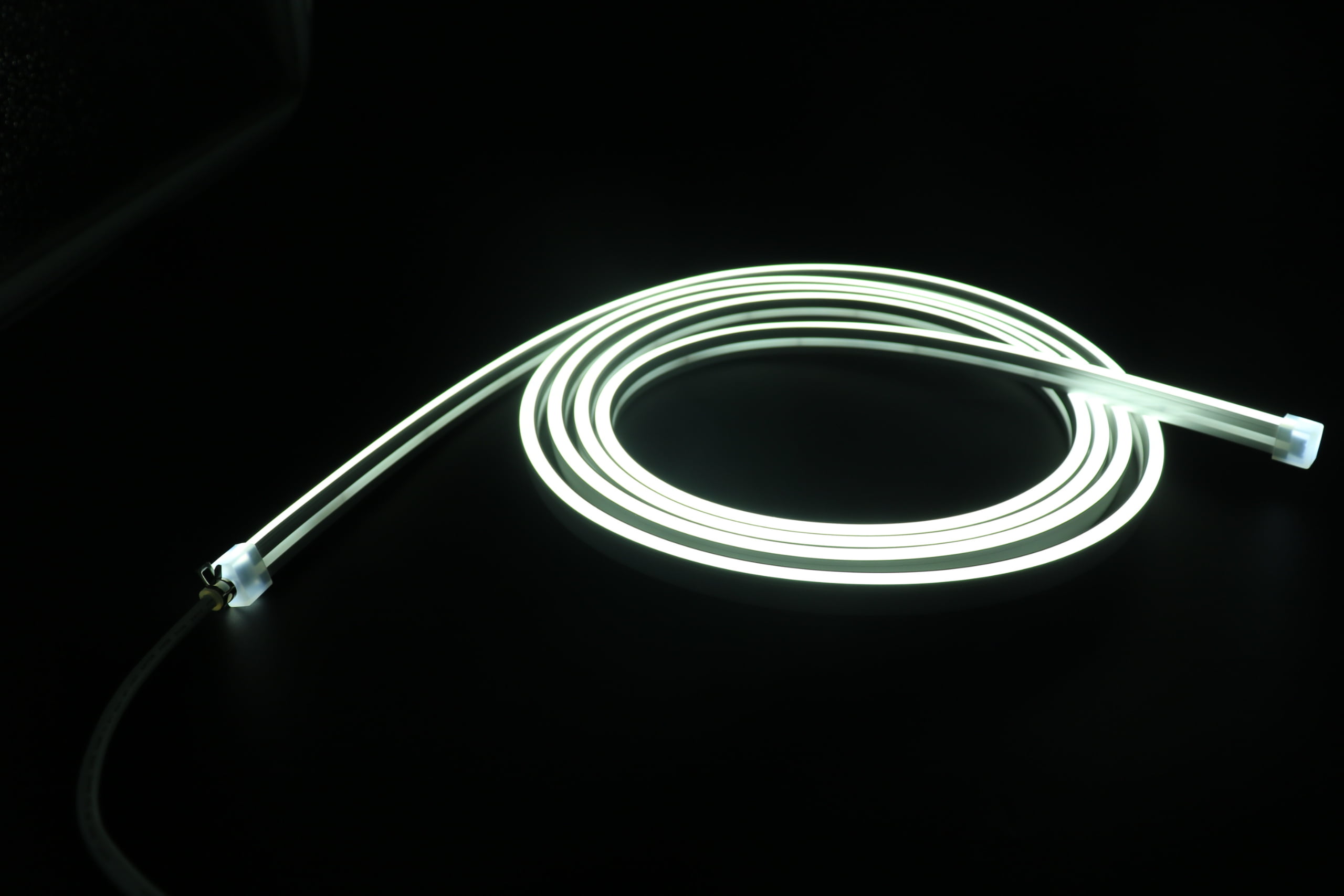
Let me share a recent customer story that highlights why quality matters when it comes to neon flex LED. A contractor installed an entire wall of LED neon lighting, only to find the section near the power source blindingly bright while the ends were dim and reddish after 5 meters.
Why do LED neon strips lose brightness over distance?
Many contractors assume dimming LED strips indicate defective LEDs. However, in my experience working with hundreds of installations, the real culprit is usually voltage drop2 - where power degrades as it travels along the strip.
Voltage drop in LED strips occurs when thin copper PCB3 traces create electrical resistance, causing brightness and color inconsistency beyond 5 meters. This is especially problematic with cheap strips using 1oz copper PCB3s instead of thicker 3oz copper.
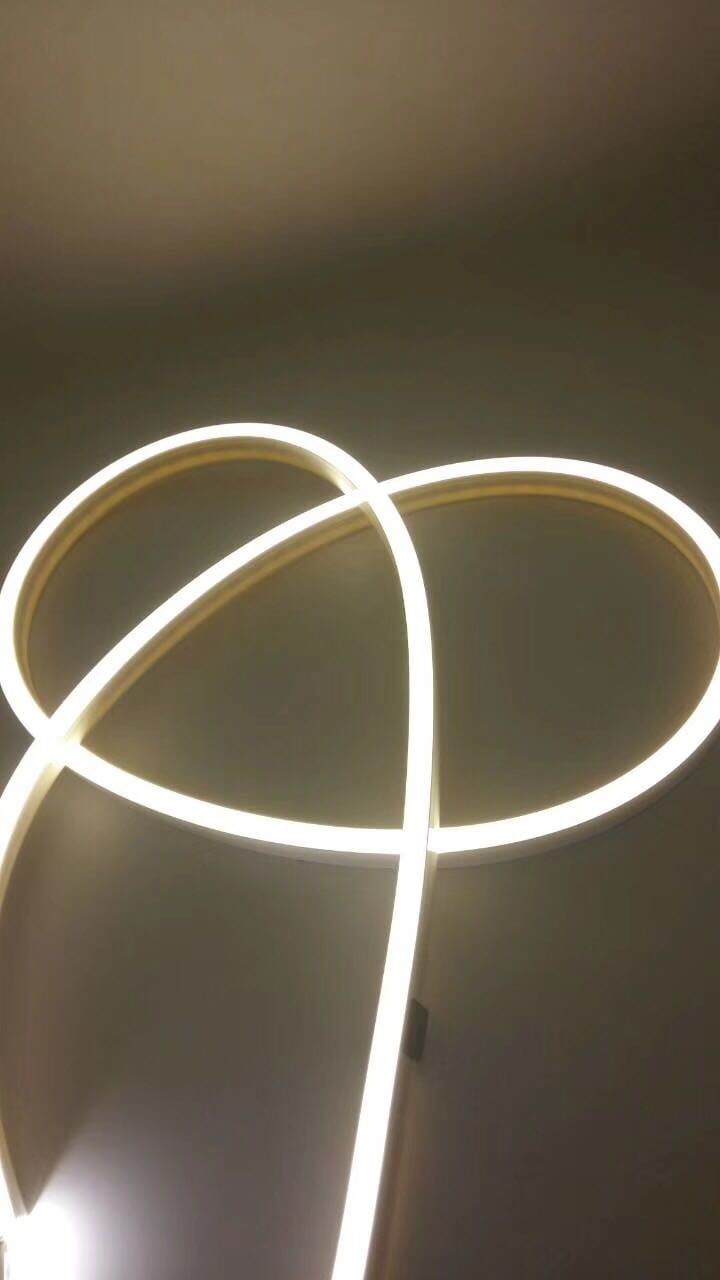
When it comes to voltage drop2, the PCB copper thickness makes all the difference. Here's a detailed breakdown of why this matters:
Impact of Copper Weight on Performance
| Copper Weight | Resistance | Max Run Length | Brightness Consistency |
|---|---|---|---|
| 1oz Standard | High | 3-5m | Poor |
| 2oz Medium | Medium | 5-8m | Good |
| 3oz Premium | Low | 8-15m+ | Excellent |
The thicker 3oz copper traces act like a multi-lane highway for electricity compared to the single lane of 1oz copper. This allows current to flow more freely with minimal loss over longer distances. Additionally, optimized circuit path design eliminates unnecessary resistance points for even more stable power delivery.
How do you ensure consistent LED neon brightness?
After years of testing different approaches, I've found that proper power system design is crucial for maintaining uniform LED neon performance.
To achieve consistent LED neon brightness, use 24V constant voltage systems4 to reduce current draw, implement constant current drivers5 to regulate power delivery, and add multiple power injection points6 for runs longer than 5 meters.
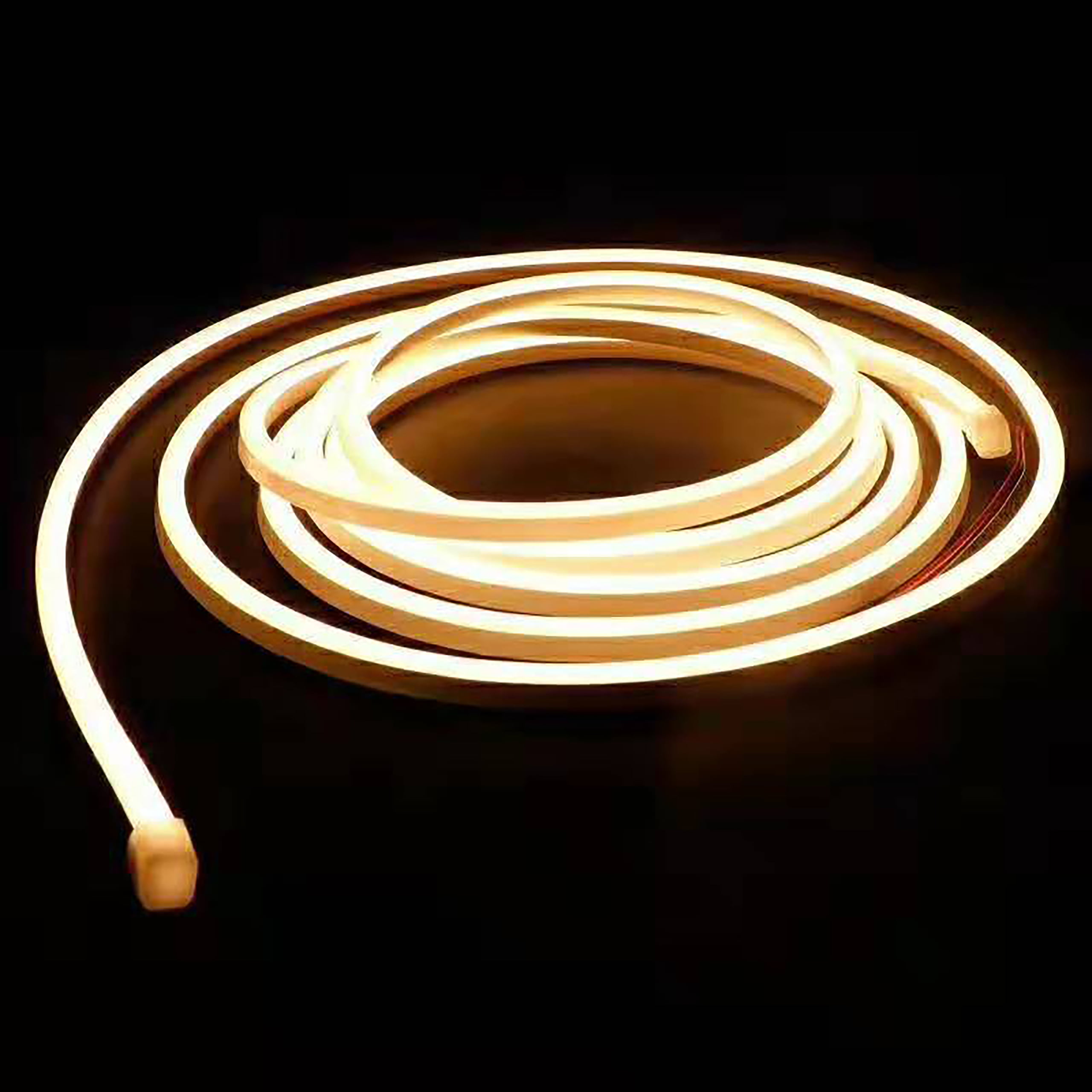
Let's explore the three main ways to optimize LED neon power delivery:
Power System Optimization Methods
| Method | How It Works | Best For |
|---|---|---|
| 24V Constant Voltage | Lower current reduces voltage drop2 | Medium length runs (5-8m) |
| Constant Current | Maintains steady power regardless of resistance | Any length, premium installations |
| Multiple Power Points | Splits power delivery into shorter segments | Long runs (8m+) |
The key is matching the power delivery method to your specific installation requirements. For example, constant current drivers5 cost more but eliminate voltage drop2 concerns entirely. Meanwhile, adding power injection points6 is a cost-effective solution for extending run lengths with existing constant voltage systems4.
Conclusion
Quality LED neon flex1 isn't just about the LEDs - it's about intelligent electrical design that ensures consistent, reliable performance across your entire installation.
Explore the advantages of LED neon flex lighting, including durability and energy efficiency, to enhance your projects. ↩
Understanding voltage drop is crucial for ensuring consistent brightness in LED installations; learn more about its causes and solutions. ↩
Discover how the thickness of copper PCBs impacts LED performance and why it matters for your lighting projects. ↩
Learn about the benefits of constant voltage systems in reducing voltage drop and ensuring consistent LED brightness. ↩
Explore the role of constant current drivers in maintaining steady power delivery for optimal LED performance. ↩
Find out how power injection points can enhance the performance of LED strips, especially for longer runs. ↩