

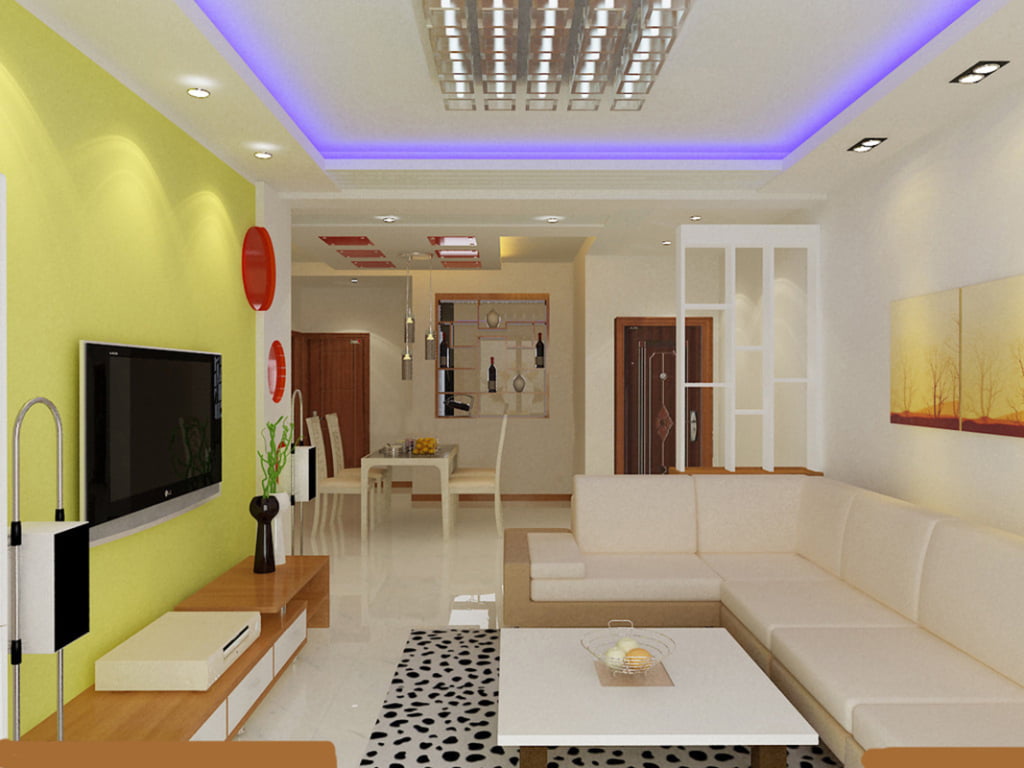
Many customers face a disappointing reality after installing LED strips in silicone channels - they can still see obvious hot spots instead of the desired dotless effect1. This common frustration often leads to wasted time and money.
To achieve a true dotless effect1 with silicone LED channels, you need the right balance between physical distance (LED to diffusion layer) and diffusion density2. The internal height should be at least 1.5x the LED spacing, combined with proper optical design3.
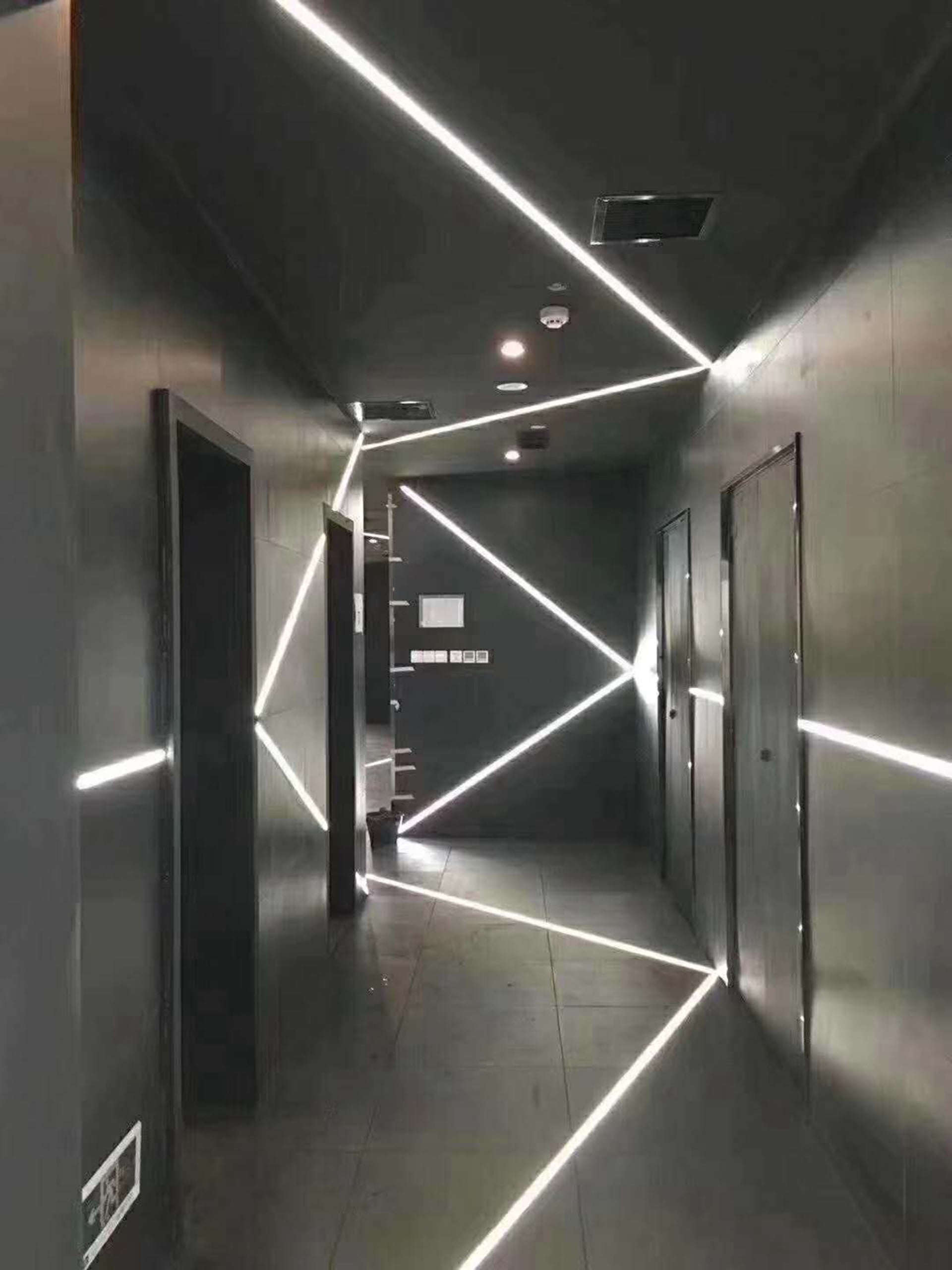
Let me share what I've learned after working with hundreds of lighting projects. The solution isn't just about getting "better silicone" - it's about understanding and optimizing the entire optical system.
Why Do Hot Spots Appear in LED Channels?
When installing LED strips, many customers blame material quality for visible hot spots. But in reality, the core issue lies in improper optical design3 that prevents adequate light mixing4.
Hot spots appear when LED chips are too close to the diffusion layer, preventing proper light mixing4. The light beams need sufficient space (at least 1.5x LED spacing) to blend before hitting the diffuser. Without this space, even high-quality diffusion materials can't eliminate spotting.
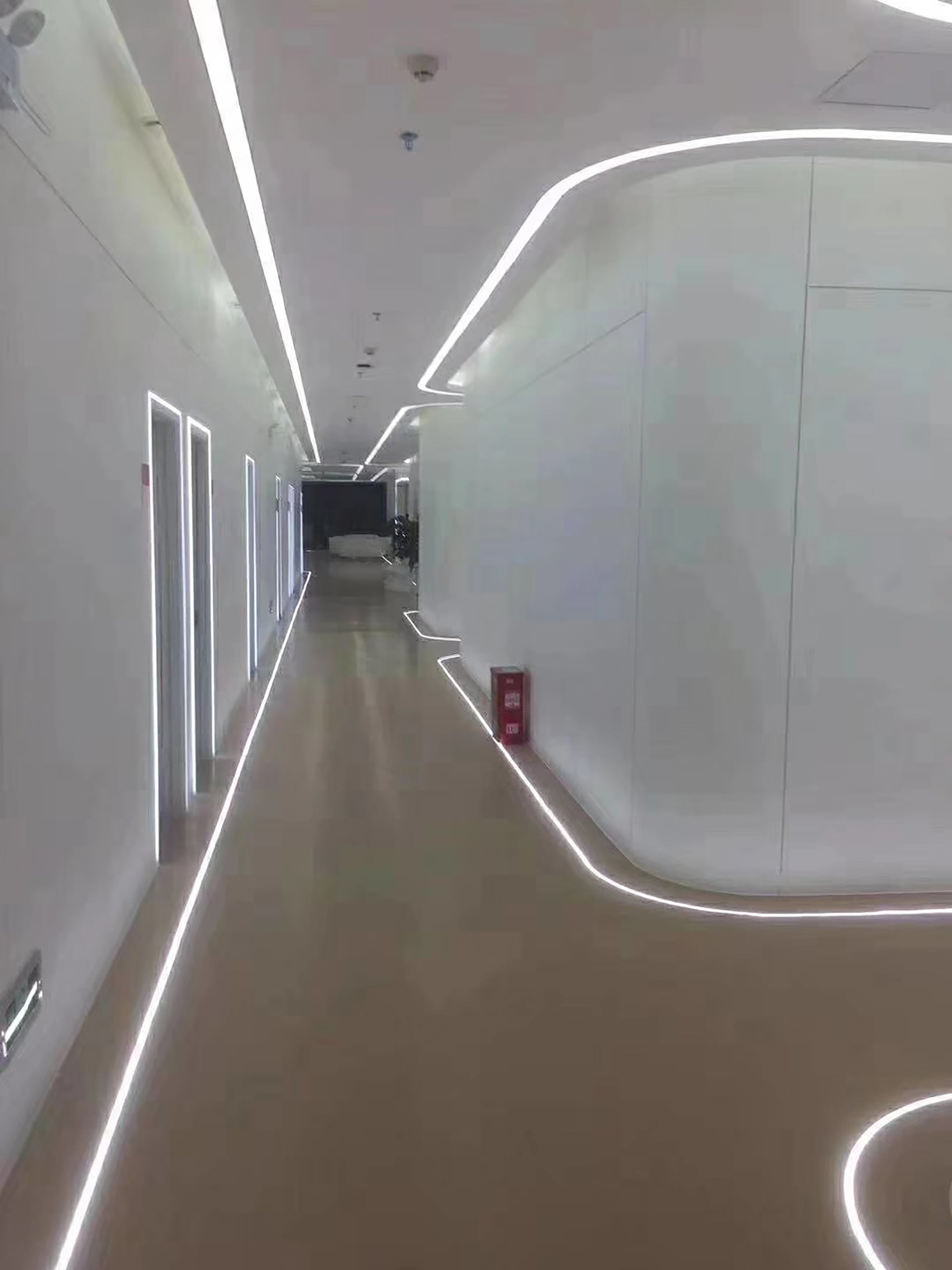
The physics behind this is fascinating. When light travels through a medium, it needs both distance and proper diffusion to create uniform illumination. Think of it like mixing paint - you need both the right ingredients and enough space to blend them properly.
Key Factors Affecting Light Distribution:
-
Internal Channel Height
- Minimum 1.5x LED spacing
- Example: For 60 LED/m strip (16.6mm spacing), need 20-25mm height
- Allows proper light mixing4 through multiple reflections
-
Material Structure
- Dual-layer co-extrusion
- High-reflective white inner layer
- Semi-transparent diffusion outer layer
-
Optical Design Parameters Parameter Optimal Range Impact Internal Height 20-25mm Light mixing space Diffusion Density 2-3% Balance of diffusion vs transmission Wall Thickness 1.5-2mm Structural stability
What's the Secret to Professional Dotless Channels?
Poor channel design forces manufacturers to compensate with excessive diffusion materials, resulting in significant light loss. This creates an impossible choice between brightness and uniformity.
The professional solution combines dual-color co-extrusion5 technology with optimized internal geometry. The white reflective inner layer maximizes light mixing4, while the precision-engineered diffusion layer ensures uniform output without excessive light loss.
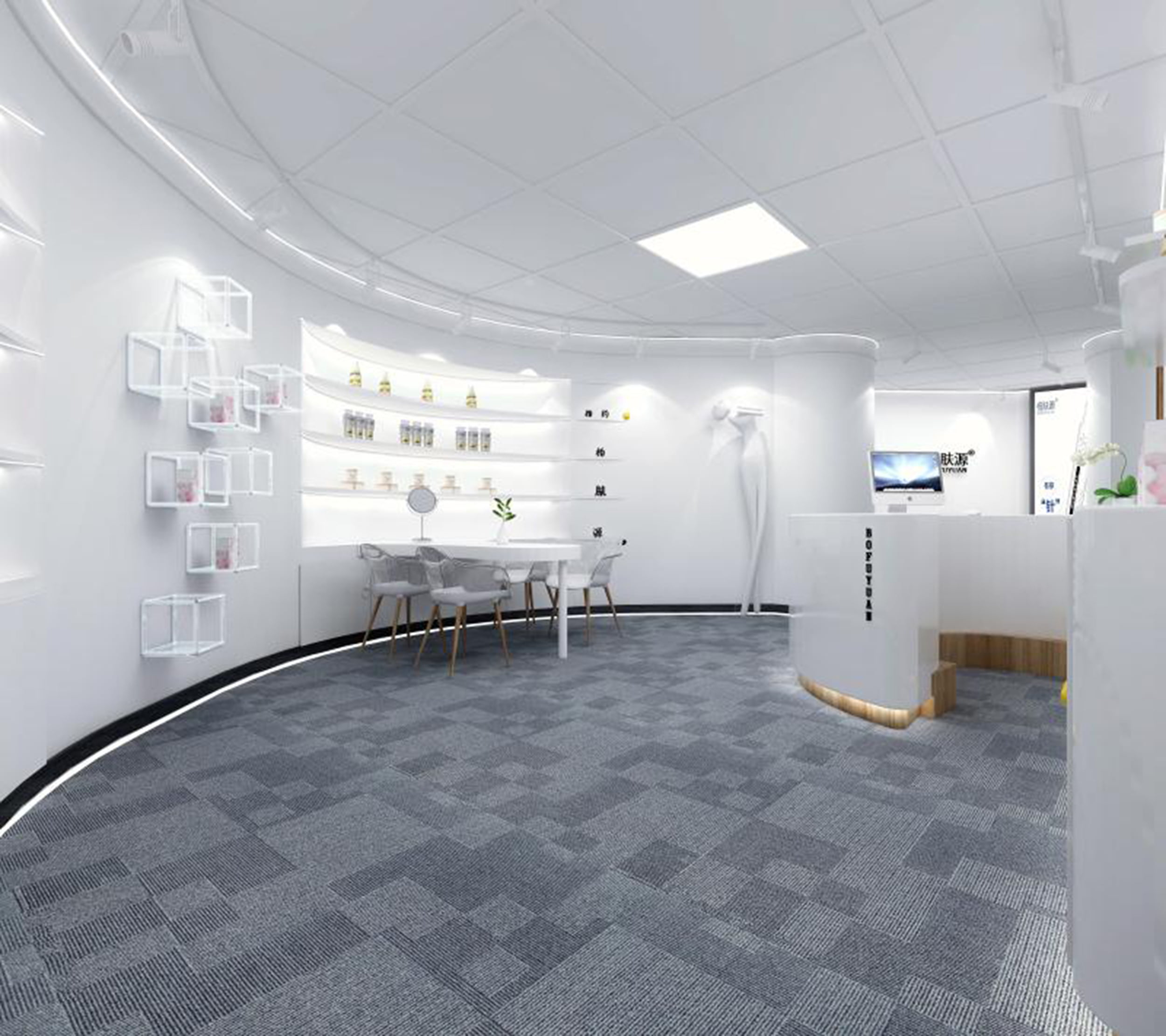
Let me break down our approach to achieving true dotless effect1s:
Optical System Design:
-
Light Mixing Zone
- Calculated internal height based on LED spacing
- Optimized reflection angles for maximum mixing
- Minimal light absorption through strategic material placement
-
Diffusion Layer Engineering
- Nano-particle diffusion agents
- Controlled particle size distribution
- Balanced transmission vs diffusion ratio
-
Performance Metrics Feature Standard Channel Professional Channel Light Efficiency 70-75% 85-90% Uniformity ±20% ±10% Viewing Angle 120° 180°
Conclusion
Creating truly dotless LED channels requires careful balance of physical structure, material properties, and optical engineering - not just better silicone. Success comes from treating it as an integrated optical system rather than individual components.
Understanding the dotless effect is crucial for achieving uniform lighting in your projects. ↩
Discover how diffusion density impacts light distribution and uniformity in LED channels. ↩
Explore how optical design can enhance your LED lighting projects and eliminate hot spots. ↩
Learn about light mixing techniques to improve illumination quality in LED installations. ↩
Find out how dual-color co-extrusion can enhance light mixing and reduce hot spots. ↩