


Last year, a client complained about their LED neon flex installation looking like a "ribcage" - alternating bright and dark sections with visible LED dots inside. This common issue can ruin the aesthetic of any lighting project.
To eliminate the "ribcage effect1" in LED neon flex installations, focus on three key factors: proper cutting unit alignment with optical structure, optimal LED density2 (120-160 LEDs/m), and controlled silicone extrusion process3 with stable tension. This ensures uniform light distribution without visible dots.
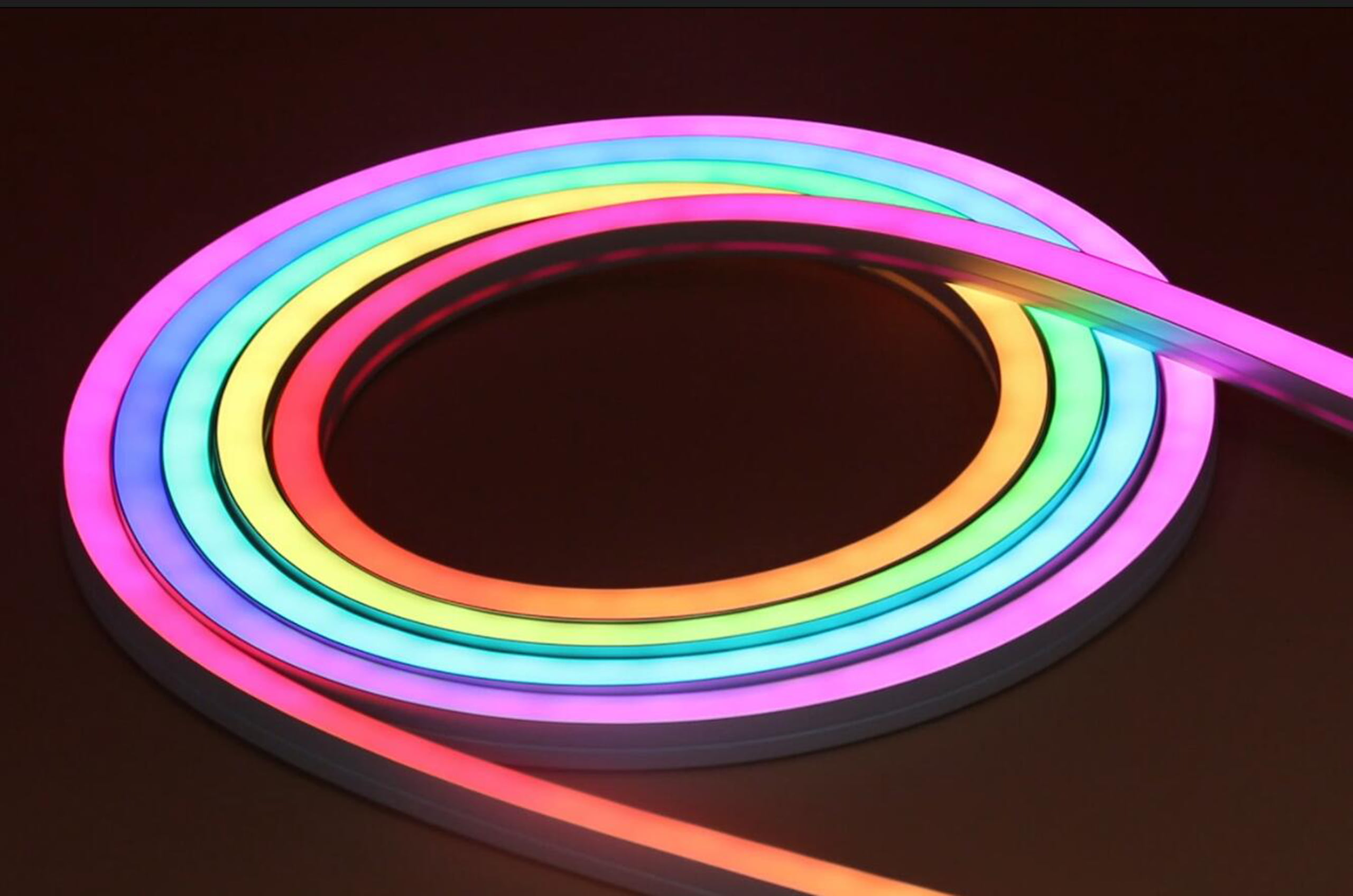
Understanding these technical aspects is crucial for achieving that perfect, continuous glow we all desire in professional lighting installations. Let me break down the main factors that contribute to this issue and how to address them effectively.
Why Do LED Neon Flex Strips Show Visible Dots and Uneven Light Distribution?
Many installers face frustration when their carefully planned lighting project ends up showing obvious LED dots and uneven illumination. This not only looks unprofessional but can also lead to client dissatisfaction.
The visibility of LED dots and uneven lighting in neon flex strips typically occurs due to misaligned cutting units, insufficient diffusion material, and unstable tension during the extrusion process, compromising the intended seamless appearance.
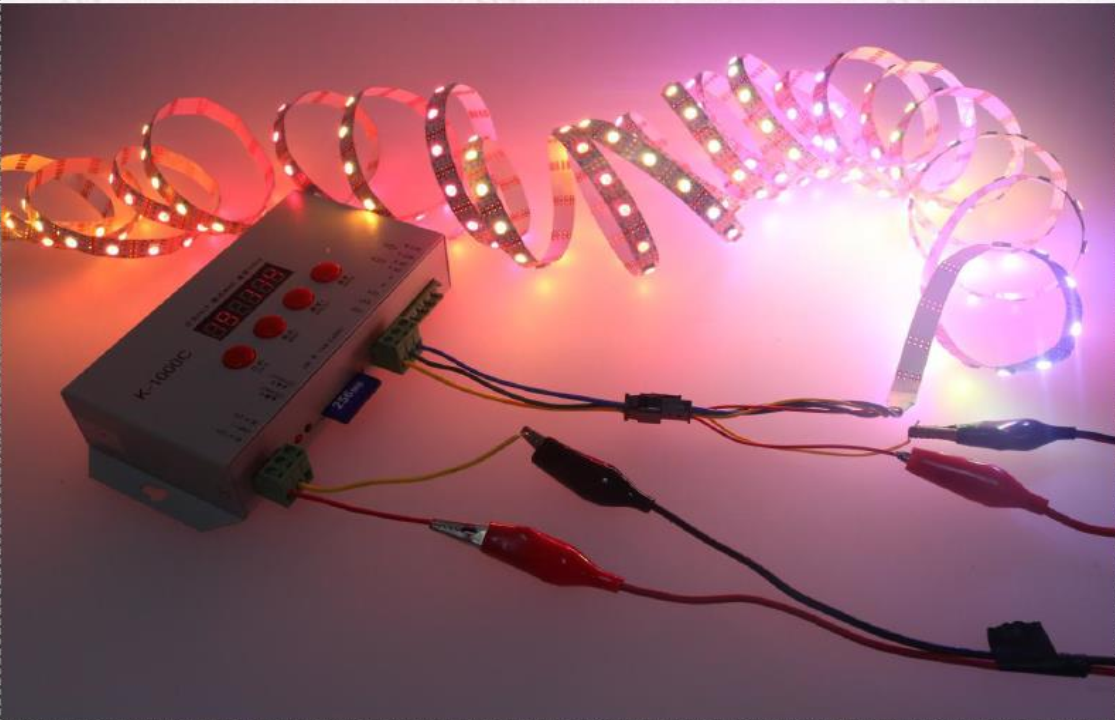
Deeper Dive into the Technical Aspects
The quality of LED neon flex illumination depends on several interconnected factors that we need to consider:
1. Cutting Unit and Optical Structure Alignment
- Design Integration
- PCB layout must align with silicone diffusion layer
- Cutting positions need precise calculation
- Optical shadow zones require minimization
2. LED Density Configuration
| Density (LEDs/m) | Application Scenario | Visual Effect |
|---|---|---|
| 120 | Standard installations | Good uniformity |
| 160 | Premium projects | Superior smoothness |
| <120 | Basic lighting | Visible dots likely |
3. Material Science Considerations
- Nano-diffusion agents in silicone
- Multi-angle light reflection properties
- Optimal diffusion layer thickness
The key to achieving perfect uniformity lies in the synchronized control of these elements during manufacturing. When tension sensors and closed-loop traction control systems maintain stable PCB positioning, we eliminate the micro-stretching that can occur during extrusion. This technical precision, combined with high-density LED configuration and advanced diffusion materials, results in the seamless illumination that professional installations demand.
How Does Production Process Control Impact Final Light Quality?
Poor production control can transform even the best-designed LED neon flex into a subpar product. This is especially evident in large-scale installations where small imperfections become glaringly obvious.
Production quality control in LED neon flex manufacturing requires precise tension monitoring4, temperature control during silicone extrusion, and automated inspection systems to ensure consistent light diffusion and structural integrity throughout the entire length.
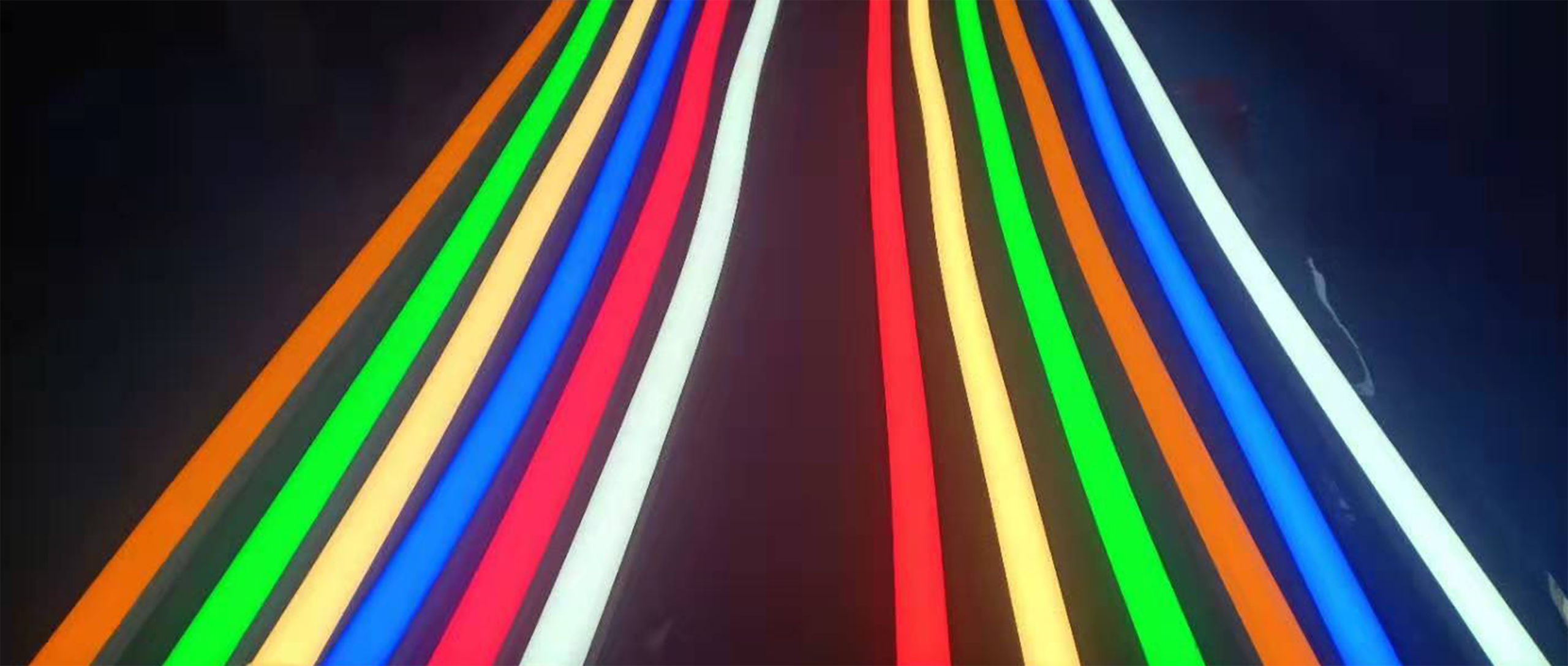
Manufacturing Excellence Deep Dive
The production process involves several critical control points that directly impact the final product quality:
1. Extrusion Process Parameters
| Parameter | Optimal Range | Impact on Quality |
|---|---|---|
| Temperature | 160-180°C | Material flow consistency |
| Speed | 2-3 m/min | Structural uniformity |
| Pressure | 15-20 MPa | Diffusion layer density |
2. Quality Control Measures
- Continuous tension monitoring4
- Real-time temperature adjustment
- Automated optical inspection
- Regular sample testing
Our experience shows that maintaining strict control over these parameters is crucial. The implementation of advanced monitoring systems has allowed us to achieve a remarkable consistency in light output. The production line's tension sensors and closed-loop control system ensure that the PCB maintains its designed spacing throughout the extrusion process, preventing the dreaded "ribcage effect1" that occurs when LED spacing becomes irregular.
Conclusion
Achieving perfect LED neon flex illumination requires a precise balance of technical design, material science, and manufacturing control. By focusing on these elements, we can consistently produce professional-grade lighting solutions.
Understanding the ribcage effect is essential for improving your LED installations and ensuring client satisfaction. ↩
Exploring LED density can help you choose the right configuration for optimal light distribution in your projects. ↩
Learning about the silicone extrusion process can enhance your knowledge of achieving seamless lighting solutions. ↩
Discover how tension monitoring impacts the quality and consistency of LED neon flex installations. ↩