

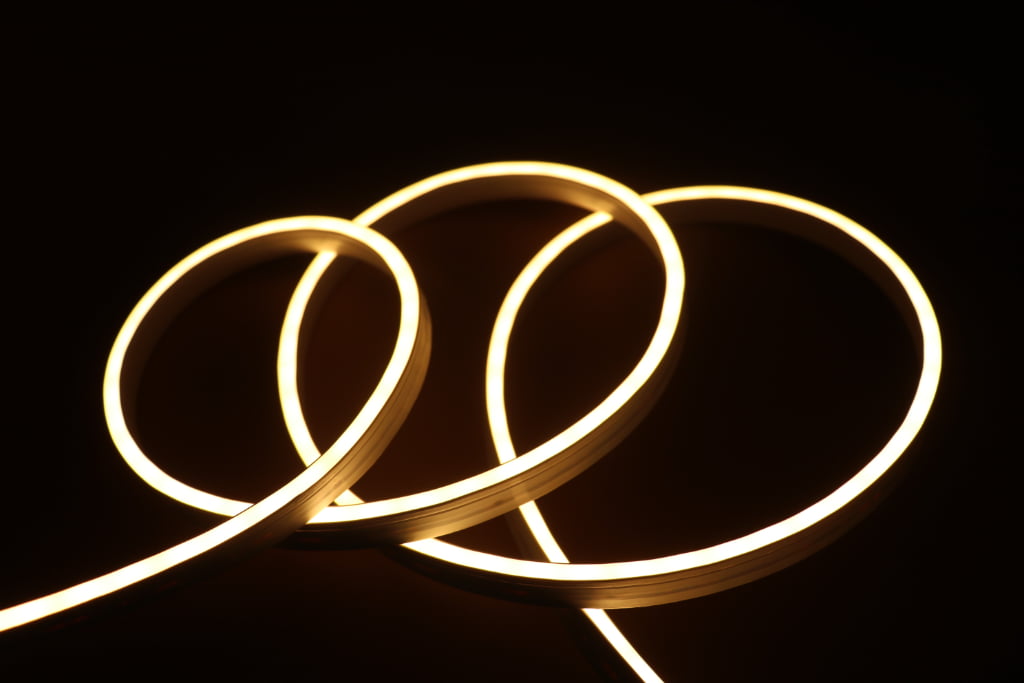
Many lighting projects face unexpected failures with 48V LED neon flex1 strips showing mysterious black spots or tripping circuit breakers after installation. This common problem stems from inadequate manufacturing processes and design oversights.
The key difference between quality 48V and 24V LED neon flex lies in the creepage distance2 design. While 48V approaches the Safety Extra Low Voltage (SELV) limit, proper PCB layout3 with adequate insulation spacing prevents electrical arcing and breakdown, ensuring long-term reliability.

As a manufacturer focusing on high-end lighting solutions, I've seen numerous cases where improper 48V designs led to premature failures. Let me share the critical aspects you need to know about 48V LED neon flex1 manufacturing and selection.
How Does PCB Design Impact 48V LED Neon Flex Safety?
Poor PCB layout3 in 48V systems can create dangerous hotspots and electrical failures. Without proper creepage distance2, even minor manufacturing defects can lead to catastrophic system breakdown.
Professional 48V LED neon flex1 requires specialized PCB design with increased insulation spacing between traces. Each 50-meter strip should pass high-voltage testing4 above 3000V to ensure safety in extreme conditions.
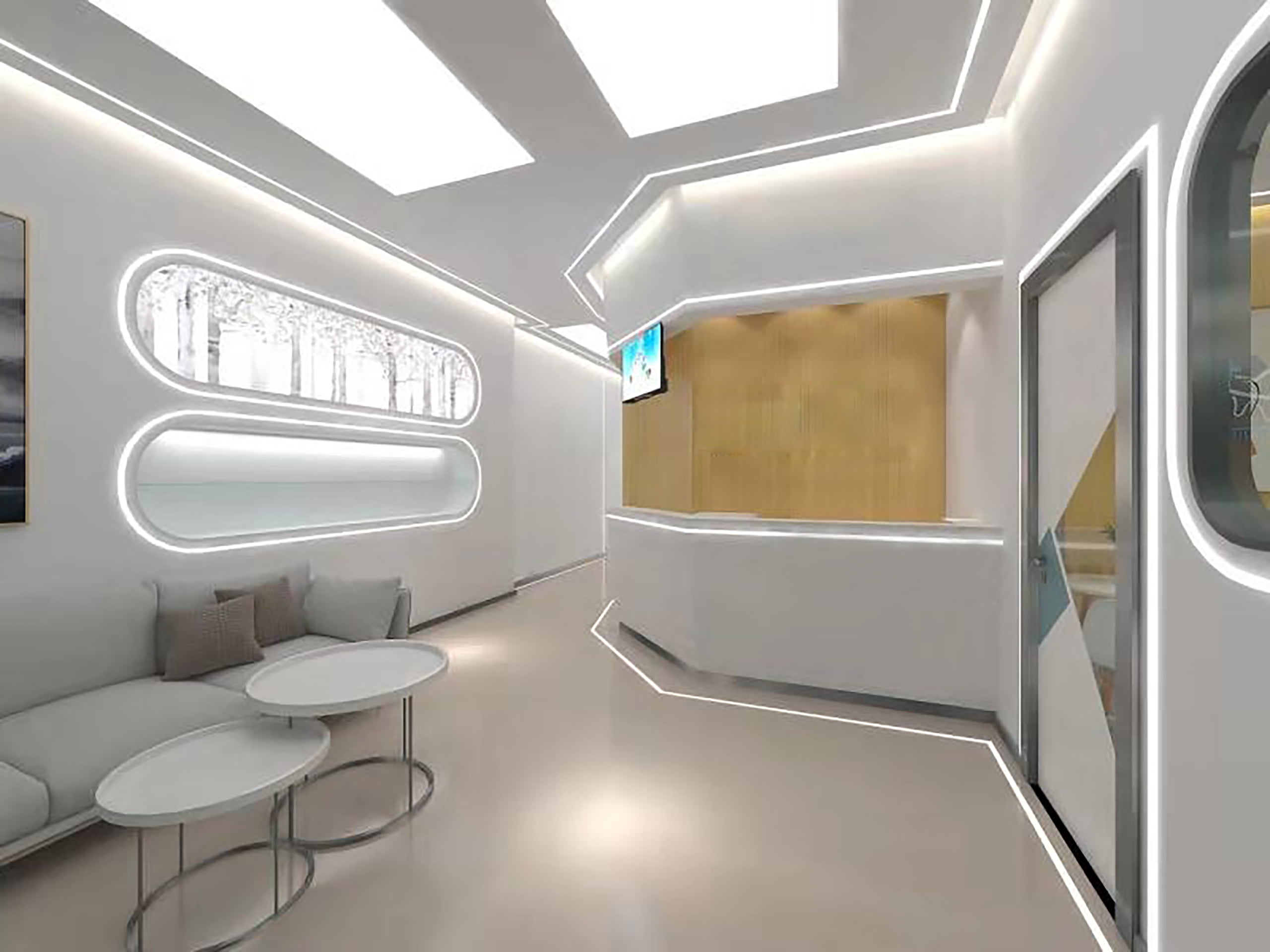
When examining 48V LED neon flex1 PCB design, several critical factors come into play:
1. Creepage Distance Requirements
- Minimum spacing: 1.5mm between traces
- Increased gaps near power input points
- Additional isolation for outdoor applications
2. Material Selection Impact
| Component | Requirement | Purpose |
|---|---|---|
| PCB Material | FR-4 with high CTI | Prevent tracking |
| Solder Mask | Double-layer | Extra insulation |
| Silicone | High-molecular grade | Void prevention |
3. Testing Standards
- Hi-pot testing at 3000V minimum
- Continuous operation test
- Environmental stress screening
The proper implementation of these design elements ensures long-term reliability and safety in challenging environments.
What Production Controls Ensure 48V LED Quality?
Manufacturing inconsistencies often lead to premature product failure. Many factories skip crucial quality control5 steps, resulting in unreliable products reaching the market.
Quality 48V LED neon flex1 production requires strict process controls including automated extrusion monitoring, continuous high-voltage testing4, and environmental simulation chambers to verify long-term performance.
Our production process incorporates multiple quality checkpoints:
1. Material Verification
- Silicone durometer testing
- PCB substrate certification
- Component traceability
2. Process Controls
| Stage | Control Measure | Verification |
|---|---|---|
| Extrusion | Temperature monitoring | Continuous logging |
| Assembly | Automated visual inspection | 100% inspection |
| Testing | Environmental chamber | Sample testing |
3. Final Quality Assurance
- 48-hour burn-in testing
- Waterproof certification
- Documentation review
These controls ensure consistent quality and reliability across production batches.
Why Do Professional Installations Require Certified 48V Products?
Installing uncertified 48V LED products can lead to serious safety issues and project failures. Many contractors learn this lesson the hard way through system failures and warranty claims.
Professional installations require UL-listed or CE-certified6 48V LED neon flex1 products with documented testing reports. This certification ensures compliance with safety standards and validates the manufacturer's quality control5 processes.
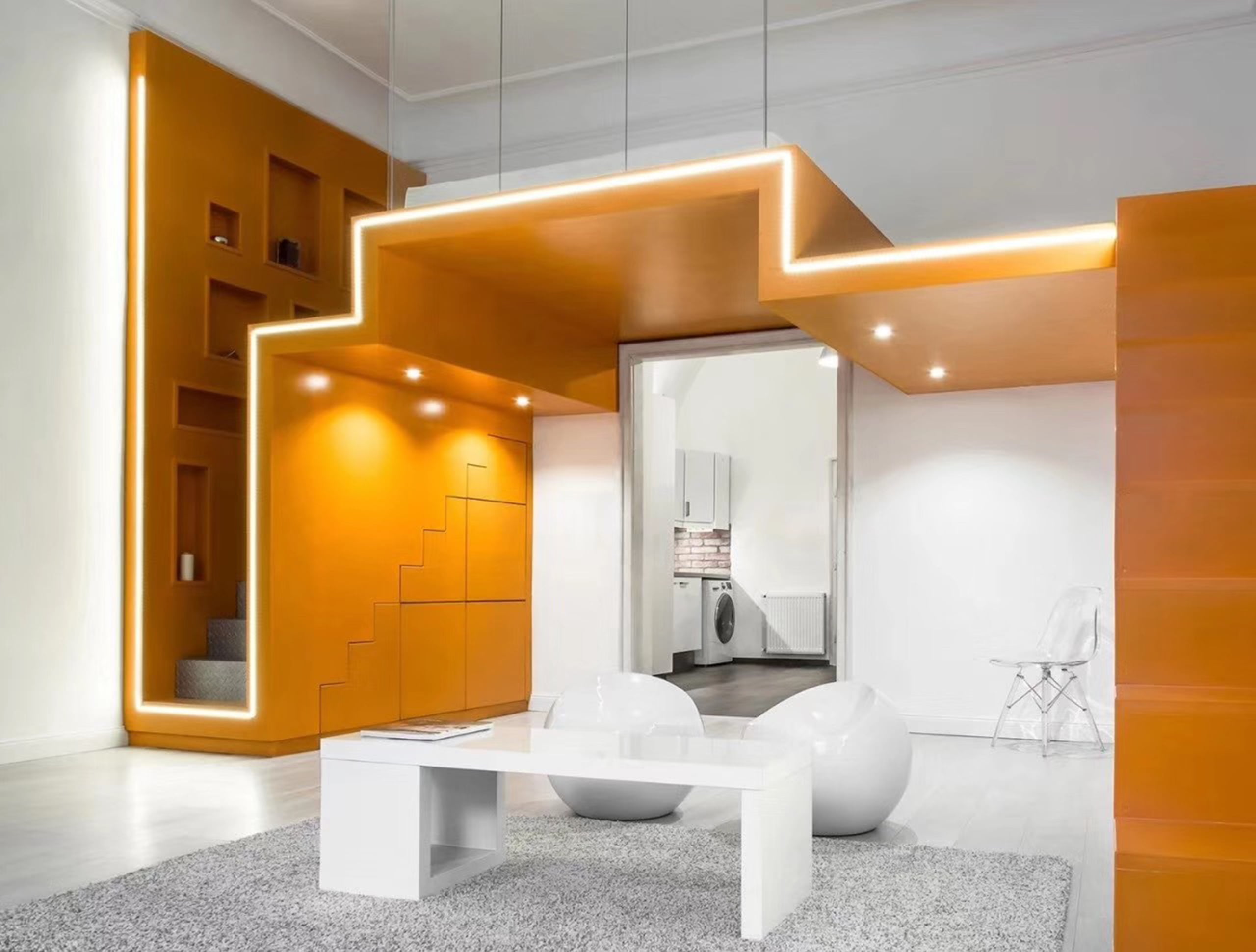
Consider these certification aspects:
1. Required Certifications
- UL listing requirements
- CE marking standards
- IP68 verification
2. Documentation Needs
| Document | Purpose | Validity |
|---|---|---|
| Test Reports | Safety verification | 2 years |
| Certificates | Compliance proof | Annual |
| Installation Guide | Proper usage | Product life |
3. Installation Guidelines
- Proper power supply selection
- Maximum run lengths
- Connection methods
Following these requirements ensures successful project implementation and long-term reliability.
Conclusion
Selecting the right 48V LED neon flex1 requires understanding proper PCB design, manufacturing controls, and certification requirements. Choose suppliers who demonstrate commitment to these standards through documented testing and quality processes.
Explore the advantages of 48V LED neon flex for your lighting projects, ensuring safety and reliability. ↩
Understanding creepage distance is crucial for preventing electrical failures in PCB design. ↩
Learn how proper PCB layout can enhance the performance and safety of LED systems. ↩
Discover the importance of high-voltage testing in ensuring the safety and reliability of LED products. ↩
Find out how quality control measures can prevent premature failures in LED manufacturing. ↩
Understand the importance of UL and CE certifications in ensuring product safety and quality. ↩