

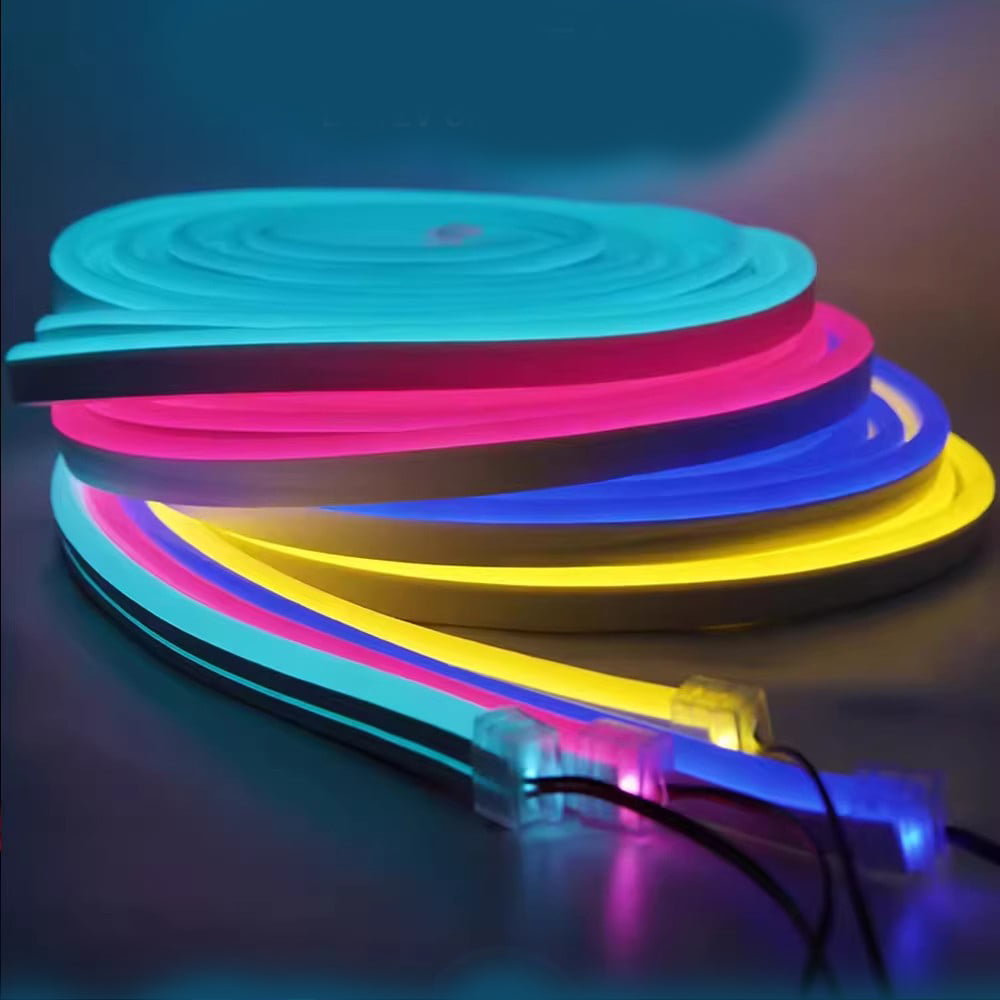
Poor product selection can lead to costly installation issues and performance problems. I've seen countless projects fail simply because the specifications didn't match the actual requirements.
The key to successful LEDFlex Group installations is matching product specifications1 to application requirements. This includes considering factors like bend radius2, power distribution3, and environmental conditions4 before purchase to prevent common issues.

After years of working with LEDFlex Group products, I've learned that most problems can be prevented with proper planning. Let me share some critical insights that could save you time and money.
How Does Product Specification Impact Installation Success?
I recently encountered a shopping mall project where standard flexible neon strips were installed without proper planning. The result? Uneven brightness and poor fit that required costly fixes.
Product specification issues typically manifest in three ways: uneven illumination, difficulty conforming to desired shapes, and color inconsistency across longer runs. These problems stem from mismatched specifications rather than product defects.
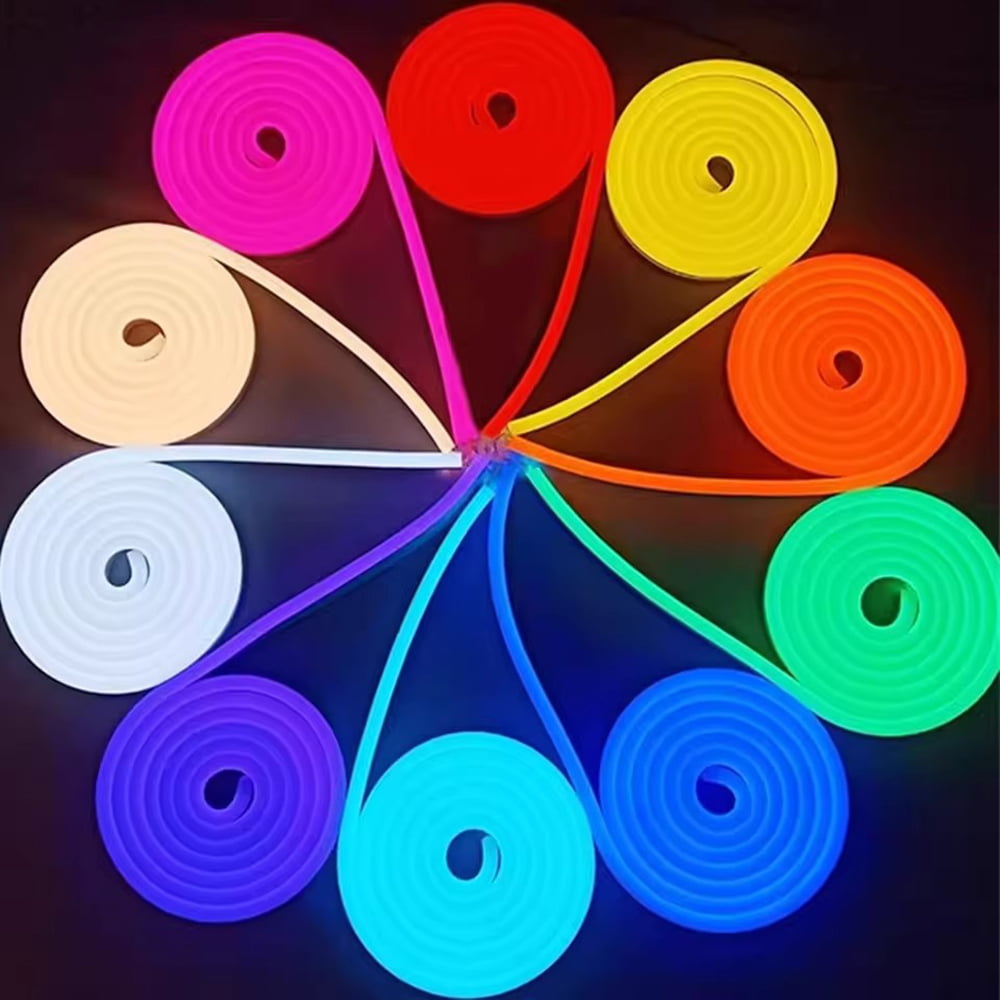
Dive Deeper: Understanding Specification Parameters
When selecting LEDFlex Group products, several critical factors need careful consideration:
1. Physical Dimensions
- Cross-sectional profile
- Minimum bend radius2
- Maximum continuous run length
2. Electrical Parameters
| Parameter | Impact |
|---|---|
| Voltage drop | Affects brightness uniformity |
| Power consumption | Determines power supply requirements |
| Current draw | Influences cable sizing |
3. Environmental Factors
I've found that thorough analysis of these parameters during the selection phase eliminates most installation challenges. For example, in a recent outdoor project, we specifically chose a model with higher IP rating5 and UV protection, which has performed flawlessly for over two years despite harsh weather conditions.
What Role Does Power Distribution Play in System Performance?
Power distribution problems can turn an otherwise perfect installation into a maintenance nightmare. I've seen this happen repeatedly in large-scale projects.
Proper power distribution3 planning requires calculating voltage drop6 across the entire installation, determining optimal power injection points, and selecting appropriate power supplies. This prevents common issues like brightness variation and system instability.
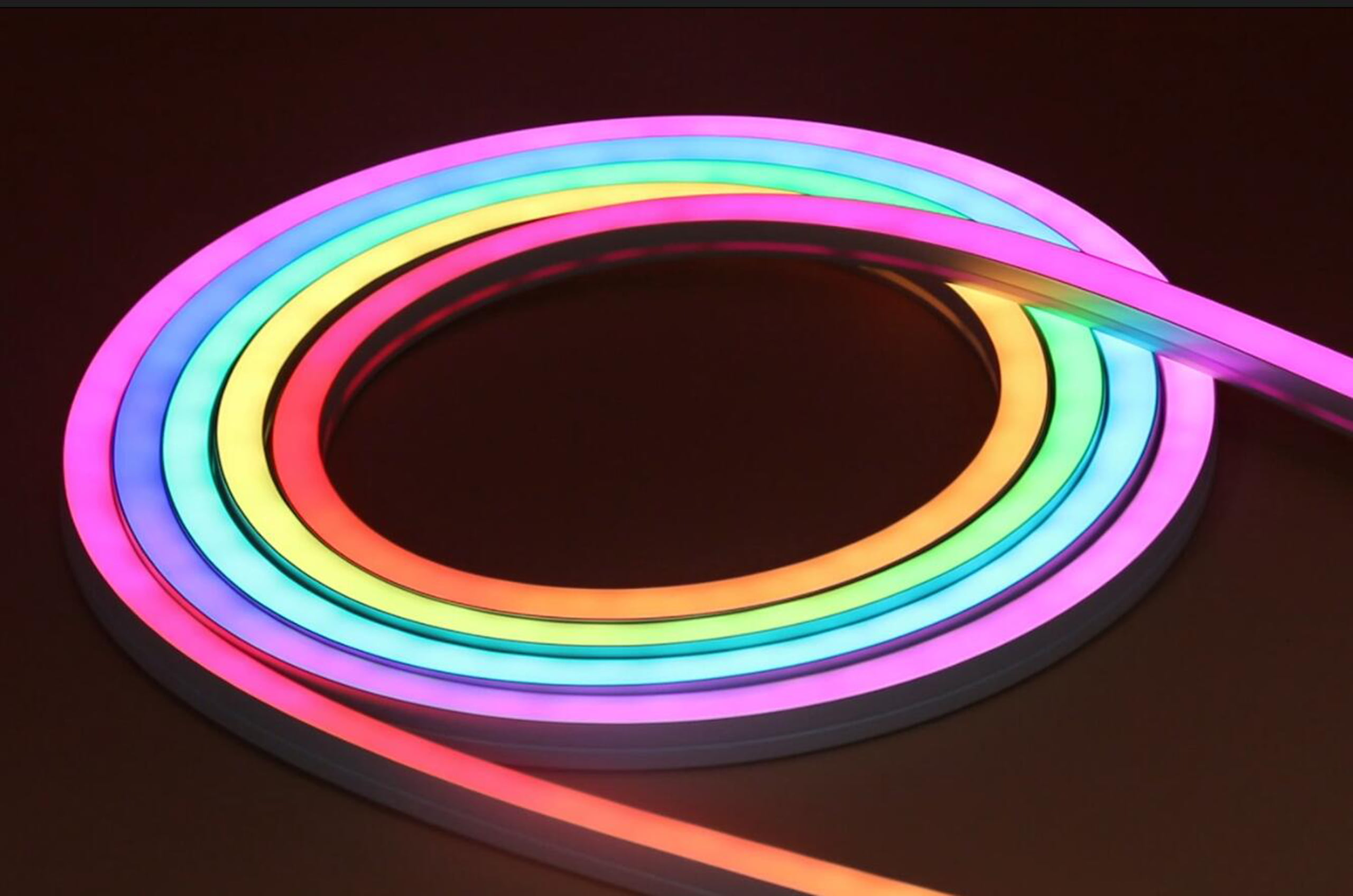
Dive Deeper: Power Distribution Strategy
A successful power distribution3 plan considers:
Power Supply Placement
- Maximum distance between power supplies
- Accessibility for maintenance
- Heat dissipation requirements
Voltage Drop Calculations
| Run Length | Recommended Actions |
|---|---|
| 0-5m | Single feed acceptable |
| 5-10m | Consider middle feed |
| 10m+ | Multiple feed points required |
Control System Integration
- DMX/DALI compatibility
- Signal amplification needs
- Control wire routing
Through experience, I've developed a formula where we add power injection points every 5 meters for high-brightness applications. This approach has consistently delivered uniform illumination across entire installations.
How Do Environmental Conditions Affect Long-term Performance?
Environmental factors can make or break a LEDFlex Group installation. This is especially true in outdoor or high-humidity environments.
Environmental considerations must include temperature fluctuations, moisture exposure, and UV radiation levels. Proper product selection based on these factors ensures long-term reliability and performance.
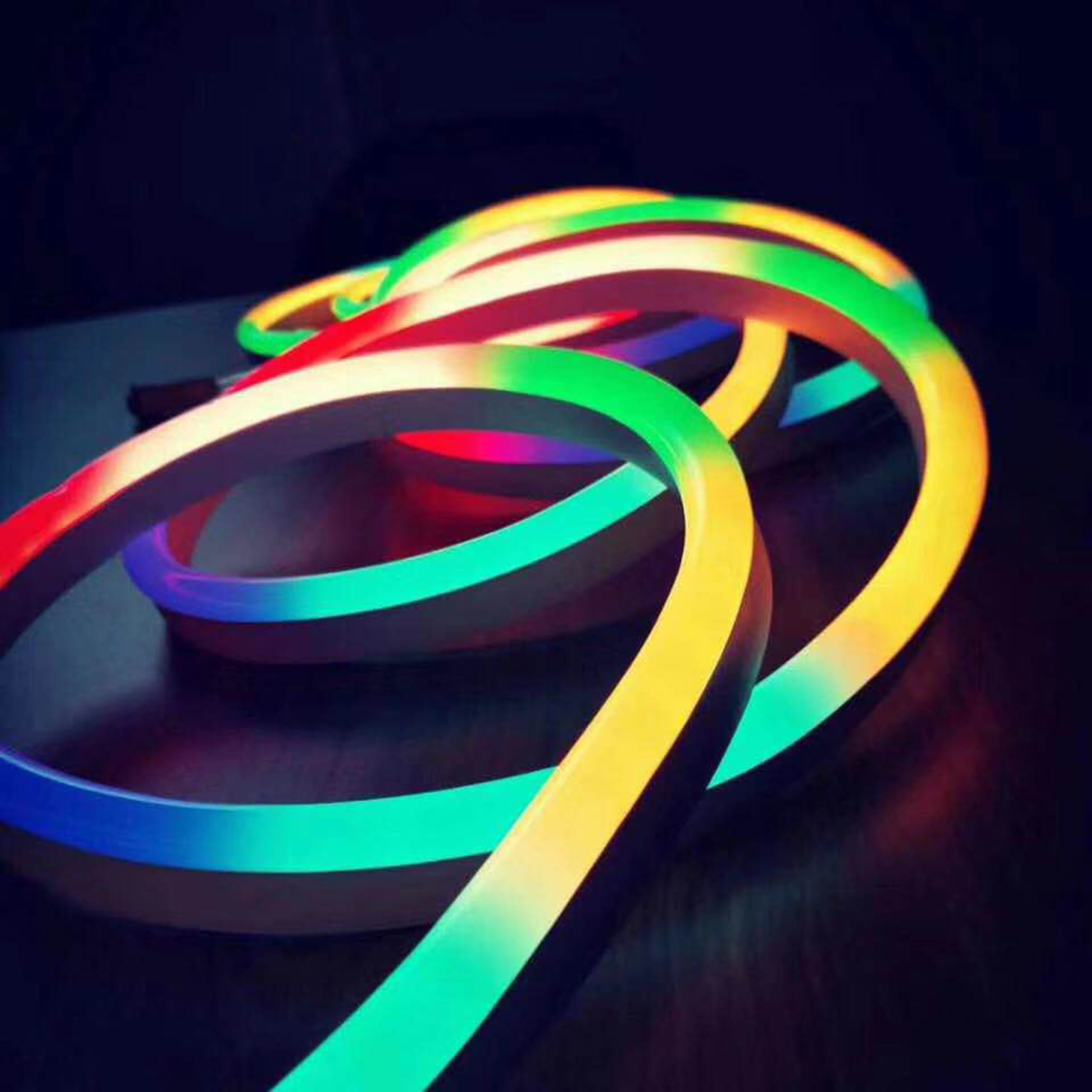
Dive Deeper: Environmental Protection Strategies
Success in challenging environments requires attention to:
Temperature Management
- Heat dissipation methods
- Thermal expansion accommodation
- Operating temperature range verification
Moisture Protection
| Protection Level | Application |
|---|---|
| IP65 | Rain exposure |
| IP67 | Temporary submersion |
| IP68 | Continuous submersion |
Installation Methods
- Proper mounting techniques
- Expansion joint placement
- Protective channel requirements
I recently completed a waterfront project where we used IP68-rated products with additional silicone sealing at connection points. After a year of exposure to salt spray and temperature extremes, the installation remains perfect.
Conclusion
Success with LEDFlex Group installations depends on thorough planning during the specification phase. By carefully considering physical requirements, power distribution3, and environmental factors, you can avoid most common problems before they occur.
Understanding product specifications is crucial for ensuring successful installations and avoiding costly mistakes. ↩
Exploring bend radius considerations can help you select the right products for your specific installation needs. ↩
Learning about power distribution can prevent common issues like brightness variation and system instability. ↩
Understanding environmental factors is key to ensuring long-term reliability and performance of LED installations. ↩
Understanding IP ratings is essential for selecting products that can withstand specific environmental conditions. ↩
Exploring voltage drop can help you maintain brightness uniformity across your LED installations. ↩