

After years in the LED neon flex industry, I've noticed a concerning pattern - most project issues stem not from poor design, but from selecting the wrong product from the start. This mistake often goes unnoticed until installation is complete.
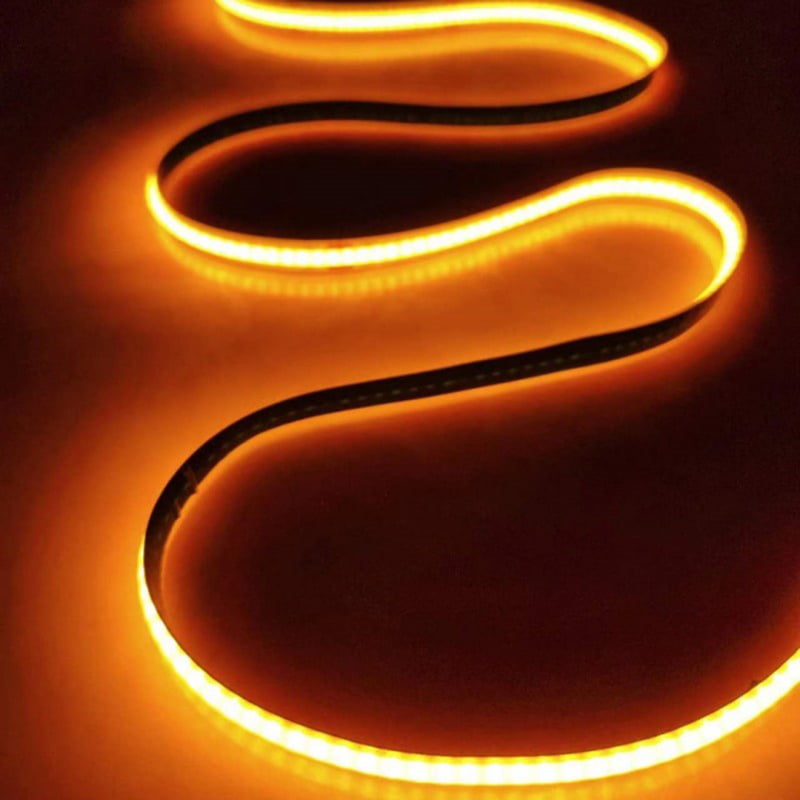
The most common issue with LED neon flex is uneven lighting, known as the "dotting effect1." This happens when individual LED points are visible instead of creating a smooth, continuous line of light. The problem is especially noticeable in high-end applications like hotels and commercial spaces.
Let me share how I've helped numerous clients avoid this costly mistake, saving them from expensive reinstallations and damaged reputations. The key lies in understanding three critical factors that determine light quality.
Why Do LED Light Points Become Visible in Longer Installations?
Many projects look fine during sample testing with short segments. However, when installed in longer runs of 3-5 meters, the dotting effect1 becomes glaringly obvious, especially around bends.
The visibility of LED points occurs because the LED spacing gets stretched over longer distances, making individual light sources more noticeable. This effect is amplified when the neon flex is bent, creating uneven brightness distribution along curves.
The solution involves understanding several key technical aspects:
Material Quality Matters More Than LED Specifications
-
Light Diffusion Properties
- High-grade silicone provides superior light diffusion
- Premium materials maintain consistency across longer runs
- Quality diffusion layers eliminate hot spots
-
Profile Design Impact Design Element Effect on Light Quality Wall Thickness Affects light spread Internal Structure Controls reflection Diffusion Layers Determines uniformity -
Temperature Considerations
- Quality materials maintain performance from -40°C to +60°C
- Inferior products may show increased dotting in extreme temperatures
Installation Factors
-
Bending Radius
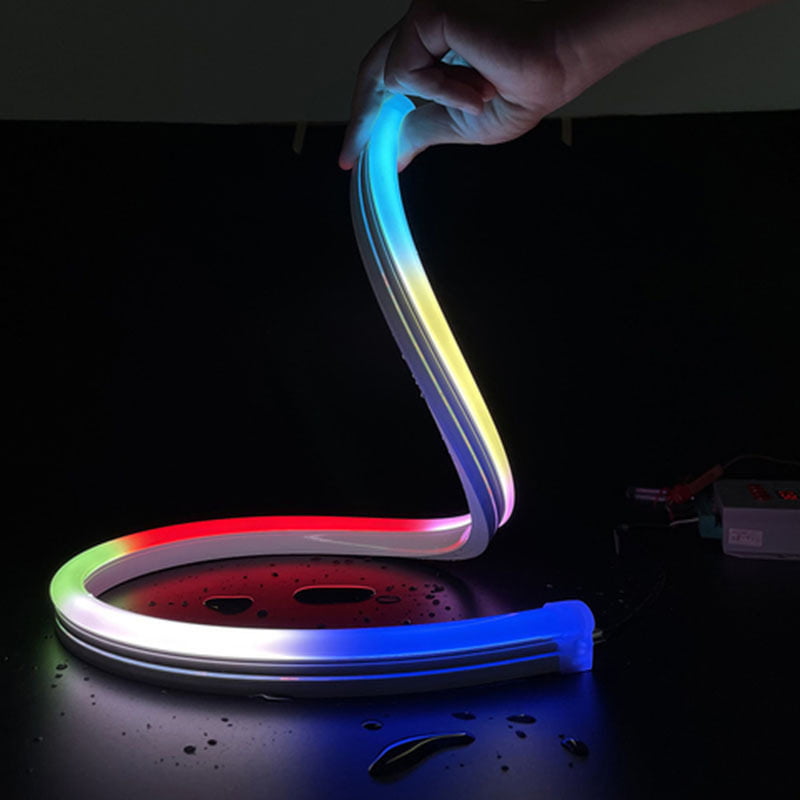
- Proper bending technique preserves light uniformity
- Over-bending can cause LED spacing issues
- Professional installation guidelines must be followed
-
Mounting Distance
- Optimal viewing distance calculations
- Surface reflection considerations
- Ambient light impact assessment
What Makes Professional-Grade LED Neon Flex Different?
The distinction between consumer and professional-grade LED neon flex2 lies in the engineering approach and material selection.
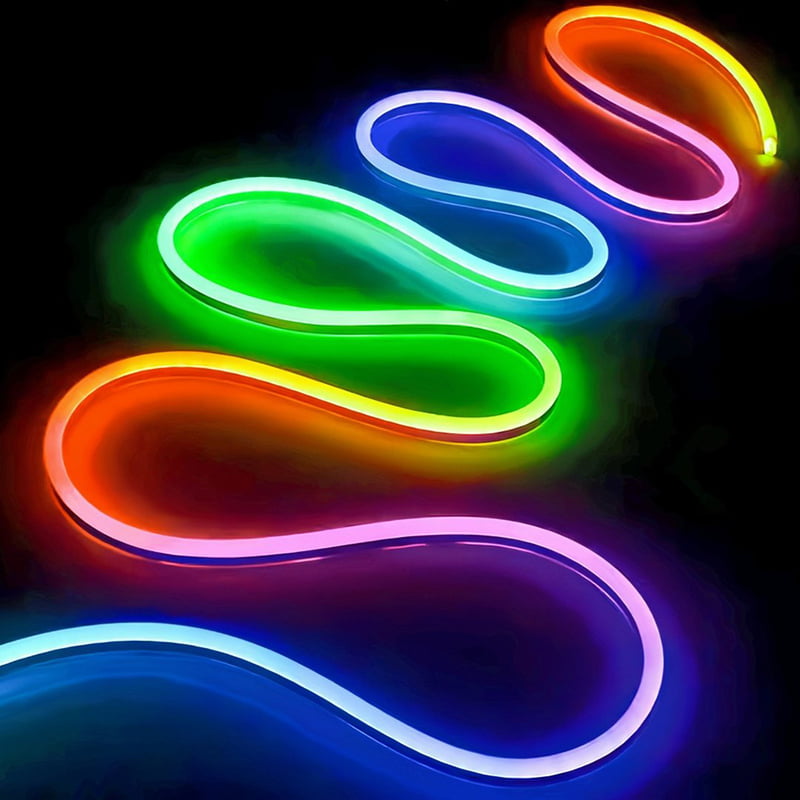
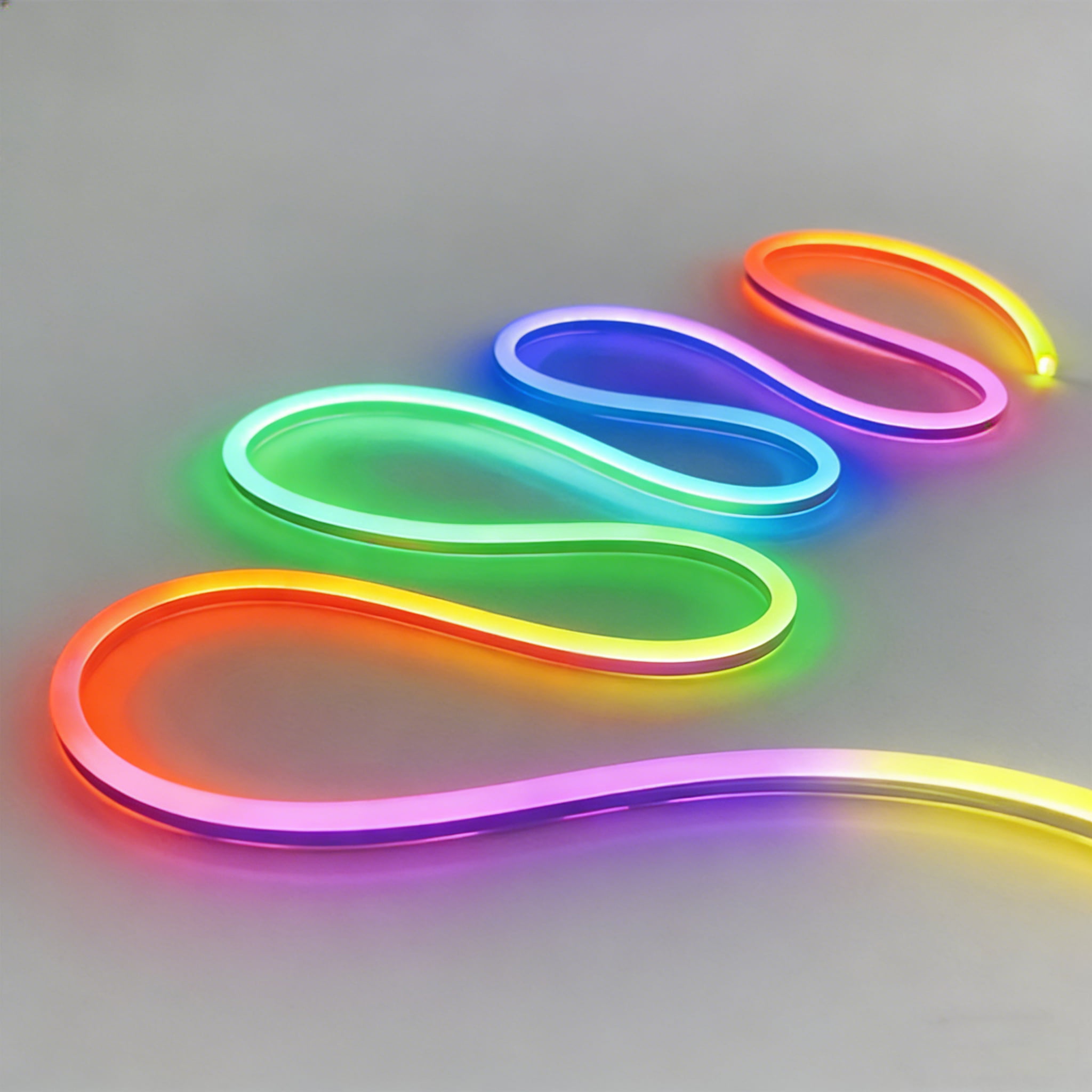
Professional LED neon flex uses advanced silicone compounds and specialized diffusion technology to create truly dotless illumination. The key is achieving uniform light distribution through precise material engineering rather than just increasing LED density.
Understanding professional-grade features requires examining several critical aspects:
Technical Specifications That Matter
-
Light Distribution Technology
- Multi-layer diffusion design
- Optimized LED placement
- Uniform brightness control
-
Material Composition Component Purpose Silicone Grade Light transmission Diffusion Agents Even distribution UV Stabilizers Long-term consistency -
Quality Control Measures
- Extended burn-in testing
- Uniformity measurements
- Stress testing under various conditions
How Can You Verify LED Neon Flex Quality Before Installation?
Before committing to a large project, proper testing is essential to avoid costly mistakes and disappointment.
Quality verification requires testing full-length samples under actual installation conditions, including various viewing angles and bending configurations. Use high-resolution photography to check for light consistency and potential dotting effect1s.
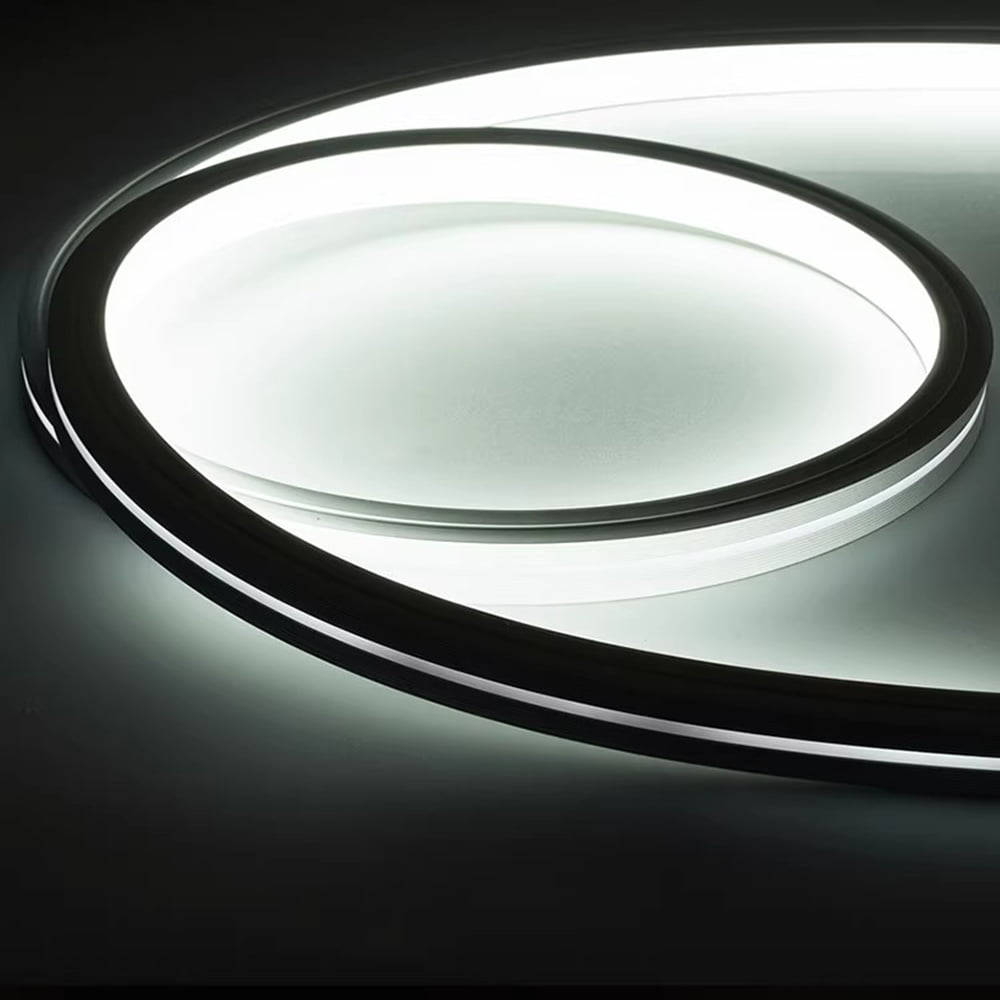
The testing process should be comprehensive and methodical:
Essential Testing Procedures
-
Visual Assessment Methods
- Close-range inspection
- Long-distance evaluation
- Photography analysis
-
Performance Metrics Test Parameter Acceptance Criteria Light Uniformity No visible dots at 1m Bend Performance Consistent brightness Color Consistency No variation across length -
Environmental Testing
- Temperature variation effects
- Humidity resistance
- UV exposure impact
Conclusion
Avoiding the dotting effect1 in LED neon flex installations requires careful product selection, thorough testing, and proper installation techniques. Success comes from understanding that true quality lies in the uniformity of light, not just brightness.