


I spent 15 years working with rubber sealing components in LED strip projects. The most common problem I see is not "poor manufacturing standards." It is this: the product works perfectly in the lab, but it fails within 1 to 3 months in the field.
LED strips are manufactured through a standardized process: SMD mounting, soldering, encapsulation, and waterproofing. However, the real challenge is not how they are made—it is whether they can survive real-world environmental stress. Static manufacturing standards often fail to predict dynamic operating lifespan, leading to early failure even when lab tests pass.
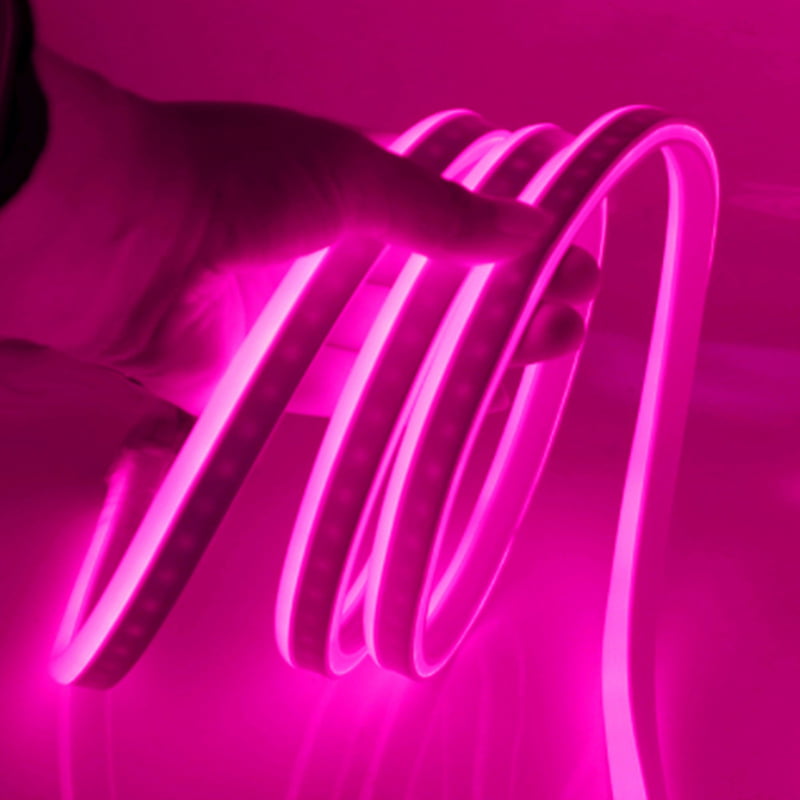
This article will walk you through the standard manufacturing process, explain why field failures still happen, and show you what variables actually matter when selecting a reliable LED strip supplier.
What Is the Standard LED Strip Manufacturing Process?
The basic manufacturing process for LED strips follows a predictable sequence. Most factories use automated production lines to ensure consistency.
The standard LED strip is produced in four main stages: SMD component placement, reflow soldering, encapsulation (with silicone or epoxy), and final waterproofing treatment. Each stage is designed to meet static performance benchmarks like IP ratings, lumen output, and thermal resistance.
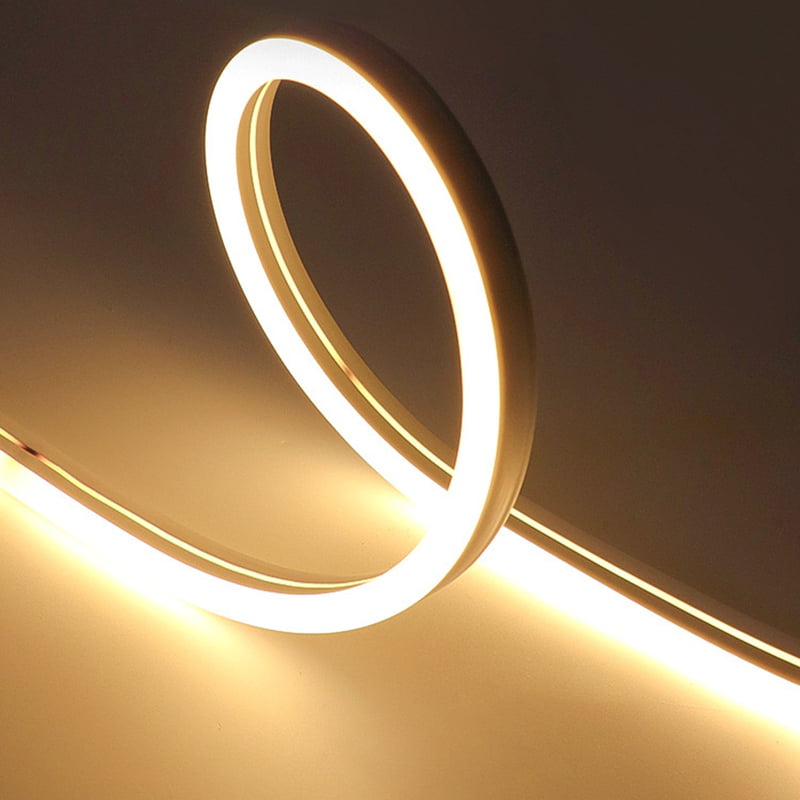
Step-by-Step Breakdown
Here is how the process works in most factories:
| Stage | What Happens | Key Quality Control |
|---|---|---|
| 1. SMD Mounting | LED chips are placed on flexible PCB using pick-and-place machines | Component alignment, solder paste thickness |
| 2. Reflow Soldering | The PCB passes through a reflow oven to bond LEDs and resistors | Temperature curve, solder joint integrity |
| 3. Encapsulation | Silicone or epoxy resin is applied to protect the circuit | Material viscosity, curing time |
| 4. Waterproofing | Additional IP65/IP68 coating or extrusion is applied for outdoor use | Adhesion strength, seal consistency |
This process is standardized. Most factories follow the same steps. So why do some LED strips fail in the field while others last for years?
Why Do LED Strips Fail Even After Passing Lab Tests?
I have seen this pattern many times. A project engineer orders samples. The samples pass all tests. The product goes into production. Then, within a few months, the strips start failing.
The core issue is that static lab tests do not replicate dynamic real-world conditions. LED strips are tested under controlled environments, but they operate in environments with temperature cycling, UV exposure, moisture penetration, and mechanical stress.
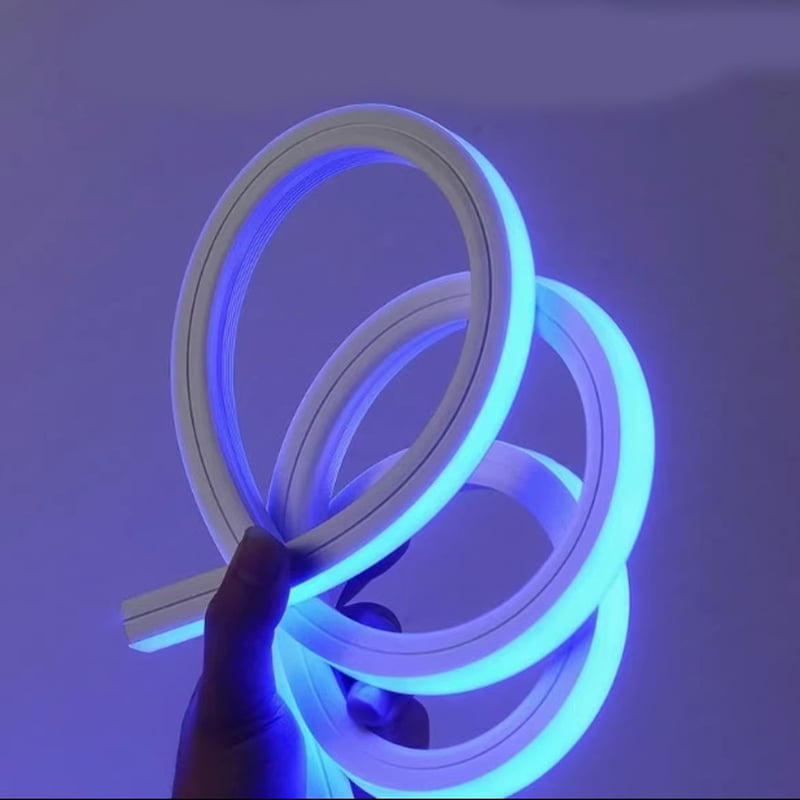
The Three Hidden Failure Triggers
Most failures come from three sources that are not covered by standard testing:
1. Environmental Cycling
Temperature fluctuates. Humidity changes. UV radiation degrades materials. These cycles create micro-cracks in the encapsulation layer. Water enters. The circuit fails.
2. Micro-Contamination Over Time
Even a tiny amount of dust or oil on the PCB surface can attract moisture. Over time, this creates a conductive path. The result is a short circuit or corrosion.
3. Transient Stress Events
A sudden power surge. A mechanical impact during installation. A thermal shock when switching on. These events are not part of standard testing, but they happen in real life.
What Are the 5% Non-Standard Variables That Cause 95% of Failures?
Most project failures are caused by small, overlooked variables. These variables are not part of the standard manufacturing checklist. But they determine whether your LED strip lasts 5 years or 5 months.
The critical variables are: material batch inconsistency, extreme operating conditions not covered by IP ratings, and structural design flaws that allow stress concentration. These account for only 5% of the manufacturing process but cause the majority of field failures.
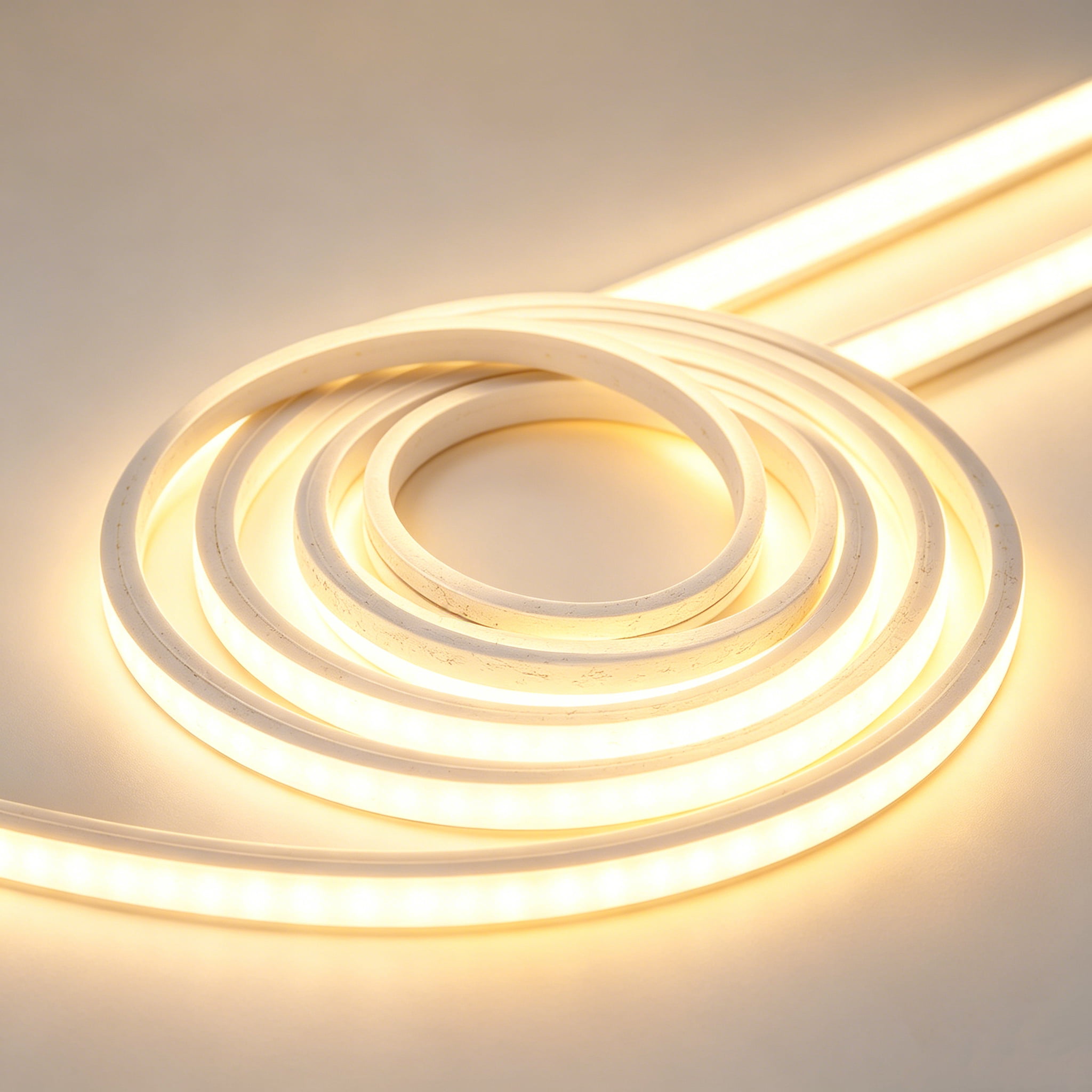
The Variables You Must Control
Here is what I focus on when evaluating a supplier:
| Variable | Why It Matters | How to Verify |
|---|---|---|
| Silicone Batch Consistency | Different batches have different UV resistance and thermal expansion rates | Request batch traceability reports |
| Extreme Temperature Testing | Standard tests use -20°C to +60°C, but real installations see -40°C to +80°C | Ask for extended temperature cycle tests |
| Mechanical Stress Tolerance | Bending radius, vibration, and impact are rarely tested but common in the field | Request bend fatigue and drop tests |
| UV Degradation Rate | Outdoor strips are exposed to UV for years, not hours | Demand accelerated UV aging reports |
| Moisture Ingress Pathways | IP68 tests are done in still water, not in condensation or freeze-thaw cycles | Verify hygroscopic testing protocols |
How Do We Ensure Real-World Reliability at Shenzhen Alister Technology?
I have worked with hundreds of contractors and distributors. The ones who succeed are the ones who replace standard testing with real-world simulation.
Our approach is to test LED strips under actual operating conditions, not just lab conditions. We use accelerated aging protocols that include thermal cycling, UV exposure, and mechanical stress to predict field performance.

Our Three-Step Verification Process
Step 1: Real-World Condition Mapping
We ask our clients: Where will this product be installed? What is the temperature range? Is there UV exposure? Is there vibration or mechanical stress? We map these conditions and design a custom test protocol.
Step 2: Material Batch Control
We do not change silicone suppliers mid-production. We test every batch of silicone for UV resistance, thermal expansion, and adhesion strength. We maintain batch traceability so that if a problem occurs, we can trace it back to the source.
Step 3: Structural Design Optimization
We optimize the encapsulation design to eliminate stress concentration points. We use finite element analysis (FEA) to predict where cracks will form under thermal cycling. We redesign the structure to prevent those cracks.
What Should You Ask Your LED Strip Supplier?
If you are sourcing LED strips for a large project, you need to ask the right questions. Most suppliers will give you standard answers. But the right supplier will give you data.
The critical questions are: Can you provide batch traceability for your silicone materials? Do you test under extended temperature ranges? Can you simulate my specific installation conditions?
The Questions That Separate Good Suppliers from Great Ones
Here is what I ask every supplier:
-
Can you provide batch traceability for your encapsulation materials?
- If they cannot, they have no way to diagnose field failures.
-
Do you test under extended temperature ranges (-40°C to +80°C)?
- If they only test to -20°C, they are not ready for real-world installations.
-
Can you simulate my specific installation conditions?
- If they cannot, they are guessing about product lifespan.
-
Do you have accelerated UV aging data?
- If they do not, they have no idea how long the product will last outdoors.
-
Can you provide bend fatigue and drop test results?
- If they cannot, they have not tested for mechanical stress.
Conclusion
The manufacturing process for LED strips is standardized. But the difference between a product that lasts 5 years and one that fails in 5 months is not the manufacturing process. It is the non-standard variables that most suppliers ignore. If you want reliable LED strips, you need a supplier who tests under real-world conditions, controls material batches, and optimizes structural design. My team provides one-on-one technical support to help you avoid field failures. Contact me anytime.