
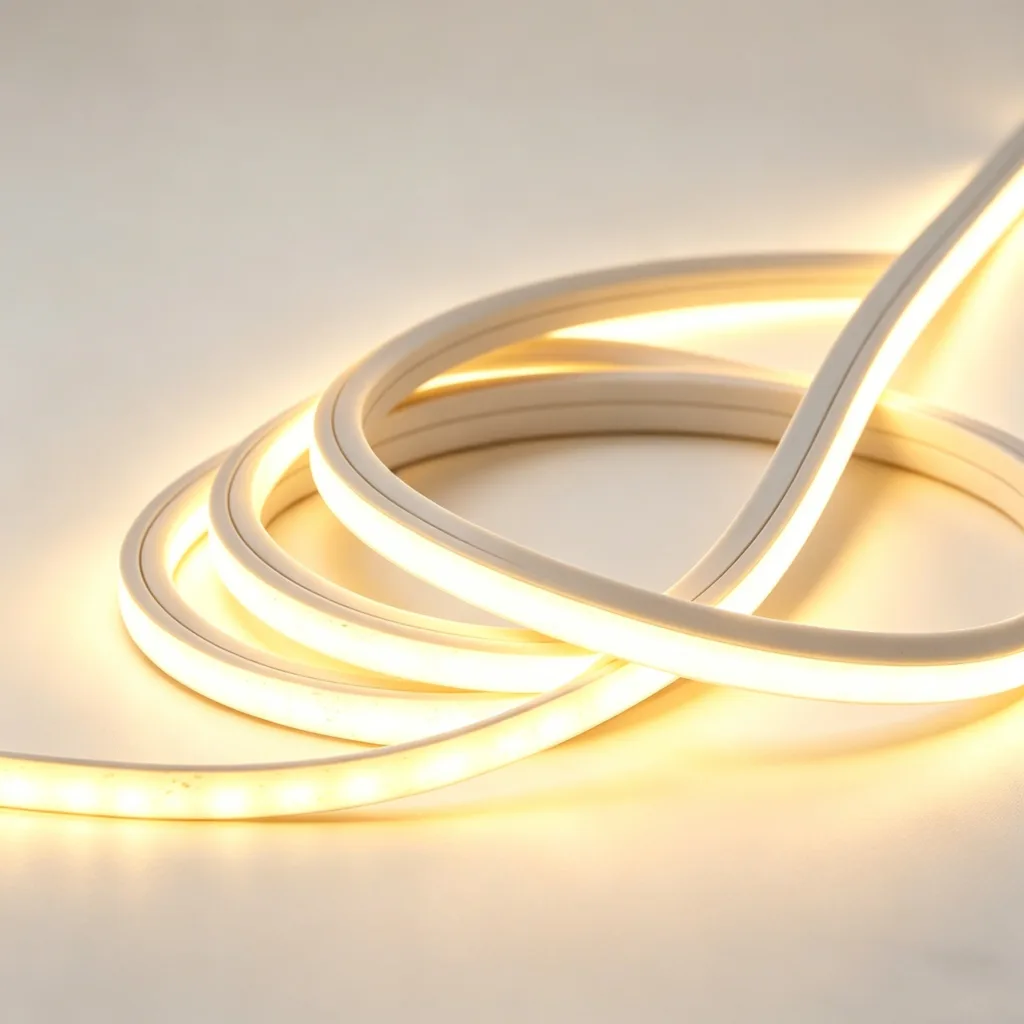
You receive the samples. The neon flex looks flawless. The brightness is uniform. The color is vivid. You sign the contract. Then three months into the project, the nightmare begins: batch inconsistency1, yellowing silicone2, and flickering zones3. You're now stuck explaining to your client why "the samples looked different."
The real challenge isn't finding a LED supplier4 in China—it's finding one that can replicate sample-level quality across 10,000 units. You're not buying a product. You're buying consistency. Without it, every low price becomes a hidden cost that haunts your entire project.
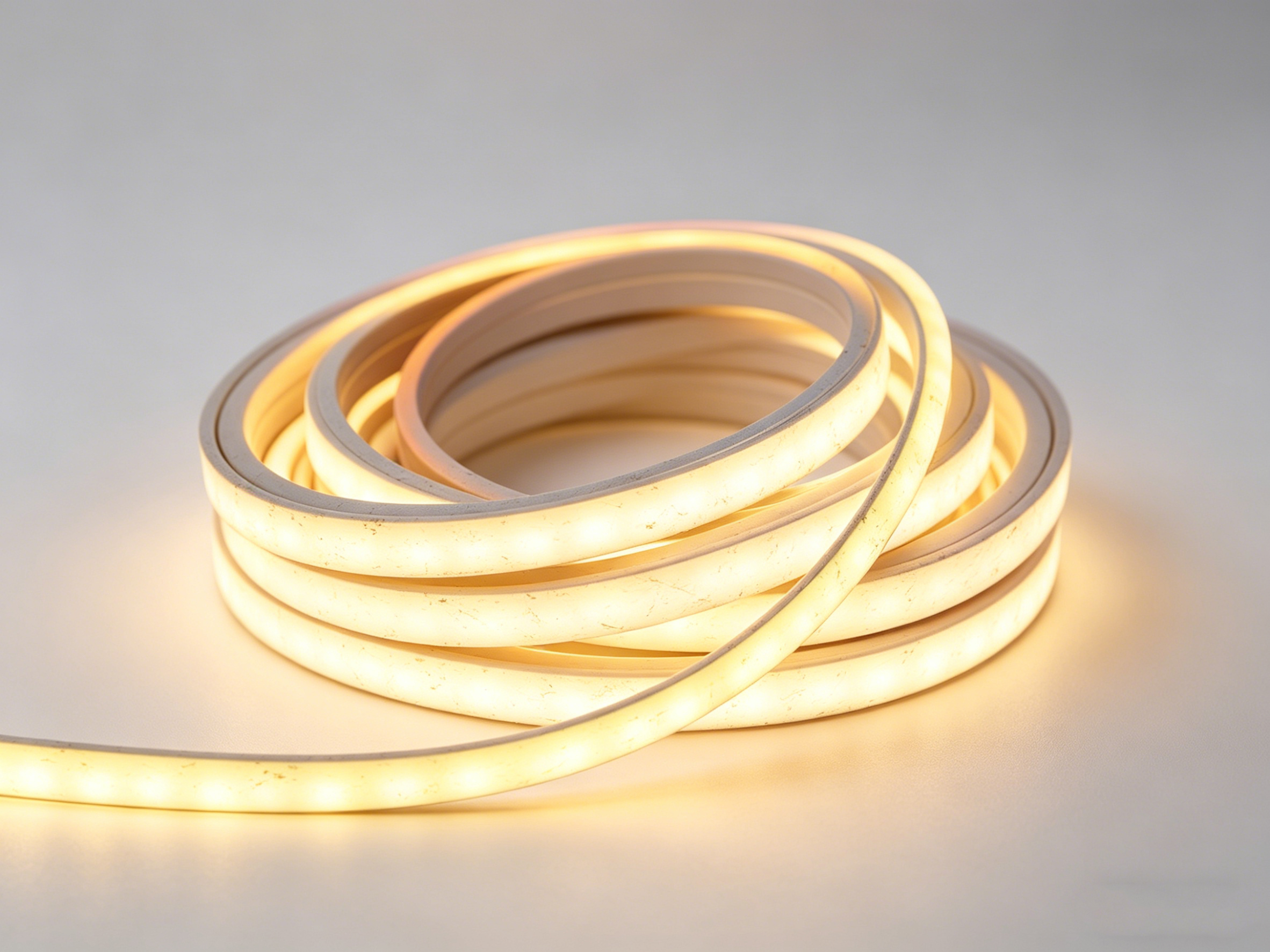
This article will show you how to avoid the most expensive mistake: choosing a supplier based on samples and price, instead of their ability to deliver stable, repeatable production. Let's break down the real process.
Why Do Most Buyers Get Burned by "Perfect Samples"?
You're not the first person to be fooled by a gorgeous sample. The pattern is predictable. The supplier sends you a demo unit that exceeds expectations. You place the order. Then reality hits.
The sample was made with premium-grade materials. The bulk order uses standard-grade substitutes. The supplier never told you there were two material tiers. You assumed consistency. They assumed you wouldn't notice.
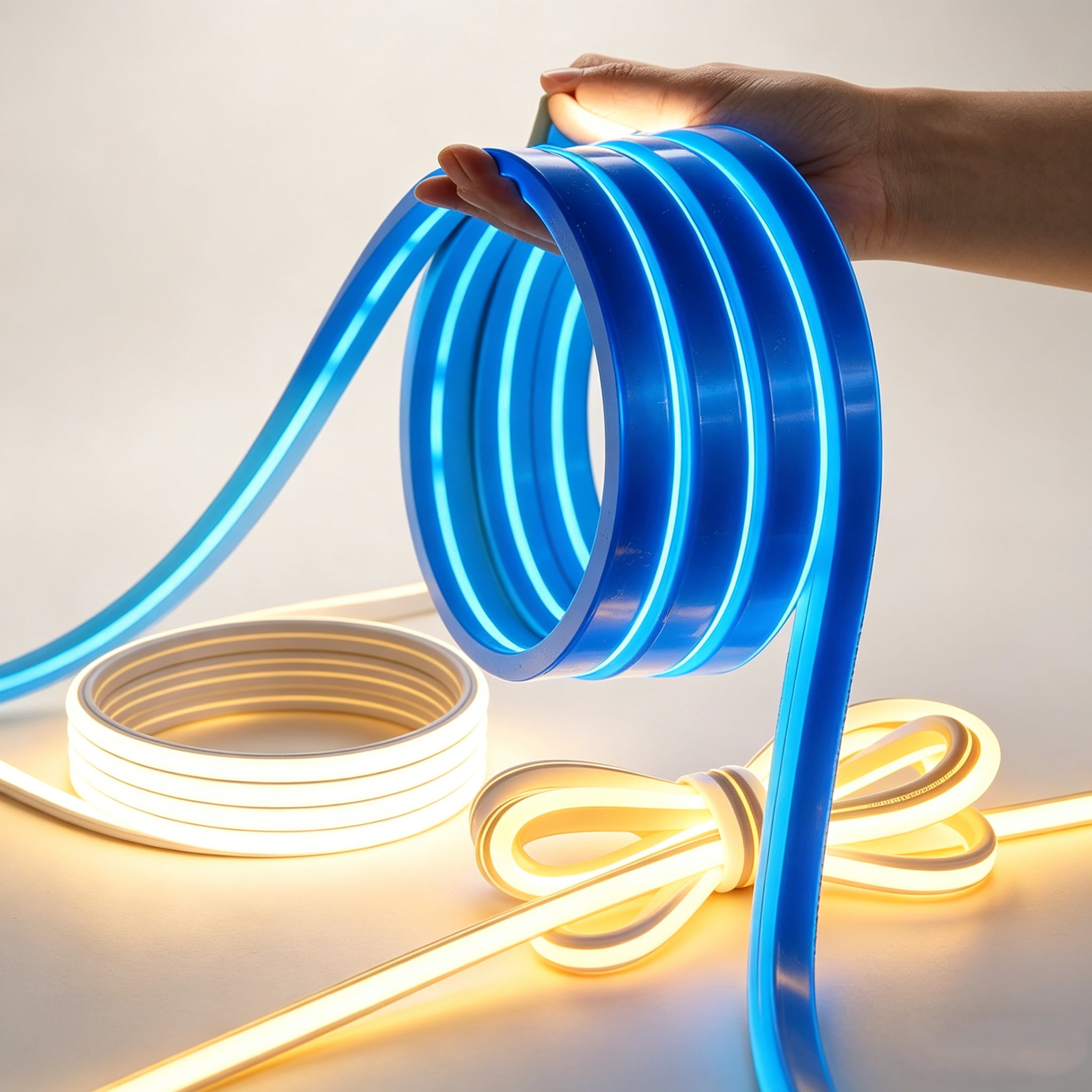
The Hidden Variables That Kill Your Project
Here's what actually changes between samples and mass production:
| Component | Sample Stage | Mass Production | Impact on You |
|---|---|---|---|
| LED BIN Selection5 | Hand-picked, tightly controlled color temperature | Mixed BINs from available stock | Color inconsistency across batches |
| Silicone Grade | Food-grade, anti-UV formulation | Standard grade with lower UV resistance | Yellowing within 6–12 months |
| Curing Process | Full 24-hour vulcanization cycle | Shortened to 12 hours to increase output | Structural weakness, cracking under stress |
| QC Method | 100% visual inspection | Random sampling (2–5%) | Defective units slip through |
I once worked with a distributor in Texas who ordered 5,000 meters of top-view silicone neon flex. The samples were flawless. The first shipment arrived with visible color banding. The second batch had inconsistent brightness. The third batch started yellowing within two months of installation. The supplier kept saying "this is normal." It wasn't. The problem was they never locked the LED BIN specification in the contract. Every batch used whatever was in stock.
The lesson: A supplier who can't guarantee material consistency across batches doesn't have a quality system. They have a lottery.
What Should You Actually Look For in a Chinese LED Supplier?
Stop evaluating suppliers based on how their samples look. Start evaluating them based on how they control their production process. Here's the framework I use.
The supplier's ability to deliver consistency is revealed in their documentation, not their salesmanship.
1. Demand Evidence of Material Traceability
Ask the supplier: "Can you show me the batch control records for your silicone and LED chips?" If they hesitate, walk away. A serious manufacturer tracks every raw material batch. They can trace a defective product back to the exact extrusion run and LED BIN lot.
What to request:
- Raw material supplier certifications (silicone manufacturer, LED chip vendor)
- Batch numbers linked to production dates
- Incoming quality inspection (IQC) reports for silicone and LEDs
At Shenzhen Alister Technology Limited, we maintain a digital traceability system. Every roll of silicone neon flex has a QR code. Scan it, and you see the LED BIN number, silicone batch, extrusion date, and curing time. This isn't optional. It's how we prevent the "sample vs. bulk" disaster.
2. Lock Critical Specifications in the Contract
Most buyers make this mistake: they approve a sample and assume the supplier will replicate it. The supplier assumes you're okay with "similar" performance. The contract says nothing specific. When the batch arrives inconsistent, both sides point fingers.
What to specify in writing:
- LED BIN code (e.g., "all LEDs must be from BIN 3SDCM, color temperature 3000K ± 100K")
- Silicone grade and UV resistance rating
- Curing time (minimum 24 hours at controlled temperature)
- Acceptable light uniformity variance (e.g., "no more than 5% brightness deviation per meter")
I've seen contracts that say "same as sample." That's not a specification. That's a guess. The sample could have been made with materials the factory no longer stocks. If you don't define the parameters, the supplier will define them for you—and they'll choose the cheapest option.
3. Request Multi-Batch Testing Data, Not a Single Report
One test report proves nothing. A supplier can cherry-pick their best batch and send you that data. What you need is evidence of consistency across multiple production runs.
What to ask for:
- Test reports from three consecutive batches (not just one)
- Aging test results (1000-hour continuous operation at 60°C)
- Color shift data after UV exposure (ASTM G154 or equivalent)
If the supplier can't provide this, they're not testing their products. They're hoping nothing goes wrong. That's not a quality system. That's gambling with your reputation.
4. Verify Performance Under Extreme Conditions
The real question isn't "does it work in the lab?" It's "does it survive the worst-case scenario your project will face?"
Stress tests you should demand:
- High-temperature endurance: 1000 hours at 60°C ambient temperature
- Thermal cycling: -40°C to +60°C, 100 cycles
- UV exposure: 1000 hours in a UV aging chamber
- Waterproofing: IP68 immersion test for 72 hours
I once tested a competitor's "IP68" product. It passed the standard 1-hour immersion test. After 48 hours, water had penetrated the silicone. The supplier's response? "Nobody tests for 48 hours." My response? "My client's underwater installation will be submerged for 5 years."
The supplier's willingness to conduct extended stress testing tells you whether they're confident in their product—or just confident in their sales pitch.
How Do You Identify a Supplier Who Can Actually Customize?
Most suppliers claim they do OEM/ODM6. What they actually mean is: "We can cut our standard product to your length and print your logo on the box." That's not customization7. That's repackaging.
True customization7 means the supplier can modify the product's structure, materials, or electronics to solve your specific problem.
The Questions That Separate Real Engineers from Resellers
When you contact a supplier, ask these questions. Their answers will reveal whether they manufacture or just rebrand.
Question 1: "Can you adjust the silicone hardness to improve flexibility for my installation?"
- Reseller answer: "Our product is already very flexible."
- Manufacturer answer: "Yes, we can reduce the Shore A hardness from 70 to 60. This will increase flexibility by approximately 15%, but may slightly reduce tensile strength. Let me send you the material spec comparison."
Question 2: "Can you integrate a DALI dimming system into your controller?"
- Reseller answer: "We have DMX. DALI is similar."
- Manufacturer answer: "Yes, we've done DALI integration for European projects. We'll need your control protocol specifications. Our engineering team will provide a wiring diagram and firmware timeline."
Question 3: "Can you provide a custom cutting length that isn't a standard increment?"
- Reseller answer: "Our minimum cutting unit is 100mm. We can't change that."
- Manufacturer answer: "Standard cutting is 100mm, but we can modify the PCB layout to support 83.33mm cuts if your project requires it. Lead time will increase by 7 days for the custom tooling."
At Shenzhen Alister Technology Limited, we've engineered custom solutions for projects that required:
- Side-view emission angles adjusted from 120° to 160° for signage applications
- Silicone formulations with enhanced salt-spray resistance for coastal installations
- SPI addressable pixel integration with custom spacing for interactive lighting
If a supplier can't explain how they would modify their product to meet your needs, they don't control the manufacturing process. They're just middlemen with a catalog.
What Red Flags Should Instantly Disqualify a Supplier?
Some warning signs are subtle. Others are glaring. Here are the ones that should end the conversation immediately.
Red Flag 1: They refuse to provide material certifications8. If a supplier won't share their silicone material safety data sheet (MSDS) or LED chip specifications, they're hiding something. Legitimate manufacturers are proud of their material sources.
Red Flag 2: They can't explain their quality control process9://arxiv.org/html/2512.05579v1)10 process. Ask: "What happens if a batch fails your internal inspection?" If they say "we don't have failures," they're lying. Every factory has defects. The question is whether they catch them before shipping.
Red Flag 3: They offer prices significantly below market average11. You're not getting a deal. You're getting inferior materials. The cost of food-grade silicone and high-CRI LEDs is fixed. If someone's price is 30% lower, they're using lower-grade components. Period.
Red Flag 4: They push you to order immediately "before the price increases." Pressure tactics are a sign of desperation, not demand. A confident supplier doesn't need to manufacture urgency.
Conclusion
Finding a reliable LED supplier4 in China isn't about who has the best samples. It's about who has the systems to replicate that quality across 10,000 units without variation. Demand traceability, lock specifications, verify multi-batch consistency, and choose a partner who can engineer solutions—not just fulfill orders.
Understanding batch inconsistency is crucial for maintaining product quality; this link provides valuable insights. ↩
Discover the factors that lead to yellowing silicone and how to prevent it in your projects. ↩
Learn about the causes of flickering zones in LED lights and how to address them effectively. ↩
Explore this resource to learn how to select a trustworthy LED supplier that ensures quality and consistency. ↩
Gain insights into LED BIN selection and its impact on color consistency in LED products. ↩
This resource clarifies the differences between OEM and ODM, helping you choose the right supplier. ↩
Learn how true customization can enhance product functionality and meet specific project needs. ↩
Discover the importance of material certifications in ensuring product safety and quality. ↩
This link outlines essential components of a quality control process to ensure product excellence. ↩
This link provides an overview of effective quality control methods to ensure product consistency. ↩
Understand how market average prices can indicate the quality of materials used by suppliers. ↩