


You see "factory direct" everywhere. But when your third batch arrives with different brightness, suddenly everyone points fingers. The real question is not who makes it, but who actually controls what goes inside.
A true LED manufacturer owns the critical processes and material specifications. If they don't control the silicone formula, LED binning protocol, or PCB design standards, you're dealing with an assembler, not a manufacturer. That means you inherit supply chain riskswithout knowing it.

I learned this the hard way after three years of dealing with what looked like solid factories. Let me show you how to spot the difference before you sign that purchase order.
What does it actually mean to "manufacture" LED lights?
You walk into a factory. You see extrusion machines, assembly lines, workers in clean suits. Everything looks legit. But here is what most buyers miss.
Manufacturing is not the same as assembling. Real manufacturing means you define the material specs, control the curing process, and lock down supplier consistency. Assembly means you buy components, put them together, and hope nothing breaks.
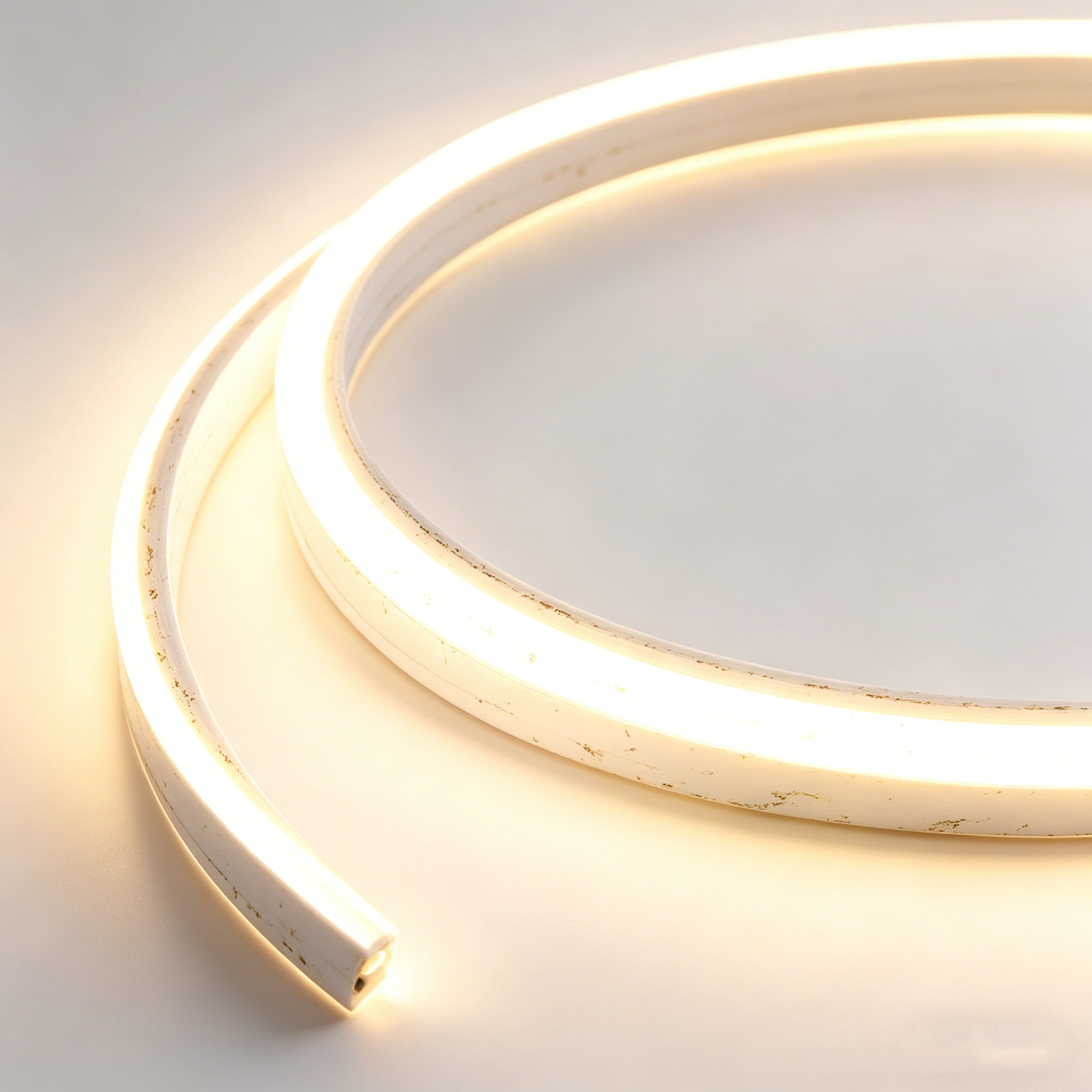
At Shenzhen Alister Technology, we don't just buy silicone from whoever offers the lowest price this month. We specify the exact molecular weight, UV stabilizer concentration, and shore hardness for each product line. When something goes wrong, we can trace it back to the extrusion temperature on a specific day. That is control.
Here is what separates a manufacturer from an integrator:
| Real Manufacturer | Component Integrator |
|---|---|
| Owns silicone formula and curing protocols | Buys pre-mixed silicone from suppliers |
| Controls LED binning and color consistency | Accepts whatever LED batch is available |
| Designs PCB layout for thermal management | Uses generic PCB templates |
| Can modify production parameters mid-run | Stuck with supplier's standard specs |
| Troubleshoots at material level | Can only replace defective units |
The scary part is that both will give you a factory tour. Both will show certifications. Both will promise consistency. But only one can actually deliver it when your customer in Germany notices that batch five looks different from batch one.
I have seen this pattern dozens of times. A distributor places a small order, everything is perfect. They scale up, and suddenly the lights start failing after six months outdoors. Why? Because the "factory" switched silicone suppliers to save two percent on material costs. They never told the buyer. They did not think it mattered.
It matters. Silicone is not a commodity. Food-grade, high-molecular silicone with proper UV inhibitors costs more. Cheaper alternatives yellow in sunlight, crack in cold weather, and let moisture seep into the LED strip. Your customer does not care that your supplier changed formulas. They care that their installation failed.
Why do so many LED "factories" lack real control?
This is the part that surprised me when I first entered this industry. I assumed every factory making LED products understood LED technology. I was wrong.
Most LED light factories are really assembly operations. They buy LEDs from one supplier, silicone from another, drivers from a third party, and put everything together. When quality issues appear, they have no way to fix the root cause because they never controlled it in the first place.
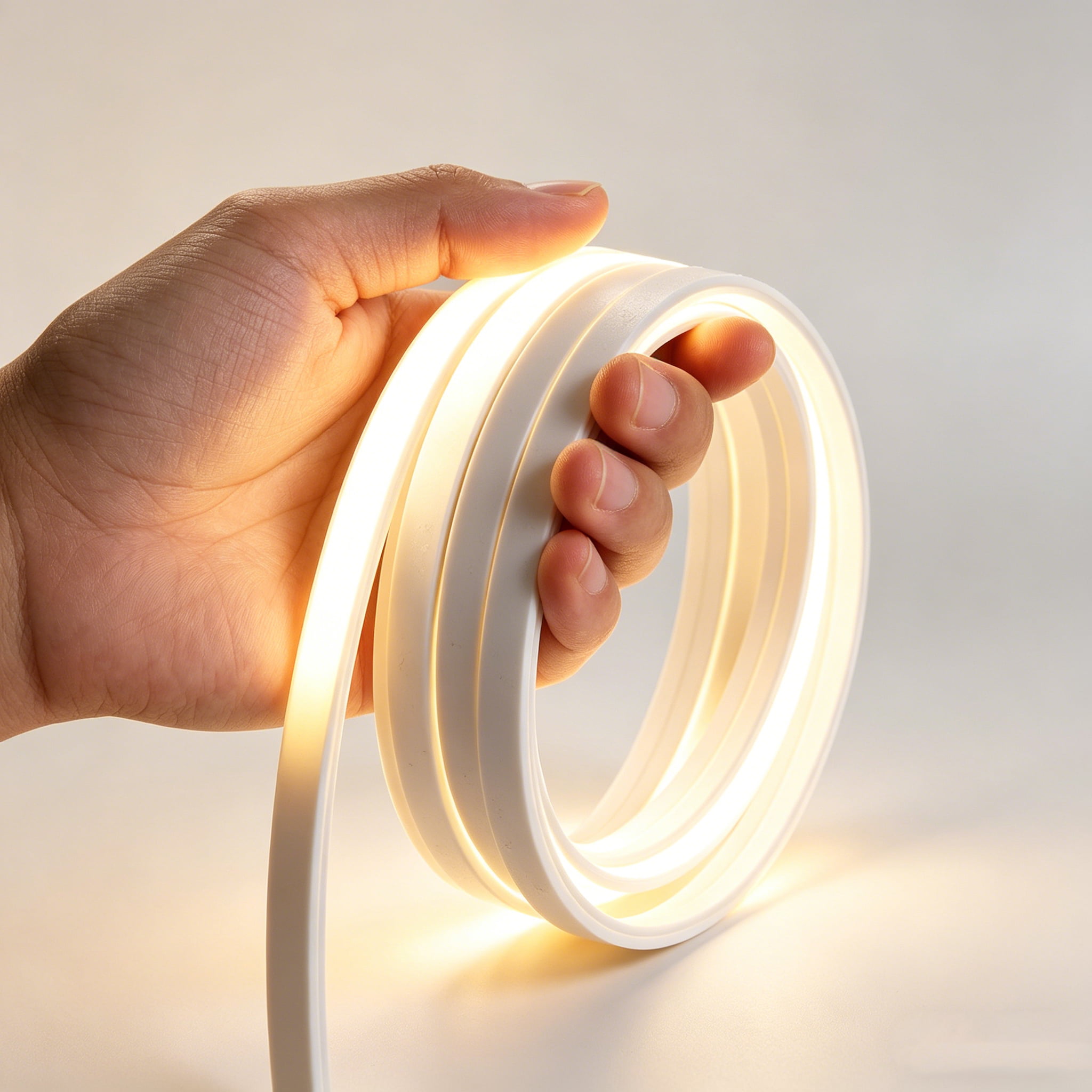
Let me break down why this happens. Manufacturing LED lighting products requires expertise in multiple domains. You need to understand semiconductor physics for LED selection and binning. You need polymer chemistry knowledge for silicone extrusion. You need thermal engineering for heat dissipation design. You need electrical engineering for driver integration and control systems.
Most small and medium factories cannot afford specialists in all these areas. So they do what seems logical. They outsource. They find a reliable LED supplier who handles binning. They buy silicone from an established chemical company. They source drivers from a power supply manufacturer. Each component comes with its own quality certificate.
The problem shows up when you try to integrate everything. Here is what actually happens in production:
LED binning drift: Your LED supplier ships batch A in January with a 3000K color temperature, plus or minus 100K. In March, they ship batch B, also rated 3000K, but it is on the warmer side of the tolerance. Technically both batches meet spec. Visually, they look different when installed side by side. The factory has no control over this because they do not bin the LEDs themselves.
Silicone formulation changes: Your silicone supplier reformulates their product to meet new environmental regulations. They notify the factory, but the factory does not have the chemistry expertise to understand the implications. The new formula has slightly different curing characteristics. It needs five degrees higher temperature and ten minutes longer curing time. The factory runs it through their existing process. The silicone does not cure properly. Six months later, it starts degrading in UV exposure.
Component compatibility issues: The factory switches to a new driver supplier because the old one raised prices. The new driver has slightly different output characteristics. It works fine in testing. But under sustained load in hot environments, it creates voltage ripple that reduces LED lifespan. The factory has no way to detect this because they do not test for long-term thermal cycling with specific driver and LED combinations.
I have seen all of these scenarios play out. The factory is not being dishonest. They genuinely believe they are manufacturing a quality product. But they lack the technical depth to control the variables that actually determine product performance.
The real manufacturers are different. At Alister, we maintain relationships with our core suppliers that go beyond purchase orders. We work with our silicone supplier to develop custom formulations for specific applications. We do not just buy "outdoor grade silicone." We specify the exact additive package for salt spray resistance, the precise shore hardness for flexibility without sagging, and the UV stabilizer concentration for five-year non-yellowing performance.
We maintain our own LED binning protocols. When we receive LED reels from our supplier, we do not just trust their binning. We verify color temperature and brightness distribution with our own spectrometer. We reject batches that are within supplier tolerance but outside our tighter internal standards. This costs us money. But it is the only way to ensure that lights shipped in January match lights shipped in November.
How can you verify real manufacturing capability?
You cannot rely on factory tours alone. Every operation looks impressive when you walk through with a sales manager. You need to ask specific questions that reveal actual control depth.
Start with the technical specifications. Ask them to explain their LED binning process. If they say "we use Epistar LEDs" or "we buy from San'an," that is a red flag. Component brand names tell you nothing about binning control. A real manufacturer will tell you their color temperature tolerance (we use plus or minus 50K, not the industry standard plus or minus 150K), their brightness binning protocol (we batch by 5% lumen increments), and how they verify consistency across production runs.
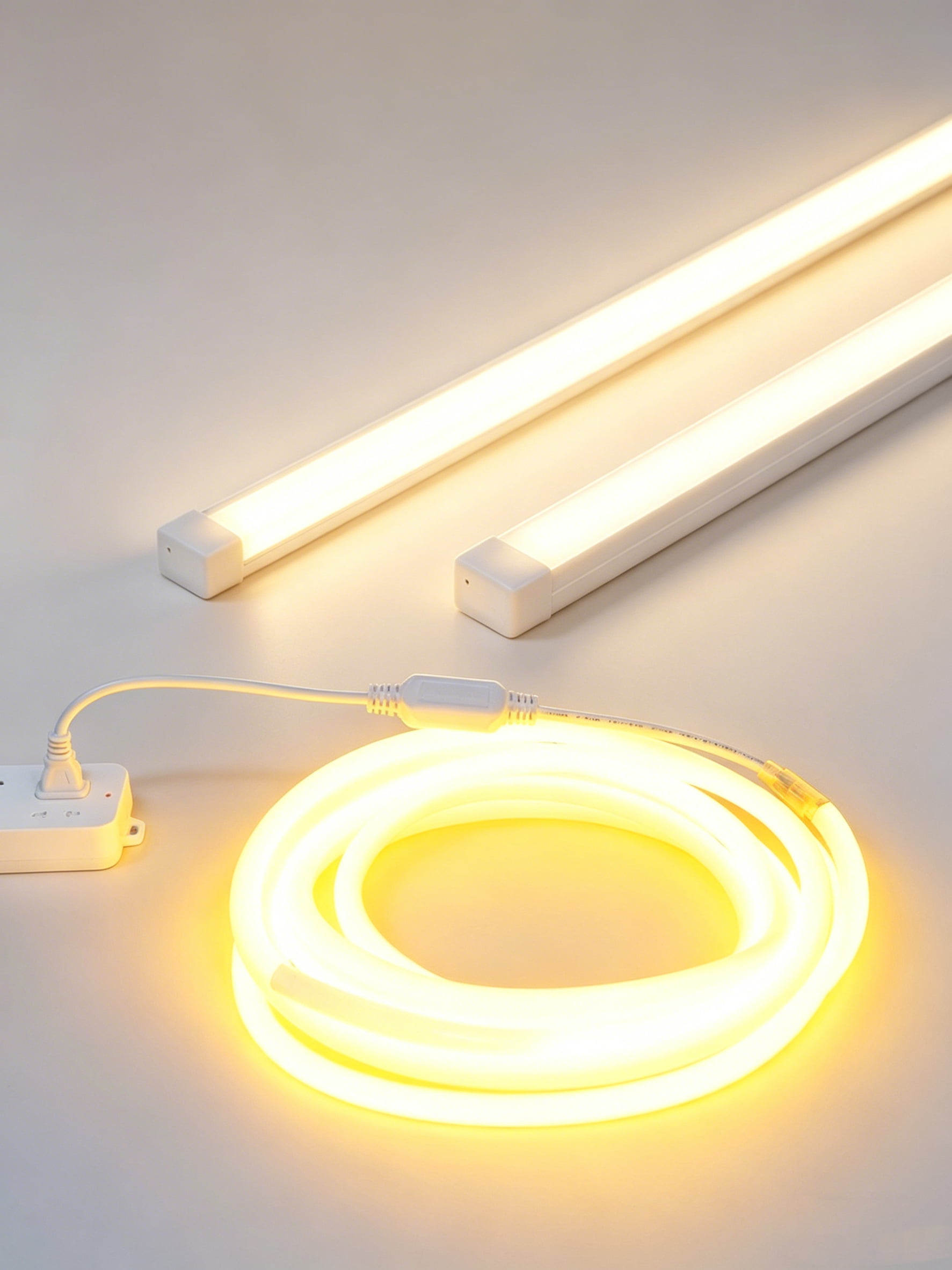
Ask about their silicone sourcing. If they mention a brand name and nothing else, they are just buying off the shelf. Ask them about shore hardness specifications, tensile strength requirements, and UV resistance testing protocols. A real manufacturer will have detailed answers because they worked with their supplier to develop those specifications.
Here are the questions that separate real manufacturers from assemblers:
Question 1: What happens when you detect a quality issue in production?
- Assembler answer: "We contact our supplier and get replacement components."
- Manufacturer answer: "We analyze the failure mode, identify whether it is material-related or process-related, and adjust our production parameters or material specifications accordingly."
Question 2: Can you modify the product design for my specific application?
- Assembler answer: "We have standard models. You can choose from our catalog."
- Manufacturer answer: "Tell me about your installation environment and performance requirements. We can adjust the LED density, silicone hardness, and sealing method to optimize for your conditions."
Question 3: How do you ensure consistency across different production batches?
- Assembler answer: "We use the same suppliers and follow the same assembly process."
- Manufacturer answer: "We maintain statistical process control on critical parameters like extrusion temperature, curing time, and LED placement accuracy. We keep samples from each batch for long-term comparison testing."
Question 4: What is your warranty claim process?
- Assembler answer: "We replace defective units."
- Manufacturer answer: "We analyze every warranty claim to identify root cause. If it is a design issue, we modify the design. If it is a material issue, we work with our supplier to adjust specifications. If it is an installation issue, we provide better installation guidelines."
The difference is obvious when you know what to listen for. Assemblers react to problems. Manufacturers prevent them.
I recommend asking for cross-batch testing data. Request samples from three different production runs, separated by at least two months. Test them for color consistency, brightness uniformity, and flexibility. If they cannot provide samples from different batches, or if the samples show significant variation, you know they do not have real process control.
Ask to see their quality control documentation. A real manufacturer maintains detailed records of production parameters, incoming material inspections, and outgoing product testing. They can show you temperature logs from their extrusion process, spectral analysis data from their LED verification, and aging test results from their reliability testing.
Most importantly, ask about their problem-solving capability. Describe a hypothetical scenario where your customer reports that the lights installed in a coastal environment are showing signs of degradation after one year. Ask how they would investigate and resolve this issue. An assembler will offer to send replacement units. A manufacturer will ask detailed questions about the installation conditions, request failed samples for analysis, and propose design modifications to prevent recurrence.
What are the risks of working with component integrators?
The biggest risk is not initial quality. Most integrators can deliver acceptable products when everything goes smoothly. The risk appears when something changes.
Your integrator's supplier raises prices. They switch to a cheaper alternative without telling you. Your next batch has different performance characteristics. You discover the problem only after installation, when customers start complaining.

This happened to one of our clients before they switched to working with us. They were buying side-view silicone neon flex from what looked like a solid factory. First three orders were perfect. Fourth order arrived with a slight color shift. Not enough to reject, but noticeable when installed next to the previous batches. They asked their supplier what changed. The supplier blamed the LED manufacturer. The LED manufacturer blamed their phosphor supplier. Nobody could fix it because nobody actually controlled the complete process.
Here are the specific risks you inherit when working with integrators:
Supply chain instability: Your integrator depends on multiple suppliers. Any one of them can have quality issues, capacity problems, or go out of business. When that happens, your integrator scrambles to find alternatives. Each supplier change introduces new variables that affect product performance.
Batch-to-batch variation: Even when suppliers do not change, component specifications can drift over time. LED manufacturers adjust their phosphor blends. Silicone suppliers modify their formulations. Each change is small enough to stay within component specifications but large enough to create visible differences in the final product.
Limited customization capability: If you need a product modified for a specific application, an integrator can only work within the constraints of their suppliers' standard offerings. They cannot adjust the silicone formula for better cold weather performance. They cannot modify the LED spacing for more uniform light distribution. They are stuck with whatever their component suppliers provide.
Slow problem resolution: When quality issues appear, integrators have to work through their suppliers to understand what happened. This takes time. Meanwhile, your customers are waiting for answers and solutions. The integrator cannot fix problems directly because they do not control the materials or processes that caused the problems.
No long-term improvement: Integrators cannot systematically improve their products because they do not control the key variables. They can switch suppliers, but that just replaces one set of unknowns with another. Real product improvement requires understanding material science, process engineering, and application requirements. Integrators typically lack this expertise.
I have watched this pattern repeat across different product categories. A buyer finds a factory offering good prices and acceptable initial quality. They place larger orders. Then something changes. The factory's LED supplier has a bad batch. The silicone supplier reformulates. A new driver model has compatibility issues. Each time, the buyer faces delays, quality problems, and finger-pointing between suppliers.
The financial impact adds up quickly. You have to handle customer complaints. You might need to replace installed products. You lose credibility with your clients. Your project timelines slip. All because your "manufacturer" could not control their own product.
Conclusion
Finding a real LED manufacturer means looking past the factory tour and asking who actually controls the critical specifications. Without that control, you are betting your business on someone else's supply chain decisions.