

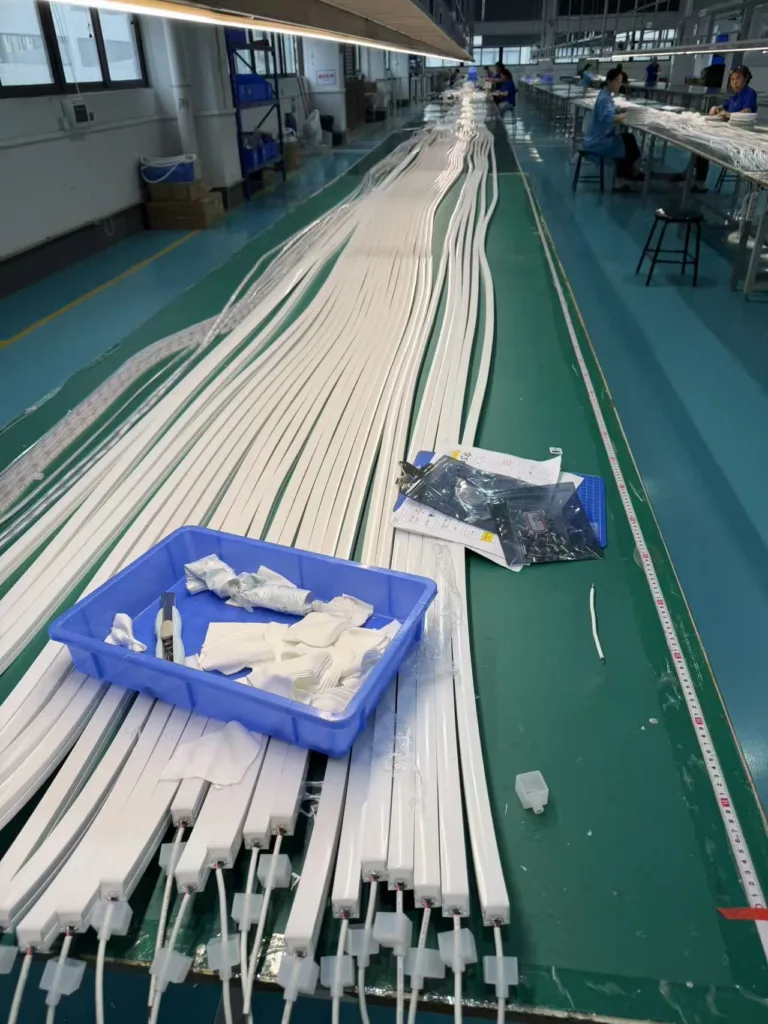
RGBW neon strips promise millions of colors and dynamic effects. But most installations fail because of poor color mixing and inconsistent white tones. The real challenge is not the LEDs—it's the precision control system behind them.
A 5m RGBW silicone LED neon strip light delivers accurate colors only when advanced calibration, optimized diffusion, and strict quality control work together. Without these three elements, you get mixed colors, batch inconsistencies, and visual failures that are impossible to fix after installation.
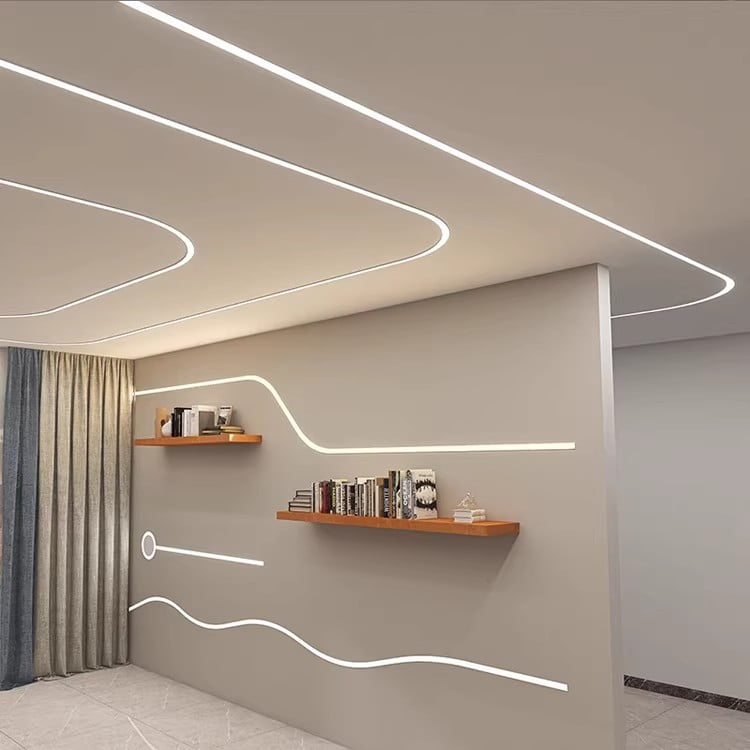
I've seen countless projects where clients chose RGBW strips based on spec sheets alone. The results were disappointing. Colors looked different from batch to batch. White tones shifted from warm to cool unpredictably. And once the installation was complete, there was no easy fix. That's why I want to share what actually makes RGBW lighting work in real applications.
What Makes RGBW Different from Standard RGB Strips?
RGBW technology sounds straightforward. You add a white LED chip to the standard red, green, and blue configuration. But this fourth channel creates a complex control challenge that most manufacturers don't solve properly.
RGBW strips combine four separate LED channels—red, green, blue, and white—to create a wider color spectrum and more accurate white tones. However, without precise calibration between these channels, the colors become muddy and the white output becomes inconsistent.
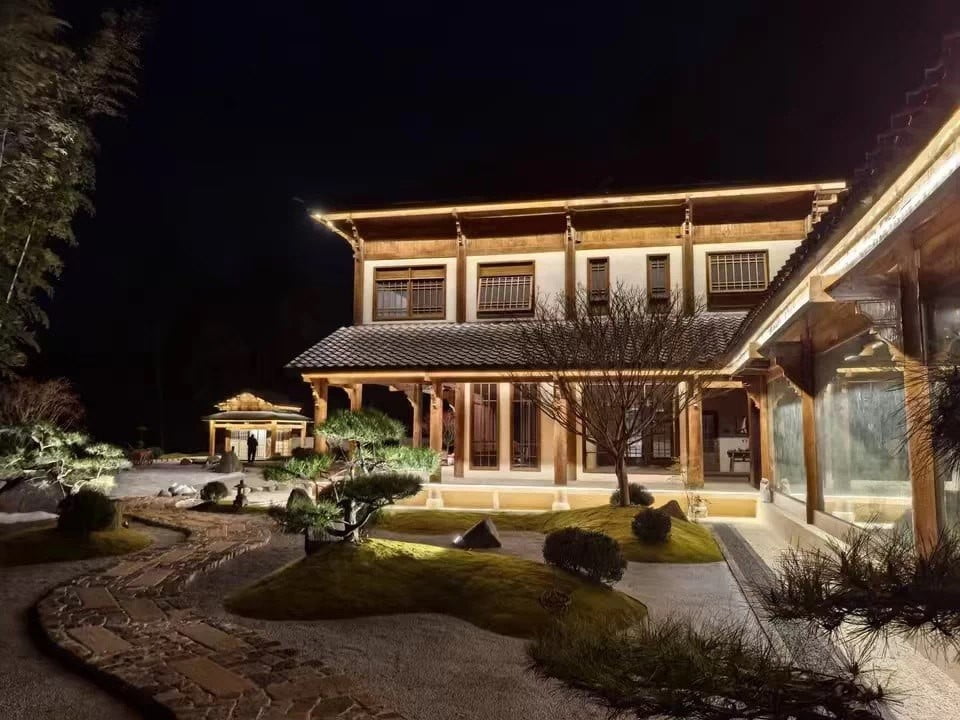
The white channel in RGBW strips serves two critical functions. First, it produces pure white light without forcing RGB LEDs to run at full brightness, which reduces heat and extends lifespan. Second, it enables accurate pastel colors that RGB-only strips cannot achieve. When you try to create soft pink or light blue with RGB alone, the colors look washed out or artificially bright. The dedicated white channel solves this problem.
But here's where most products fail. The four channels need different voltage levels and current controls to produce balanced output. Red LEDs typically require lower voltage than blue. White LEDs have different thermal characteristics than colored ones. If the manufacturer doesn't account for these differences, you get color drift as the strip heats up during operation.
I've tested strips from different suppliers in our laboratory. We run them continuously for 24 hours and measure color output every hour. The results are revealing. Low-quality RGBW strips show noticeable color shift after just 3-4 hours. The white becomes bluish. The red becomes orange. The overall color palette becomes unpredictable. Our 5m RGBW silicone neon strips maintain color consistency within 2% deviation across the entire test period.
| Color Parameter | Standard RGBW Strip | Our Calibrated RGBW Strip |
|---|---|---|
| Color Shift (24hr) | 8-12% | <2% |
| White CCT Variance | ±300K | ±50K |
| Batch Consistency | Not guaranteed | ±3% across batches |
| Heat-Related Drift | Significant after 4hr | Minimal after 24hr |
How Does Silicone Diffusion Affect RGBW Color Quality?
The silicone extrusion isn't just a protective cover. It's an optical component that directly impacts how colors appear to the human eye. Poor diffusion creates visible LED spots and uneven color mixing. Professional diffusion creates smooth, consistent color output.
Silicone diffusion quality determines whether your RGBW strip produces clean colors or muddy spots. Our molecular-grade silicone structure is engineered with specific light-scattering properties that blend the four LED channels into uniform color output across the entire 5-meter length.
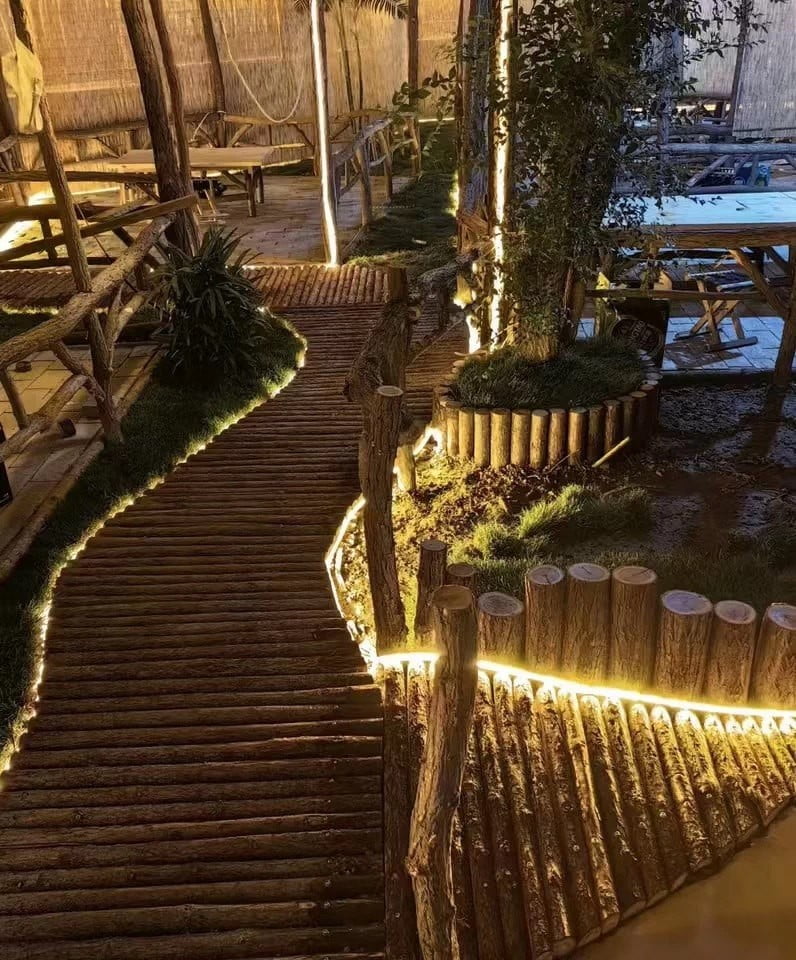
Most manufacturers use standard silicone extrusion designed for single-color applications. They simply insert RGBW LED strips into the same profiles they use for warm white or RGB products. This approach fails because RGBW requires more sophisticated light mixing. Four separate light sources need to combine visually before they reach the viewer's eye.
I've observed this problem in architectural projects. A client installed standard RGBW strips in a hotel lobby. From close range, you could see distinct red, green, blue, and white dots. The effect looked cheap and unfinished. We replaced them with our diffusion-optimized silicone neon strips. The difference was dramatic. The colors appeared as pure, blended tones without any visible LED structure.
The science behind this is material engineering. We modify the silicone compound with light-scattering particles at the molecular level. These particles redirect light rays multiple times before they exit the silicone surface. Each redirection mixes the four LED colors more thoroughly. The result is what lighting designers call "dotless illumination"—you see pure color, not individual LEDs.
The silicone thickness also matters. Too thin, and you get insufficient diffusion with visible LED spots. Too thick, and you lose light output efficiency. Our 5m RGBW strips use a precisely calculated silicone wall thickness of 3.5mm. This dimension provides optimal diffusion while maintaining 92% light transmission efficiency.
Temperature affects silicone optical properties. Some materials become more transparent when heated, which changes the diffusion characteristics. Our food-grade silicone maintains stable optical properties from -40°C to +60°C. This stability ensures your RGBW colors look the same whether installed in outdoor winter environments or indoor heated spaces.
Why Does Batch Consistency Matter for Multi-Location Projects?
Large-scale projects require multiple purchases over time. Retail chains, hotel groups, and commercial developments all face this challenge. If each batch of RGBW strips produces slightly different colors, the entire installation looks inconsistent.
Batch consistency ensures that RGBW strips purchased months apart produce identical colors in your installation. We maintain strict LED binning protocols and manufacturing standards that keep color variation under 3% across different production runs.

I worked with a retail brand that had 50 locations across three countries. They wanted identical brand colors in every store. The challenge was that they couldn't purchase all 50 installations at once. They needed three separate orders spread over eight months. Any color variation between batches would destroy the brand consistency they were trying to achieve.
This is where LED binning becomes critical. When manufacturers purchase LEDs from chip suppliers, each batch has slight variations in wavelength and brightness. These variations are normal in LED production. But they need to be controlled. We solve this by implementing a three-tier binning system.
First, we purchase only premium-grade LEDs with tight wavelength specifications. Red LEDs must be within 620-625nm. Green must be 520-525nm. Blue must be 465-470nm. And white must be within a 100K CCT range. These tight specifications cost more, but they provide the foundation for consistent color output.
Second, we conduct incoming quality control where we test random samples from each LED batch. If the LEDs fall outside our specifications, we reject the entire batch. This quality gate prevents inconsistent components from entering our production line.
Third, we maintain LED inventory from the same production batches. When a client places multiple orders, we reserve LED strips from the same batch for their project. This ensures absolute color matching across different purchase orders.
The result is measurable. We recently completed a project where the client ordered RGBW strips in January, March, and July. We tested samples from all three shipments side-by-side in our laboratory. The color variation was less than 2%—invisible to the human eye even when the strips were placed directly next to each other.
| Consistency Factor | Industry Average | Our Standard |
|---|---|---|
| LED Wavelength Variance | ±10nm | ±5nm |
| White CCT Variance | ±500K | ±100K |
| Brightness Uniformity | 85% | 95% |
| Cross-Batch Matching | Not tracked | <3% variance |
What Quality Tests Ensure Long-Term RGBW Performance?
Laboratory testing before shipment prevents field failures. But not all tests are equally valuable. We focus on the tests that predict real-world performance problems.
Our 5m RGBW strips undergo continuous operation testing, thermal cycling, and accelerated aging protocols that simulate years of actual use. These tests identify potential color drift, LED degradation, and control circuit failures before the product reaches your installation site.

The most revealing test is continuous operation under maximum load. We run RGBW strips at full brightness for 168 hours straight—that's one full week. Most quality issues appear within this timeframe. Poor solder joints overheat and fail. Inadequate heat dissipation causes LED color shift. Weak control circuits begin producing erratic color output.
I've seen competitors' products fail this test dramatically. Within 48 hours, some strips showed visible color degradation. The red LEDs dimmed faster than blue, creating an unnatural color balance. The white channel shifted toward blue as phosphor coating degraded from heat stress. These are the exact problems that would appear in real installations after a few months of operation.
Our strips pass the 168-hour test with less than 1% brightness degradation and no measurable color shift. This performance comes from three design decisions. First, we use copper PCB substrate with superior thermal conductivity. Second, we specify LED chips with high thermal stability ratings. Third, we apply automotive-grade conformal coating to protect solder joints from thermal stress.
Thermal cycling tests reveal another common failure mode. We subject strips to repeated temperature changes from -20°C to +50°C in two-hour cycles. This simulates outdoor installations that experience day-night temperature swings. Poor-quality strips develop micro-cracks in solder joints that eventually cause complete LED failure. Our silicone neon flex maintains full functionality after 500 thermal cycles.
UV exposure testing is critical for outdoor applications. UV radiation degrades both silicone material and LED phosphors. We use QUV accelerated weathering chambers that expose strips to 340nm UV-A radiation equivalent to six months of direct sunlight. After this exposure, our strips show no yellowing, no silicone degradation, and less than 5% brightness loss.
Water immersion testing verifies our IP68 rating. We submerge complete 5m strips in water for 72 hours while operating at full brightness. The test checks for water ingress, electrical shorts, and corrosion. Our sealed silicone construction passes this test with zero water penetration.
| Performance Test | Duration | Pass Criteria | Our Results |
|---|---|---|---|
| Continuous Operation | 168 hours | <5% degradation | <1% degradation |
| Thermal Cycling | 500 cycles | No LED failure | 100% functional |
| UV Exposure | 500 hours | <10% brightness loss | <5% brightness loss |
| Water Immersion | 72 hours | No water ingress | Zero penetration |
How Do Real Projects Use 5m RGBW Silicone Neon Strips?
Understanding actual applications helps you evaluate whether RGBW technology fits your project requirements. The 5-meter length is not arbitrary—it's optimized for common installation scenarios and voltage drop considerations.
Our 5m RGBW silicone neon strips are designed for retail displays, architectural accent lighting, and entertainment venues where color accuracy, installation flexibility, and long-term reliability are essential. The 5-meter length provides enough coverage for most feature walls while maintaining consistent brightness from end to end.

Retail installations demand brand-accurate colors. I worked with a fashion retailer who needed their signature coral color reproduced exactly in 30 stores. RGB-only strips couldn't match the color—too bright and artificial. Our RGBW strips blended red, white, and a touch of green to create the exact shade their brand guidelines required. The white channel added the softness that made the color appear natural.
Architectural applications use RGBW for cove lighting and facade accents. A recent hotel project used our strips behind translucent ceiling panels in the lobby. The designers wanted the ability to change the ambiance from warm white for daytime to colored effects for evening events. The RGBW configuration let them switch from 3000K warm white to saturated colors without changing the installation.
Entertainment venues need dynamic effects with reliable performance. A nightclub installation required strips that could handle continuous operation for 10-12 hours nightly. They needed fast color transitions, strobe effects, and synchronized control across 200 meters of total length. Our DMX-compatible RGBW strips delivered the programming flexibility they needed, while the silicone construction handled the continuous heat load without degradation.
The 5-meter length matches common architectural dimensions. Standard retail wall sections are often 3-5 meters. Hotel room features fit within 5-meter runs. Restaurant booth sections align with this length. By optimizing for 5 meters, we provide installation flexibility while maintaining electrical efficiency.
Voltage drop is the technical reason behind the 5-meter specification. With 24V DC systems, electrical resistance in the copper traces causes voltage reduction along the strip length. This voltage drop makes LEDs at the far end dimmer than those near the power connection. At 5 meters with our optimized PCB design, voltage drop stays under 3%, which is imperceptible to viewers. Beyond 5 meters, you need additional power injection points to maintain uniform brightness.
Some projects connect multiple 5-meter strips to cover longer distances. This works well when you plan the power injection correctly. For every 10 meters, you need a new 24V power connection. Our connection system uses sealed silicone end caps with power feed-through capability, making these multi-strip installations reliable and waterproof.
Conclusion
RGBW silicone neon strips deliver accurate colors only when manufacturing precision matches design ambition. From our Shenzhen facility, we ensure every 5-meter strip meets the exacting standards that professional projects demand.