

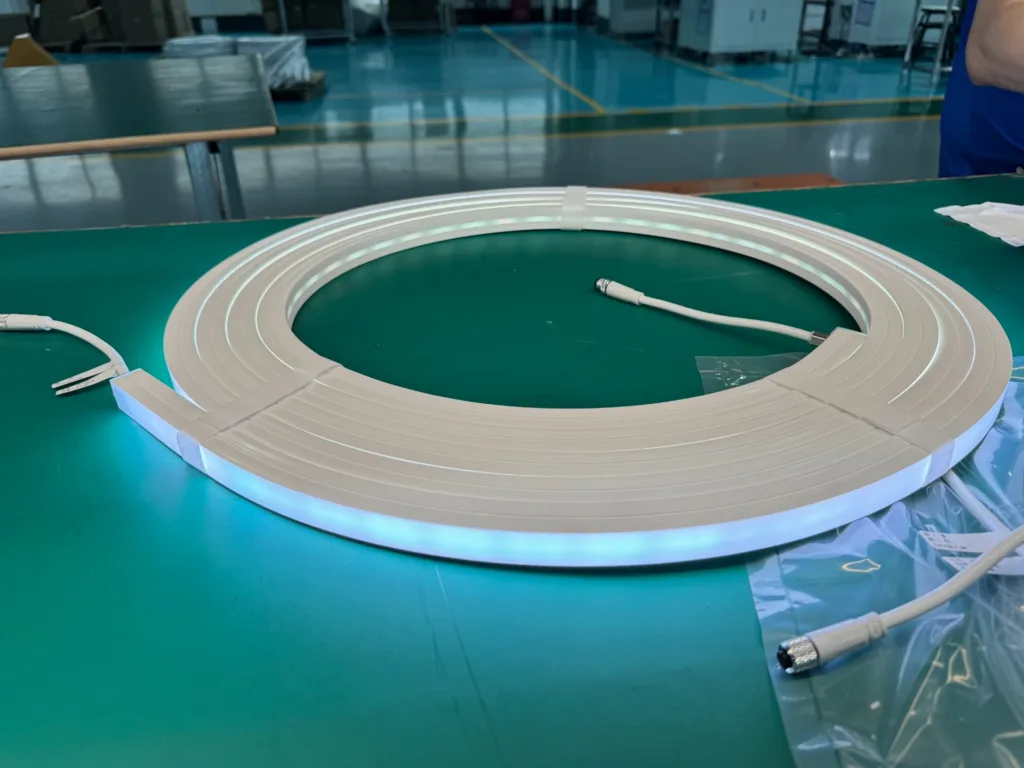
I've been in the LED strip lighting industry for years, and I've learned something critical. The real difference between quality and poor products isn't about brightness specs. It's about whether the system stays stable after six months of operation.
The true measure of LED strip quality lies in one simple question: Does the combination of materials, power systems, and structural design maintain consistency under long-term thermal cycling, not just at the factory gate? Most projects fail because buyers assume all LED strips behave predictably over time. That assumption is wrong.
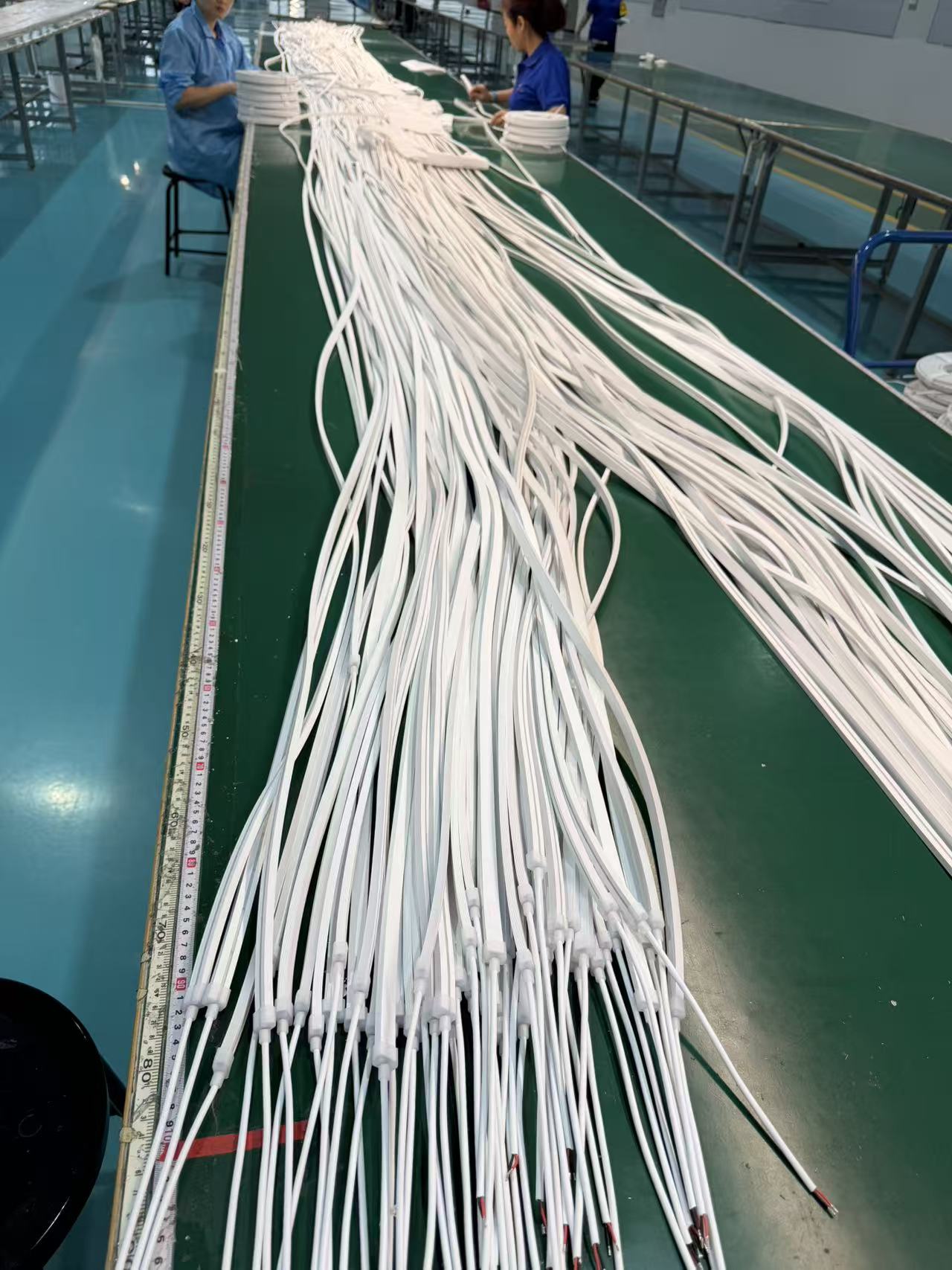
I want to share what I've learned from real projects. This isn't theory from textbooks. These are patterns I've seen destroy installations and waste client budgets.
What Are the Hidden Risks That Actually Determine Project Lifespan?
People focus on the wrong things when choosing LED strips. They look at brightness and IP ratings. They miss the real issues.
The difference between quality and poor LED strips shows up in three stability indicators: whether copper foil resistance increases during thermal cycles, whether silicone-PCB interfaces develop micro-delamination, and whether LED degradation curves remain consistent across batches. When any of these fail, you don't see sudden failure—you see gradual deterioration that looks like localized dimming, color layering, tail-end decay, and delayed waterproofing failure.
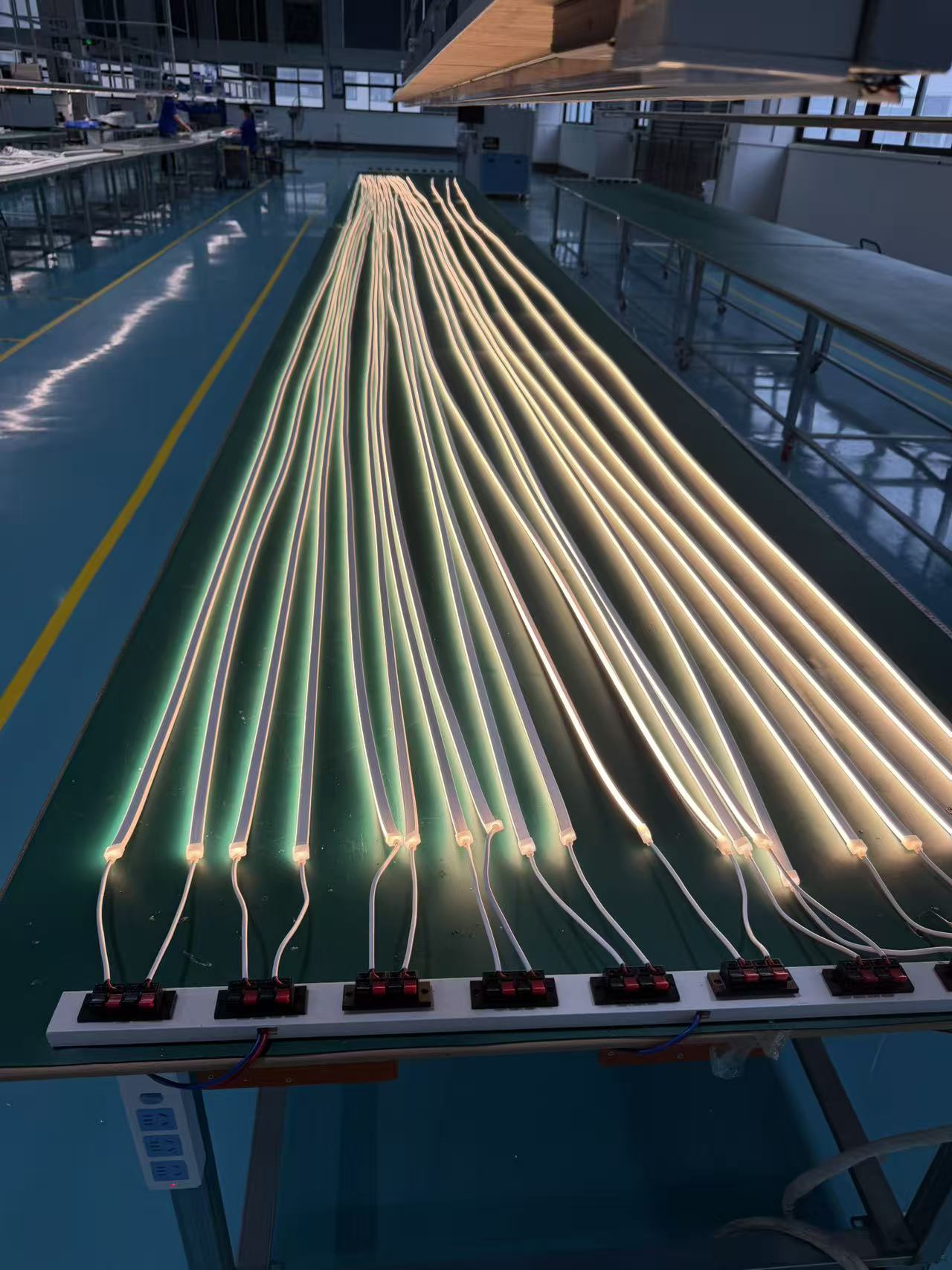
The Three Silent Killers of LED Strip Performance
I need to break down these three factors because they operate invisibly. Quality control passes them. Lab tests don't catch them. But they destroy projects.
Copper Foil Resistance Drift
Quality strips use copper with stable electrical properties. Poor strips use thinner copper that seems fine initially. But under thermal cycling, the resistance creeps up. This isn't dramatic. You won't measure it with basic tools. But over months, the tail end of your strip gets less voltage. It dims compared to the beginning.
| Quality Level | Copper Thickness | 6-Month Resistance Change | Result |
|---|---|---|---|
| Premium | 2oz+ consistent | <2% variance | Uniform brightness |
| Standard | 1-2oz variable | 5-8% variance | Slight tail dimming |
| Poor | <1oz inconsistent | >10% variance | Obvious degradation |
Interface Delamination
This one frustrates me because it's completely preventable. Quality manufacturers understand material chemistry. They know which silicones bond permanently with which PCB coatings. Poor manufacturers just apply whatever silicone is cheapest.
The problem doesn't show up as visible cracks. Instead, you get micro-gaps at the material boundary. These gaps allow moisture migration. They create thermal barriers. The LED heats up slightly more than designed. It ages faster. You see this as localized dark spots or color shifts.
Batch Consistency Failure
This is the most insidious problem. A manufacturer sources LEDs from multiple bins. The bins have slightly different spectral outputs. Quality manufacturers lock their binning tolerances tight. They test degradation curves. They ensure that even if individual LEDs vary, they age consistently.
Poor manufacturers don't do this work. They assume LEDs are LEDs. So your first batch performs fine. Your second batch looks identical initially. But six months later, one section of your installation looks cooler than another. You can't fix it without replacing entire runs.
Why Do Projects Fail After Passing Initial Quality Checks?
I want to tell you about a real project that haunts me. It illustrates why conventional quality thinking fails with LED strips.
A commercial facade project used strips that met every specification: 24V IP67 waterproof LED strip lights, LM80 certification showing 50,000-hour lifespan, and successful high-low temperature cycling tests. The first three months looked perfect—consistent light output, uniform color temperature, no visible issues.
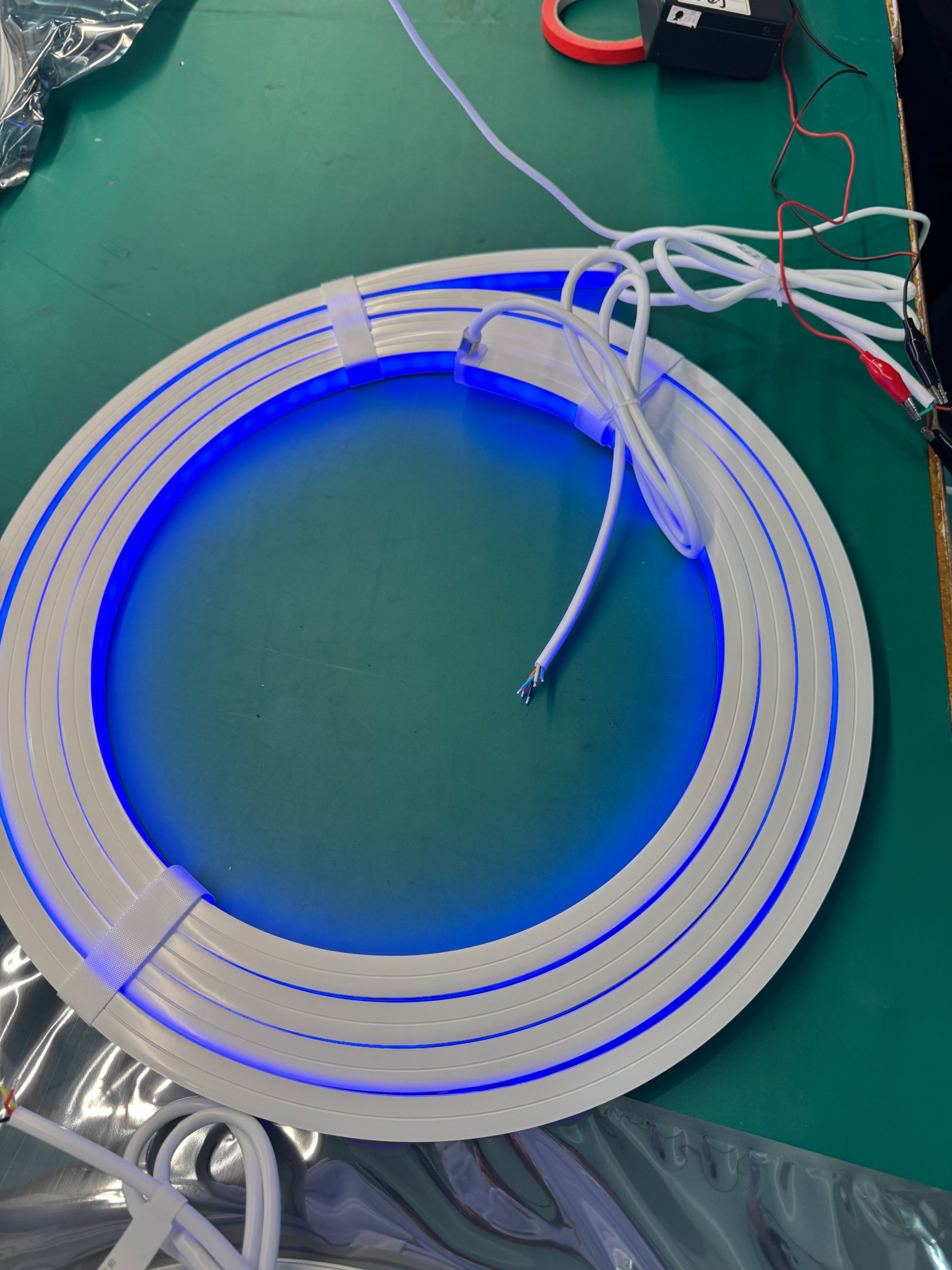
The Slow-Motion Disaster
Between months four and eight, the installation started fragmenting. Not failing completely, but degrading in ways that looked unprofessional:
- Segmented brightness differences across the building facade
- Subtle color banding within supposedly identical strips
- Corner areas notably dimmer than straight runs
- Localized waterproofing failures with no obvious damage points
We pulled samples for analysis. The findings weren't simple. They never are with real failures:
Material System Breakdown
- LED binning had micro-offsets between batches (invisible to naked eye)
- Copper foil thickness variations created uneven resistance
- Silicone-adhesive interface developed slip under thermal cycling
- Installation structure created stress concentration points during thermal expansion
- Power supply operated in light-load conditions, increasing ripple percentage
The critical insight? Every component passed individual testing. The system failed because no one tested for long-term interaction under real-world structural constraints.
What the Lab Tests Missed
Laboratory testing follows standards. Standards assume controlled conditions. Real installations face:
- Mounting surfaces that expand at different rates than the strip
- Thermal cycles that aren't symmetric (hot days, cool nights, then weeks of stability)
- Electrical loads that vary as building usage changes
- UV exposure that varies by facade orientation
- Stress concentrations at mounting clips that weren't included in bend tests
Quality LED strips are engineered for these conditions. Poor strips are optimized to pass standardized tests.
How Do Professionals Really Evaluate LED Strip Quality?
I've learned to ignore specifications and focus on failure pathways. This shift in thinking separates experienced buyers from novices.
Look at Copper Foil, Not Power Ratings
Power ratings tell you what the strip can do initially. Copper quality tells you what it will do in year three.
Quality manufacturers use consistent copper thickness. They control the plating process. They understand that electrical resistance must stay stable across thermal cycles.
Poor manufacturers focus on initial conductivity. They don't track how resistance changes after 5,000 thermal cycles. So their strips work fine for months, then the tail end starts dimming. You measure voltage drop and find resistance has crept up 15%. But you've already installed 500 meters.
Premium vs Standard Copper Performance
| Test Condition | Premium Copper | Standard Copper | Poor Copper |
|---|---|---|---|
| Initial resistance | 100% baseline | 100% baseline | 100% baseline |
| After 3 months | 101% | 103% | 108% |
| After 6 months | 102% | 107% | 115% |
| After 12 months | 103% | 112% | 125% |
The difference seems small. But in a 20-meter run, that resistance increase means the last two meters get 8-12% less voltage. LEDs dim noticeably. Color temperature shifts slightly. The installation looks unprofessional.
Look at Encapsulation Structure, Not IP Rating
IP67 tells you the strip passed a 30-minute water immersion test. It doesn't tell you whether the materials remain bonded after 500 thermal cycles.
Quality encapsulation isn't just about keeping water out initially. It's about maintaining that barrier as materials expand and contract at different rates.
I focus on three things:
Chemical Compatibility Quality manufacturers match silicone chemistry to PCB coating. They test for long-term adhesion. They know which material combinations develop interface migration over time.
Poor manufacturers apply generic silicone to whatever PCB coating is cheapest. It bonds initially. But thermal cycling creates micro-gaps. These gaps allow moisture infiltration. You don't see water inside the strip, but you see the effects: LED degradation, color shifts, and eventual failure.
Thermal Expansion Matching Different materials expand at different rates. Quality designs minimize the stress this creates. They use intermediate layers or select materials with similar expansion coefficients.
Poor designs ignore this. The silicone pulls slightly away from the PCB every heating cycle. It doesn't fully return. Over months, this creates permanent gaps.
Stress Pathway Design Quality strips route mechanical stress away from critical areas. The encapsulation flexes where bending occurs. It remains rigid where electrical connections exist.
Poor strips don't differentiate. They apply uniform encapsulation. So when you bend the strip during installation, stress concentrates at solder points. You create fracture initiation sites that fail months later.
Look at Color Consistency, Not LM80 Data
LM80 certification shows LED degradation under controlled conditions. It doesn't guarantee batch-to-batch consistency.
Quality manufacturers implement strict binning controls. They don't just sort LEDs by initial output. They track degradation curves. They ensure that different production batches age similarly.
Poor manufacturers use looser binning. They assume LEDs with similar initial output will age the same way. This assumption fails because:
- Different LED bins have different phosphor compositions
- Phosphor degradation rates vary
- Thermal impedance varies between bins
- Current density affects degradation pathways differently for different bins
The result? Your first installation looks uniform. Your second installation, six months later, looks identical initially. But after another six months, you can see the difference. One section has shifted cooler. Another has retained its warmth. The building looks striped.
Look at Structural Tolerance, Not Flexibility
Flexibility isn't the same as durability. Quality strips flex without creating internal stress concentrations.
I evaluate structural design by asking:
Can the copper foil release stress during bending? Quality designs allow the copper to slide slightly or use serpentine patterns that accommodate bending without stretching the copper.
Poor designs bond copper rigidly. When you bend the strip, the copper stretches on the outside of the bend and compresses on the inside. This creates micro-fractures that propagate over time.
Does the mounting method allow thermal expansion? Quality installations use mounting clips that let the strip expand lengthwise. The strip doesn't fight against its mounting.
Poor installations rigidly fix the strip at multiple points. The strip wants to expand when hot. It can't. Internal stress builds up. Material interfaces develop shear forces. Bonding fails gradually.
Do mounting points distribute stress? Quality mounting clips have wide contact areas. They distribute clamping force over several centimeters.
Poor mounting clips create point loads. These concentrate stress at specific locations. The strip develops fatigue damage at these points. You see failure clusters around mounting clips.
What's the Real Definition of Quality in LED Strips?
Quality isn't about initial performance. It's about predictable degradation.
A quality LED strip maintains consistent behavior under long-term thermal cycling, electrical fluctuation, and structural constraint. If it can't, it's merely an "initially compliant product," not an engineering material. Engineering projects don't buy LED strips—they buy the certainty of not needing repairs for five years, the confidence that color won't shift unpredictably, the assurance that structural constraints won't accelerate failure, and the guarantee that batch variations won't amplify problems.
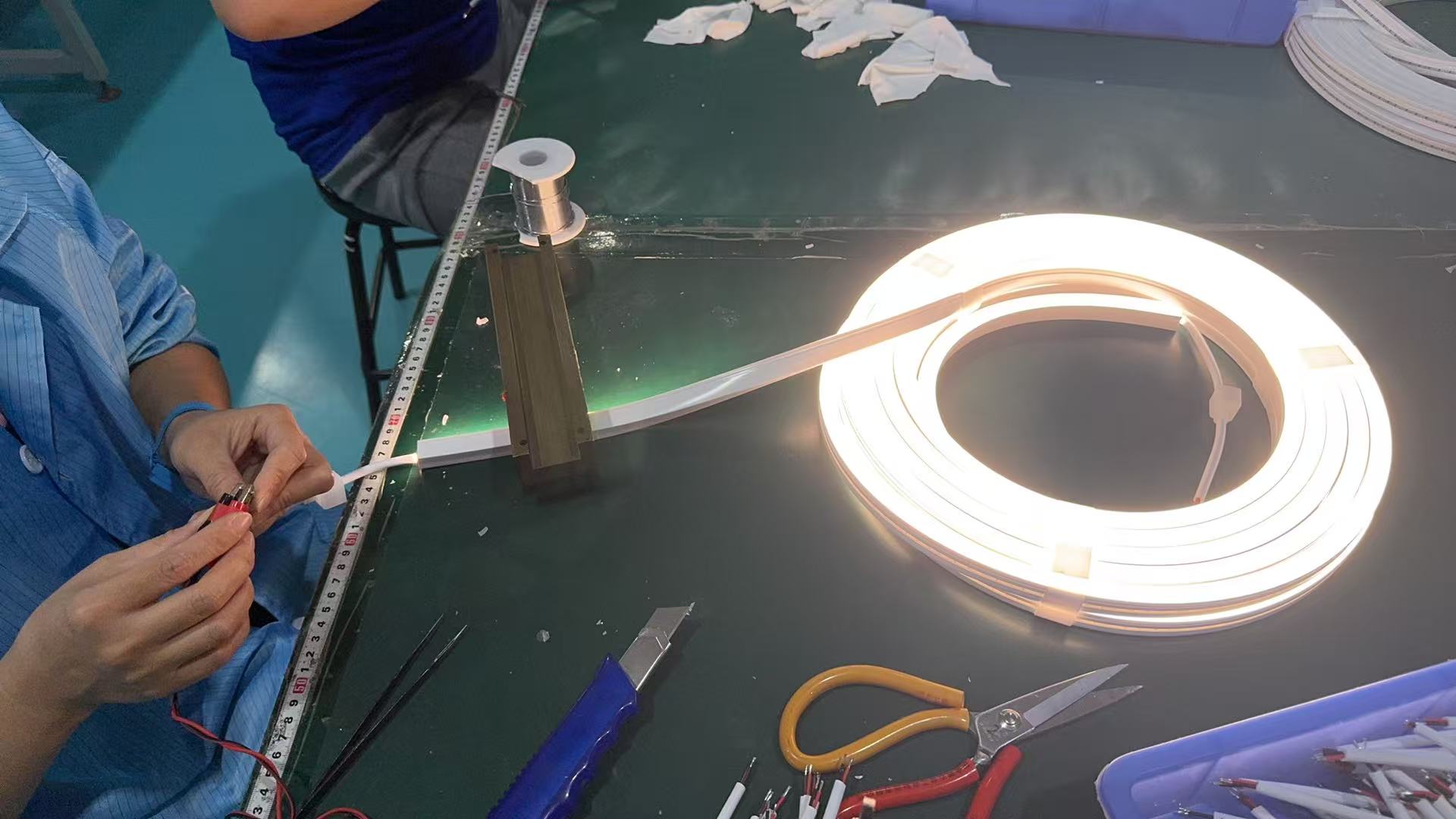
The Engineering Material Mindset
When I work with sophisticated buyers, they don't ask about lumens per watt. They ask about failure modes. They want to know:
- What breaks first when the strip operates at 45°C for six months?
- How does color temperature shift compare between batch 1 and batch 100?
- What happens when mounting clips create stress concentration?
- How does the silicone behave after 2,000 thermal cycles?
These questions separate engineering materials from consumer products. Consumer products need to work out of the box. Engineering materials need to work predictably for their design life under real-world conditions.
Why Batch Consistency Matters More Than Peak Performance
I've seen projects specify the highest-performance strips available. They get beautiful initial results. Then they need to extend the installation six months later. The new batch doesn't match exactly. Close, but not identical.
Now they have a choice: accept visible inconsistency or replace the original installation. Both options waste money.
Quality manufacturers solve this by:
- Maintaining long-term supplier relationships for consistent LED sourcing
- Keeping detailed batch records that allow matching new orders to old installations
- Testing degradation curves rather than just initial output
- Implementing binning strategies that prioritize consistency over peak performance
The One-Sentence Summary
Quality LED strips don't necessarily shine brighter initially. They degrade slower and more predictably. When they fail, they fail consistently across the installation rather than creating random dark spots.
Conclusion
Quality LED strips are distinguished not by their specifications but by their ability to maintain consistent performance under real-world stress over years. Poor strips pass tests but fail projects.