

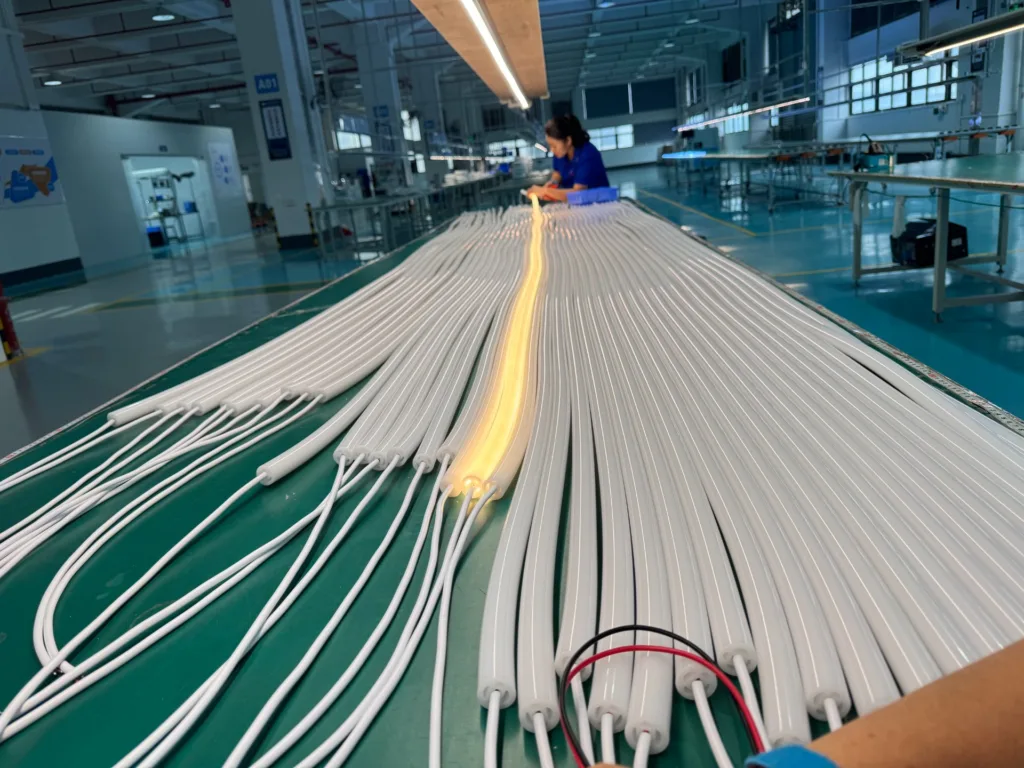
I've watched countless lighting projects fail—not because the brands were bad, but because buyers focused on the wrong metrics. Most people choose brands by rankings and certifications. I choose them by how they predict failure.
Top lighting brands aren't defined by how bright they shine initially—they're defined by how predictably they age. The real difference isn't in lumens; it's in failure mode engineering. After seeing million-dollar facades degrade inconsistently, I learned this the hard way.
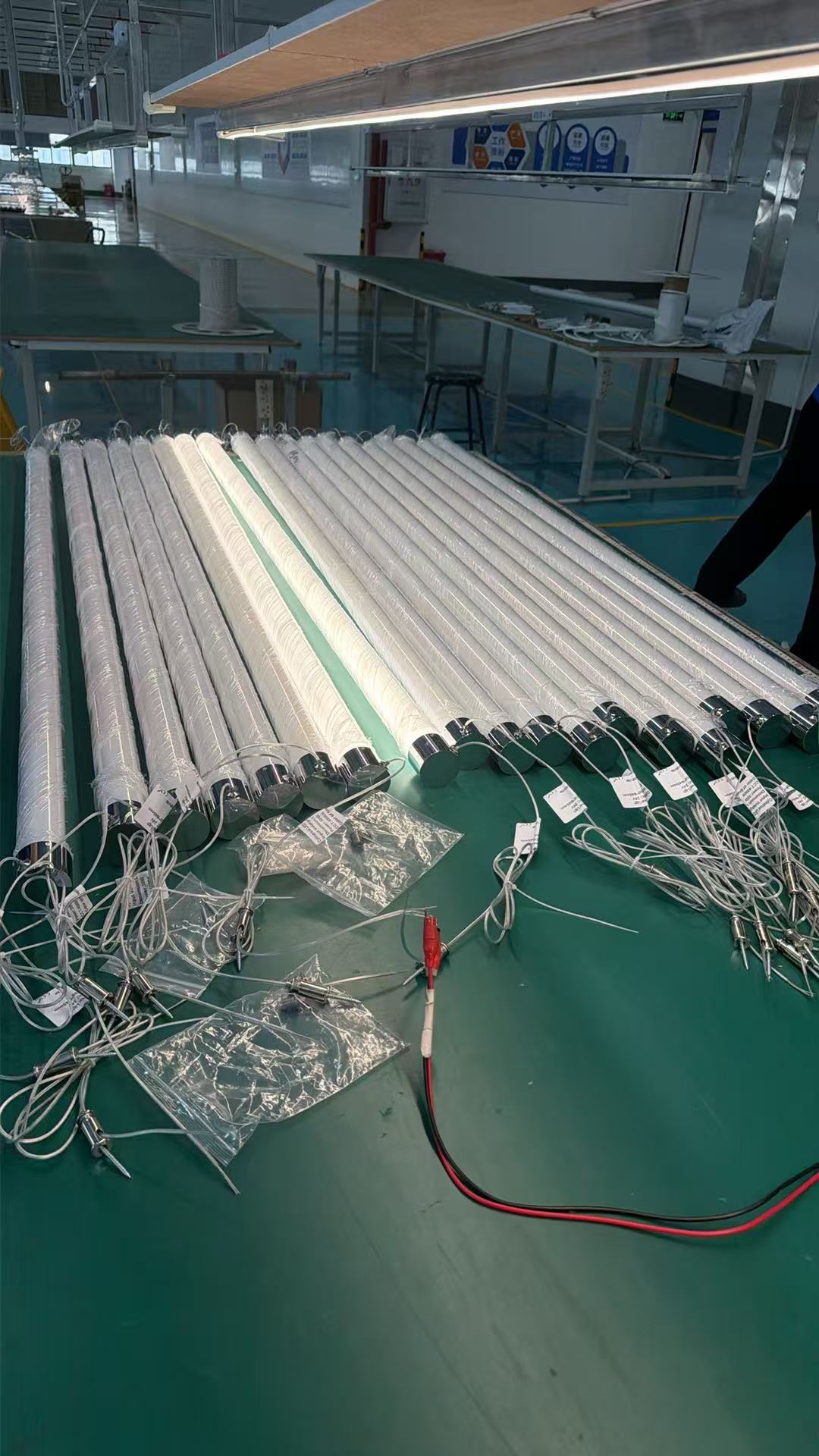
Let me show you what professional engineers actually evaluate when they review lighting brand directories—and why it's nothing like what you'll find in typical buyer guides.
Why Do Most "Top Brand" Lists Miss the Engineering Reality?
I used to think brand reputation meant reliability. Then I managed a commercial complex where every fixture came from internationally recognized manufacturers. Everything passed inspection. Six months later, the entire lighting system started degrading—but not uniformly.
The failure wasn't technical. It was systematic. Different brands aged differently. One brand's LEDs shifted green. Another's silicone yellowed. A third's drivers started flickering. The project became unmaintainable because there was no unified failure logic.

Here's what separates genuinely top-tier brands from marketing-heavy ones:
Material Longevity vs. Initial Performance
Most brands optimize for day-one impressions. They nail the lumen output, the color rendering, the sleek housing design. But they don't engineer for what happens when:
- UV radiation breaks down silicone molecular chains
- Thermal cycling creates micro-cracks in solder joints
- Humidity penetrates "sealed" enclosures through diffusion
- Mechanical stress accumulates in mounting points
- Driver components drift out of specification
I learned to ask manufacturers a single question: "What will fail first in your product after 30,000 operating hours in 90% humidity?" If they can't answer with specific failure modes and timelines, they haven't engineered for reality.
| Performance Metric | Marketing Focus | Engineering Focus |
|---|---|---|
| Initial Brightness | Lumen Output | Lumen Maintenance Curve |
| Waterproofing | IP67 Rating | Seal Fatigue Life |
| Color Quality | CRI 90+ | Binning Consistency Over Time |
| Thermal Management | Heatsink Size | Junction Temperature Under Stress |
| Warranty | Years Covered | Predicted MTBF Data |
The brands I trust don't just meet specifications. They understand how materials interact across temperature gradients, how UV degrades polymer bonds, and how driver algorithms respond to voltage sag under real grid conditions.
How Do Professional Specifications Reveal Brand Quality?
I once compared spec sheets from five "premium" silicone neon flex manufacturers. On paper, they were identical: IP68, 50,000 hours, CRI 85+, operating range -20°C to 50°C. In practice, they behaved completely differently.
The difference wasn't in what they claimed—it was in what they measured. Top brands don't just list operating ranges. They provide degradation curves, thermal resistance pathways, and material compatibility matrices.

The Hidden Specifications That Matter
When I evaluate lighting brands now, I dig past the marketing specs into engineering documentation:
Thermal Management Detail
Poor brands: "Aluminum heatsink with thermal pad"
Top brands: "Junction-to-ambient thermal resistance: 8.2 K/W, tested per JESD51-14, with derating curves for enclosed installations"
Material Disclosure
Poor brands: "High-grade silicone extrusion"
Top brands: "Shore hardness 65A, compression set <15% after 1000h at 100°C, UV stability per ASTM G154"
LED Binning Control
Poor brands: "MacAdam 3-step"
Top brands: "Batch-locked bins within 2-step, with spectral power distribution curves and temporal color stability data"
Driver Performance Under Stress
Poor brands: "Constant current driver"
Top brands: "Output ripple <5%, efficiency >90% from 10-100% load, with brownout protection and thermal foldback algorithms"
I've seen projects where the cheaper brand passed all the same certifications as the premium one. But after one year, the cheap brand's color temperature drifted 400K while the premium brand stayed within 100K. The difference? The premium manufacturer controlled their LED supplier's phosphor batching process.
System Integration vs. Component Excellence
Here's where most brand comparisons go wrong. They evaluate fixtures in isolation. But lighting projects are systems. And systems fail at interfaces.
I learned this managing a hotel facade retrofit. We used one brand for the architectural uplights and another "equivalent" brand for the landscape path lights. Both were CE certified, both IP67, both from established manufacturers.
The uplights lasted five years without issues. The path lights started failing at 18 months. Same environment. Same electrical supply. Same maintenance schedule.
The difference? The uplight manufacturer had engineered their cable glands for 10,000 thermal cycles. The path light manufacturer used standard compression fittings that lost seal tension after repeated expansion and contraction. Not a certification issue. A systems engineering issue.
Top brands don't just build good products. They anticipate how their products interact with installation realities—mounting stress, cable bending radii, connector insertion forces, and field wiring errors.
What Distinguishes Manufacturing Maturity in Lighting Brands?
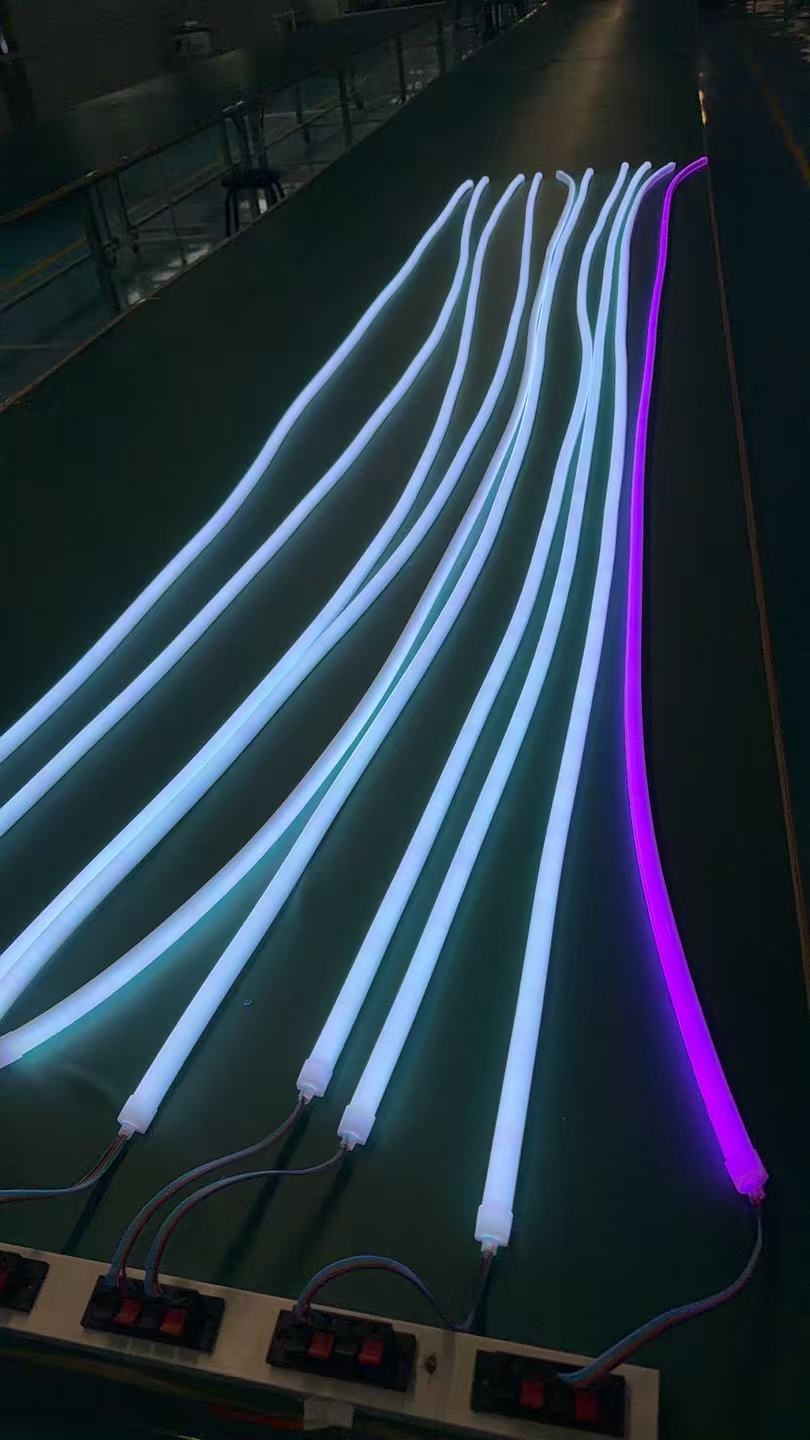
I've toured manufacturing facilities across Asia and Europe. The equipment often looks similar. The real differences are invisible until you ask specific questions about process control.
Top-tier manufacturers don't just have quality control—they have failure mode databases. They track which batch of silicone from which supplier exhibited color shift after 6000 hours. They correlate driver chip lots with flicker complaints. They monitor LED bin drift patterns across production runs.
The Questions That Expose Manufacturing Depth
When I evaluate a manufacturer, I ask:
"How do you handle batch variations in raw materials?"
Weak answer: "We test incoming materials"
Strong answer: "We maintain a material performance database correlating supplier batches with long-term field performance, and we reject batches based on predictive models even if they pass incoming inspection"
"What's your process for managing LED binning across large orders?"
Weak answer: "We use MacAdam 3-step bins"
Strong answer: "We lock specific bin codes for the duration of multi-phase projects, maintain reserve inventory from the same production lot, and provide spectral power distribution curves for each batch"
"How do you validate thermal performance?"
Weak answer: "We measure junction temperature"
Strong answer: "We perform thermal transient analysis to map heat flow paths, validate against CFD models, and test under worst-case installation scenarios including enclosed spaces and reflective surfaces"
I worked with one manufacturer who could trace every meter of silicone neon flex back to the specific extrusion run, the raw material batch, and the curing temperature profile. When a client reported slight yellowing after 14 months, the manufacturer identified it as a UV stabilizer issue in a single production week and proactively replaced all potentially affected inventory.
That's manufacturing maturity. Not perfection—but systematic failure tracking and predictive replacement.
Certifications vs. Real-World Validation
Certifications matter, but they're minimum thresholds, not guarantees of excellence. I've seen IP68-rated products fail within months because the testing protocol doesn't replicate real-world stress.
Standard IP testing involves:
- 30 minutes of water immersion
- At room temperature
- With no mechanical stress
- And immediate inspection
Real-world outdoor lighting faces:
- Years of thermal cycling from -20°C to 60°C
- UV degradation of sealing materials
- Mechanical vibration from wind and traffic
- Contaminant accumulation in seal interfaces
- Repeated expansion and contraction of gaskets
Top brands go beyond certifications. They run accelerated life testing that simulates years of environmental stress—thermal shock cycling, UV exposure combined with humidity, and mechanical fatigue testing that mimics installation stress and wind loading.
Why Does Batch Consistency Matter More Than Peak Performance?
I managed a retail chain rollout across 50 locations. Same lighting design. Same installation team. Same maintenance schedule. After one year, the stores looked completely different.
The issue wasn't product failure—it was inconsistent aging. Some locations had fixtures that stayed crisp white. Others drifted warm. Some maintained full brightness. Others lost 15% output. The brand's spec sheet was perfect. Their batch control was nonexistent.
The Hidden Cost of Color Shift
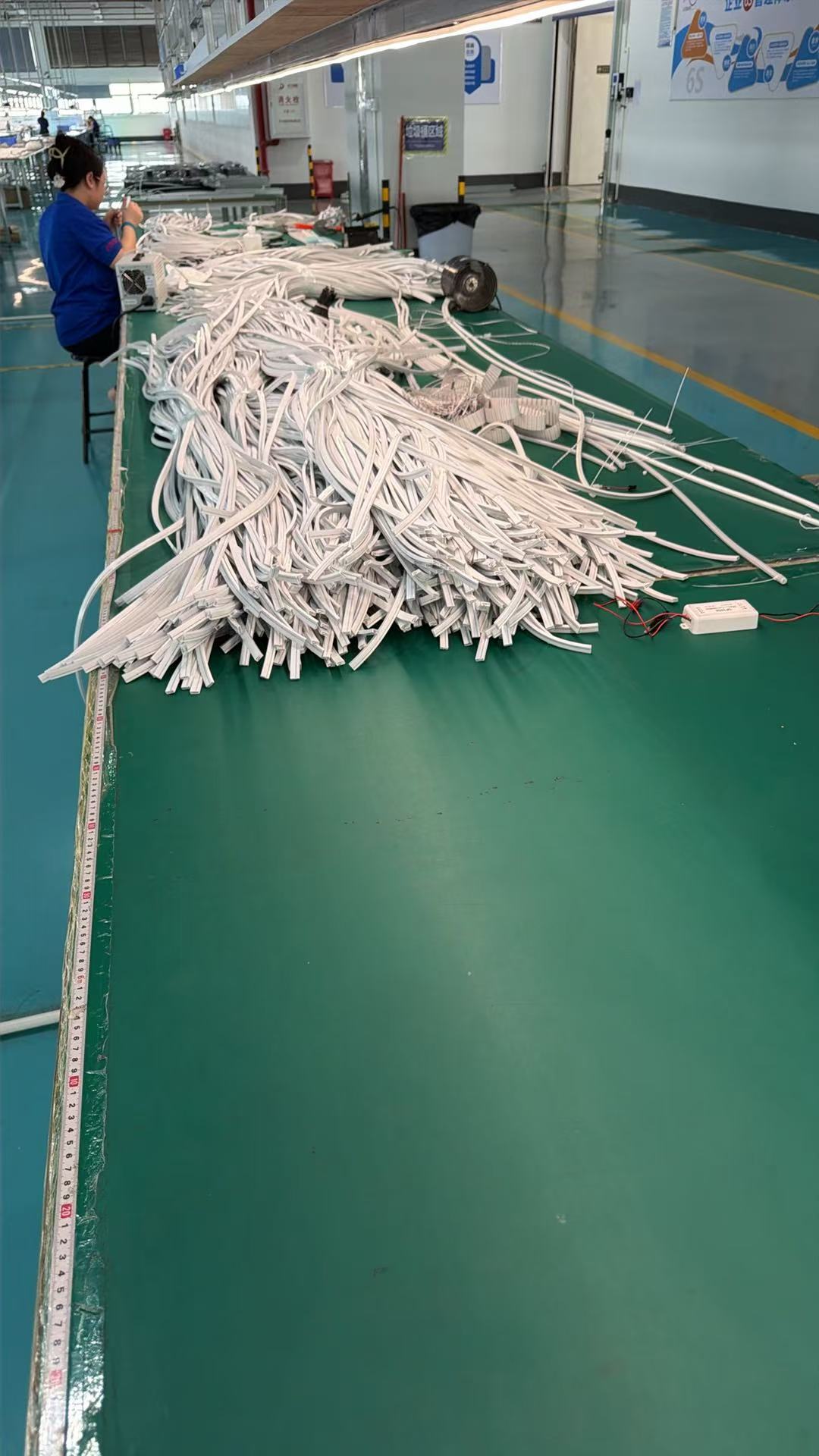
Color shift is invisible in small quantities. But when you have 100 meters of linear lighting on a facade, a 200K difference becomes obvious. And it happens gradually enough that clients don't realize it's happening—until they install a replacement section that doesn't match.
Top manufacturers control color consistency through:
LED Procurement
They don't just specify MacAdam ellipses. They lock bin codes with LED suppliers for project duration. They test LED aging characteristics before qualification. They maintain buffer stock from proven batches.
Phosphor Stability
They validate that LED phosphor coatings maintain spectral output through thermal stress. They reject LED lots that show early signs of phosphor degradation even if they meet initial specifications.
Driver Output Precision
They ensure driver current regulation stays within 2% across the entire input voltage range and temperature range. They test for long-term component drift in driver circuitry.
Silicone Transmission Stability
They validate that silicone extrusion maintains consistent light transmission after UV exposure, thermal cycling, and humidity exposure. They test for plasticizer migration that can cause yellowing.
I worked with one manufacturer whose consistency was so precise that when I ordered replacement sections 18 months after the original installation, they were indistinguishable from the aged original product. That level of control doesn't happen by accident.
Conclusion
Choosing a top lighting brand isn't about finding the brightest fixture or the most prestigious name. It's about finding the manufacturer who has engineered predictable aging, controlled material consistency, and systematic failure prevention. The best brands don't promise perfection—they promise that when degradation happens, it happens uniformly and predictably across your entire installation.