

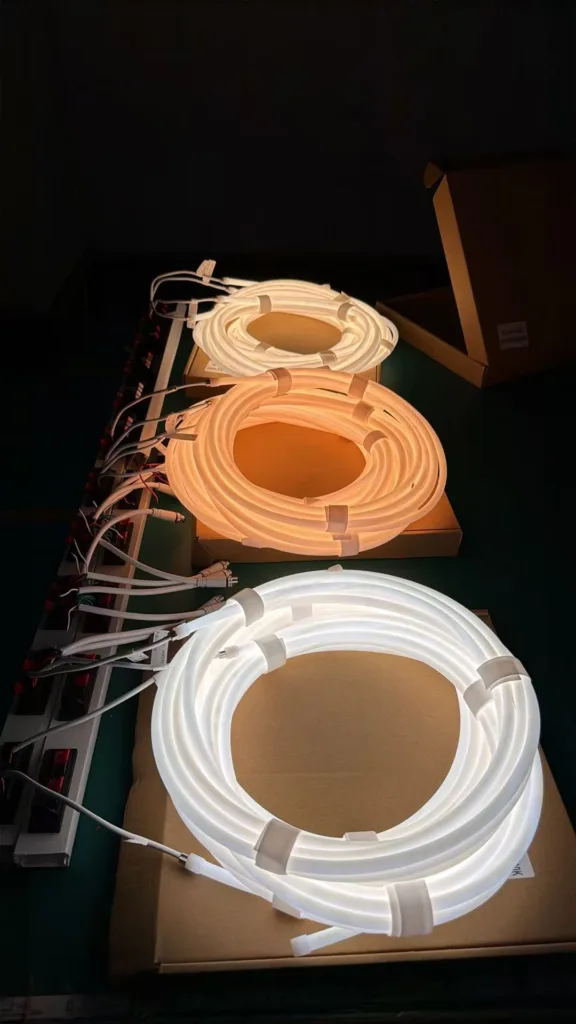
Many people browse through the Global Lighting Directory thinking they're simply "finding suppliers." But professionals who've managed large-scale commercial lighting projects know better. When we look at directories, we focus on one critical question: Does the product ecosystem in this supply chain follow the same engineering logic? Because in real projects, the danger never comes from not finding lights. It comes from assembling a system from different directories, countries, and factories that start conflicting with each other on-site.
Here's the core issue: The biggest risk with Global Lighting Directory isn't insufficient information—it's mistaking "parameter compatibility" for "engineering compatibility."
This distinction sounds subtle, but I've seen it destroy million-dollar projects. Let me walk you through why this happens and how to avoid it.
What's the Real Problem Behind Directory-Based Sourcing That Nobody Talks About?
Most procurement and engineering teams overlook a fundamental truth: products in global lighting directories can share identical specifications—same voltage, same power rating, same color temperature, same IP rating, same certifications—yet still fail to coexist reliably in real-world environments.
The parameters that truly determine project longevity aren't listed in any directory. They include: whether material systems match, whether thermal expansion behaviors align, whether driver dynamic responses synchronize, whether UV aging curves follow similar trajectories, whether silicone compression recovery rates match, whether adhesives remain compatible with structural components long-term, whether light degradation curves stay uniform, and whether color temperature drift moves in the same direction.

I learned this lesson the hard way on a waterfront project in Southeast Asia. We selected components from three different continents—all meeting identical technical specifications on paper. By month fourteen, different zones started aging at different rates. The project didn't fail catastrophically. It failed slowly, unevenly, creating a maintenance nightmare that cost three times the initial installation budget.
The most experienced field engineers know this truth: "Engineering doesn't fear failure—it fears things failing at different speeds."
Why "Paper Compatibility" Creates the Worst Kind of Project Risk
When systems assembled from globally sourced components begin their decline, they create a unique maintenance hell. You cannot replace everything at once because not everything has failed. You cannot standardize repairs because different components degrade differently. You cannot maintain uniform aesthetics because decay patterns diverge.
This creates what we call "asymmetric aging"—the absolute worst scenario for facility management. I've witnessed projects where replacing a single failed segment requires sourcing from the original manufacturer because mixing new components with partially degraded ones creates visible discontinuities.
Here's what Global Lighting Directories rarely tell you: compatibility verification should happen at the system level, not the component level. The directory shows you products that can theoretically work together. It doesn't show you products that will age together predictably over five years of thermal cycling, UV exposure, and mechanical stress.
How Does International Sourcing Actually Destroy System Integrity Over Time?
Let me share a scenario that plays out repeatedly in international commercial projects. A major mixed-use development decides to optimize costs through global procurement. Linear fixtures come from Asia. Drivers come from Europe. Control systems come from North America. Outdoor wall washers come from another OEM factory entirely.
Directory parameters align perfectly: 24V system architecture, 3000K color temperature, IP67 protection, DALI compatibility, complete LM80 documentation. Initial installation looks flawless. Then summer arrives.
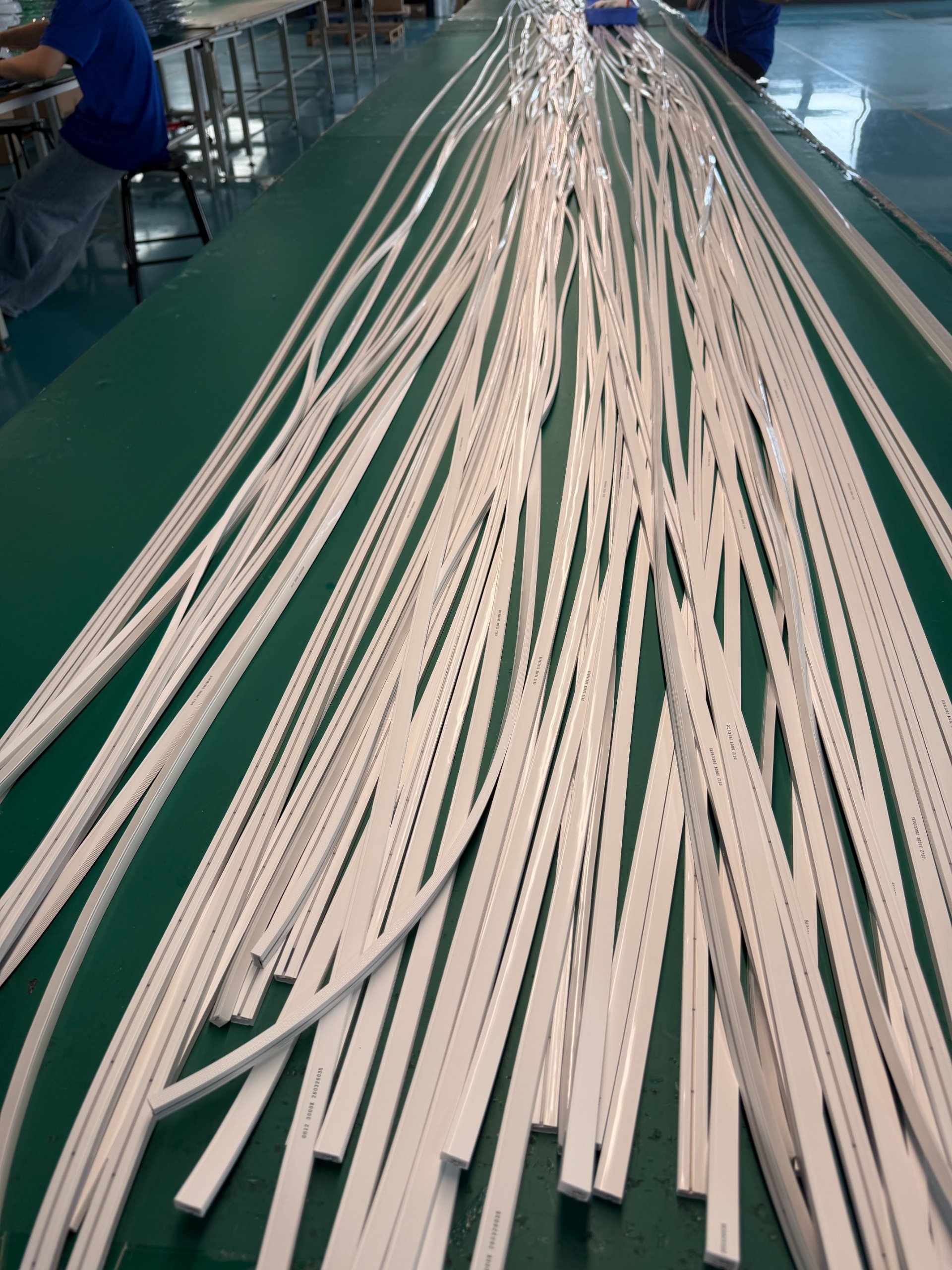
Subtle problems emerge. Some zones shift warmer. Localized flickering appears intermittently. Brightness decay rates diverge across different areas. Silicone surfaces develop tackiness. Certain joints begin accumulating moisture vapor.
By months twelve through eighteen, the entire building exhibits "visual stratification." The killer detail? Nothing fails completely. Instead, every system degrades slightly differently, creating an impossible maintenance scenario where you cannot standardize repairs, cannot batch-replace components, cannot unify color temperature, and cannot synchronize degradation curves.
The Root Cause Analysis Nobody Wants to Hear
Post-mortem investigations reveal the problem wasn't any single product. The issue was systemic incompatibility masked by parameter compatibility. Different supply chains use different material philosophies. Different factories apply different LED binning standards. Driver output strategies vary. Silicone systems have different thermal expansion coefficients. IP structures respond differently to humid-heat cycling. Adhesive systems exhibit different long-term migration behaviors.
Directory-based procurement completed your purchasing. It didn't complete your system unification.
I remember standing in front of a building facade that cost $2.3 million to illuminate, eighteen months after installation, watching three distinct color zones become visible at dusk. Every component met specifications. Every vendor was reputable. Yet the system failed because we optimized for cost and parameter matching instead of engineering coherence.
The conversation with my client was painful. "Why didn't the directory warn us?" he asked. I had to explain: directories aggregate products, not systems. They can't predict how your specific combination of components will interact after two years of real-world stress. That's your engineering responsibility, not theirs.
What's the Professional Engineering Framework That Global Directories Never Teach You?
Mature engineering teams approach Global Lighting Directory selection completely differently. They don't start with price comparison. They start with system-level unified logic. Let me break down the framework I now use for every international project.
Must You Really Unify Material Systems Instead of Just Parameters?
The most dangerous assumption in lighting procurement: identical parameters mean identical materials. They absolutely do not. Professional system integration demands unifying silicone hardness ranges, compression permanent deformation curves, UV aging degradation models, adhesive chemical compatibility, and aluminum thermal expansion coefficients.

Why this matters: mixed material systems age at different rates even under identical conditions. I've documented projects where silicone from one supplier maintained elasticity while another supplier's formulation became brittle—both rated for the same temperature range, both certified to the same standards.
The technical reality: aging isn't about meeting a specification at installation. It's about degrading predictably over time. When your project combines materials with different degradation kinetics, you create a system that literally pulls itself apart as components age at different speeds.
Here's the specification you won't find in any directory: "Will these materials remain dimensionally and chemically compatible after 1,000 thermal cycles between -20°C and +50°C?" Yet this question matters more than any initial specification.
Why LED Binning Incompatibility Turns Your Building Into a Patchwork?
Global sourcing creates a hidden nightmare: different factories use different binning standards. Even when every specification reads "3000K, 3-step MacAdam," actual drift direction can diverge completely.
Professional projects lock down LED brand, bin code, production batch, and sometimes even phosphor formulation windows. Why? Because large-scale architectural lighting's worst failure mode isn't darkness—it's becoming a visible patchwork of color bands at night.
| Binning Parameter | Standard Specification | Professional Control |
|---|---|---|
| Color Temperature | 3000K ±150K | 3000K ±75K, same bin quadrant |
| MacAdam Ellipse | 3-step tolerance | 2-step, verified drift direction |
| Production Batch | Not specified | Same production quarter |
| Phosphor Formulation | Not specified | Locked supplier and formula window |
I watched a hotel facade project spend $180,000 on remediation because their "uniform 3000K system" developed a visible warm-to-cool gradient from east to west facade. Every LED was within specification. The specifications were just inadequate for visual uniformity at architectural scale.
The lesson cost us money but taught me permanently: directory parameters describe components in isolation, not system behavior at scale.
Does Thermal Design Compatibility Actually Control Long-Term Light Output?
Many directory products show excellent laboratory data that fails in installed reality because thermal pathways change after installation. You must verify whether different fixture thermal structures remain compatible, whether drivers operate in the same thermal window, whether installation structures create heat accumulation, and whether encapsulation materials will suffer long-term thermal fatigue.
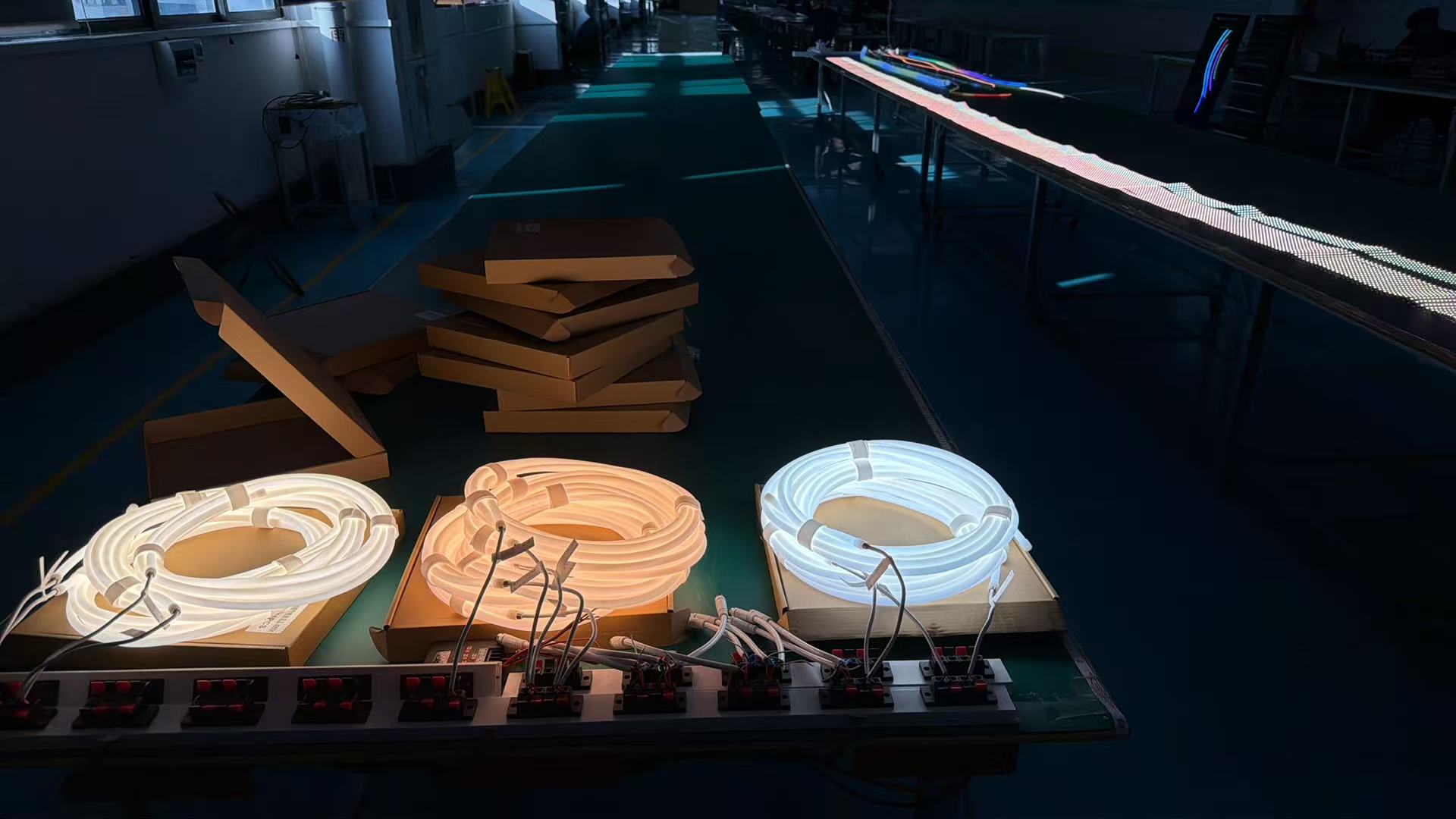
Different zones entering different degradation curves isn't a component failure—it's a thermal design incompatibility. I've measured 15°C junction temperature differences between nominally identical fixtures from different manufacturers installed on the same architectural surface. Over five years, this temperature delta translates into measurably different lumen maintenance.
The question professionals ask isn't "What's the thermal resistance?" It's "After installation on my specific substrate, with my specific mounting method, in my specific climate, will these fixtures from different suppliers maintain comparable junction temperatures?" The directory can't answer this. Your thermal modeling must.
Why Does IP67 Rating Tell You Almost Nothing About Real Outdoor Longevity?
This is possibly the biggest trap in global procurement. Many products pass short-duration static IP testing but face fundamentally different challenges outdoors: sustained UV exposure, thermal cycling, humid-heat breathing effects, acid rain, structural vibration, long-term seal fatigue.
Professional engineers don't ask "Is it IP67?" They ask: "After two years of thermal cycling, how much structural elasticity does this sealing system retain?"
| Test Type | Standard IP Test | Real-World Performance |
|---|---|---|
| Duration | 30 minutes submersion | 5 years of weather cycles |
| Temperature | Ambient (20°C-25°C) | -30°C to +70°C thermal shock |
| UV Exposure | None | 8+ hours daily equivalent |
| Pressure Cycling | Static | Daily thermal breathing |
| Seal Material | Pass/Fail at installation | Degradation curve over time |
I've opened "IP67" fixtures after eighteen months outdoor exposure to find degraded gaskets, corroded contacts, and moisture infiltration—all from products that legitimately passed IP testing at installation. The test verified initial performance. It didn't predict long-term durability under cycling stress.
When I specify projects now, I demand accelerated aging data showing seal performance after thermal cycling equivalent to three years of outdoor installation. Most directory listings can't provide this because most manufacturers don't test it.
How Do Structural Design Gaps Cause Mechanical Self-Destruction?
Large-scale project failures often stem not from component failure but from structures that "lock" materials into destructive constraint. You must provide thermal displacement space, stress relief pathways, flexible connection zones, and installation tolerance buffers.
Without these accommodations, fixtures will slowly tear themselves apart through seasonal dimensional changes. I've documented aluminum extrusions that cracked not from impact but from cumulative thermal stress—the structure wouldn't let the material expand and contract naturally.
The engineering principle: materials move. Structures must accommodate movement or they'll transfer stress into fracture.
What Should You Actually Do Before Making Any Directory Selection?
Here's my current procurement framework. Before I compare prices or specifications, I establish system-level requirements that most directories don't even address. First, I define material system boundaries—acceptable ranges for silicone formulation, adhesive chemistry, and metal alloy composition. Second, I lock LED sourcing strategy, specifying not just binning at installation but acceptable drift patterns over five years.
Third, I create unified thermal design requirements that account for installed reality, not laboratory conditions. Fourth, I specify long-term environmental resistance validated through accelerated aging, not just initial IP ratings. Fifth, I design structural mounting that accommodates thermal movement without transferring stress into components.
Only after establishing these system-level requirements do I enter the directory. Now I'm not shopping for components—I'm qualifying suppliers who can deliver engineering-compatible systems. The directory becomes a qualified vendor list, not a shopping catalog.
This approach costs more initially. It saves exponentially more over project lifetime. I learned this watching projects I specified five years ago still operating uniformly while comparable projects from the same era have entered maintenance hell.
Conclusion
The fundamental flaw in Global Lighting Directory procurement isn't information scarcity—it's the illusion that global sourcing capability equals global system compatibility. Mature engineering teams don't ask which directory offers cheaper products. They ask whether components from different supply chains, different material systems, and different thermal design philosophies will still function uniformly five years after installation. Because in large-scale commercial lighting, the real cost is never procurement—it's the impossibility of unified maintenance after your system begins aging inconsistently.