
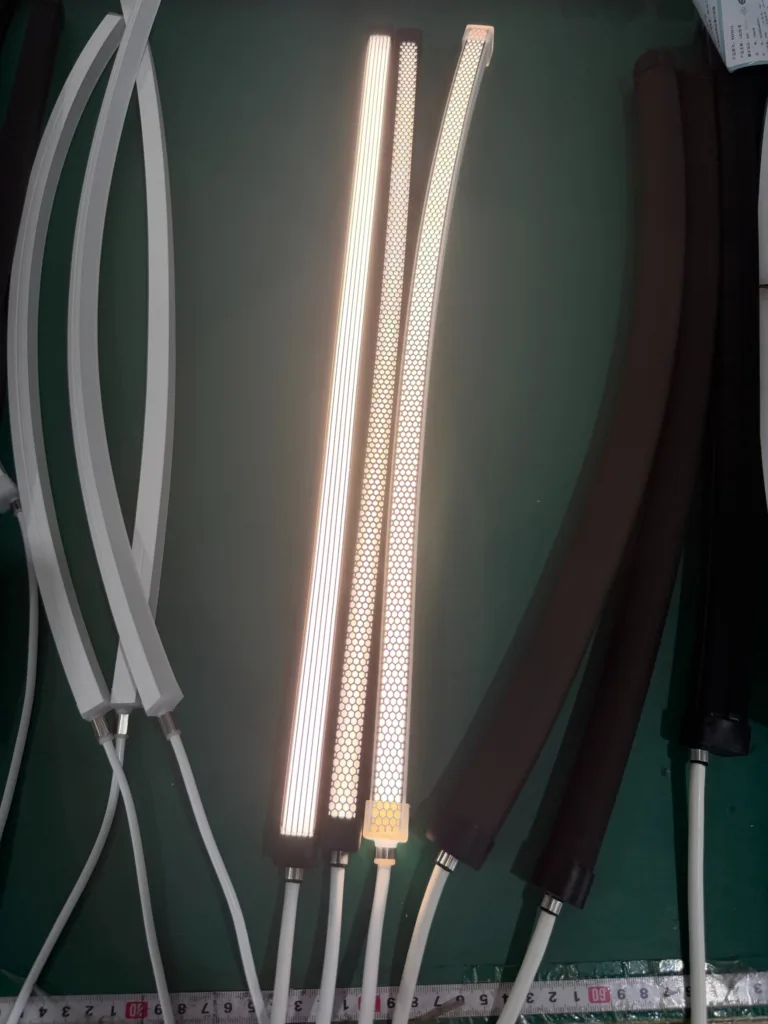
Many people search for a list of North American luminaire manufacturers when they start a lighting project. But here's what they miss: choosing the right manufacturer is not about finding the biggest brand name. It's about matching your project's lifecycle with a manufacturing system that can support it. Most project failures don't happen because you picked a bad brand—they happen because you picked a system that couldn't survive your specific environment.
The real question is not "which manufacturer is best?" The real question is: "Does this manufacturer's material system, thermal management, and supply chain stability match my project's five-year survival requirements?" Understanding this difference will save you from costly replacements, maintenance nightmares, and project failures that only appear after the first summer or winter.
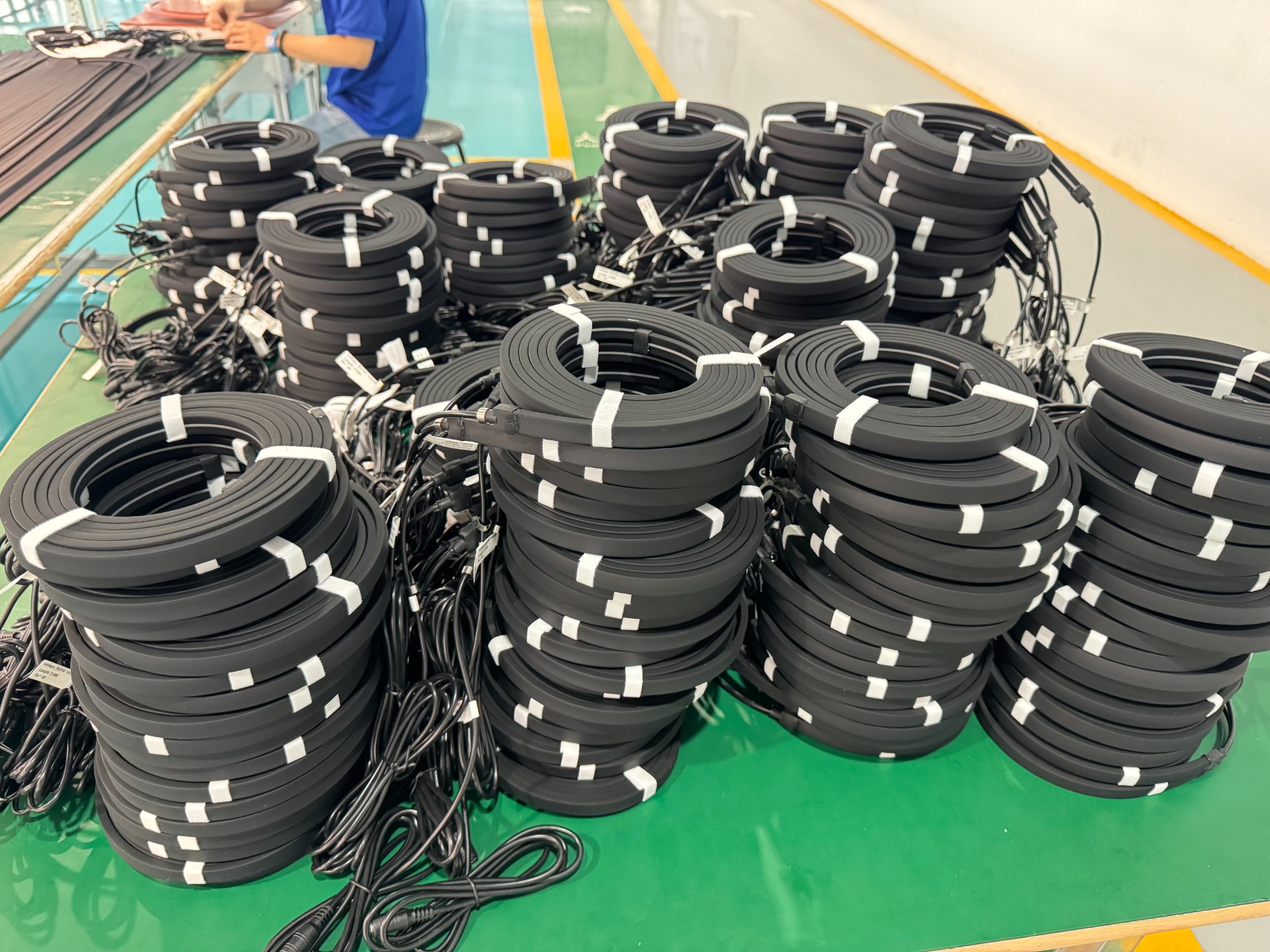
I have worked with lighting projects across different North American regions for years. I have seen projects fail not because of poor initial installation, but because the manufacturing system behind the luminaires couldn't handle real-world aging. Let me show you what really matters when you evaluate luminaire manufacturers for the North American market.
Why do certifications not guarantee longevity?
Many procurement teams believe that if a luminaire passes UL, ETL, DLC, and LM79 tests, the project is safe. This is a dangerous assumption. Certifications are entry requirements. They prove that a product meets minimum safety and performance standards at the time of testing. They do not prove that the product will maintain those standards after three years of exposure to UV radiation, thermal cycling, humidity, and salt spray.
Certifications measure initial compliance. They do not measure long-term material stability, supply chain consistency, or manufacturing process control. A product can remain certified while its actual lifespan drops from eight years to two years due to material substitutions, LED binning changes, or driver supplier switches.
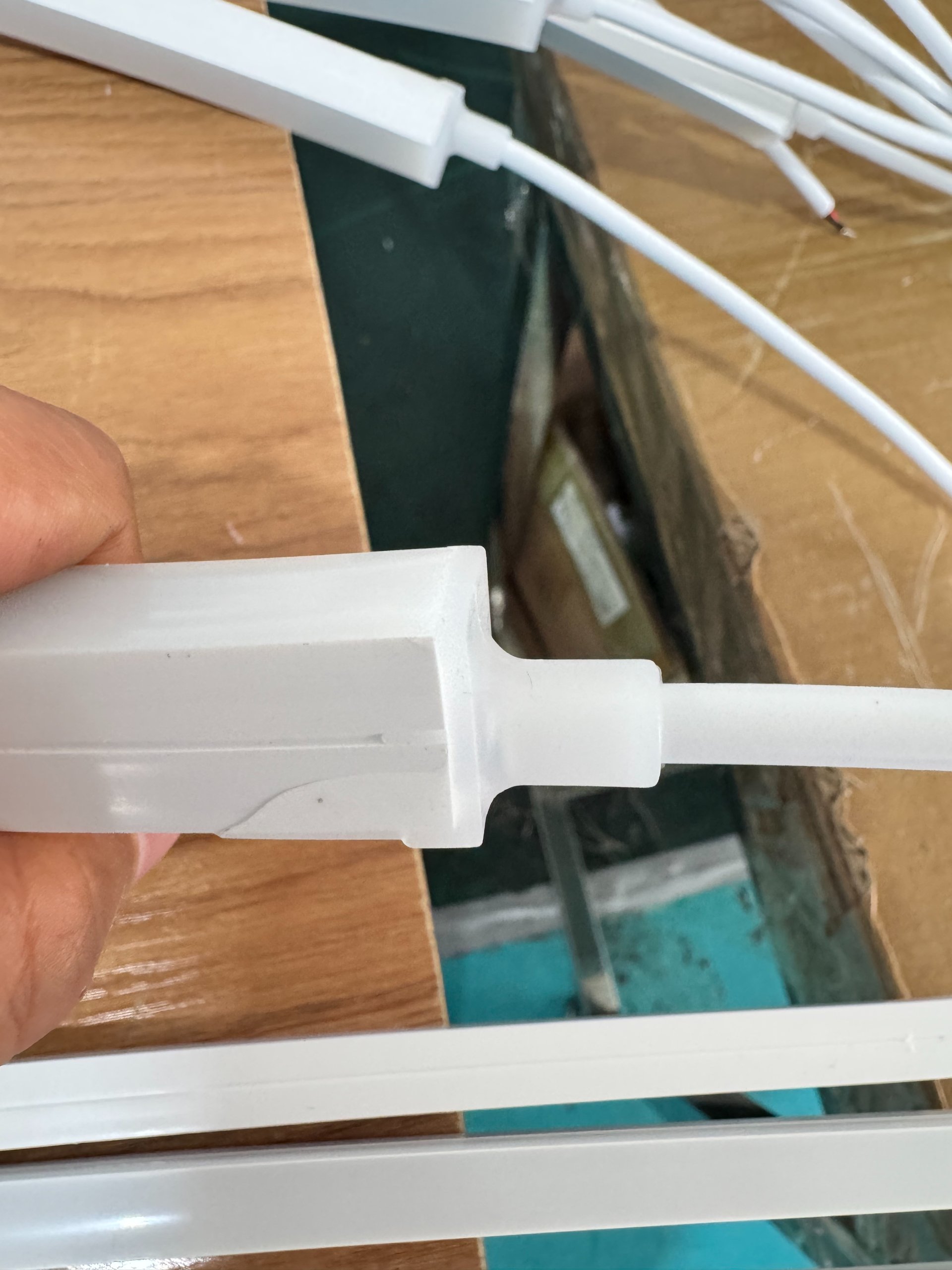
I worked on a project where a major retail chain installed linear lighting systems across stores in Texas, Arizona, and Nevada. The manufacturer had excellent certifications. The LM80 data showed L90 ratings beyond 50,000 hours. The samples performed perfectly. But ten months after installation, problems appeared. First, there was slight color variation. Then it became obvious. Different sections of the same store started showing color temperature shifts. Continuous light runs developed visible color banding. Some areas experienced brightness drops.
The investigation revealed that LED chips and drivers were still functioning. The real problem was LED bin mixing across different production batches. The project spanned eighteen months. During that time, the manufacturer changed some LED supply batches. Color tolerance expanded from 2-step MacAdam to 5-step. In a lab test, this difference is invisible. On a single luminaire, it's unnoticeable. But across hundreds of meters of continuous installation in a commercial space, the human eye detects it clearly. The entire project required partial replacement. The loss far exceeded any initial cost savings.
Does LED failure happen before driver failure?
Most people focus on LM80 data. They track lumen depreciation curves. They calculate LED lifespans. But they ignore the component that usually fails first: the driver. LED chips can last 50,000 hours in ideal conditions. Drivers often cannot. This is especially true in high-temperature environments like ceiling voids, commercial kitchens, building facades, and outdoor recesses.
Driver lifespan decreases by approximately half for every 10°C increase in operating temperature. A luminaire rated for 50,000 hours may be limited not by LED degradation but by driver failure at 15,000 hours if thermal management is inadequate.
| Environment Type | Typical Ambient Temp | Driver Operating Temp | Expected Lifespan |
|---|---|---|---|
| Climate-controlled interior | 22°C | 45°C | 50,000+ hours |
| Ceiling void (commercial) | 35°C | 65°C | 25,000 hours |
| Building facade (summer peak) | 45°C | 75°C | 12,000 hours |
Many North American projects underestimate thermal stress. They assume that if a luminaire is rated IP67 and UL-listed, it will survive. But the rating only confirms that the product passed a snapshot test. It does not confirm that the driver can handle years of elevated operating temperatures. When drivers fail, the entire luminaire fails. This is why thermal management is more critical than lumen output specs.
How does UV exposure accelerate material aging in North America?
IP ratings measure water and dust ingress protection. They do not measure UV resistance. This distinction matters critically in high-UV regions like Arizona, Florida, southern Texas, and parts of California. I have seen luminaires with IP67 ratings experience significant material degradation after two years in these environments.
UV degradation manifests as silicone yellowing, polycarbonate embrittlement, seal hardening, and sealant failure. An IP test proves current waterproofing. It does not prove that the materials will maintain waterproofing after five years of UV exposure.
The problem is that many manufacturers use materials optimized for cost and initial performance. They do not use materials engineered for long-term UV stability. When silicone yellows, light output drops and color temperature shifts. When polycarbonate embrittles, it cracks. When seals harden, they lose compression and allow moisture ingress. When sealants fail, corrosion begins.
I recommend requiring specific UV aging tests for any outdoor North American project. Standard accelerated aging tests (ASTM G154 or similar) should show minimal color shift and no mechanical degradation after 2,000+ hours of exposure. This data is more predictive than IP ratings for long-term outdoor performance.
Why does thermal expansion cause structural failure?
Large-scale facade projects face a problem that small installations rarely encounter: thermal expansion stress. During the day, surfaces heat up. At night, they cool down. This cycle repeats daily. Every component in the lighting system—housing, mounting brackets, sealant, diffuser—expands and contracts at different rates.
If the structural design does not include stress relief mechanisms, cumulative fatigue will cause housing cracks, clip fractures, seal failures, and water ingress. Many field failures that appear to be electrical problems are actually mechanical problems caused by thermal cycling.
| Material | Coefficient of Thermal Expansion | Daily Movement (1m length, 40°C swing) |
|---|---|---|
| Aluminum extrusion | 23 × 10⁻⁶ /°C | 0.92 mm |
| Polycarbonate diffuser | 65 × 10⁻⁶ /°C | 2.60 mm |
| Silicone seal | 300 × 10⁻⁶ /°C | 12.00 mm |
Look at that table. Silicone moves thirteen times more than aluminum in the same thermal cycle. If the mounting system forces these materials to move together without relief, something will fail. Either the silicone tears. Or the housing cracks. Or the seal loses compression. All three lead to water ingress and corrosion.
Experienced manufacturers design floating mounting systems. They use compliant interfaces. They allow differential movement without imposing stress. Many budget manufacturers do not. Their products pass IP testing because the test is static. But in the field, after thousands of thermal cycles, structural failure is inevitable.
How does supply chain inconsistency create maintenance nightmares?
The most dangerous moment in a large lighting project is not the first purchase. It is the third reorder. Many manufacturers remain in business for years. But their material systems change. LED brands change. Driver brands change. Diffuser materials change. Extrusion processes change. The model number stays the same. The actual product changes.
When replacement products are installed into an existing system, color mismatches, brightness differences, and installation incompatibilities appear. This is not a product defect. It is a supply chain management failure.
I have seen this destroy projects. A hotel installs linear lighting throughout its property. Three years later, they need replacements for a renovation. They order the same model number from the same manufacturer. When installed, the new sections are visibly different. Color temperature is off. Brightness is lower. Mounting clips don't fit the old track. The hotel is forced to replace entire runs instead of individual sections. The maintenance cost exceeds the original installation cost.
Professional manufacturers have formal Product Change Notice (PCN) systems. They lock LED bins for long-term projects. They maintain material consistency. They archive production specifications. They can reproduce a product five years later with identical performance. Budget manufacturers cannot. This distinction matters enormously for projects with multi-year lifecycles.
What should you evaluate beyond manufacturer reputation?
How do you verify LED bin management?
LED binning is critical for visual consistency. LEDs are sorted by brightness, color temperature, and color rendering during production. Bins represent tolerance ranges. Tighter bins mean better consistency. But bins cost more. Many manufacturers mix bins to reduce cost.
For commercial projects requiring visual uniformity, you must require bin locking. This means the manufacturer commits to using LEDs from the same bin across your entire order and for future reorders. Without this commitment, you will experience visible color variation.
Ask manufacturers:
- What is your standard bin tolerance? (2-step MacAdam? 5-step?)
- Can you lock bins for multi-phase projects?
- How do you handle bin availability if primary supply runs out?
- Do you archive bin data for future matching?
If the manufacturer cannot answer these questions, they do not have professional bin management. Your project will experience color consistency problems.
How do you assess thermal management capability?
Many manufacturers provide LM80 data showing lumen maintenance. Few provide thermal management data. But thermal performance determines whether the luminaire will achieve its rated lifespan in real installations. You need to know:
- LED junction temperature (Tj) at rated current and ambient temperature
- Driver case temperature at rated load
- Heat dissipation path design
- Thermal interface materials used
A luminaire with LED Tj below 75°C will significantly outlast a luminaire with Tj above 85°C, even if both use the same LED chips and have identical LM80 data. Thermal management is the difference between rated lifespan and achieved lifespan.
Request thermal simulation reports or actual temperature measurements. If the manufacturer cannot provide this data, they do not understand thermal engineering. Their products may perform well in controlled lab tests but fail in high-temperature field installations.
What environmental tests matter most?
For North American outdoor projects, I prioritize these tests over standard IP ratings:
- UV aging (ASTM G154 or equivalent): Minimum 2,000 hours with minimal color shift
- Thermal cycling (-40°C to +60°C, 500+ cycles): No seal failure or housing cracks
- Salt spray (ASTM B117, 1,000+ hours): No corrosion on electrical contacts or housing
- High temperature/high humidity (85°C/85% RH, 1,000+ hours): No seal degradation
These tests simulate years of real-world exposure. They reveal whether materials will remain stable beyond the warranty period. Many budget manufacturers cannot pass these tests. Their products are designed for initial compliance, not long-term durability.
How do you lock down supply chain consistency?
For multi-site projects like retail chains, building facades, airports, or hotels, material consistency across years is essential. You must require:
- LED bin locking: Same color temperature and brightness bins for all orders
- Driver model locking: No substitutions without approval
- Material system locking: Same silicone grade, diffuser material, and housing alloy
- Change notification: Formal PCN process for any component changes
Without these commitments, your project is vulnerable. The manufacturer may deliver excellent products initially. But when you reorder three years later, the new batch may be incompatible. This creates expensive retrofit requirements and visual inconsistencies.
Conclusion
The real question when evaluating luminaire manufacturers for North American projects is not "which brand is most famous?" The real question is: "Can this manufacturer's material system, thermal engineering, and supply chain management survive my specific environment for five to ten years?" Because project cost is not just purchase price—it's the total cost of maintenance, downtime, reputation risk, and potential replacement that only appears after the first summer or winter.