

Most LED strip projects fail before the lights do. I have seen it happen dozens of times. The root cause is rarely the LED chip itself. It is almost always a mismatch in materials, thermal stress, or installation method. When you buy LED strips, you are not just buying a product. You are buying five years of future maintenance costs.
When selecting LED strips for commercial or architectural projects, focus on material compatibility, thermal expansion control, UV resistance, structural stress management, batch color consistency, and long-term waterproof integrity—not just brightness, power, or IP rating.
Most buyers make the same mistake. They compare wattage, lumens, IP grades, and prices. Then they place the order. Six months later, the problems start. The lights dim. The colors shift. The silicone yellows. The waterproofing fails. By then, the damage is done.
Why Do Sample Tests Pass But Production Batches Fail?
I once worked with a contractor on a commercial facade project. The samples passed every test. IP67 waterproof rating checked out. Light output met specifications. No visible defects. The client approved. We ordered 5,000 meters for the entire building.
Six months after installation, yellow patches appeared on the south-facing facade. Within a year, the situation worsened. Micro-cracks formed in the silicone. Water seeped into the end seals. Dark spots spread across multiple sections. The entire building showed visible color banding. The cost of high-altitude repairs far exceeded the initial savings from choosing a cheaper supplier.
The real problem was not the LED itself but a change in the silicone formulation.
The supplier had adjusted the material mix to cut costs. Short-term lab tests could not simulate long-term UV exposure, thermal cycling, acid rain, and daily expansion and contraction. The silicone and encapsulation materials had mismatched thermal expansion coefficients. Stress accumulated over time. Micro-cracks formed. Water vapor infiltrated. The entire failure chain activated.
This type of failure is the most dangerous. It does not show up on installation day. It passes the acceptance inspection. It may even look perfect for six months. But once it starts, it becomes a systemic rework nightmare. That is why sample approval alone is never enough.
What Should Professional Buyers Focus On?
1. Do Not Just Check IP Rating—Check IP Lifespan
Many people relax when they see an IP67 rating. But IP67 only proves the product passed a test at one moment in time. It does not guarantee the same performance three years later. Outdoor projects require you to understand how the materials age.
The real questions are not about the rating itself. They are about what happens after prolonged exposure. How fast does the sealing material degrade? What UV stabilizers are used? How does the silicone resist yellowing? Does the waterproof seal hold after hundreds of thermal cycles? Do the end caps match the thermal expansion of the main body?
Most waterproof failures do not come from the silicone tube itself. They come from end cap cracking, adhesive debonding, or micro-gaps caused by thermal expansion. Instead of asking about the IP grade, you should ask how many thermal cycles the product has been tested through. You should ask if the waterproof performance was retested after UV aging.
I have seen projects where the silicone stayed intact but the end caps cracked after two winters. Water entered through the edges. The entire strip failed. The IP67 rating was technically accurate. But it was meaningless in real-world conditions.
2. High-Power Strips Do Not Fear Heat—They Fear Thermal Stress
A common misconception is that high-power LED strips fail because they get too hot. Heat is part of the problem. But the bigger issue is thermal stress. LED strips do not heat evenly. Heat concentrates at the LED encapsulation areas, solder pads, corners, and power connection points.
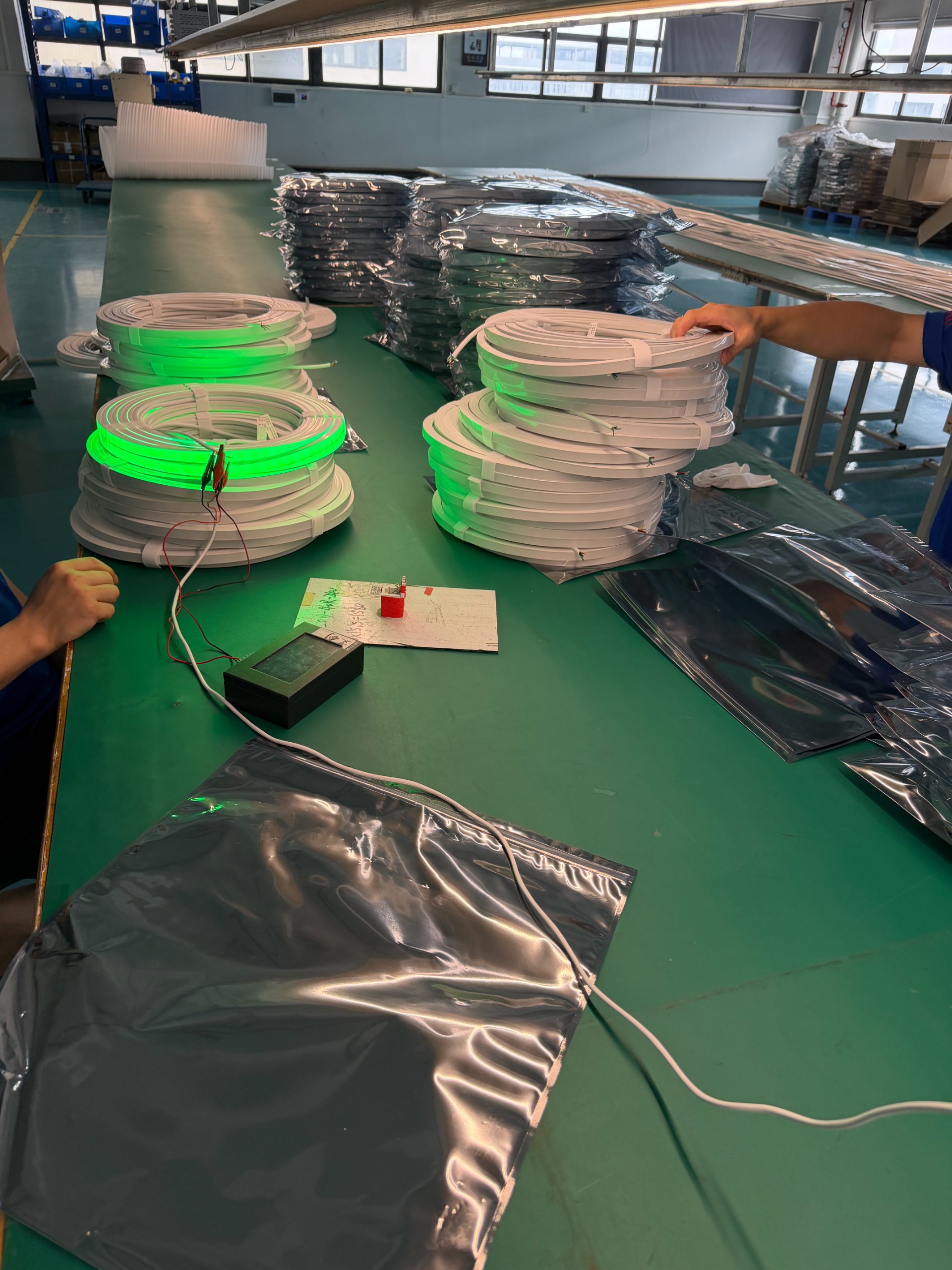
If heat cannot dissipate properly, the copper foil, PCB, and silicone expand at different rates. Over months of operation, this causes solder joint fatigue, copper trace cracking, accelerated light decay, and color shift. These problems do not appear as sudden failures. They accumulate slowly.
One section fails this month. Two more sections fail next month. Six months later, you face widespread service calls. That is why higher power does not just require better heat dissipation. It requires better thermal stress management.
I once tested two high-power strips with identical specifications. One used a single-layer copper PCB. The other used a double-layer design with thermal vias. After 2,000 hours of operation, the single-layer version showed 15% light decay and visible solder joint cracks. The double-layer version showed only 5% decay and no structural damage. The difference was not in the LEDs. It was in how the structure managed thermal expansion.
3. Flexibility Is Not About How Far You Can Bend It
Suppliers love to demonstrate extreme flexibility. They bend the strip into tight loops. They tie knots. They show off extreme angles. These demonstrations look impressive. But they are not relevant to real projects.

What matters is fatigue life under sustained stress. In architectural corners, curved facades, circular structures, and letter outlines, continuous stress concentrates at the copper traces, solder joints, and LED packages. If the structural design is weak, the first sign is not a complete break. It is localized dark zones. Then uneven brightness. Then full-section failure.
Professional projects specify minimum bending radius, required mounting intervals, prohibited reverse torsion angles, and avoidance of long-term tensile installation. Stress problems do not appear on installation day. They accumulate over tens of thousands of operating hours.
I worked on a hotel sign project where the contractor installed strips with a bending radius below spec. The installation looked fine. Three months later, dark spots appeared at every sharp corner. The copper traces had micro-fractures. The project required full replacement. The labor cost was three times the original material cost.
4. Color Consistency Defines Project Quality
One of the most expensive rework scenarios in architectural lighting is not about brightness. It is about color difference. This is especially true for hotel facades, commercial complexes, brand chain stores, and city landmarks.
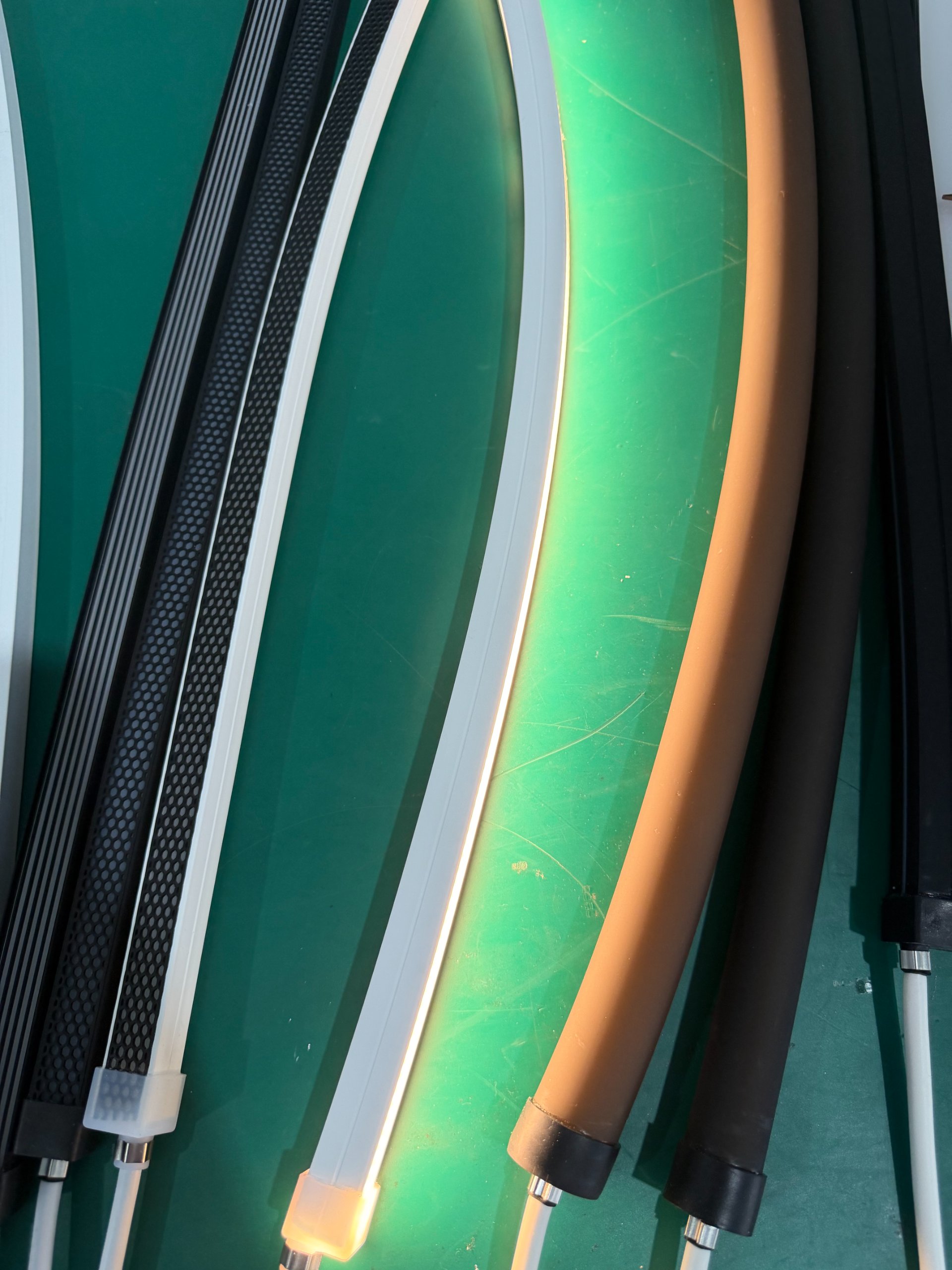
If you purchase from different batches, even strips labeled as 3000K may actually measure 2800K, 3100K, or 3300K. When these are installed together, the building shows visible color banding. It is not obvious during the day. At night, it is glaring.
Large projects require LED bin locking, single-project batch locking, color tolerance control, and same-batch delivery. The cost of replacing mismatched sections later far exceeds the cost of controlling it upfront.
I inspected a retail chain where each store used the same model of LED strip. But they were purchased over six months from different batches. The color variation across stores was so obvious that customers complained. The brand had to replace all the strips in 20 locations. The cost was devastating.
5. Adhesive Compatibility Matters More Than Adhesive Strength
Many outdoor adhesive failures are not caused by weak bonding. They are caused by chemical incompatibility. Common issues include acidic adhesives corroding metal, plasticizer migration, silicone inhibiting curing, and long-term UV exposure causing interface embrittlement.
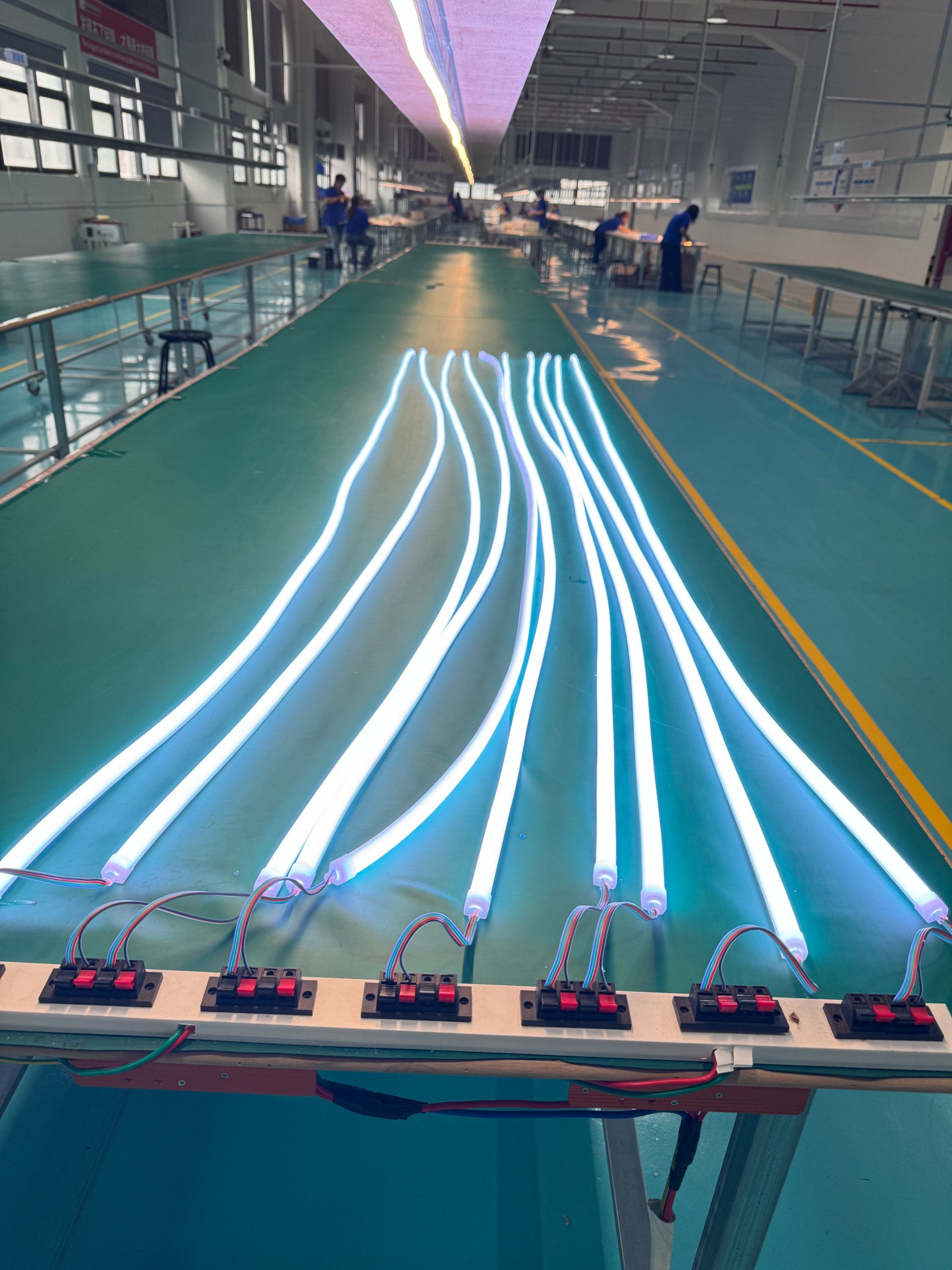
Short-term pull tests show full strength. Months later, everything detaches. Professional projects require testing with actual material combinations, long-term thermal aging tests, UV aging tests, and temperature-humidity cycling tests. They do not rely on adhesive datasheets alone.
I once audited a project where the contractor used a standard construction adhesive to bond silicone neon flex to aluminum profiles. Lab tests showed excellent pull strength. Six months later, 30% of the installation had detached. The issue was plasticizer migration from the adhesive into the silicone. The bond interface had chemically degraded. No amount of reapplication fixed it. The entire system had to be replaced with a compatible adhesive.
The Final Test For Any LED Strip Supplier
When evaluating an LED strip supplier, do not start by asking how much the product costs. Start by asking this question:
If this installation fails three years from now, do you know where it will fail first?
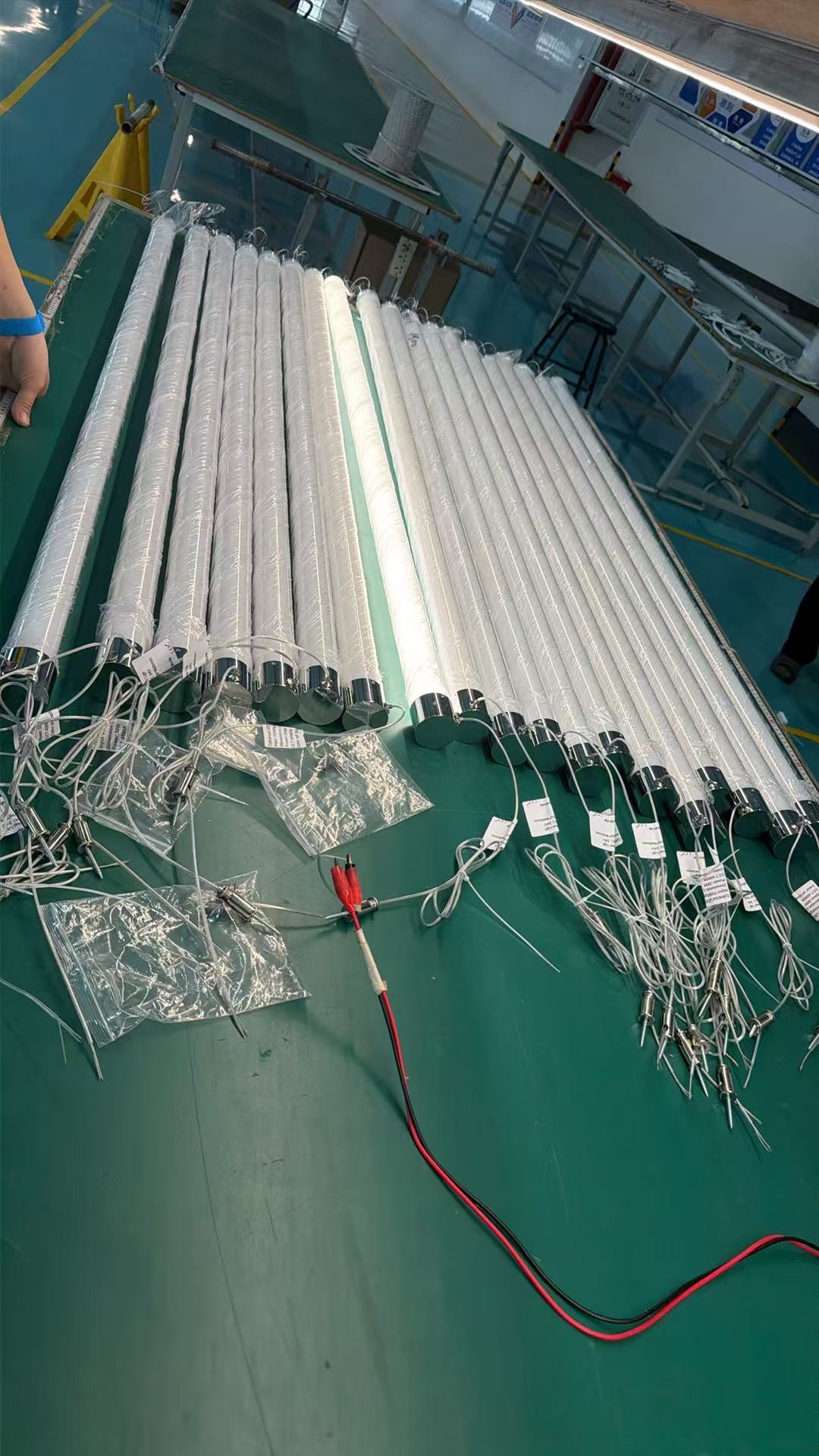
Suppliers who have worked on large-scale projects discuss stress release, material compatibility, UV aging, thermal management, color control, and failure pathways. They do not just talk about lumens and price. They understand that the biggest cost in any project is not the purchase price. It is the maintenance cost, brand damage, and rework expenses after delivery.
LED strips are not about how bright they are today. They are about whether they will still be stable and bright five years from now. That is the difference between a product and a solution. That is what we focus on at Shenzhen Alister Technology Limited. We engineer lighting systems that last. Because in the lighting business, the real test happens after the lights are turned on.
Conclusion
Choosing LED strips is not about finding the cheapest option or the brightest output. It is about understanding material science, thermal dynamics, and real-world failure modes. The right supplier does not just sell you a product. They provide a system that survives years of UV exposure, thermal cycling, and environmental stress. That is what separates a successful project from a costly disaster.