

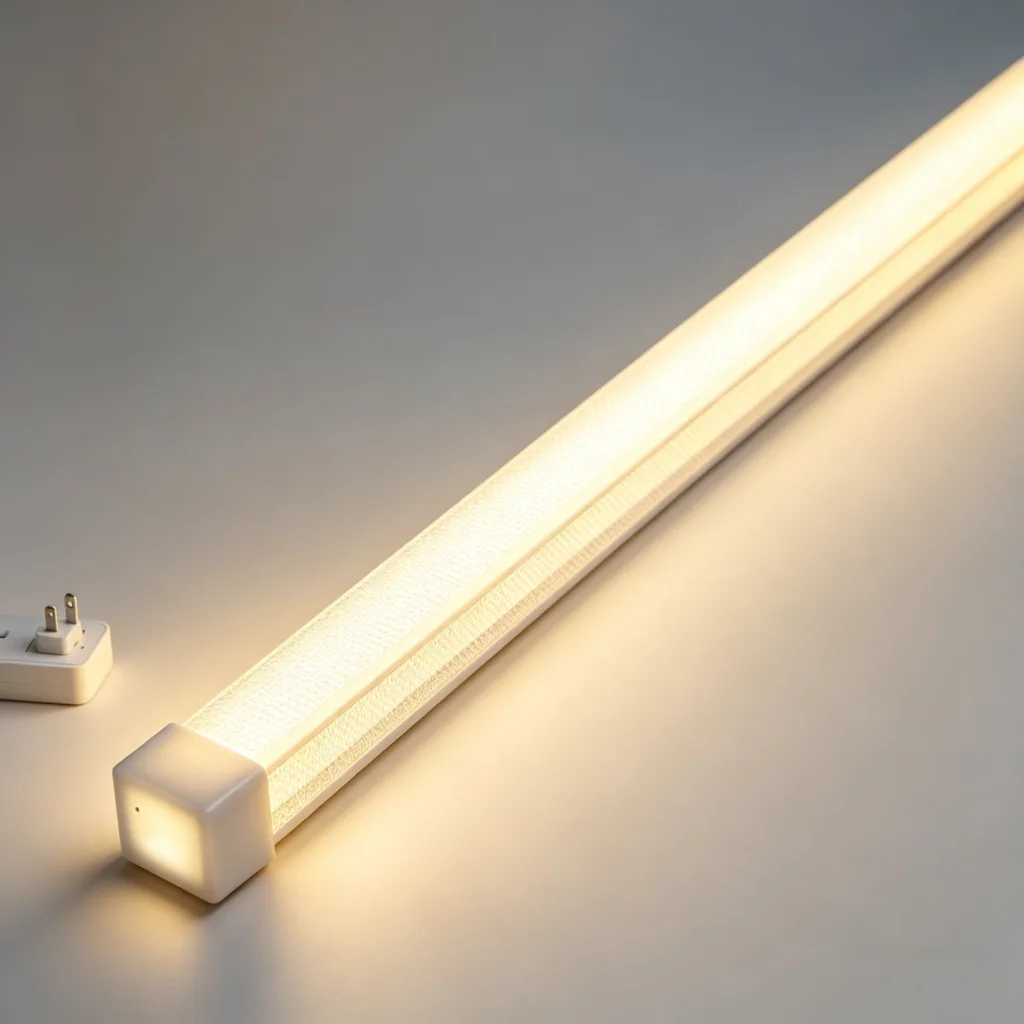
In the lighting industry, we see "Wholesale Neon" as a way to cut costs and boost efficiency. But I've watched countless large-scale projects collapse, not because the product failed, but because teams confused "wholesale purchasing" with "standardized delivery." The real danger isn't the price—it's the purchasing logic itself.
When you buy 15,000 meters of neon flex in bulk for a global rollout, you're not just buying a product. You're buying a system that must perform across dozens of architectural environments, installation methods, and visual conditions. The moment you treat this as a simple procurement transaction, you set the stage for delays, rework, and validation disputes that can derail your entire project timeline.
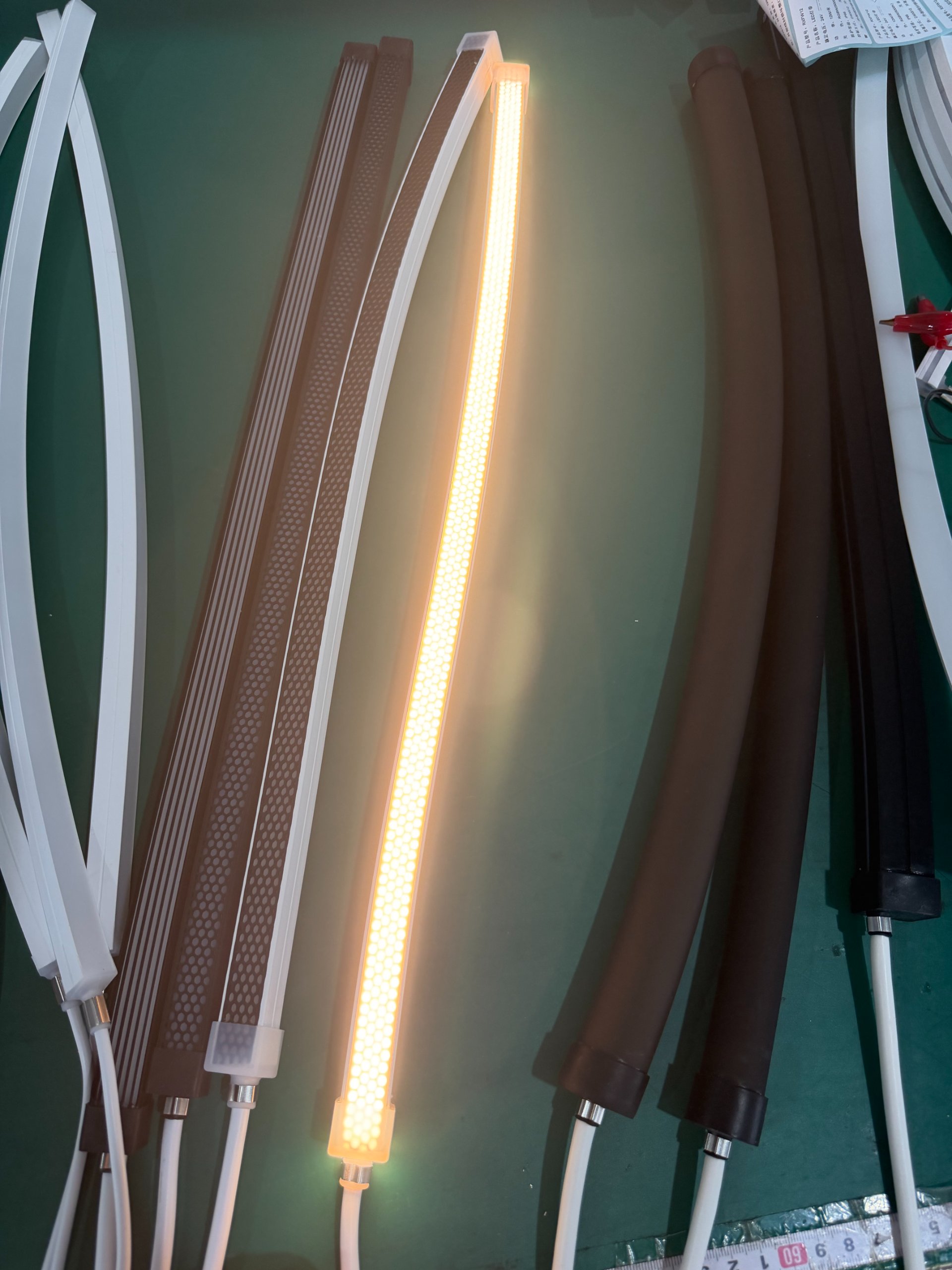
Most project teams focus on unit price, MOQ, and delivery dates during the purchasing phase. Meanwhile, the real risk—misaligned expectations between procurement specs and on-site reality—remains completely invisible until installation begins.
Why Do Teams Confuse Wholesale Purchasing with Standardized Delivery?
I've sat in dozens of kickoff meetings where procurement teams believed that buying the same model number from the same supplier would guarantee identical results across all sites. The logic seems solid: same specs, same source, same outcome. But this assumption ignores a fundamental truth about lighting projects.
Wholesale neon purchasing controls material consistency. It does not control application consistency. The same product installed in different buildings, climates, and visual contexts will produce different results—even when every technical specification is identical. This gap between procurement assumptions and installation reality is where most large-scale projects break down.

I've worked with contractors who discovered this too late. They purchased materials that met every listed requirement. They followed the drawings exactly. Yet during final inspection, brand teams rejected the work because the visual effect didn't match expectations. Who was responsible? According to the contracts, no one—because the contracts only specified materials, not outcomes.
The problem starts when procurement teams optimize for the wrong variables. They negotiate price. They verify certifications. They confirm delivery capacity. But they rarely ask: "Will this product achieve the brand's visual goals in the actual installation environment?" That question gets lost between departments. Procurement thinks design answered it. Design thinks engineering answered it. Engineering thinks installation will handle it. No one actually answers it.
This organizational gap creates a dangerous situation. Everyone believes they're following the correct process. The specifications are clear. The testing is complete. The contracts are signed. But the project is already set up for failure because the fundamental question—"What defines success?"—was never properly answered.
When you're sourcing neon flex for a single storefront, you can adjust on-site if something doesn't work. When you're sourcing for 200 locations across 15 countries, that same adjustment becomes a logistical and financial nightmare. The scale of wholesale purchasing magnifies every assumption error.
I've seen projects where the procurement team successfully negotiated a 30% cost reduction, only to spend 80% more on installation modifications and rework. They optimized the wrong metric. They won the purchasing battle but lost the project war.
What Happens When a Global Chain Treats Neon Purchasing as a Standard Commodity Buy?
Let me walk through a real case. An international retail brand launched a global store upgrade. They planned to purchase over 15,000 meters of silicone neon flex. The project covered North America, Europe, the Middle East, and Asia-Pacific. Corporate headquarters decided on centralized procurement to ensure brand consistency.
The procurement team created a detailed specification: unified model, unified color temperature, unified power rating, unified IP protection. Suppliers submitted samples. Testing confirmed compliance. Corporate approved mass production. Then installation began, and the project started to unravel—not because anyone made a mistake, but because the wrong questions were asked from the beginning.

Northern European locations reported excellent results. The visual effect matched expectations. Brand recognition was strong. Middle Eastern locations reported weak overall effect. The same neon system looked significantly less impactful. Southeast Asian locations encountered unexpected background reflection issues. North American locations in certain regions reported reduced brand visibility.
The procurement team was confused. They had controlled for material consistency. Every installation used identical products. The specifications were the same. The supplier was the same. Yet the outcomes were completely different.
Here's what actually happened. The project team controlled the input but ignored the environment. Same neon system, different buildings. Same technical specs, different ambient lighting. Same color temperature, different background materials. Same installation method, different viewing distances. The wholesale purchase guaranteed material uniformity. It could not guarantee visual uniformity.
Who made the wrong decision? Corporate believed unified purchasing meant unified results. Procurement believed unified specifications meant unified delivery. Design believed unified drawings meant unified visuals. Everyone was correct within their own domain. But no one connected those domains into a complete system.
The testing phase revealed why this happened. All product validation occurred in controlled laboratory conditions. Samples were mounted on neutral backgrounds. Lighting was standardized. Viewing distances were fixed. The tests proved the product worked. They did not prove the product would work in real-world conditions.
By the time installation teams discovered the problem, it was too late to adjust the procurement strategy. Multiple regions needed redesigned solutions. Some locations required complete signage remakes. The overall project budget increased significantly. The global launch timeline was forced back by months. And every supplier had technically fulfilled their contract obligations. The real problem was that the contract defined the wrong deliverables.
What Critical Details Do Wholesale Neon Specifications Always Miss?
I've reviewed hundreds of procurement documents. Most contain the same structural flaws. They specify materials exhaustively but define outcomes vaguely. This creates a gap where project failure can hide until it's too late to fix.
The most dangerous specification trap is "Same Model Required." Procurement teams write this into contracts believing it guarantees consistency. But model numbers only control manufacturing specifications—they don't control installation conditions, viewing angles, or environmental interactions. Two identical neon systems can produce completely different visual results depending on where and how they're installed.
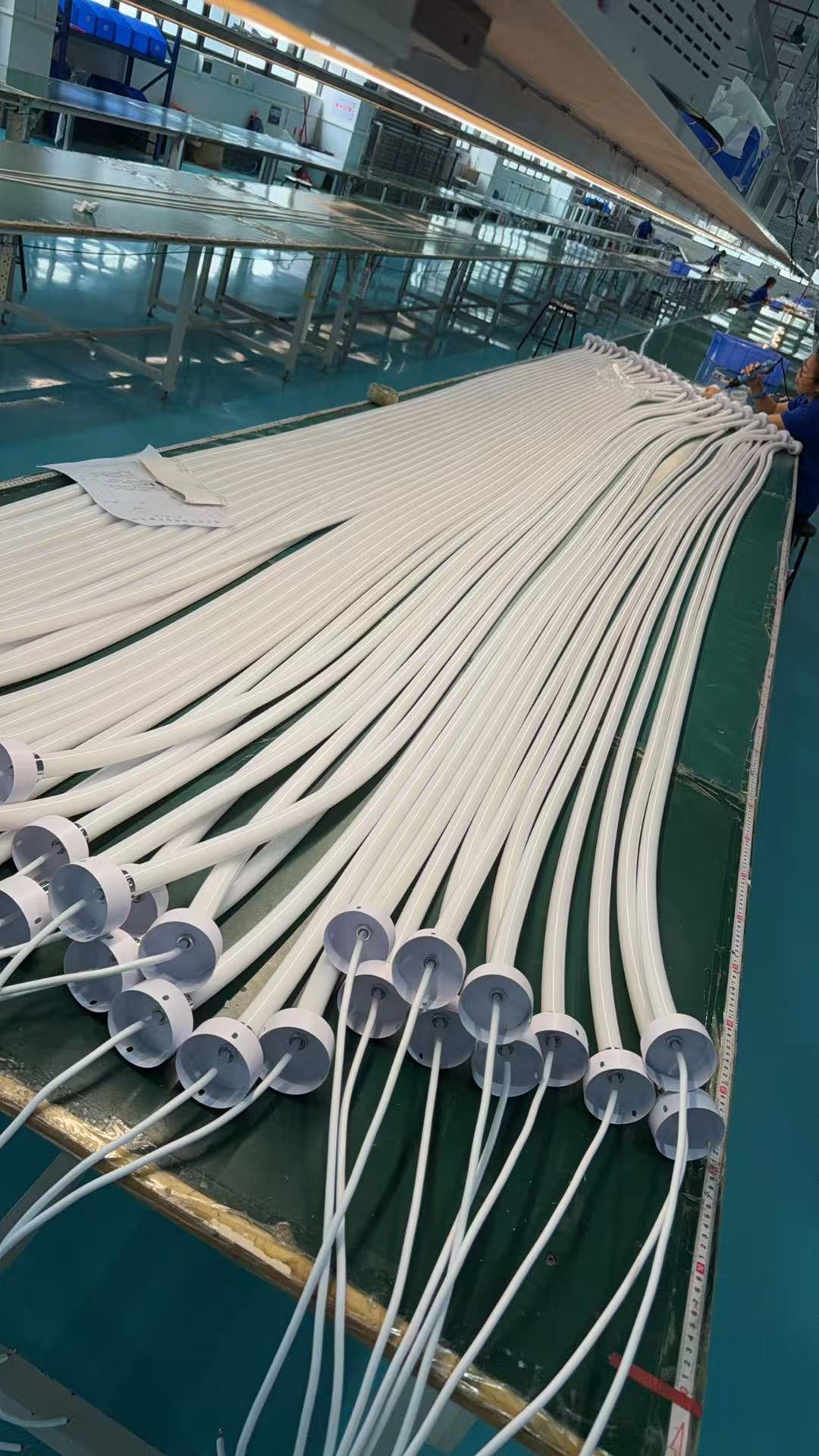
Consider IP ratings. Most wholesale neon specs require IP67 or IP68 protection. But these ratings only apply to the product as manufactured. Once you add field connections, junction boxes, and power entries, the system-level protection may drop significantly. Yet most specifications don't address this gap. They test the product. They don't test the installation.
Color temperature specifications create similar problems. You can specify 3000K across all locations. But 3000K light looks completely different against white marble versus dark wood. It looks different at 2 meters versus 10 meters viewing distance. It looks different in bright retail environments versus dim hospitality settings. The specification controls the light source. It doesn't control the visual perception.
Certification requirements follow the same pattern. Teams verify that products carry CE or UL marks. But they don't always confirm that those certifications apply to the specific installation method in the target market. A product certified for one mounting type may not be certified for another. A product approved for one voltage range may not be approved for another. The certification exists. It just doesn't cover what you're actually doing.
Sample approval processes often miss the mark entirely. Suppliers submit small samples—maybe 1-2 meters. These samples work perfectly because they're installed in ideal conditions. But the actual project might involve 100-meter continuous runs with multiple connection points, environmental stress, and complex routing. The sample proves the material works. It doesn't prove the system works at scale.
I've seen projects where samples passed every test, but the first pilot installation revealed fundamental problems. The sample was mounted in a controlled showroom. The real installation faced temperature extremes, vibration, UV exposure, and mechanical stress. The sample testing validated materials. It didn't validate the application.
The batch production transition creates another hidden risk. Wholesale orders often involve multiple production batches over several months. Color matching between batches can vary slightly—variations that are invisible in isolation but become obvious when installed side-by-side. Specifications rarely address batch-to-batch consistency or require batch coding for traceability.
Visual acceptance criteria are almost never properly defined. Contracts specify "acceptable quality level" without defining what acceptance means. Does it mean matching a physical sample? Matching a photograph? Matching a subjective brand standard? At what viewing distance? Under what lighting conditions? With what tolerance range? These questions don't appear in most specifications. They only emerge during final inspection, when it's too late to adjust.
How Do Professional Project Teams Actually Control Wholesale Neon Risk?
The most successful large-scale neon projects don't start with procurement—they start with requirement stratification. We separate brand requirements, engineering requirements, and procurement requirements into distinct layers. Each layer gets its own specification document.
Brand requirements define the visual goal: "Create high-impact storefront visibility with warm white illumination visible from 50 meters at dusk." Engineering requirements define implementation: "Achieve 500 lumens per meter with CRI >90 and 3000K ±100K tolerance, installed at 3.2m height." Procurement requirements define sourcing: "Supply 2,000 meters silicone neon flex, IP67, in 5-meter continuous sections." These are three separate conversations with three separate success criteria.
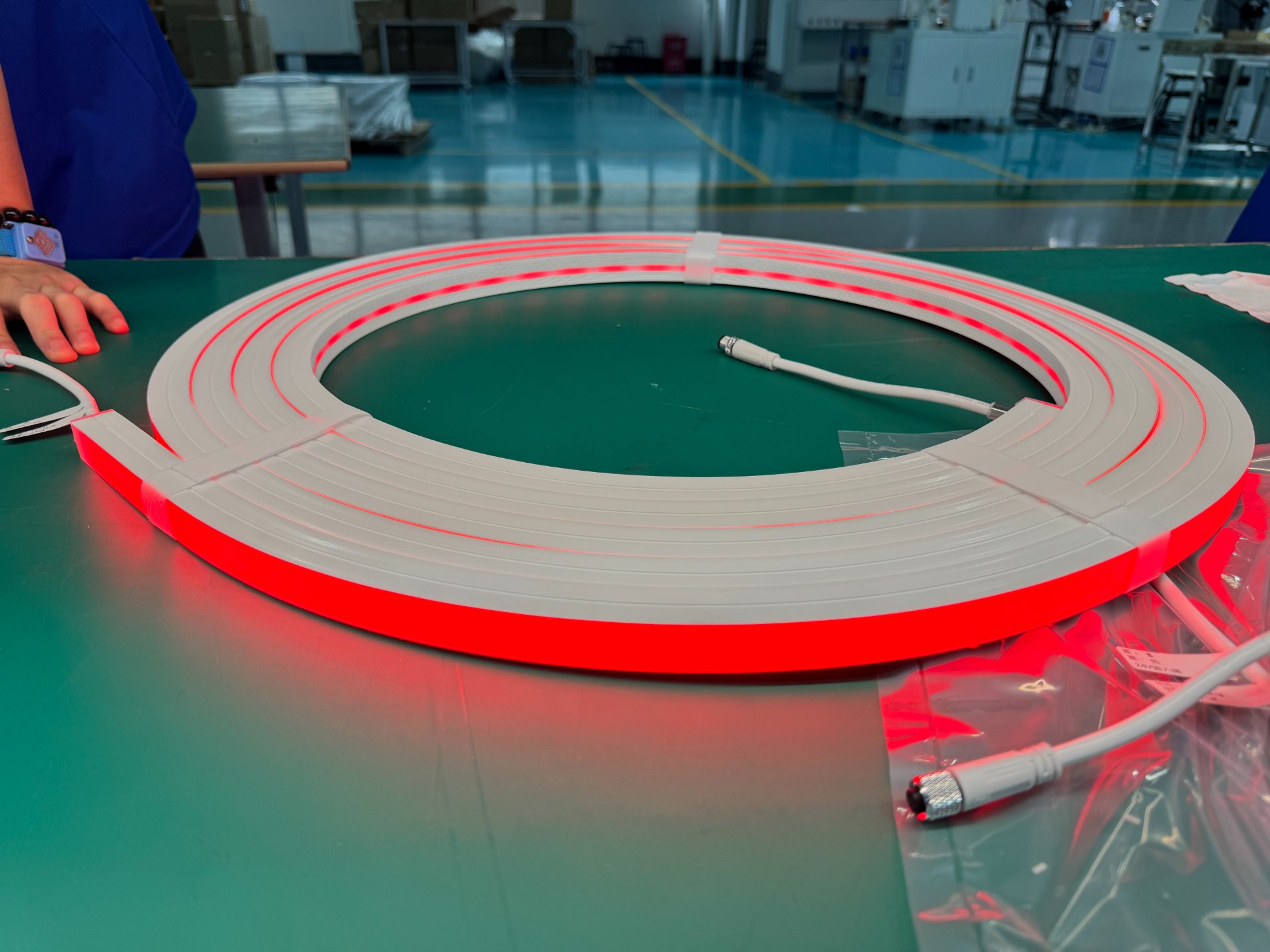
We don't rely on supplier datasheets for project specifications. Supplier specs describe what the product is. Project specs describe what the project needs. These are not the same document. Project-level specifications must include application context, installation conditions, and visual acceptance criteria—none of which appear in manufacturer datasheets.
Sample validation must replicate actual installation conditions. We mount samples on the real background material. We install them at the real height. We view them from the real distance. We test them under actual ambient lighting. Laboratory testing proves technical compliance. Field testing proves application success.
We always run pilot installations before bulk procurement. Select 3-5 representative sites. Complete full installations. Live with them for 30 days. Collect feedback from all stakeholders. Only after pilot success do we release the bulk order. This approach costs more upfront. It saves far more on the backend by preventing large-scale rework.
Batch management becomes critical at scale. Every production run gets a unique batch code. All batch codes are documented against site locations. This creates full traceability. If one region reports a problem, we can immediately identify which other sites received the same batch. We can isolate the issue before it spreads.
Responsibility matrices eliminate the "not my job" problem. We document exactly who owns each decision layer. Brand owns visual effect definition. Design owns implementation logic. Procurement owns supply chain execution. Installation owns field execution. Acceptance testing owns final verification. When problems emerge, we know exactly who needs to solve them.
Risk escalation protocols prevent assumption creep. Any change to supplier, installation method, building structure, project region, or installation team triggers a mandatory review. We don't assume that solutions from Site A will work at Site B. We verify each time. This seems tedious. It prevents expensive failures.
Visual acceptance systems remove subjective judgment. We specify exact viewing distance. We specify ambient brightness levels. We specify test timing. We specify photography standards. We specify tolerance ranges. Both parties agree on these criteria before work begins. Acceptance becomes objective measurement, not subjective opinion.
Project Risk Control Checklist
| Risk Category | Control Method | Verification Point |
|---|---|---|
| Specification Gap | Three-layer requirement docs | Before RFQ release |
| Environmental Mismatch | Field sample testing | Before bulk order |
| Batch Variation | Pilot installation program | Before full rollout |
| Installation Inconsistency | Responsibility matrix | Before site mobilization |
| Acceptance Dispute | Pre-defined visual criteria | Before contract signing |
| Scope Creep | Change escalation protocol | Throughout project life |
| System Integration | Full-scale mock-up | Before production approval |
| Long-term Performance | Post-installation monitoring | 30/60/90 day reviews |
Conclusion
Wholesale neon purchasing fails when teams optimize for transaction efficiency instead of system success. The real value isn't lower unit costs—it's controlled deployment across complex conditions. And the real risk isn't product quality—it's misaligned expectations hidden inside incomplete specifications.