

I've seen this pattern repeat for 15 years. Companies want to save energy. They replace old lights with LED strips. Then they discover the brand logo looks different across 50 stores. The project becomes a mess. Why does this keep happening?
LED retrofit for commercial signage is not just about swapping light sources. It's about rebuilding an optical system within existing structural constraints. Most projects fail because they treat it as an equipment upgrade instead of a system-level reconstruction that directly impacts brand visual consistency.
I want to share what actually happens when retrofit projects go wrong. I'll show you the hidden risks. I'll explain why "energy saving" alone is not enough. You'll understand how to protect your brand visual standards during LED upgrades.
Why Do Most Retrofit Projects Ignore Visual System Compatibility?
The decision looks simple on paper. Old fluorescent tube uses 120W. New LED strip uses 40W. Energy cost drops. ESG targets are met. Everyone signs off.
The core mistake is treating commercial signage retrofit as a single-device replacement problem instead of recognizing it as a complete optical system matching challenge under fixed structural constraints.
I've watched this decision process across dozens of projects. Brand managers see lower carbon emissions. Procurement sees reduced electricity bills. Design consultants assume visual output stays the same if lumens match. Construction teams want fast installation with no structure changes. Nobody questions the basic assumption because each department's logic makes sense in isolation.
The problem emerges when you realize what retrofit actually touches. You are not just changing a light source. You are altering three interconnected systems simultaneously. First is structural constraint mismatch. The old signage has fixed groove width, fixed light emission surface, and permanent reflective materials. But new LED strips change beam angle, change dot pitch density, and redistribute light output patterns. Second is electrical load redistribution. Old systems often used high-voltage tube circuits. New LED systems need low-voltage DC distribution. Many projects only replace the power supply without redesigning circuit topology, voltage drop patterns, or segmentation logic. Third is optical matching failure. This is the most critical but most overlooked aspect. The original signage achieved visual uniformity based on the old light source characteristics. After LED retrofit, hotspot locations shift, shadow positions change, and edge brightness decay follows completely different curves.
These mismatches don't show up in specification sheets. They appear during installation. By then, you've committed to equipment orders, locked in construction schedules, and set client expectations. I saw one retail chain discover their logo letters had uneven brightness after installing LED strips in 80 stores. The project burned an extra 8 weeks and 25% budget on rework. The technical parameters were perfect. The visual result was unacceptable.
The error compounds through each project phase. In the proposal stage, teams only calculate wattage replacement ratios. In procurement, specifications list IP rating, voltage, and color temperature but never define light distribution methods or mounting position tolerances. During construction, workers discover uneven illumination, local over-brightness, and dark letter edges. Then everyone starts improvising fixes onsite. At acceptance, brand teams say visual consistency is broken. Contractors say equipment meets all specifications. Designers blame structural limitations. The finger-pointing begins because nobody defined what "successful retrofit" actually means beyond energy savings.
What Happens When You Prioritize Energy Numbers Over Brand Visual Standards?
I worked on an international retail chain project across 120 stores in Europe and North America. The brief was clear. Reduce energy consumption by 40%. Maintain original brand visual consistency. The decision came from headquarters sustainability department with procurement support.
The project achieved energy targets but failed brand visual standards because the team measured LED performance in watts instead of measuring visual recognition distance and logo uniformity across different store locations.
The decision seemed bulletproof in planning meetings. LED power draw decreased. CO₂ emissions dropped. Per-unit energy calculations worked. Everyone assumed brightness similarity would preserve visual identity. Nobody challenged this logic because design consultants only handled visual standards without structure verification, construction teams were excluded from design phases, and LED suppliers only provided standard strip parameters without application-specific guidance.
The first batch of stores went live. Immediately, store managers noticed logo edge brightness variations. The problem concentrated at letter corners and closed loop structures. As more stores completed installation, the issue became systematic. Different locations showed inconsistent overall brightness. The same letter displayed different luminous characteristics between installation batches. Nighttime brand recognition decreased noticeably. Regional managers started pushing back. They reported declining brand visibility. Headquarters demanded selective rework.
When the brand visual team finally investigated, they found something unexpected. The signage maintained shape consistency but lost visual consistency. Every logo had identical dimensions and proportions. But the way light distributed across surfaces varied between stores. Some locations appeared brighter overall. Others showed pronounced dark zones. The LED retrofit had inadvertently created multiple visual versions of the same brand identity.
The project timeline extended by 8 weeks for phased rework. Costs increased 25% from secondary construction expenses, signage disassembly fees, and after-hours installation premiums. Multiple regional stores delayed opening. The responsibility dispute became circular. Brand teams said visual standards weren't met. Designers claimed they weren't asked to create LED-specific retrofit standards. Construction teams insisted they followed drawings. Suppliers argued they delivered products to specification. The headquarters conclusion was brutally honest. "Energy targets achieved. Brand visual identity failed."
I realized the core conflict was never about whether LEDs work. It was about what question we were trying to answer. The project asked "how do we reduce watts?" The actual question should have been "how do we maintain visual system integrity while changing the light source?" Those are fundamentally different engineering problems.
How Do You Prevent Visual System Collapse During LED Upgrades?
I saw a different approach work at an airport commercial zone wayfinding system project. The goal was similar. Cut energy use by 30%. Keep directional signage recognition distance unchanged. The original plan followed standard practice. Replace fluorescent tubes with LED strips. Don't modify light diffusion structure. Don't adjust mounting positions. Don't redesign emission surface relationships.
The project succeeded because the technical lead redefined retrofit as a visual system reconstruction challenge and caught critical recognition distance failures during mock-up testing before full-scale installation began.

The airport's electromechanical systems technical manager ran a simple test that most projects skip. He built a full-scale mockup with the proposed LED strips and measured recognition distance at 10 meters. The results showed 18% decline in readability compared to the original fluorescent system. Most people never caught this because they only tested brightness output and power consumption. Nobody measured visual continuity or recognition performance at realistic viewing distances.
This single discovery changed the entire approach. The team switched to higher-density LED strips to improve light continuity. They adjusted mounting depth to increase color mixing distance before light reached the sign face. They controlled reflective material specifications on the emission surface. More importantly, they revised project standards to include recognition distance testing at 5m, 10m, and 20m intervals, defined minimum visual continuity thresholds, and created standardized retrofit templates for different signage structure types.
The verification process expanded to include nighttime environment simulation and multi-angle observation testing. Acceptance conditions now required recognition distance must not fall below original system performance, letter edges must show no discontinuities, and multi-location consistency must pass verification testing. The project avoided what would have been a complete system failure. It saved approximately 5 weeks of coordination time that would have been spent troubleshooting after installation. Most importantly, it eliminated the ambiguity between technical compliance and visual performance.
The key shift was reframing the project definition. This was not an energy reduction initiative with lighting components. This was a visual system reconstruction project with energy efficiency as a secondary benefit. That change in perspective forced the team to define success criteria that actually mattered for the asset's core function—helping people navigate the airport.
If they had proceeded with the original plan, the most likely outcome would have been energy targets met, brand visual standards failed, full system rework required, and recognition distance degraded across the entire commercial zone. The lesson is that commercial signage retrofit fundamentally differs from general lighting retrofit because signage exists to communicate visual information first and provide illumination second.
What Are the Hidden Traps in Retrofit Specifications and Bid Documents?
I review a lot of specifications. Most contain the same gaps. I'll show you where projects lose control before construction even starts.
Retrofit specifications fail when they define LED product parameters without defining visual system performance targets, creating a gap where technically compliant installations can still produce visually unacceptable results.
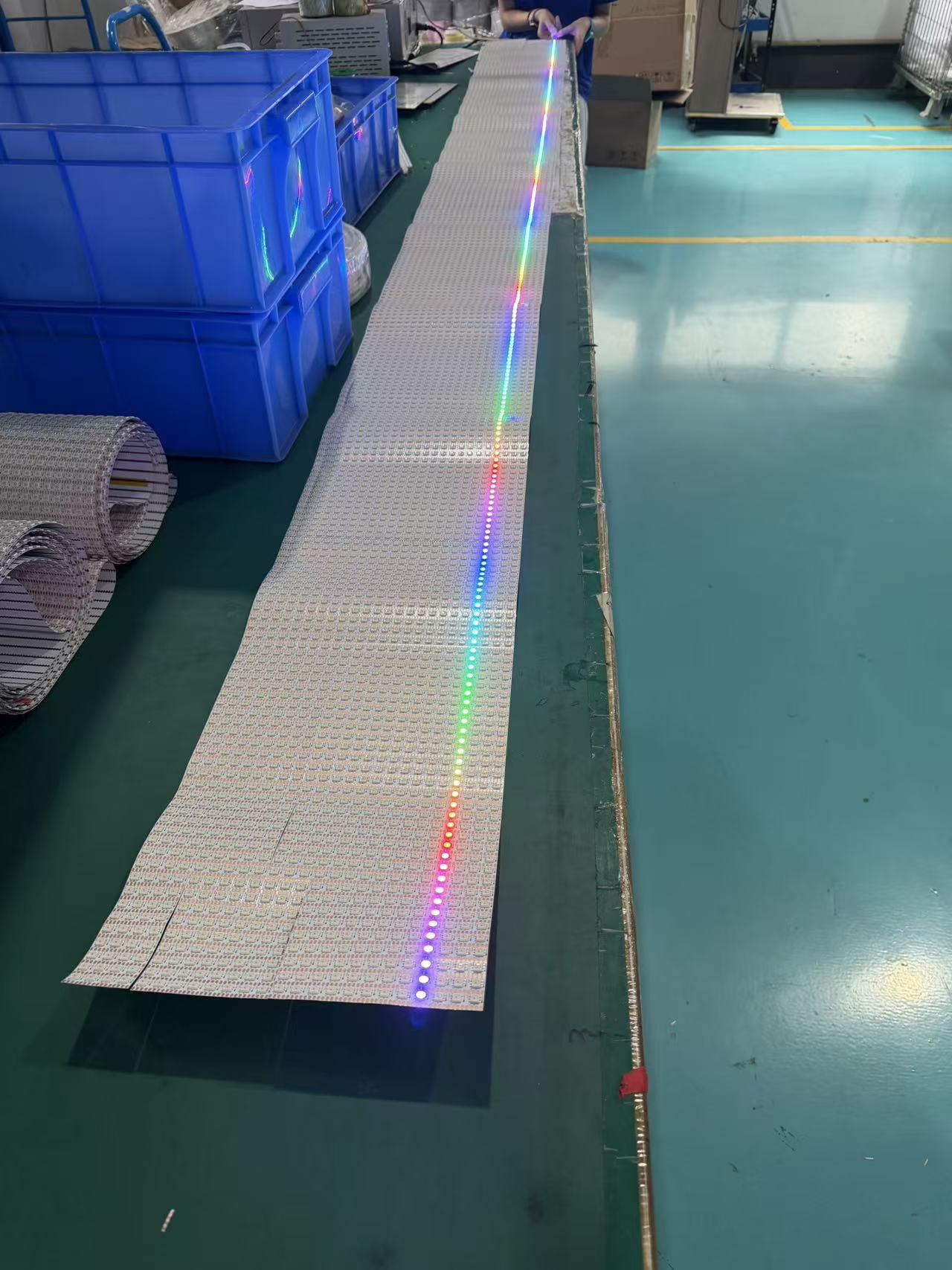
The typical specification reads like a shopping list. 24V LED strip, IP65 rating, 4000K color temperature, specific lumen output per meter. These parameters completely miss the actual performance requirement. They tell you what to buy but not what visual result to achieve. I've seen contractors deliver exactly what specifications demanded while the client rejected the work because the signage didn't look right. Both parties were correct according to how the project was defined.
Testing requirements show the same blind spot. Projects test power draw and measure brightness levels. They never test signage recognition distance, letter continuity, or multi-angle readability. So you verify the LED works as a light source but never verify the signage works as a communication device.
Bid documents create liability gaps through what they don't address. They don't specify whether contractors can modify light emission structure. They don't clarify whether mounting depth adjustments are permitted. They don't define who controls diffusion method selection. When problems emerge, everyone points to these undefined areas to explain why issues aren't their responsibility.
Sample verification follows flawed methods. Teams evaluate LEDs by turning them on and looking at them. This tells you almost nothing about performance in the actual signage structure. You need to test inside a real sign housing, with the actual reflective materials, at the actual mounting distances, under both day and night ambient conditions. The light behavior changes completely depending on these factors.
Acceptance standards suffer from subjective criteria. Documents say signage should "maintain visual consistency" without defining what that means quantitatively. How much brightness variation is acceptable between stores? What recognition distance must be preserved? How do you measure letter edge continuity? Without numerical thresholds, acceptance becomes an argument about opinions instead of a measurement against requirements.
Installation conditions get ignored entirely. Specifications don't state reflective material requirements for light grooves. They don't provide mounting position tolerance ranges. They don't allocate space for light diffusion zones. Contractors improvise these critical details onsite, creating inconsistencies between installations.
Responsibility boundaries stay vague. Who ensures visual effect consistency across multiple locations? Who designs the retrofit adaptation for existing structures? Who performs onsite optical verification before final installation? When these roles aren't clearly assigned, they often don't happen at all.
The underlying problem is that specifications treat LED retrofit as a component substitution rather than a system integration. You can meet every technical parameter and still destroy the visual system's performance. That's why projects fail even when contractors did exactly what was specified.
| Specification Element | Typical Approach | Critical Missing Factor |
|---|---|---|
| Product Parameters | List voltage, IP rating, CCT | Visual performance targets |
| Testing Protocol | Measure watts and lumens | Recognition distance validation |
| Sample Approval | Evaluate powered LED strip | Testing in actual signage structure |
| Acceptance Criteria | Subjective visual inspection | Quantified consistency thresholds |
| Installation Details | Mounting method description | Optical adaptation requirements |
| Responsibility Matrix | General contractor roles | Visual system verification ownership |
I've learned to rewrite specifications before projects start. Define what visual result you need to achieve. Then specify LED characteristics that support that result. Test performance in context. Quantify acceptance criteria. Assign clear responsibility for visual system integrity. This shifts the conversation from "did you install the specified product" to "did you achieve the required visual performance."
How Should You Structure a Retrofit Project to Protect Visual System Integrity?
Based on 15 years of watching projects succeed and fail, I can identify the control points that determine outcomes. You need to restructure how retrofit projects are defined, executed, and verified.
Successful commercial signage retrofit requires redefining project success from energy reduction metrics to visual system preservation metrics, then building verification processes that measure what actually matters for brand identity.
Start with requirement definition. You must explicitly state that the project must maintain original visual recognition distance, preserve logo identification consistency, and ensure uniformity between store locations. Notice these are not brightness targets. They are communication performance targets. The signage exists to transmit brand identity. Energy efficiency is a constraint within which you achieve that primary purpose.
Technical specifications need to include structural constraints, light diffusion methodology, emission uniformity requirements, and retrofit adaptation rules. These define how the new LED system must behave within the existing physical environment. You're not just specifying a product. You're specifying how that product integrates with everything already installed.
Sample verification must happen in real signage structures. Build a mockup using actual materials. Test under day and night conditions. Observe from multiple angles. Measure recognition at actual viewing distances. A LED strip performing well on a lab bench tells you nothing about how it performs inside a 3D logo housing with reflective walls and a translucent face.
Mock-up testing should create 1:1 scale signage models, simulate actual store environmental conditions, and test under multiple ambient light interference scenarios. This catches integration failures before you've manufactured 100 signs and shipped them to installation sites across different regions.
Installation design needs tolerance built in. Allow for light groove micro-adjustments. Permit light diffusion material modifications. Enable mounting depth tuning. Real-world installations never match drawings exactly. If your system only works at exact specified dimensions, it will fail in the field.
Supply chain control becomes critical. Retrofit must use unified suppliers across all locations. Prohibit mixing different LED strip structures in the same signage system. I've seen projects where different regions sourced locally and created visual inconsistencies that were impossible to correct without replacing everything.
Batch management controls optical consistency. Different manufacturing runs of the same LED product can show measurable color and brightness variations. Never mix batches within a single sign. Track batches across installations so you can identify patterns if visual issues emerge.
Acceptance standards must quantify recognition distance, visual continuity, and store-to-store consistency within defined error ranges. Give inspectors numbers to measure against. Remove subjective interpretation from the acceptance process.
Responsibility division needs clear assignment. Design teams own visual standards. Engineering teams own structural adaptation. Suppliers own optical consistency. General contractors own onsite verification. When everyone knows exactly what they're accountable for, problems get caught and solved instead of being passed around.
Risk warning mechanisms should trigger project holds if samples only pass brightness testing without recognition testing, if no structural-level mock-ups have been performed, or if different locations plan to use different retrofit approaches. These are red flags that predict failure.
The pattern I've seen is that successful projects treat LED retrofit as visual system engineering while failed projects treat it as procurement and installation. The companies that understand this difference protect their brand visual standards. The companies that miss this distinction end up with inconsistent signage that undermines their brand investment.
I've applied this framework on projects ranging from airport wayfinding to retail chain signage to shopping mall directories. The approach scales because it focuses on the fundamental issue. You are preserving a visual communication system while upgrading its energy source. Everything else follows from correctly understanding that core challenge.
Conclusion
Commercial signage LED retrofit fails when teams optimize for energy numbers while ignoring visual system compatibility. Success requires redefining the project as optical system reconstruction, quantifying visual performance requirements, and verifying recognition distance before full-scale installation.