

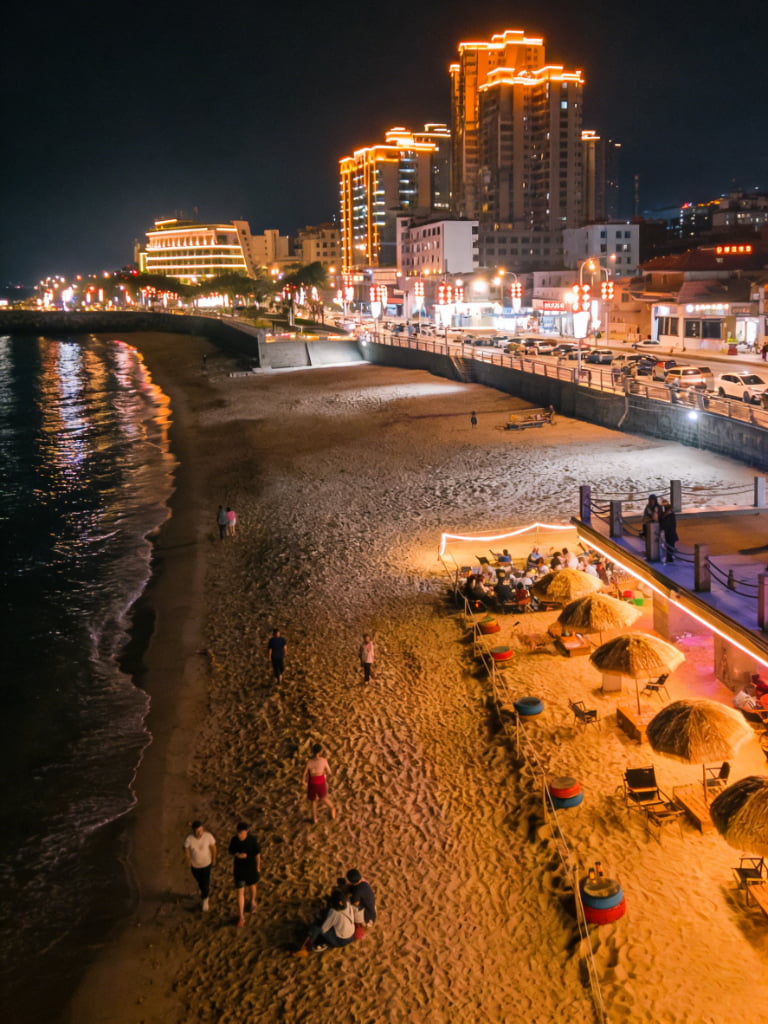
I recently encountered a puzzling issue: perfectly cut LED strips1 installed in summer developed dark gaps at the ends during winter. This unexpected problem reveals a crucial aspect of LED strip manufacturing that many overlook.
Temperature changes can cause LED neon strips to develop dark gaps at their ends due to different thermal expansion2 rates between silicone housing3 and PCB components4. Proper manufacturing techniques like friction coating and thermal cycling5 can prevent this issue.
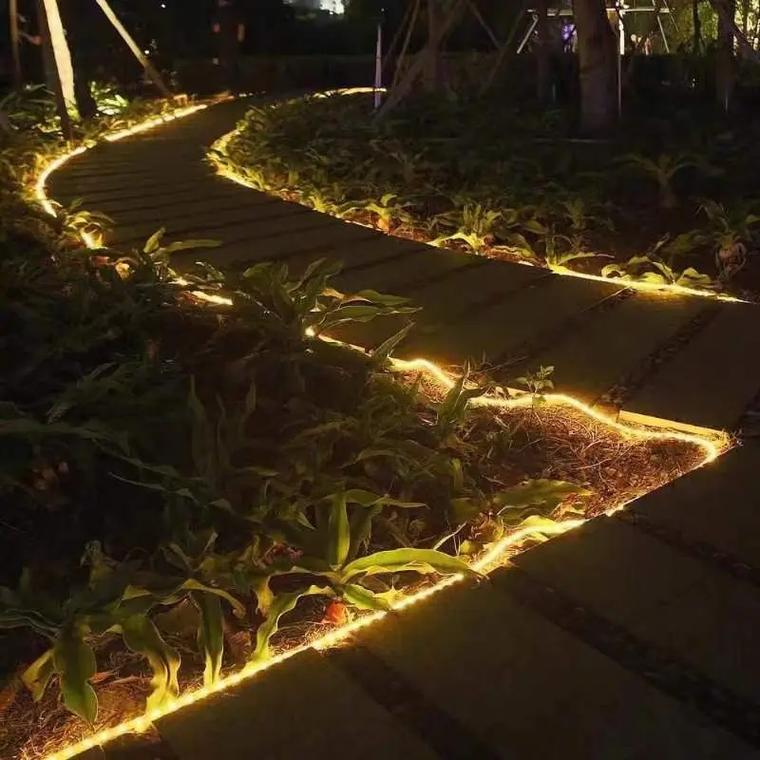
Understanding how temperature affects LED strip cuts is crucial for long-term installation success. Let me share what I've learned from years of manufacturing experience and how we've solved this challenge.
Why Do LED Strips Develop Dark Gaps in Cold Weather?
Many installers notice their perfectly cut LED strips1 showing 1cm dark gaps at the ends when winter arrives. This frustrating issue stems from a fundamental material property difference that's often overlooked during installation.
The dark gaps appear because silicone housing3 and PCB boards have different thermal expansion2 coefficients. When temperatures drop, silicone contracts more than PCB, causing internal displacement that creates non-illuminated sections at strip ends.
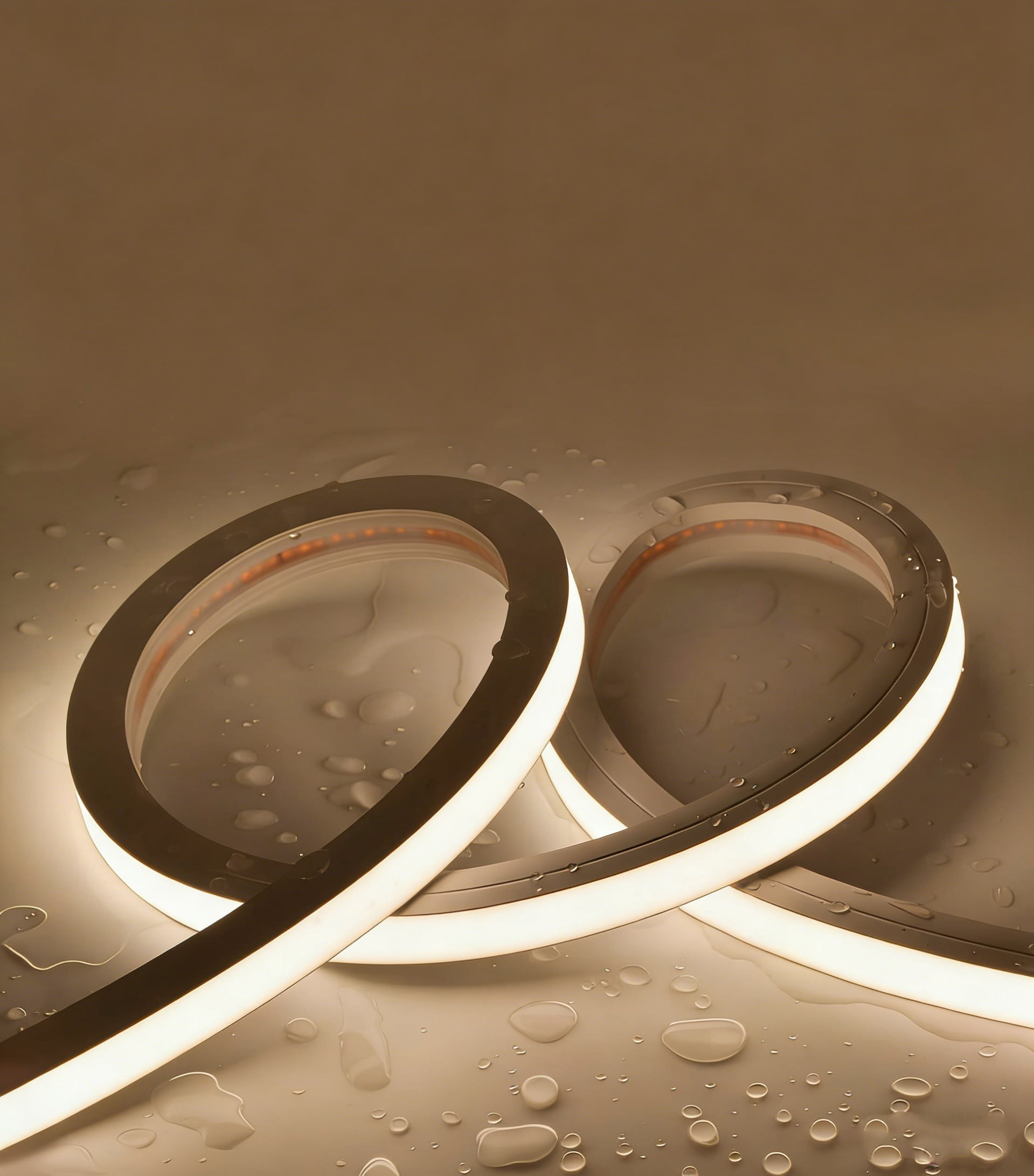
Let's dive deeper into the physics behind this phenomenon. The issue revolves around two key materials with vastly different properties:
Material Thermal Properties
| Component | Material Type | Thermal Behavior |
|---|---|---|
| Silicone Housing | Elastic polymer | High thermal expansion2/contraction |
| PCB Board | Rigid composite | Lower thermal expansion2/contraction |
When temperature changes occur, these materials respond differently:
-
Summer Installation (High Temperature)
- Materials are in their expanded state
- Components align perfectly
- No visible gaps or issues
-
Winter Operation (Low Temperature)
- Silicone contracts more significantly
- PCB shrinks less
- Internal stress builds up
- Components can shift relative to each other
The length difference becomes more pronounced in longer strips, potentially causing:
- End gaps
- Discontinuous lighting
- Compromised waterproofing
How Can Manufacturers Prevent Temperature-Related LED Strip Issues?
After discovering this problem in early installations, we knew we needed a comprehensive solution to ensure year-round performance. The challenge was finding a way to maintain strip integrity across extreme temperature ranges.
Manufacturers can prevent thermal-related LED strip issues through three key methods: internal friction coating6 treatment, structural buffer allowance in design, and thermal cycling5 pre-conditioning. These techniques ensure stable performance across temperature ranges.
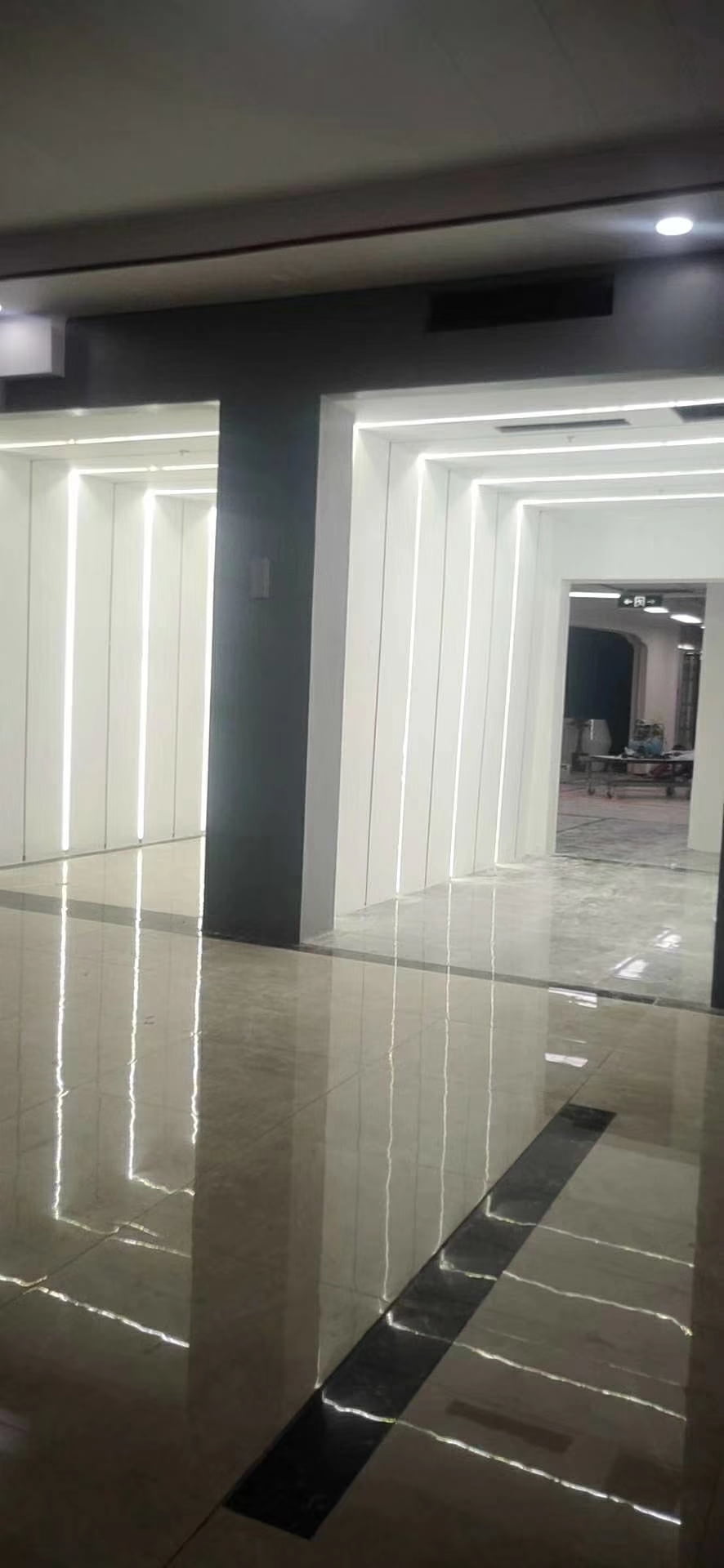
Let me break down our three-part solution that has proven effective in real-world applications:
Manufacturing Solutions for Thermal Stability
-
Internal Friction Coating
- Applied to silicone housing3 interior
- Reduces stress concentration points
- Enables uniform material contraction
- Controls PCB movement patterns
- Prevents sudden displacement
-
Structural Design Optimization
- Calculated thermal expansion2 allowances
- Built-in buffer zones
- Strategic end cap positioning
- Temperature-compensated dimensions
-
Thermal Cycling Pre-conditioning
- 48-hour hot/cold cycling
- Simulated seasonal changes
- Initial stress relief
- Final length calibration
- Verified end cap stability
We've implemented these solutions in numerous projects, including a challenging installation in Russia where temperature variations are extreme. The results showed:
- No winter gap formation
- Maintained end cap integrity
- Consistent illumination quality
- Long-term structural stability
What Makes Temperature Compensation Critical for Outdoor LED Installations?
I've seen many outdoor installations fail within months because installers overlooked temperature effects. This oversight can turn an otherwise perfect installation into a maintenance nightmare.
Outdoor LED installations face unique challenges due to seasonal temperature swings and daily thermal cycles. Without proper temperature compensation7 in manufacturing, strips can develop structural issues, lighting gaps, and seal failures over time.
The success of outdoor LED installations8 depends on understanding and accounting for environmental factors9:
Critical Environmental Considerations
-
Temperature Variation Sources
- Seasonal changes (summer/winter extremes)
- Day/night temperature swings
- Direct sunlight exposure
- Installation surface heat transfer
-
Performance Impact Areas
- Physical dimension stability
- Light output consistency
- Waterproof seal integrity
- Component alignment
- Overall lifespan
Our experience shows that proper manufacturing considerations for thermal behavior can extend installation life by years. We focus on:
- Material thermal matching
- Stress distribution design
- Long-term environmental testing
- Quality control procedures
- Installation guidelines
Conclusion
Understanding and accounting for thermal expansion2 in LED strip manufacturing is crucial for long-term installation success. Through proper material selection, design optimization, and testing, we can ensure reliable performance across all seasons.
Explore this resource to learn essential installation techniques that ensure LED strips perform well in all seasons. ↩
Understanding thermal expansion is key to preventing issues in electronics; this link provides in-depth insights. ↩
Discover the advantages of silicone housing in LED strips and how it impacts performance and durability. ↩
Learn about the critical role of PCB components in LED strips and how they affect overall performance. ↩
Explore the significance of thermal cycling in manufacturing processes to ensure product reliability. ↩
This resource explains internal friction coating, a technique that enhances the durability of LED strips. ↩
This link provides insights into temperature compensation and its importance in manufacturing processes. ↩
Understand the unique challenges of outdoor LED installations and how to overcome them for better performance. ↩
Explore how environmental factors impact LED strip performance and what can be done to mitigate issues. ↩