

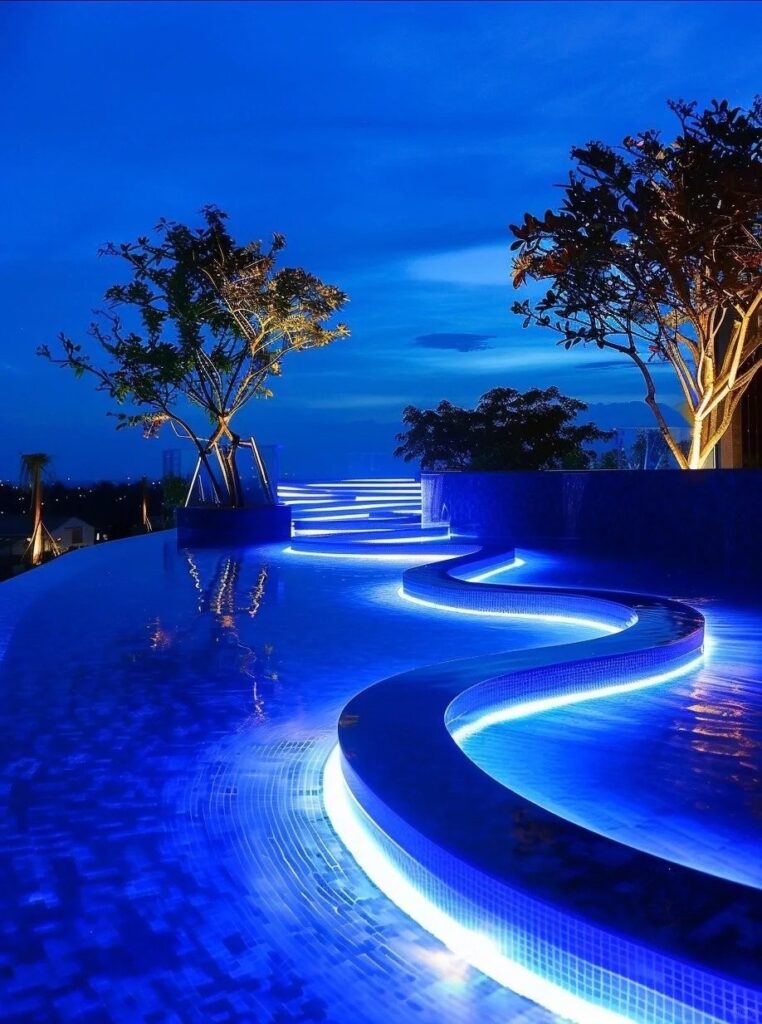
I've been manufacturing silicone sealing components for 15 years. This question comes up constantly: "Can custom neon signs work outdoors?" The short answer is yes. But if you're a project engineer, I need to be more specific—it's not about "can they work," it's about "how long will they last, and when will problems start."
In outdoor environments, success isn't determined by brightness—it's determined by whether your sealing system can remain stable under real-world stress. Most outdoor neon failures I've seen share one common trait: they pass initial tests but fail within 1–3 months because the material selection ignored dynamic environmental variables.
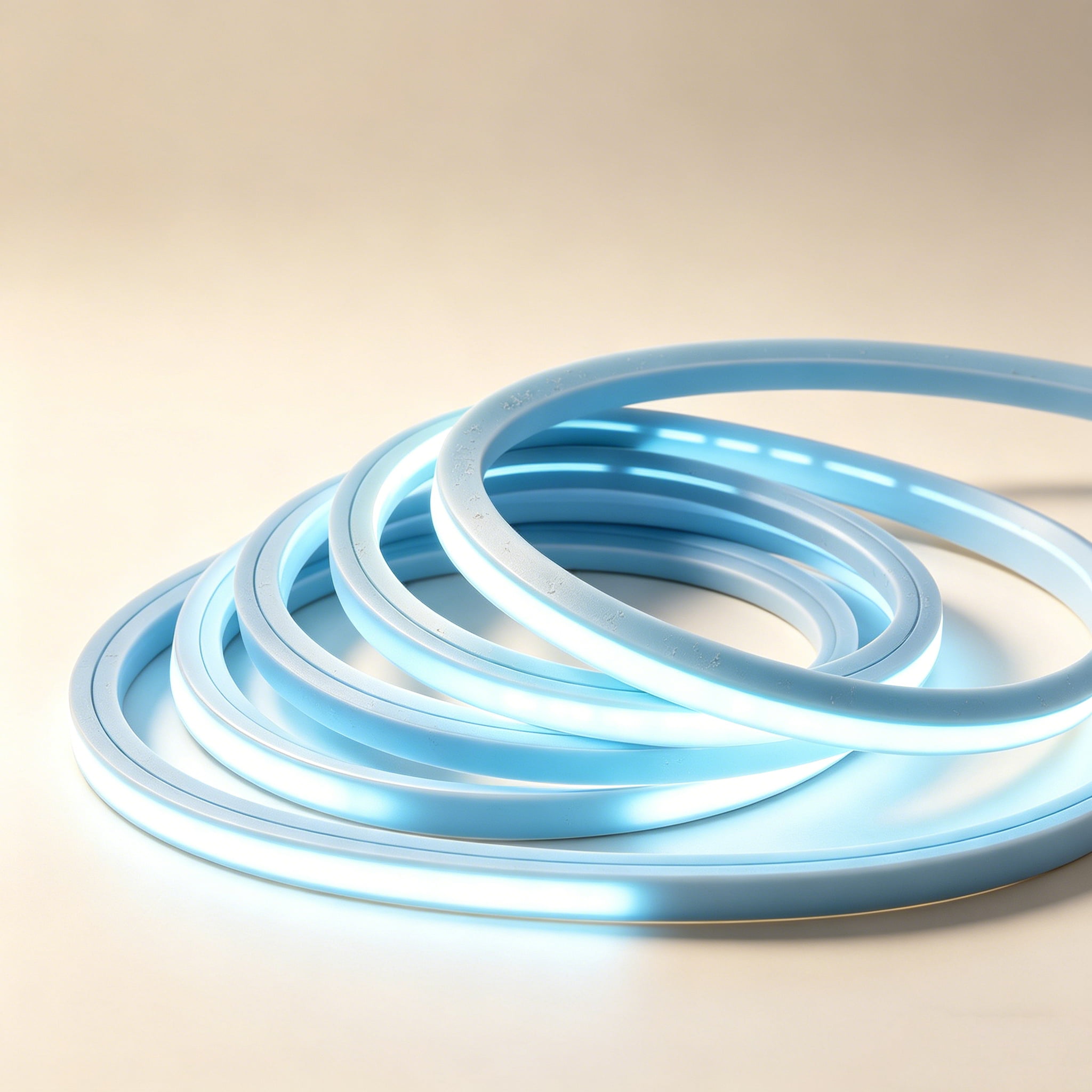
I've watched too many projects follow this pattern: perfect sample testing, IP67/IP68 ratings verified, stable illumination confirmed. Then 90 days later, water ingress begins, yellowing appears, silicone becomes tacky or brittle, and entire sections fail. If you're planning an outdoor neon project, understanding why this happens will save you from expensive redesigns.
Why Do Many Outdoor Neon Signs Start Strong but Fail Completely Later?
I see this scenario repeatedly. A project launches with confidence. All preliminary tests passed. Waterproofing rated IP67 or IP68. Lighting performance stable. Then within 1–3 months, problems emerge: end caps leak, localized yellowing develops, silicone becomes sticky or cracks, entire segments stop working.
Your first instinct might be to blame the waterproof structure or material grade. But I'll tell you the real issue: it's not about "doing it right," it's about "accounting for the actual environment."
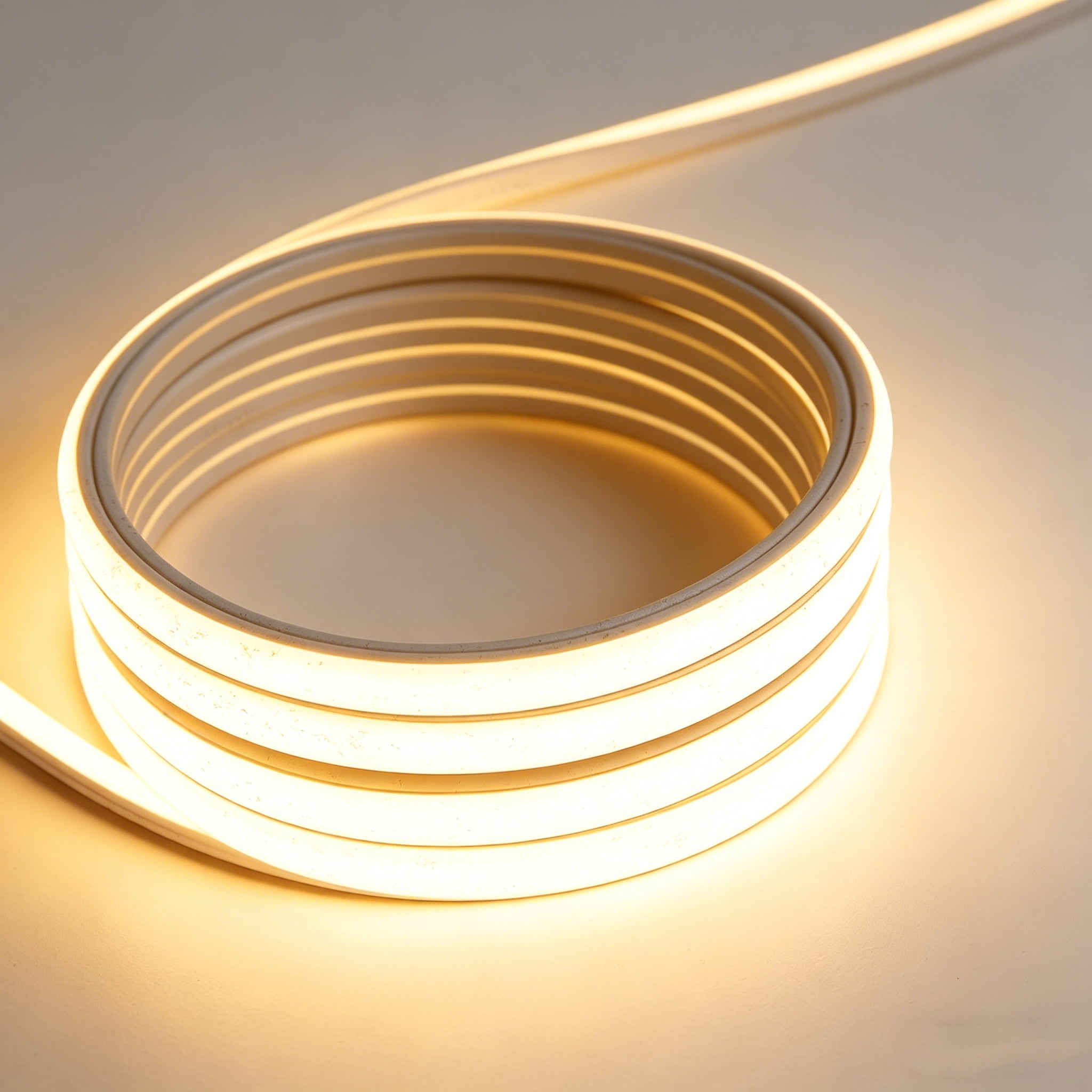
The gap between lab conditions and field reality destroys more projects than any single design flaw. When you test materials in controlled environments—constant temperature, single medium, stable pressure—you're simulating conditions that never exist outdoors. Real outdoor installations face thermal cycling, UV bombardment, contaminated rainwater, localized heat from electrical current, and structural micro-movements from wind. Each variable alone seems manageable. Combined, they change material behavior completely.
Here's what makes this dangerous: material formulation matters far more than material name. Two NBR compounds or two FKM elastomers can have radically different swell resistance, UV tolerance, and long-term stability based on filler types, additive packages, and crosslinking systems. You can select the "correct material" and still watch it fail outdoors because the specific formulation wasn't designed for your actual use case.
| Test Condition | Lab Environment | Outdoor Reality |
|---|---|---|
| Temperature | Constant 23°C | -10°C to +60°C daily cycles |
| UV Exposure | None or controlled | Continuous solar radiation |
| Moisture | Pure water | Rain + pollutants + salt spray |
| Mechanical Stress | Static compression | Thermal expansion + wind vibration |
| Chemical Contact | Single medium | Multiple micro-contaminants |
What Makes Outdoor Environments Truly Dangerous? Those 5% Non-Standard Variables
Laboratory testing follows predictable patterns. Controlled temperature. Single medium exposure. Stable pressure. But outdoor environments operate differently. Day-night temperature cycling causes repeated thermal expansion and contraction. UV radiation accelerates material aging. Rainwater carries air pollutants that create chemical micro-interactions. Electrical current generates localized temperature increases. Wind creates structural micro-displacements.
None of these variables alone is catastrophic. But their combination changes material performance in ways standard testing never captures.
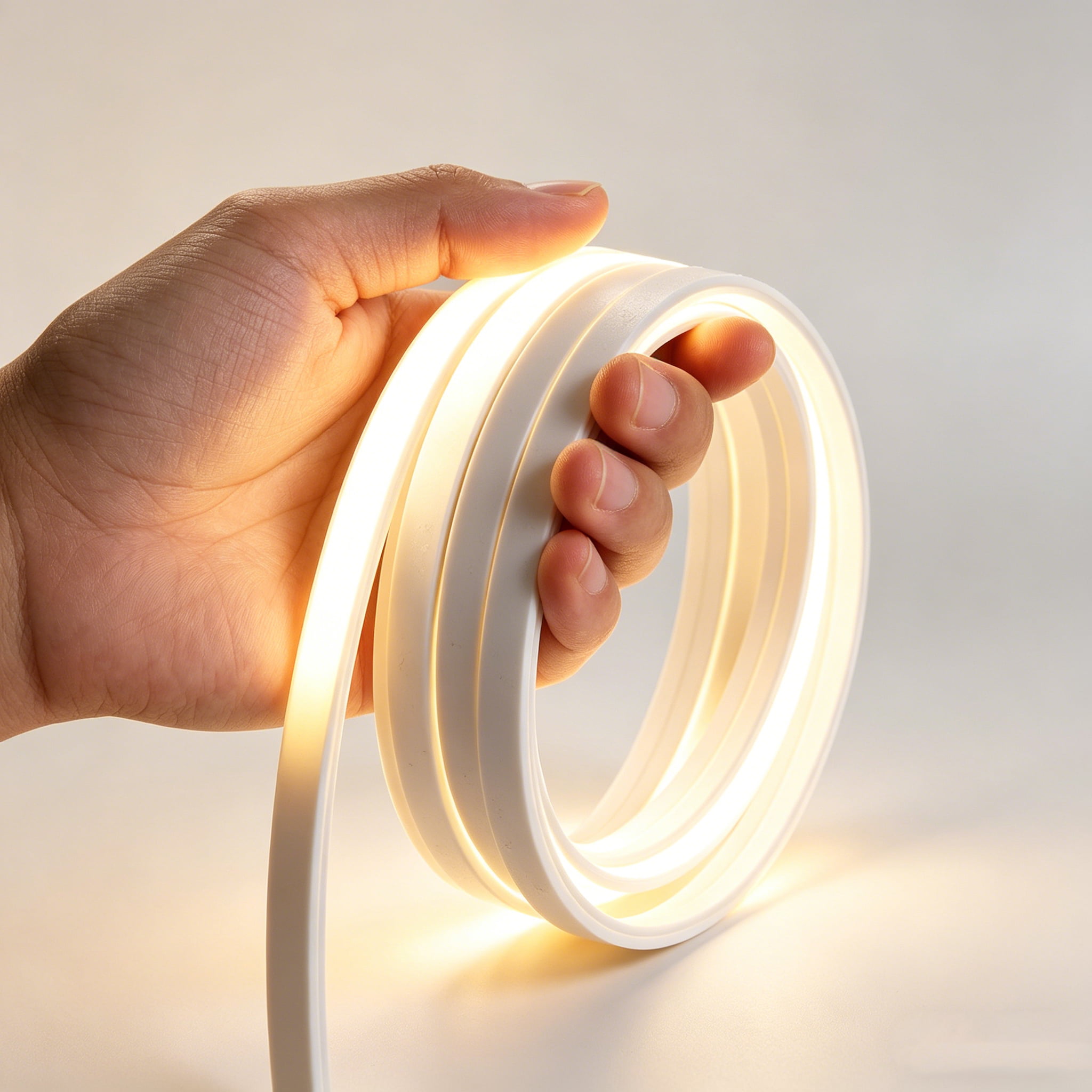
I've analyzed dozens of field failures, and the pattern is clear: materials that perform perfectly in isolation degrade rapidly under combined stress. A silicone compound that resists 80°C heat in testing might soften unpredictably when that heat combines with UV exposure and contaminated moisture. An NBR seal that handles water immersion flawlessly might swell when trace amounts of oils or solvents appear in rainwater runoff.
The formulation details make this worse. Two "FKM" compounds can behave completely differently because:
- Different filler packages alter swell resistance dramatically
- Different UV stabilizer systems create huge performance gaps
- Different crosslinking chemistry changes long-term stability fundamentally
This is why selecting materials by name alone fails. You need formulations engineered for the specific combination of stresses your installation will face. Generic material selection based on compatibility charts gives you theoretical correctness but practical failure.
If You're Serious About Outdoor Neon, Here's How to Avoid Failure
I won't give you theory. I'll give you the field-tested logic that keeps projects alive.
First, ignore IP ratings as your primary metric. IP67 or IP68 tells you one thing: water won't enter during short-term testing. It says nothing about long-term seal integrity. What you actually need to know is: compression set after extended exposure, seal integrity after thermal cycling, performance degradation after aging. A seal that tests IP68 today might leak in 90 days if the material loses elasticity under UV exposure.
Second, run combined environmental testing, not isolated tests. Don't test temperature resistance separately from UV resistance separately from moisture resistance. Real failures happen when these factors interact. You need testing that simulates: temperature variation + humidity + UV exposure + electrical operation simultaneously. Because outdoor environments never isolate variables the way labs do.
Here's my standard environmental stress protocol:
| Test Phase | Conditions | Duration | Pass Criteria |
|---|---|---|---|
| Thermal Cycling | -20°C to +70°C, 4 cycles/day | 30 days | No seal degradation |
| UV + Heat | 60°C + UV 340nm exposure | 1000 hours | <5% hardness change |
| Wet Heat Aging | 85°C, 85% RH | 500 hours | Compression set <25% |
| Combined Stress | All above simultaneously | 15 days | Full seal integrity |
Third, focus on the 5% edge cases that trigger catastrophic failure. Most degradation isn't gradual—it's triggered by threshold events. Sudden temperature drops cause material contraction that breaks seals. Unexpected electrical surges create localized heating that softens compounds. Trace chemical exposure accumulates until it crosses a performance threshold. These edge cases determine project lifespan more than average conditions do.
I've seen projects fail because:
- A cold snap dropped temperatures 15°C below the "minimum" specification
- A power surge heated one section to 90°C for 30 seconds
- Cleaning chemicals used on adjacent surfaces contained solvents that migrated into seals
Your material selection must account for these outliers, not just typical conditions.
How I Make Outdoor Projects Genuinely Controllable
In my view, outdoor neon projects aren't manufacturing problems—they're risk control problems. I do three things to make outcomes predictable.
I validate materials in real environments, not just standard data. For your specific project, I simulate: thermal cycling matching your climate zone, UV exposure matching your latitude and orientation, moisture conditions matching your local pollution levels, electrical load matching your actual circuit design. This tells me whether materials will survive your field conditions, not whether they meet generic specifications.

I control batch-to-batch consistency rigorously. Many projects fail because samples perform well but production batches vary. I lock in: raw material batch specifications, formulation ratio controls to ±0.5%, performance verification for every production lot. This ensures your project maintains stability through mass production, not just during prototyping.
I optimize structural design to reduce material stress. Sometimes problems aren't material-related at all—they're design-induced. O-ring compression percentages outside optimal ranges. Seal geometries that concentrate stress. Assembly processes that pre-fatigue materials. I participate directly in these optimizations rather than just supplying materials.
For example, I recently worked with a contractor whose outdoor neon installations kept failing at mounting points. The silicone itself was fine. The problem was that their bracket design created stress concentration during thermal expansion. We redesigned the mounting system to allow 2mm of movement, and failures dropped to zero. The material didn't change—the stress environment did.
Conclusion: Outdoor Use Depends on Avoiding One Critical Mistake
Can custom neon signs work outdoors? Yes, but only if your sealing system can handle real environments, not just lab conditions. As long as the gap between static material selection and dynamic field performance exists, outdoor use remains high-risk. If you're planning an outdoor neon project, I can help you identify and eliminate these risks before they become failures.