

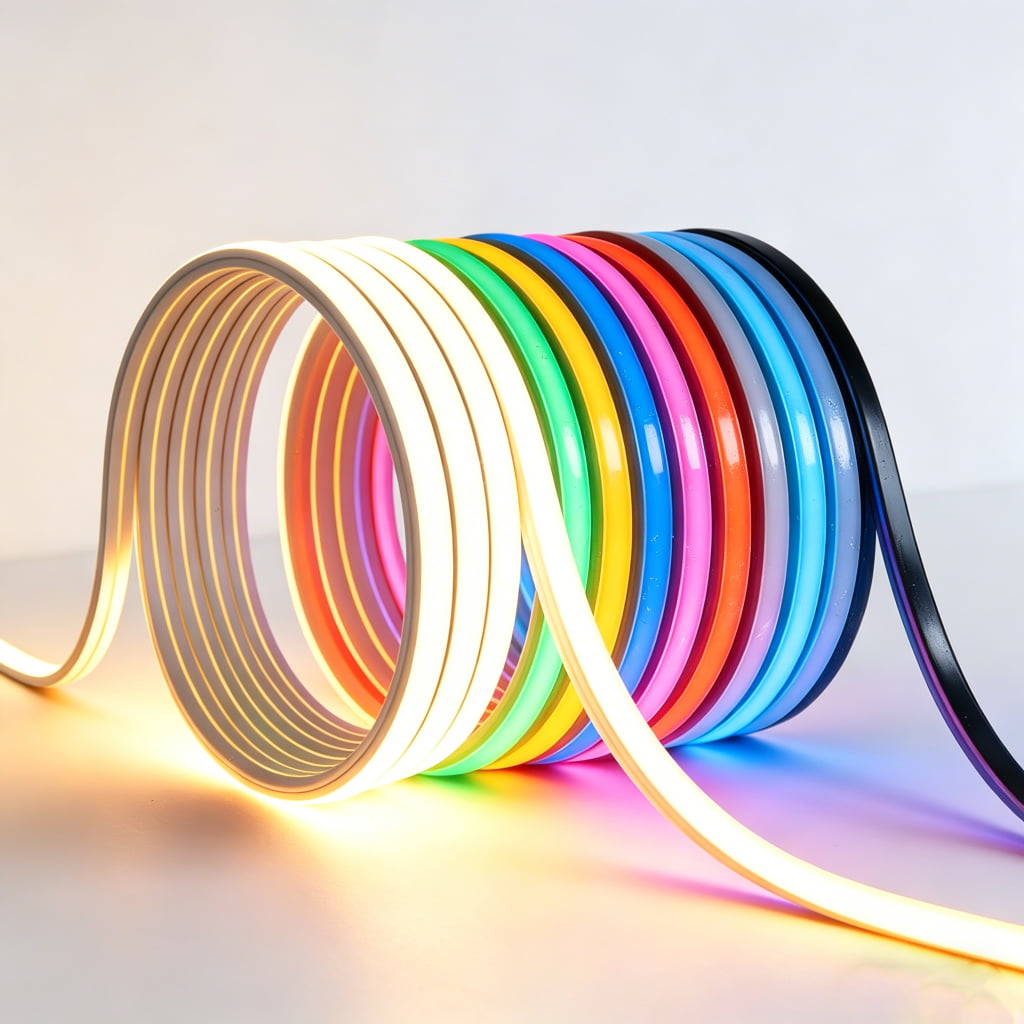
I've been manufacturing silicone sealing components1 for 15 years, and I've noticed a clear shift: LED Neon Rope Lights2 are no longer just "decorative products"—they've evolved into engineering systems3. You're not just chasing visual effects anymore; you're building long-term operational infrastructure.
Here's the real question: Why do so many "correctly designed" LED Neon Rope Light projects fail within three months? The answer isn't what most engineers expect—it's not about brightness, it's about the 5% of variables that nobody talks about until it's too late.
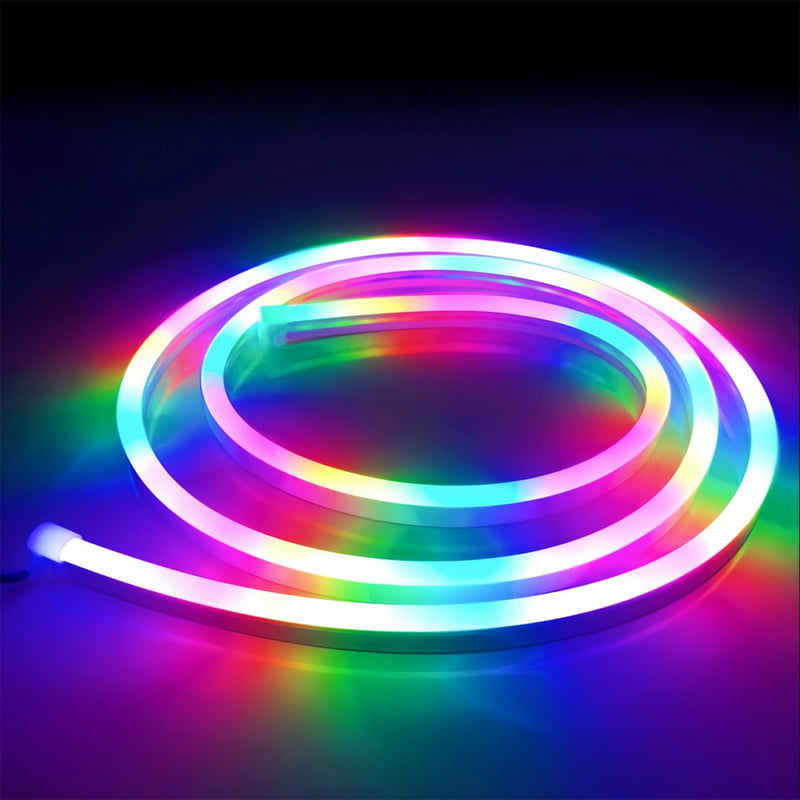
This guide won't repeat basic specifications. I'm going to show you the hidden engineering failures I see every day—and the exact framework we use at Shenzhen Alister to prevent them before production starts.
What Is LED Neon Rope Lights2 Actually Made Of? (The Structure Most Engineers Misunderstand)
When most people evaluate LED Neon Rope Lights2, they focus on three things: uniform brightness, stable light output, and visual appeal. I never look at it that way.
To me, LED Neon Rope Lights2 is a multi-layer system with four interdependent components: the LED heat generation layer, the silicone/housing protection layer, the sealing structure layer, and the environmental interaction layer4.
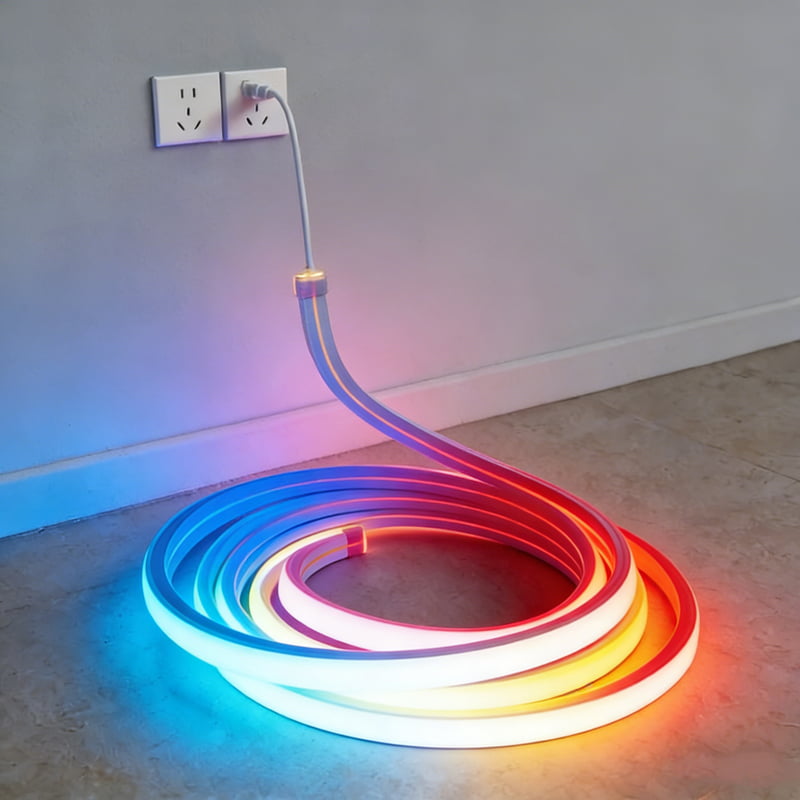
The last two are the most overlooked—and the most deadly. Because once the sealing layer fails, you get this sequence: water ingress5 → corrosion6 → light degradation → total segment failure. There's no recovery path.
Why the "Sealing System" Is the Real Core of LED Neon Rope Lights2
Here's what I mean by "system thinking." Each component affects the others:
| System Layer | Function | Failure Mode | Impact on Other Layers |
|---|---|---|---|
| LED Heat Generation | Produces light + thermal energy | Overheating, hotspots | Accelerates silicone aging, increases seal stress |
| Silicone Protection | UV resistance, thermal stability | Yellowing, cracking | Exposes LEDs to moisture, reduces structural integrity |
| Sealing Structure | Prevents water/dust ingress | Compression set, swelling | Immediate water damage, corrosion6 of circuits |
| Environmental Interface | Handles UV, temperature cycles, chemicals | Material degradation | Cascading failure across all layers |
Most engineers treat these as separate problems. We treat them as one integrated risk profile. When you understand this, you stop asking "which material is best?" and start asking "which system configuration survives my actual environment?"
The Deadliest Mistake: Your Static Testing Passes, But Your Dynamic Environment Destroys Everything
Let me describe a scenario you might recognize. You're specifying an outdoor LED Neon Rope Lights2 project. You do everything right: check material compatibility7 charts, choose between NBR and FKM based on chemical resistance, run standard lab tests. Results look perfect. You move to mass production.
Three months later, your sealing components1 show irreversible changes—either swelling or hardening. You start seeing water ingress5, localized LED failures, and large-scale warranty claims.
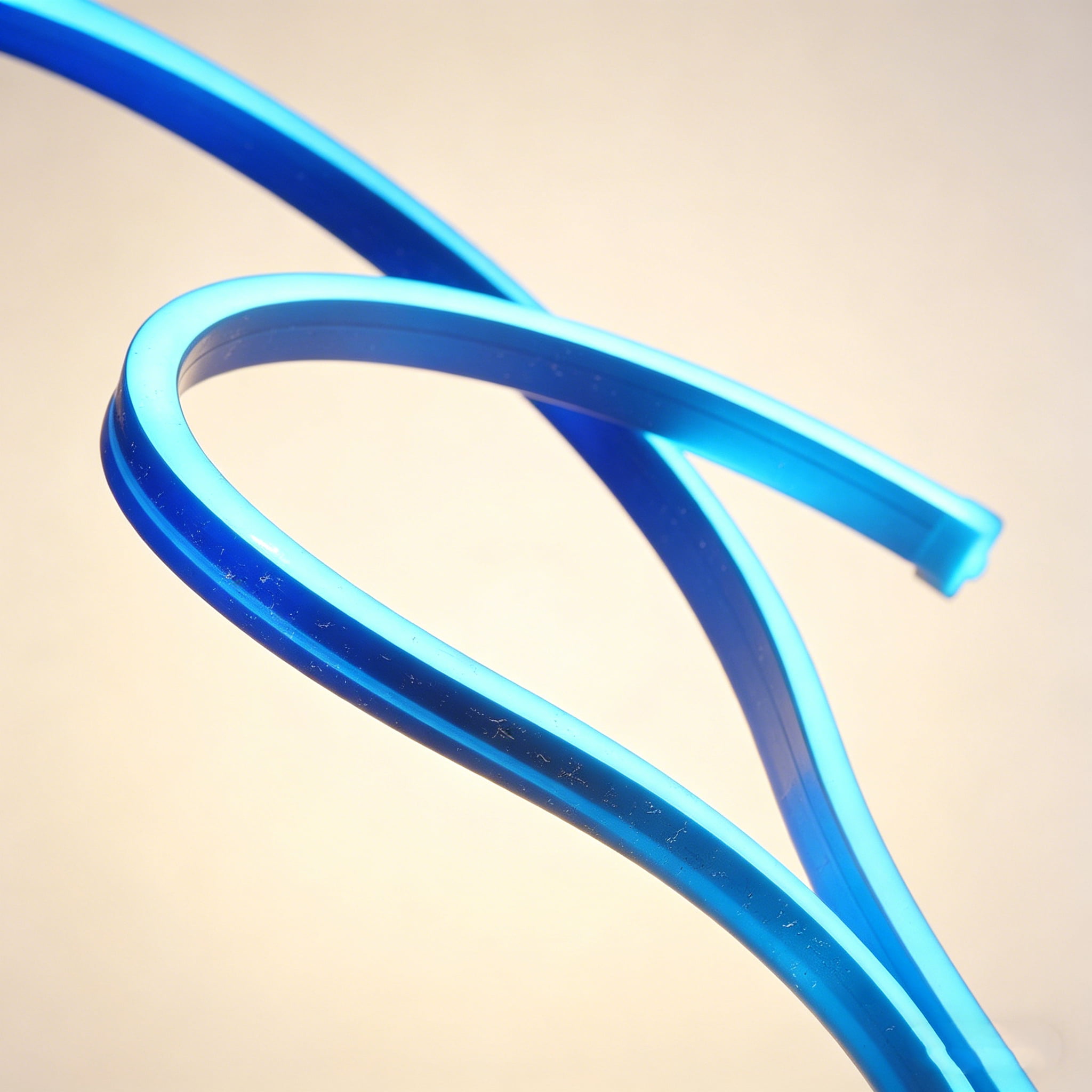
Your first thought: "Did I choose the wrong material? Was there a manufacturing defect?" Here's what I would tell you directly: you didn't choose wrong. You just made decisions based on a static world, but your product lives in a dynamic one.
The Gap Between Lab Testing and Real-World Performance
Laboratory testing assumes controlled conditions: constant temperature, single chemical medium, stable pressure. Real environments are completely different. You get day-night temperature cycling (continuous expansion and contraction), long-term UV exposure8 (accelerated material aging), humidity plus air pollutants (micro-chemical reactions), localized heating from electrical current, and long-term stress from installation and micro-movements.
Each factor alone seems minor. Combined, they shift material performance far outside your test parameters. And here's the critical part: formulation details matter more than material names. Two products labeled "NBR" can have radically different filler packages, UV stabilizers, and cross-linking systems. That's why you can make the "correct choice" and still experience failure.
The 5% of Variables That Determine 95% of Project Success
After 15 years, my approach is simple: I only focus on the 5% of abnormal conditions that standard testing ignores. Because those edge cases are where projects actually fail. If you want stability, you need to shift your evaluation framework to three core principles:
1. Don't Specify Material Types—Specify Formulation Logic
You need to verify: Does the compound include a UV stabilization package? Is it optimized for compression set9 resistance under thermal cycling10? Does the cross-linking system account for long-term exposure to both heat and moisture? Material names are just labels. Formulation is the substance.
2. Test for Stacked Environmental Conditions, Not Single Variables
Stop running isolated tests. You need combined stress protocols: temperature cycling + humidity exposure, UV radiation + powered operation, dynamic mechanical stress + accelerated aging. Real environments never present single variables.
3. Evaluate Transient Conditions, Not Average Values
Many failures are triggered by instantaneous events: the thermal spike when power is first applied, sudden contraction during rapid cooling, short-duration pressure changes during installation. Standard testing usually averages these out—which is exactly why it misses the failure modes11 that matter.
How Do We Solve This Before Production? (Our Risk Control Framework)
I don't see our role as "providing products." I see it as controlling risk before it becomes visible. For every LED Neon Rope Lights2 project we support, we implement three specific protocols:
Protocol 1: Real-World Condition Simulation
We don't rely on datasheets. We simulate your actual operating environment: temperature differential cycling based on your installation location, combined humidity and UV exposure8, and long-term powered operation under load. This tells us whether the material will remain stable in your specific conditions—not in a generic lab environment.
Protocol 2: Batch-to-Batch Consistency Control
Many projects fail because samples perform well, but production batches drift. We lock raw material batches, control formulation ratios to ±2% tolerance, and verify performance metrics for every production run. This ensures that what you tested is what you receive at scale.
Protocol 3: Design-Level Risk Reduction
Sometimes the problem isn't the material—it's the mechanical design12. We review O-ring compression percentages, seal groove geometry, and assembly-induced stress concentration points. We participate in design optimization, not just material recommendation, because that's where many failures originate.
What Should You Actually Ask When Evaluating LED Neon Rope Lights2 in 2025?
If you're evaluating an LED Neon Rope Lights2 system right now, here's the single most important question you should ask yourself: Does this solution work in a lab, or does it work in my actual environment?
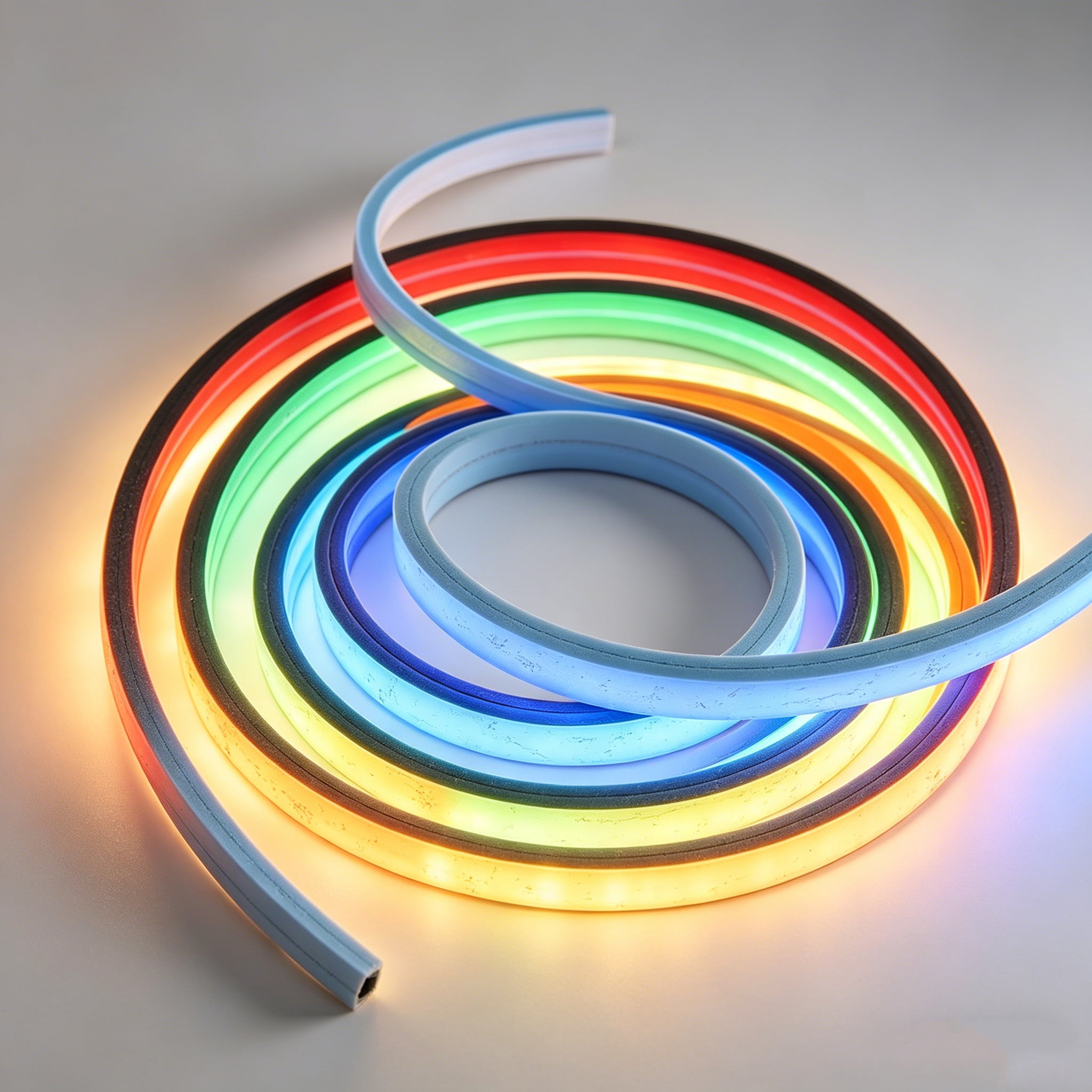
If you can't answer that with specific data, your risk is already present. You're not making an engineering decision—you're making a guess.
The Framework I Use to Evaluate Any LED Neon Rope Lights2 Project
Here's the exact checklist I walk through with every client:
| Evaluation Dimension | Standard Approach | Our Approach |
|---|---|---|
| Material Selection | Choose by chemical compatibility chart | Verify formulation against actual environmental stressors |
| Testing Protocol | Single-variable lab tests | Stacked condition simulation (thermal + UV + humidity) |
| Quality Assurance | Spot-check samples | Batch-level consistency verification |
| Design Review | Assume standard geometry works | Analyze stress points, compression ratios, assembly tolerances |
| Failure Planning | React to warranty claims | Pre-identify failure modes11 and engineer them out |
This isn't about being more careful. It's about structuring your decision-making around the variables that actually determine whether your installation lasts 6 months or 6 years.
Why Most LED Neon Rope Lights2 Projects Fail (And How We Prevent It)
I've seen the same pattern repeat across dozens of projects. The failure sequence usually goes like this: initial installation looks perfect, first few weeks perform as expected, then small anomalies appear (slight dimming in one section, minor discoloration), within 90 days you see water ingress5 or complete seal failure, and by month six you're managing a large-scale replacement program.
The root cause is almost never the LED technology13 itself. It's the sealing system failing under conditions that weren't tested for.
The Real Cost of Sealing Failure
When a seal fails in an LED Neon Rope Lights2 installation, you don't just lose one component. You lose the entire segment. Water reaches the circuit board, corrosion6 starts immediately, light output drops, and the damage becomes irreversible. You can't "repair" a failed neon flex segment—you replace it. That means:
- Labor costs for access and removal
- Replacement material costs
- Downtime for the installation
- Reputation damage with your end client
- Potential safety liability if the failure causes electrical issues
This is why we treat sealing as the primary engineering challenge, not a secondary consideration.
Conclusion
You can memorize every specification, standard, and testing method in the LED Neon Rope Lights2 industry. But if you miss this one principle, none of it matters: LED Neon Rope Lights2 longevity depends on whether your sealing system can withstand dynamic environment14al conditions—not whether your static material selection was "correct" according to a compatibility chart.
If you're facing complex sealing challenges, or if you've experienced the "testing passed but real-world failed" scenario, I'm here to help you break down the problem. My technical team provides one-on-one engineering support for LED Neon Rope Lights2 projects. Contact me directly—let's discuss your specific parameters and build a system that actually works in your environment.
Contact: [email protected] | WhatsApp: +86 182 1841 0153
Discover the most effective sealing components that ensure longevity and reliability in outdoor lighting solutions. ↩
Explore this resource to understand the latest techniques and tips for successful LED Neon Rope Lights projects. ↩
Learn how engineering systems can enhance the durability and performance of products in various applications. ↩
Understand the role of the environmental interaction layer in the performance of LED systems. ↩
Find out strategies to effectively prevent water ingress and protect your LED lighting installations. ↩
Explore materials that can resist corrosion and extend the life of outdoor installations. ↩
Learn how to effectively assess material compatibility for outdoor applications to prevent failures. ↩
Learn about the effects of UV exposure on LED systems and how to protect them. ↩
Discover the significance of compression set in sealing applications and how to choose the right materials. ↩
Understand the impact of thermal cycling on materials and how to mitigate its effects in engineering. ↩
Identify common failure modes in LED systems and how to engineer them out before production. ↩
Discover the relationship between mechanical design and product longevity in engineering. ↩
Stay updated on the latest advancements in LED technology that can enhance your projects. ↩
Find out how to effectively test products for performance in dynamic environments to ensure reliability. ↩