

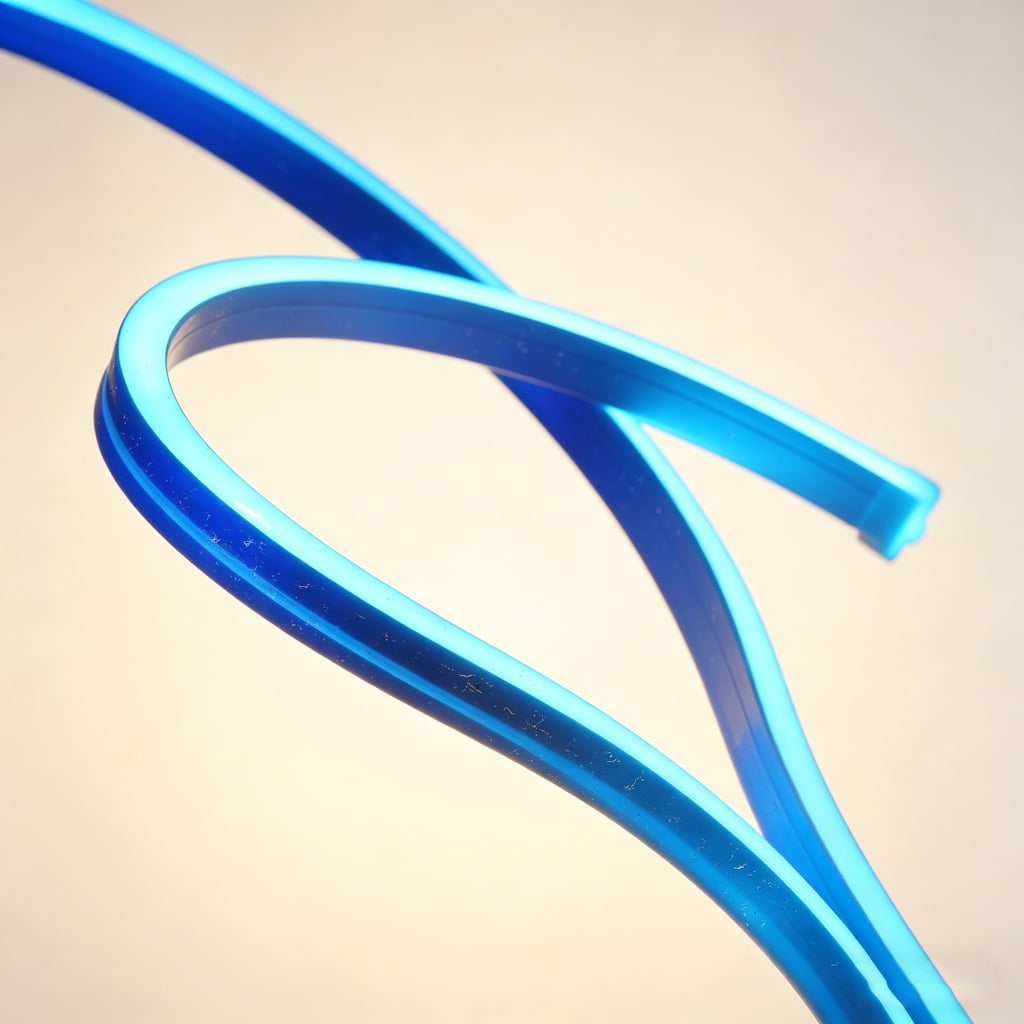
I have been manufacturing silicone sealing components1 for 15 years. In LED Tape2 and Pixel Lighting3 projects, the most common problem I see is not "design errors"—it is something more hidden and far more deadly.
Most engineers follow the same process: samples work perfectly, lab tests pass, but real-world installations start failing within 1-3 months. The root cause? Static material selection cannot survive dynamic environmental conditions.
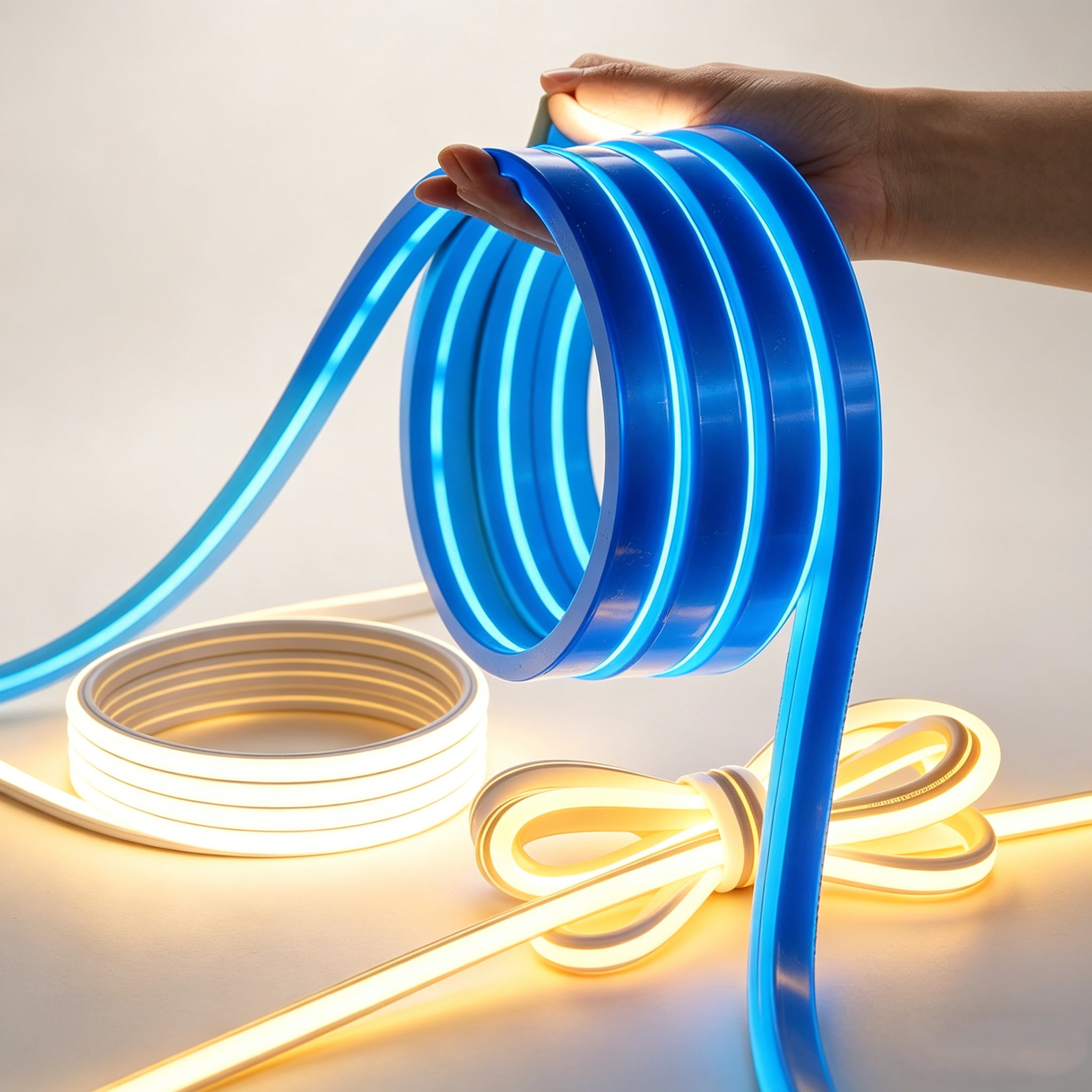
You spend weeks selecting the right sealing material. You run compatibility tests. You verify IP ratings4. Everything looks perfect—until your client calls three months later reporting water ingress5, signal loss6, or complete system failure.
What Is the Most Common Failure Pattern You Will Encounter?
I have worked with hundreds of contractors and system integrators. Almost all of them experience the same timeline.
Sample Stage: Everything works flawlessly. The LED tape passes water resistance tests. Pixel nodes operate without issues.
Lab Testing: Full compliance. IP67/IP68 ratings confirmed. Temperature cycling tests completed. Material compatibility verified.
Field Operation: Within 1-3 months, problems start appearing.
The typical failures include:
- Water penetration into pixel nodes
- Localized LED tape malfunction
- Seal ring swelling or hardening
- Signal anomalies causing entire segment failure
- Adhesive degradation leading to detachment
Why Does This Pattern Repeat Across Different Projects?
The answer is simple but overlooked: Your material selection process assumes stable conditions, but your product operates in a constantly changing environment.
Most engineers follow this standard workflow:
- Check material compatibility7 charts
- Choose between NBR, FKM, or silicone rubber
- Complete standard testing protocols
- Approve the material for production
The problem is not that you chose the wrong material. The problem is that you chose it based on static laboratory conditions, not real-world dynamic stress8.
What Is the Hidden Risk That Standard Testing Cannot Detect?
I have analyzed dozens of failed LED tape installations. The pattern is always the same: static selection criteria versus dynamic operational reality.
Here is what standard testing typically covers:
| Test Parameter | Standard Condition | Real-World Condition |
|---|---|---|
| Temperature | Constant 25°C | Daily cycling: -10°C to +50°C |
| Chemical Exposure | Single substance | Multiple micro-contaminants9 |
| Mechanical Stress | Static compression | Thermal expansion cycles |
| UV Exposure | Controlled lab dose | Cumulative outdoor degradation |
The gap between these two columns is where your project fails.
The Three Dynamic Variables That Destroy Sealing Systems
Variable 1: Environmental Cycling (Not Stable Conditions)
Your lab test might verify that a seal works at -40°C and at +60°C. But what happens during the transition between these temperatures?
- Thermal expansion causes micro-gaps
- Condensation forms inside enclosures
- UV radiation accelerates polymer degradation
- Salt spray penetrates through temporary openings
Variable 2: Micro-Contamination Accumulation (Not Single-Substance Exposure)
Material compatibility charts test against pure chemicals. But real-world exposure involves:
- Airborne pollutants (sulfur compounds, ozone)
- Cleaning agent residues (alcohols, solvents)
- Plasticizer migration from adjacent materials
- Dust particles creating abrasive wear
These micro-exposures do not cause immediate failure. They accumulate over weeks until the seal loses elasticity, cracks, or swells beyond tolerance.
Variable 3: Transient Stress Peaks (Not Average Operating Conditions)
The most dangerous moments are not during steady-state operation. They occur during:
- Power-on surges (localized heating)
- Rapid weather changes (thermal shock)
- Installation handling (mechanical deformation)
- Maintenance access (seal compression/release cycles)
A seal that survives 1,000 hours of stable operation can fail after 10 thermal shock events.
Why Does Material Formulation Matter More Than Material Type?
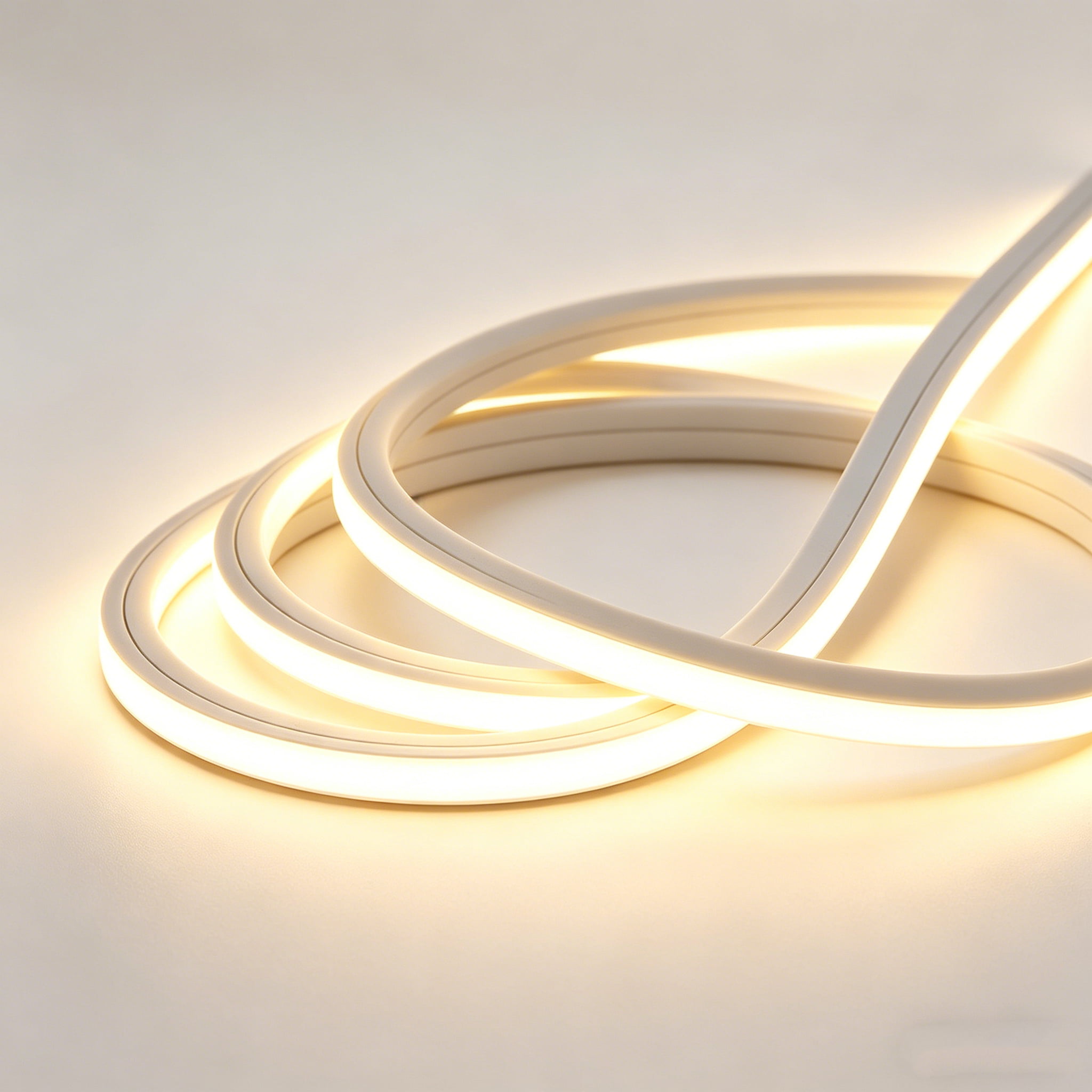
I have seen projects fail even when using the "correct" material category. Two different suppliers provide "silicone rubber," but one fails after three months while the other lasts five years.
The difference is not the base polymer. It is the formulation details:
| Formulation Factor | Impact on Performance |
|---|---|
| Filler type and ratio | Determines tear resistance and compression set |
| Crosslinking density | Controls chemical resistance and thermal stability |
| Plasticizer selection | Affects long-term flexibility retention |
| UV stabilizer package | Prevents outdoor degradation |
| Anti-hydrolysis additives | Critical for high-humidity environments |
Standard datasheets do not reveal these details. You need to work with manufacturers who understand the specific stress profile of LED tape installations.
How Do You Identify a Manufacturer Who Understands Dynamic Sealing?
Ask these questions:
- "What is your accelerated aging protocol for outdoor LED applications?"
- "How do you test for thermal cycling10 combined with chemical exposure11?"
- "Can you provide failure analysis12 data from field installations?"
If the answer is generic ("We follow ISO standards"), the supplier does not specialize in dynamic sealing applications.
If the answer includes specific test protocols ("We run 500 thermal cycles from -20°C to +70°C with concurrent salt spray exposure"), you have found a partner who understands real-world conditions.
What Is the Critical 5% Variable That Determines Success or Failure?
In my experience, 95% of LED tape projects use similar materials and follow similar design guidelines. The 5% difference that separates success from failure includes:
- Installation environment micro-analysis: Not just "outdoor" or "indoor," but specific pollution levels, UV index, and humidity patterns.
- Thermal management strategy: How heat dissipates during operation and where thermal stress concentrates.
- Material batch consistency: Whether your supplier can maintain formulation stability across production runs.
- Assembly process control: How seals are handled, compressed, and cured during installation.
- Maintenance accessibility: Whether seals will be disturbed during routine service.
These variables are not visible in product specifications. They emerge only through detailed project discussions.
Why Do Some Projects Succeed While Others Fail Using the Same Materials?
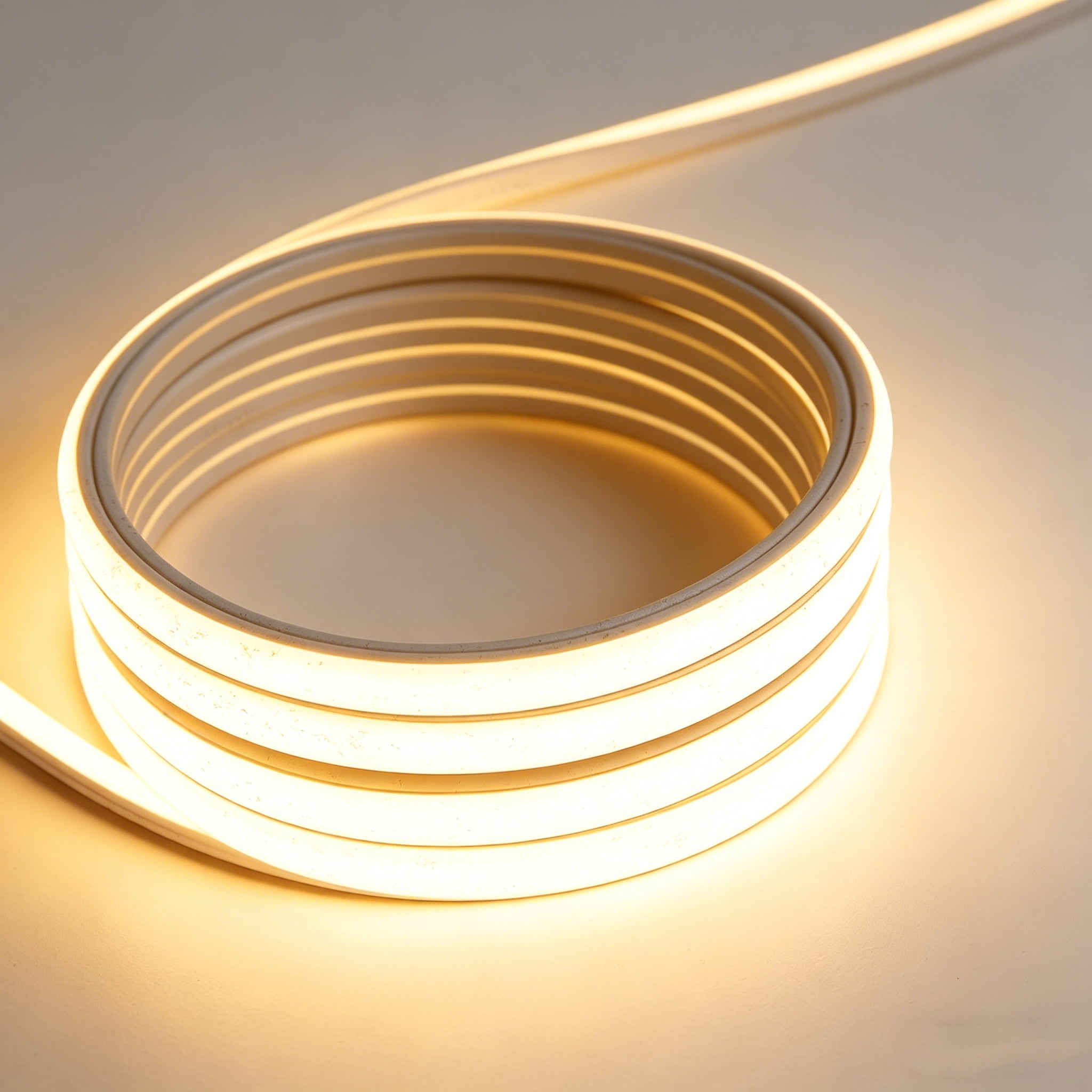
I worked with two contractors installing LED tape in coastal environments. Both used IP68-rated silicone neon flex. Both passed initial testing.
Contractor A: System failed after four months. Water ingress at pixel connection points. Signal degradation across multiple zones.
Contractor B: System still operating flawlessly after three years.
The difference was not the material. It was the installation process13:
- Contractor A used standard compression fittings without accounting for thermal expansion14.
- Contractor B specified expansion-compensating seal designs and verified compression ratios during installation.
This is why material selection alone does not guarantee success. You need a sealing system designed for dynamic stress8.
How Do You Prevent These Failures in Your Next Project?
The solution is not more expensive materials. It is a different selection methodology:
Step 1: Map Your Actual Operating Environment
Do not rely on generic climate data. Measure:
- Daily temperature range (not just average)
- Peak UV exposure15 hours
- Humidity cycling patterns
- Airborne contaminant types
Step 2: Simulate Combined Stress Conditions
Test materials under simultaneous exposure:
- Thermal cycling + chemical exposure11
- UV aging + mechanical flexing
- Humidity + electrical heating
Step 3: Work With Manufacturers Who Provide Field Data
Ask for case studies from similar installations. Request failure analysis12 reports. Verify that the supplier has experience with your specific application.
Step 4: Design for Serviceability
Assume that seals will need inspection or replacement. Make access points easy to reach without disturbing adjacent components.
What Should You Do If You Are Already Experiencing Field Failures?
If your LED tape or pixel lighting installation is showing signs of degradation, the priority is rapid diagnosis:
- Isolate the failure mode: Is it water ingress5, thermal stress, or chemical attack?
- Analyze the timeline: Did failures occur gradually or suddenly?
- Inspect seal condition: Look for swelling, cracking, or hardening.
- Review environmental data: Check for unusual weather events or contamination sources.
Most importantly, do not assume that switching to a "better" material will solve the problem. If the root cause is dynamic stress8, you need a system-level solution, not just a material upgrade.
Conclusion
LED tape and pixel lighting projects fail not because of wrong materials, but because sealing systems are selected for static conditions while operating in dynamic environments. Success requires understanding the 5% of variables that standard testing cannot detect.
If you are planning an LED tape or pixel lighting project, or if you are already facing field failures despite passing lab tests, I can help you identify the hidden risk factors. My technical team provides one-on-one support for complex installations. Contact me to discuss your specific project parameters—let us make sure your next installation lasts years, not months.
Explore how silicone sealing components enhance durability and performance in LED lighting applications. ↩
Learn about LED Tape's versatility and applications in modern lighting solutions. ↩
Discover the technology behind Pixel Lighting and its impact on creative lighting designs. ↩
Get insights into IP ratings and their importance in ensuring product reliability. ↩
Understand the factors leading to water ingress and how to prevent it in your projects. ↩
Find out how to troubleshoot and mitigate signal loss in LED lighting systems. ↩
Learn how to assess material compatibility for optimal performance in LED sealing. ↩
Learn about dynamic stress and its implications for the reliability of sealing systems. ↩
Explore the impact of micro-contaminants on sealing materials and their long-term performance. ↩
Understand the significance of thermal cycling in ensuring the longevity of LED installations. ↩
Learn about the risks associated with chemical exposure and how to mitigate them. ↩
Discover the process of failure analysis and its role in improving LED installation reliability. ↩
Explore how proper installation techniques can enhance the performance of sealing systems. ↩
Learn about the effects of thermal expansion on sealing systems and how to manage them. ↩
Discover the effects of UV exposure on sealing materials and how to protect them. ↩