

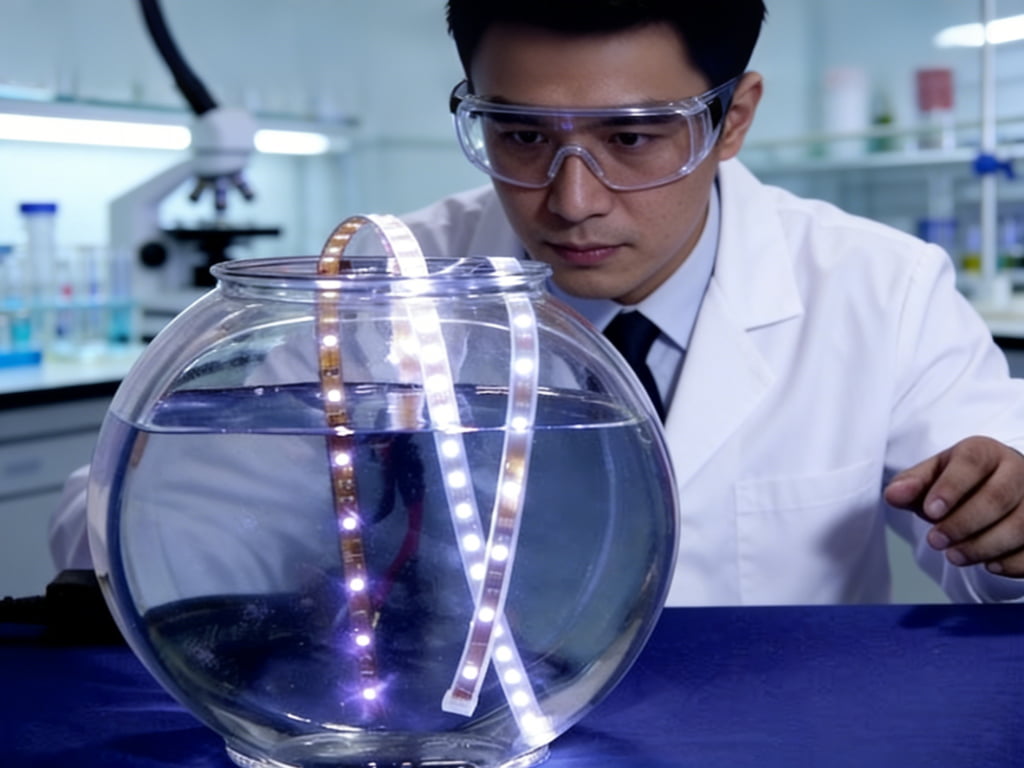
You install a brand-new IP67-rated silicone LED extrusion. The initial waterproof test passes perfectly. Six months later, you notice internal fogging. Another three months, and LEDs start failing intermittently. You check the outer shell—it looks flawless. But inside, silent corrosion has already begun.
IP67 waterproof flexible silicone bendable LED extrusion maintains initial water resistance, but long-term sealing stability depends on three critical factors: compression set resistance of the silicone material, thermal cycling tolerance of the extrusion structure, and proper joint sealing design that prevents gradual moisture ingress over time.
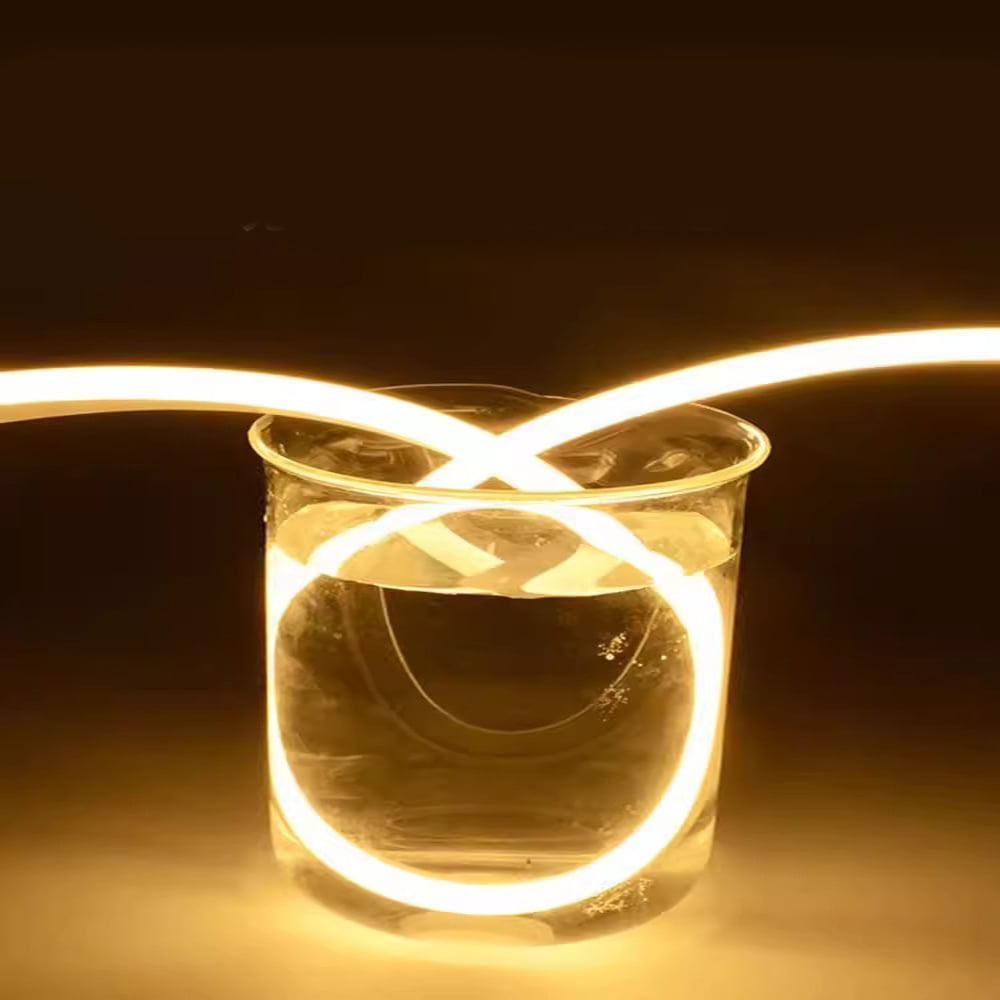
The real danger is not whether your extrusion is waterproof today. The question is whether it will still be waterproof after 500 thermal cycles, after being compressed for 18 months, after UV exposure has altered the silicone's molecular structure. We manufacture these products daily at Shenzhen Alister Technology Limited, and I can tell you—most failures happen not at installation, but in the slow, invisible degradation that follows.
Why Does "Waterproof" Not Mean "Water-Resistant Forever"?
You receive an IP67 certificate. You submerge the extrusion in one meter of water for 30 minutes. It passes. But this test only measures initial performance under controlled lab conditions.
IP67 certification tests waterproofness at a single moment in time, typically at room temperature with no mechanical stress, no thermal cycling, and no UV exposure. It does not predict how the silicone extrusion will perform after months of compression deformation, daily temperature swings, and continuous electrical heat generation.
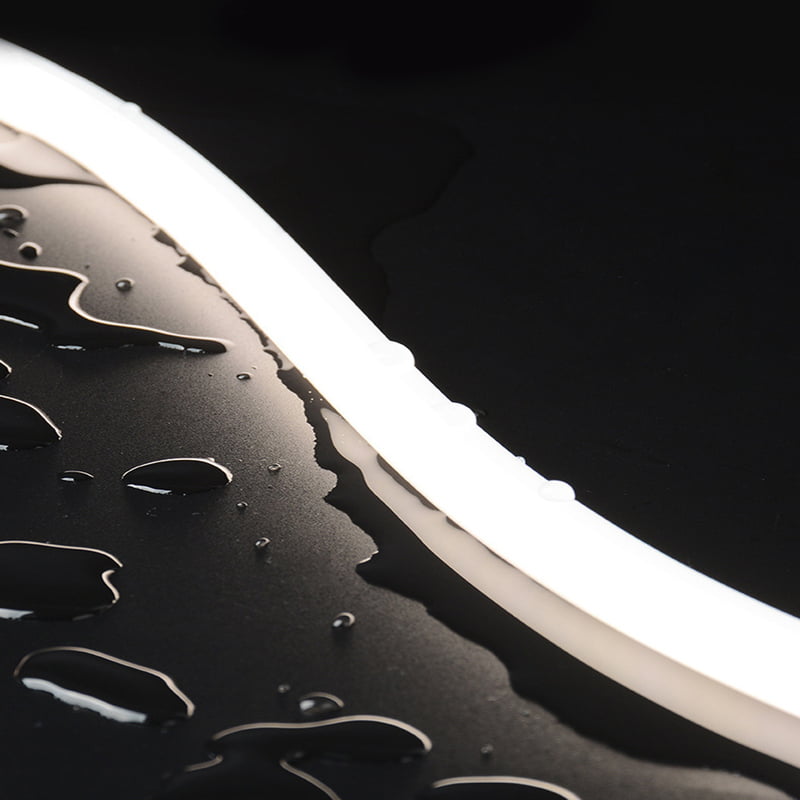
I have seen contractors install thousands of meters of "certified" extrusions, only to face warranty claims within the first year. The pattern is always the same. The failure is not catastrophic. It is gradual. You notice slight condensation first. Then occasional LED flickering. By the time you realize the seal has failed, moisture has already damaged the internal circuitry.
The core issue is material behavior under sustained stress. When you bend a silicone extrusion around a corner, you create permanent compression zones. When the ambient temperature drops from 40°C during the day to 5°C at night, the silicone expands and contracts. When the LED strips generate heat and then cool down repeatedly, the extrusion "breathes." Each cycle slightly weakens the seal. Over time, these micro-failures accumulate into macro-problems.
| Stress Factor | Initial Impact | Long-Term Degradation | Critical Failure Point |
|---|---|---|---|
| Compression Set | 15-20% deformation | Permanent seal gap formation | >30% compression loss |
| Thermal Cycling | Temporary expansion | Cumulative fatigue cracks | After 300-500 cycles |
| UV Exposure | Surface hardening | Silicone elasticity loss | 12-18 months outdoors |
| Mechanical Stress | Localized bending | Joint separation | At installation points |
The brutal truth is this—IP67 is a starting point, not a guarantee. If your silicone extrusion uses low-grade peroxide-cured silicone instead of platinum-cured high-molecular material, compression set resistance drops dramatically. If the extrusion wall thickness varies by more than ±0.2mm due to poor manufacturing tolerances, you create weak points where water will eventually penetrate. If the joint design relies on a single compression seal instead of a dual-layer redundancy system, you are gambling with long-term reliability.
What Causes the Slow, Silent Failure of Waterproof Seals?
The most dangerous failures are the ones you cannot see. You walk past the installation every day. The extrusion looks perfect. But inside, a slow chemical reaction is destroying your investment.
The primary cause of gradual seal failure in IP67 silicone LED extrusions is compression permanent deformation of the silicone material under sustained mechanical stress, combined with thermal expansion mismatch between the extrusion body and metal connectors, which creates micro-gaps that allow moisture ingress through capillary action.

I remember a project we consulted on for a European distributor. They installed 3,000 meters of side-view silicone neon flex along a waterfront promenade. Every piece was IP67-certified. Installation followed manufacturer guidelines. Six months later, they started receiving complaints about intermittent lighting failures. When we examined returned samples, the outer silicone shell showed no visible damage. But when we cut open the extrusion, we found clear evidence of internal moisture accumulation.
The root cause was compression permanent deformation. When you install flexible LED extrusion, you typically secure it with mounting clips every 50-100cm. These clips apply continuous compression force to the silicone body. If the silicone material has poor compression set resistance—meaning it does not fully recover its original shape after being compressed—the seal gradually weakens. A compression set value above 25% after 72 hours at 70°C indicates poor long-term sealing performance.
But compression is only part of the problem. The bigger issue is thermal cycling. During the day, the extrusion heats up from solar radiation and internal LED heat generation. The silicone expands. At night, it cools and contracts. This daily cycle creates a "breathing effect." If the internal air pressure changes but there is no equalization path, the extrusion will draw in ambient moisture during the cooling phase. Over time, this moisture accumulates inside the sealed cavity.
| Failure Mechanism | Physical Process | Time to Visible Failure | Prevention Strategy |
|---|---|---|---|
| Compression Set | Permanent deformation under load | 6-12 months | Use platinum-cured silicone with <15% compression set |
| Thermal Breathing | Pressure differential during cooling | 3-9 months | Add breathable membrane or pressure equalization valve |
| Joint Separation | Thermal expansion mismatch | 1-6 months | Design dual-seal joints with flexible interface |
| UV Degradation | Surface hardening and cracking | 12-24 months | Add UV stabilizers and anti-yellowing agents |
The thermal expansion mismatch problem is especially critical at joints. Your silicone extrusion has a coefficient of thermal expansion around 200-300 ppm/°C. The aluminum end caps or plastic connectors expand at different rates—typically 20-50 ppm/°C. When temperature swings 30°C in a single day, this mismatch creates cyclic stress at the interface. Over hundreds of cycles, even a well-designed seal will develop micro-gaps.
I have tested samples where the initial IP67 rating was perfect, but after 300 thermal cycles between -20°C and +60°C, water penetration occurred within 15 minutes of submersion. The extrusion did not "break." The seal simply lost its compression force. The silicone became slightly harder, slightly less elastic, and the microscopic gaps that formed were enough to allow water molecules to migrate inward.
How Do You Design a Seal That Actually Lasts?
The answer is not to compress harder. The answer is to compress smarter. You need to understand the stress distribution across the entire seal interface, and you need to design for stress relaxation rather than stress concentration.
Achieving long-term waterproof performance in flexible silicone LED extrusion requires maintaining a stable 20-30% compression ratio at seal interfaces, using platinum-cured silicone with compression set below 15%, implementing dual-layer seal redundancy at all joints, and incorporating thermal expansion compensation through flexible interface design.
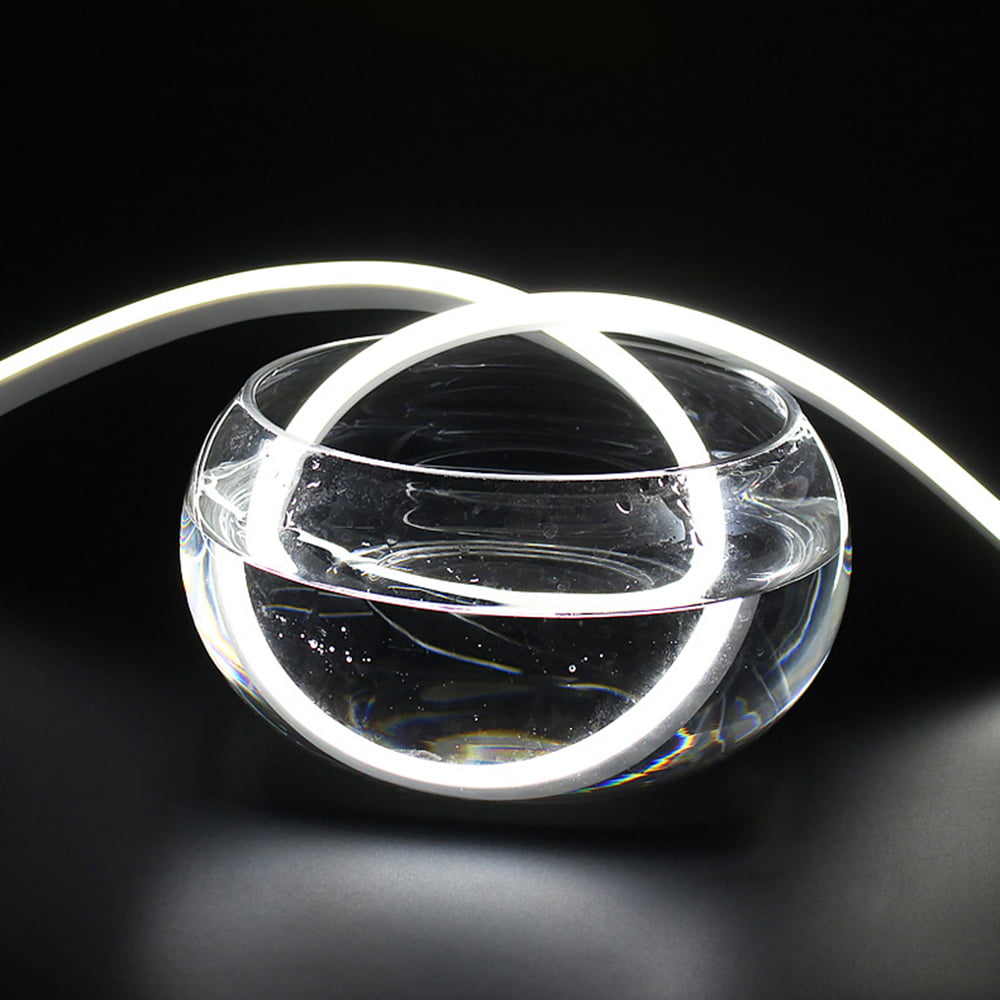
At Shenzhen Alister Technology Limited, we redesigned our extrusion sealing system after analyzing hundreds of field failures. The key insight was this—you cannot prevent stress. You can only manage how stress distributes over time. A single high-compression seal will always fail eventually. But a dual-layer seal with different compression characteristics can absorb stress cycles without catastrophic failure.
The primary seal operates at 25% compression. This provides immediate water resistance. The secondary seal sits slightly recessed and operates at 15% compression. It acts as a backup when the primary seal begins to degrade. This redundancy extends waterproof lifespan from 12-18 months to 3-5 years in harsh outdoor environments.
Material selection is equally critical. Peroxide-cured silicone is cheaper, but it exhibits compression set values of 30-40% after thermal aging. Platinum-cured high-molecular silicone maintains compression set below 15% even after 1,000 hours at 70°C. The cost difference is approximately 20%, but the performance difference is exponential in long-term installations.
| Design Element | Standard Approach | High-Reliability Approach | Performance Gain |
|---|---|---|---|
| Seal Layers | Single compression seal | Dual-layer redundant seal | 2-3x lifespan extension |
| Compression Ratio | 30-40% (high stress) | 20-30% (stable stress) | 50% reduction in deformation rate |
| Silicone Type | Peroxide-cured | Platinum-cured high-molecular | 60% improvement in compression set resistance |
| Thermal Compensation | Rigid interface | Flexible expansion joint | Eliminates thermal stress concentration |
| Pressure Equalization | Fully sealed cavity | Breathable membrane vent | Prevents moisture ingress from pressure differential |
We also added a critical feature that most manufacturers overlook—breathable pressure equalization. A fully sealed extrusion creates internal pressure changes during thermal cycling. When the extrusion cools, internal pressure drops below ambient. This pressure differential literally sucks moisture inward through any microscopic gap. By adding a Gore-Tex-style breathable membrane at one end of the extrusion, we allow air pressure to equalize while blocking liquid water. This simple addition reduced moisture-related failures by 70% in our field trials.
The thermal expansion compensation is handled through a flexible interface design at joints. Instead of a rigid metal-to-silicone interface, we use a graduated stiffness transition. The connector has a soft silicone boot that flexes with thermal expansion, absorbing the differential movement before it stresses the primary seal. This design tolerates ±2mm of thermal expansion without seal degradation.
What Testing Actually Predicts Real-World Performance?
Standard IP67 testing is almost useless for predicting long-term outdoor performance. You need accelerated aging protocols that simulate years of environmental stress in weeks of laboratory testing.
Reliable waterproof performance validation for silicone LED extrusion requires combined thermal cycling, compression aging, and submersion testing—specifically 500 cycles between -20°C and +60°C under 25% compression, followed by IP67 submersion to identify seal degradation that would occur after 2-3 years of outdoor installation.

I learned this lesson the hard way. Early in my career at Shenzhen Alister Technology Limited, we shipped a large order to a Middle Eastern distributor. Every piece passed standard IP67 testing. Six months later, we received reports of widespread failures. The extrusions were installed on outdoor building facades with extreme temperature swings—50°C during the day, 20°C at night. The combination of thermal stress and UV exposure caused seal failures we had never seen in our lab tests.
We developed a new testing protocol. First, we subject samples to 500 thermal cycles between -20°C and +60°C. Each cycle takes 4 hours—2 hours heating, 2 hours cooling. During the entire test, the extrusion is held under 25% compression to simulate mounting clip pressure. After 500 cycles, we perform standard IP67 submersion testing. Products that pass this protocol have demonstrated zero field failures after 3+ years of outdoor installation.
The compression aging test is equally important. We compress silicone samples to 30% of their original thickness and hold them at 70°C for 168 hours. After release, we measure the permanent deformation. If compression set exceeds 20%, the material will not maintain long-term sealing. We reject any silicone formulation that does not meet this standard.
| Test Protocol | Standard IP67 | Our Enhanced Protocol | Correlation to Field Performance |
|---|---|---|---|
| Temperature Range | 20-25°C | -20°C to +60°C | Reveals thermal stress failures |
| Test Duration | 30 minutes | 500 cycles (2,000 hours) | Simulates 2-3 years outdoor use |
| Mechanical Stress | None | 25% compression throughout | Identifies compression set failures |
| Post-Aging Validation | Not required | IP67 retest after cycling | Proves long-term seal integrity |
| UV Exposure | Not included | 1,000 hours UV-A/UV-B | Predicts surface degradation |
We also perform salt spray testing for coastal installations. Standard salt spray tests run for 24-48 hours. We extend this to 500 hours to simulate years of marine environment exposure. The combination of salt, moisture, and UV creates the harshest possible conditions for silicone materials. Products that survive this protocol can be confidently specified for waterfront, coastal, and marine applications.
The most revealing test is the "breathing simulation." We cycle the extrusion between 60°C and 0°C while monitoring internal pressure. If the seal is not perfectly intact, we can detect microscopic air leaks during the cooling phase. This test has caught seal failures that would not show up in static IP67 submersion testing until months of field operation.
How Do You Maintain Waterproof Performance During Installation?
Even the best-designed waterproof extrusion will fail if installation practices introduce seal damage. The most common failure points are not manufacturing defects—they are installation errors.
Maintaining IP67 waterproof integrity during installation requires controlling bend radius above 10x the extrusion diameter, avoiding over-compression at mounting points, using manufacturer-specified connectors with proper seal engagement, and protecting cut ends with heat-shrink or potting compound within 24 hours of cutting.
I have visited installation sites where contractors treated flexible LED extrusion like rope. They bent it around sharp 90-degree corners. They over-tightened mounting clips until the silicone body deformed visibly. They cut the extrusion and left the ends exposed for weeks before installing end caps. Every one of these practices compromises the waterproof seal.
The bend radius is critical. When you bend silicone extrusion too tightly, you create stress concentration points where the material stretches on the outer radius and compresses on the inner radius. This deformation can exceed the elastic limit of the silicone, creating permanent weak points. We specify a minimum bend radius of 10x the extrusion diameter. For a 15mm extrusion, that means a 150mm bend radius. Tighter bends will work initially, but they create long-term failure points.
Mounting clip compression is equally important. Contractors often assume that tighter is better. They over-tighten clips to prevent the extrusion from sagging. But excessive compression accelerates compression set degradation. We recommend mounting clips that limit compression to 20-25% of the extrusion height. This provides secure mounting without overstressing the silicone.
| Installation Error | Immediate Effect | Long-Term Consequence | Correct Practice |
|---|---|---|---|
| Excessive Bend | Visible deformation | Stress cracking after 6-12 months | Maintain 10x diameter bend radius |
| Over-Compression at Clips | Localized flattening | Permanent seal gap formation | Use compression-limiting clips |
| Unsealed Cut Ends | Moisture ingress | LED circuit corrosion | Seal within 24 hours with heat-shrink or potting |
| Misaligned Connectors | Partial seal engagement | Gradual moisture penetration | Follow manufacturer torque specifications |
| UV-Exposed Joints | Surface hardening | Joint separation after thermal cycling | Install protective covers or recessed mounting |
The cut end sealing is where I see the most failures. When you cut silicone LED extrusion in the field, you expose the internal LED strip and wiring to the environment. If you do not seal this cut end within 24 hours, moisture will begin migrating into the extrusion through capillary action. We recommend using heat-shrink tubing with adhesive lining, or silicone potting compound. The seal must be applied while the cut end is completely dry. Sealing a damp cut end traps moisture inside and accelerates corrosion.
Connector installation requires proper torque control. Under