

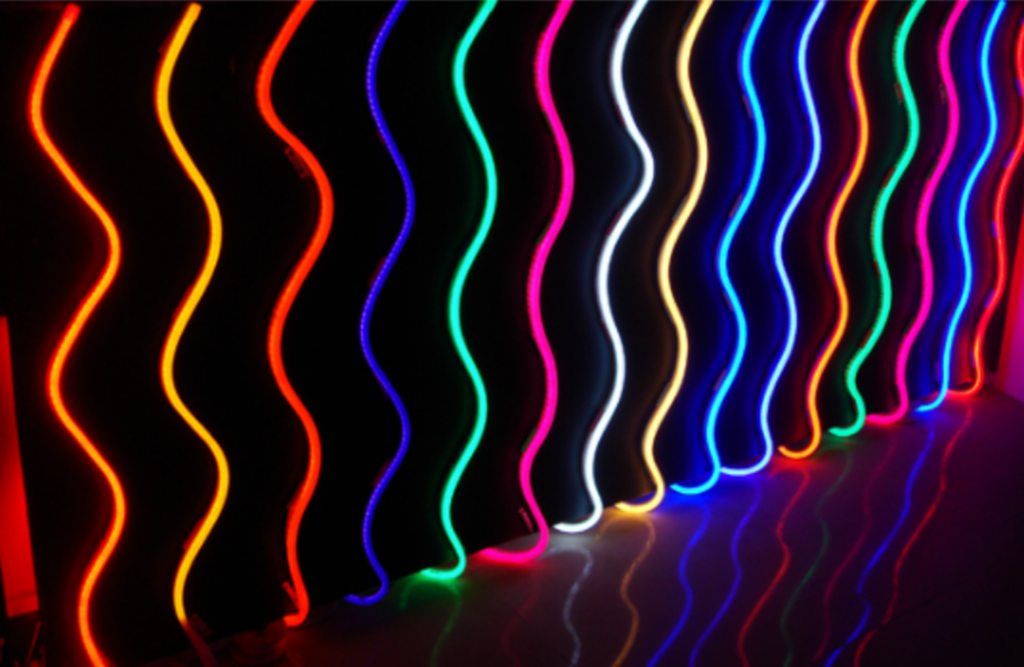
You see a glowing sign at night. It looks perfect. But six months later, the colors fade and parts go dark. You wonder why this happens. The answer lies not in how neon is made, but in how well its components work together over time.
Neon manufacturing is not just about creating light—it is about building a lighting system where the light source, encapsulation material, and structural design1 remain stable for years. Whether you choose traditional glass neon2 or modern LED silicone neon flex3, the real question is: will these three elements stay aligned without degrading?
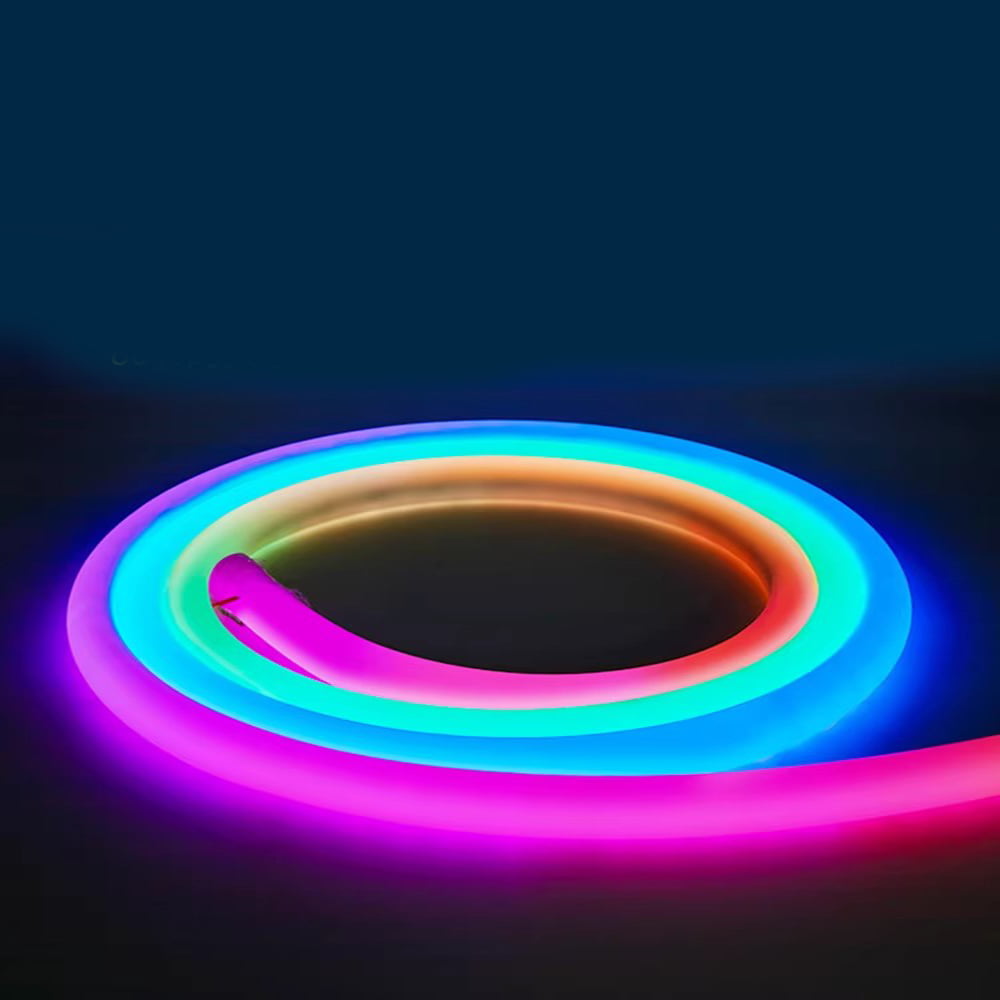
I have seen too many projects where samples look like art but production units become disposable. The gap between what you expect and what you get often comes down to one thing: long-term stability4. Let me walk you through what really matters when neon is manufactured.
What Are the Two Main Types of Neon Manufacturing?
You need to understand that "neon" now refers to two different technologies. One is traditional glass neon2. The other is LED-based silicone neon flex. Both create glowing lines, but they are manufactured in completely different ways.
Traditional neon uses glass tubes filled with noble gases like neon or argon. When high voltage passes through, the gas glows. LED silicone neon flex3 uses flexible LED strips embedded in extruded silicone, creating a similar visual effect without glass or gas.

Traditional Glass Neon Manufacturing
Glass neon starts with hollow borosilicate glass tubes. A craftsman heats the tube over a flame and bends it by hand to match your design. After shaping, the tube is cleaned and evacuated of air. Then, the manufacturer fills it with neon gas (for red-orange light) or argon mixed with mercury (for blue and other colors). Electrodes are sealed at both ends. When you apply high voltage, the gas ionizes and emits light.
This process requires skill. Each bend must be smooth. Any crack or contamination inside the tube will cause failure. The quality depends heavily on the glassblower's experience and the purity of the gas. Traditional neon can last 10 to 15 years if done correctly, but it is fragile and expensive to repair.
LED Silicone Neon Flex Manufacturing
LED neon flex is made through industrial extrusion. We start with a flexible LED strip. This strip is placed into a mold. Then we inject or extrude high-grade silicone around it. The silicone must be transparent or translucent to allow light to pass through evenly. After extrusion, the product is cured at high temperature to solidify the silicone.
The key here is material choice. We use food-grade, platinum-cured silicone5. This type resists UV radiation and does not yellow over time. The LED strip inside must also be stable. If the LEDs use poor-quality phosphor coatings, they will shift color after a few thousand hours of operation. The extrusion process must be precise. Any air bubbles or inconsistent wall thickness will create dark spots or uneven brightness.
| Aspect | Traditional Neon | LED Silicone Neon Flex |
|---|---|---|
| Light Source | Noble gas discharge | LED diodes |
| Flexibility | Rigid, fragile | Highly flexible, durable |
| Lifespan | 10–15 years | 5–10 years (depends on materials) |
| Installation | Requires skilled technicians | Easy plug-and-play |
| Maintenance | Expensive, hard to repair | Modular, easier to replace sections |
| UV Resistance | Not applicable | Critical—poor silicone yellows fast |
Why Do Samples Look Perfect But Production Units Fail?
I have worked with many clients who face this frustration. They approve a sample that looks flawless. But after installation, the product degrades within months. The issue is not the manufacturing process itself. The issue is that the sample does not represent long-term performance.
Samples are often made with extra care and tested only for appearance, not for aging. Production units, however, must endure heat, UV exposure, and continuous operation. If the materials or processes are not optimized for stability, degradation is inevitable.
The Hidden Weaknesses in LED Neon Flex
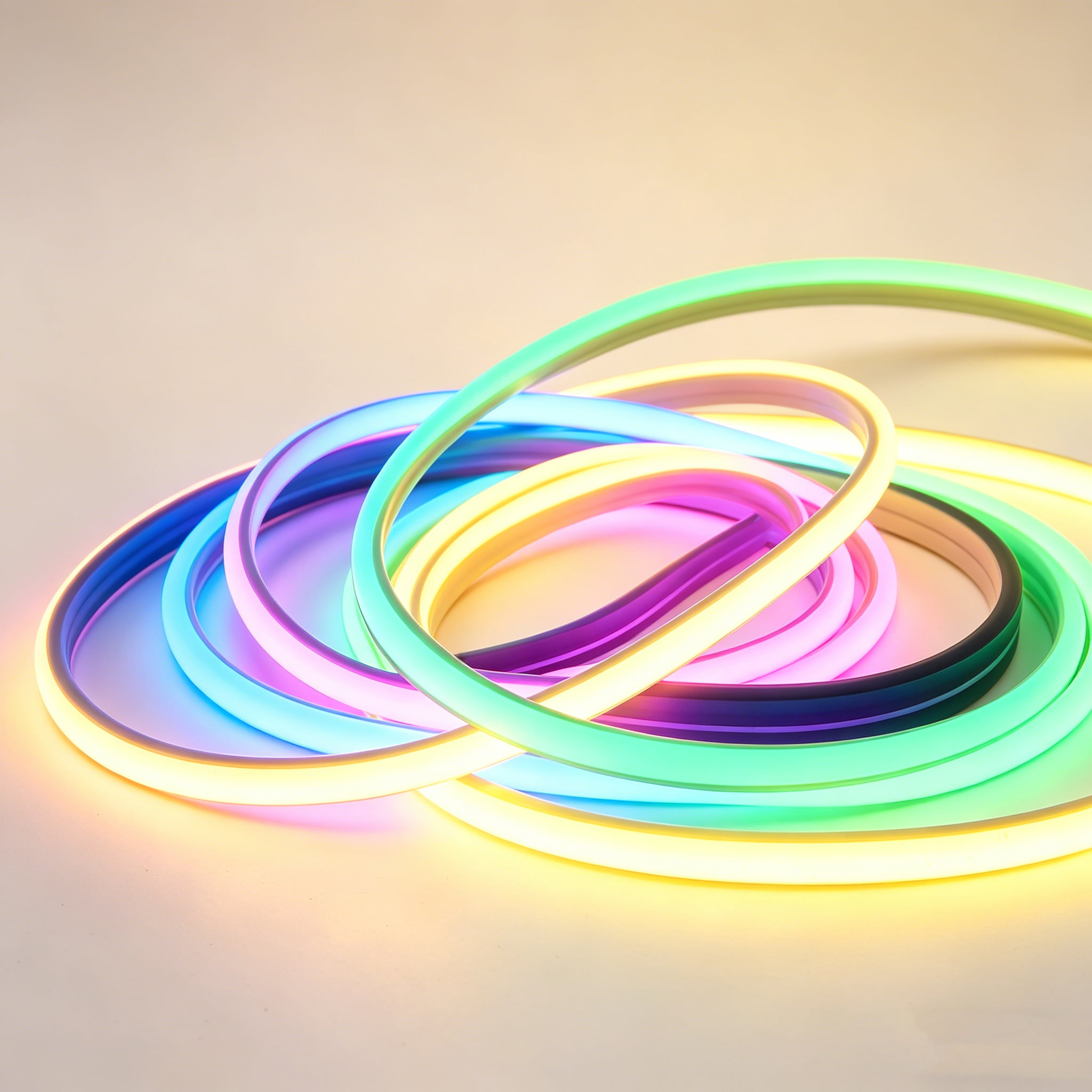
LED neon flex has three common failure points: yellowing, hardening, and uneven brightness.
Yellowing happens when the silicone is not UV-resistant. Some manufacturers use peroxide-cured silicone instead of platinum-cured silicone5 to save cost. Peroxide-cured silicone is cheaper, but it breaks down under sunlight. Within six months, the clear silicone turns yellow. This blocks the light and ruins the appearance.
Hardening occurs when the silicone loses its flexibility. This is caused by poor heat management6. LEDs generate heat during operation. If the heat cannot escape, it accumulates inside the silicone. Over time, the silicone becomes brittle and cracks. Once cracked, water can enter and short-circuit the LEDs.
Uneven brightness is the result of inconsistent extrusion or poor LED spacing. If the silicone wall thickness varies even slightly, light diffusion will not be uniform. Some sections will appear brighter, others dimmer. This is especially visible in long runs.
The Problem with Traditional Neon
Traditional neon also has its issues. The most common problem is gas leakage7. If the glass tube develops a micro-crack, the gas escapes slowly. The light becomes dimmer over time. Eventually, the tube stops glowing altogether.
Another issue is electrode degradation8. The electrodes inside the tube wear out after thousands of hours of use. When this happens, the tube flickers or fails to start. Replacing a traditional neon tube is expensive because it requires a skilled technician to remove the old tube and install a new one without breaking it.
How Do Manufacturers Ensure Long-Term Stability?
The difference between a product that lasts five years and one that fails in six months comes down to three things: material selection9, structural design1, and process control10.
Manufacturers who prioritize long-term stability4 use platinum-cured silicone5, optimize heat dissipation, and run aging tests under real-world conditions. They do not just make neon that looks good—they make neon that stays good.
Material Selection: The Foundation of Durability
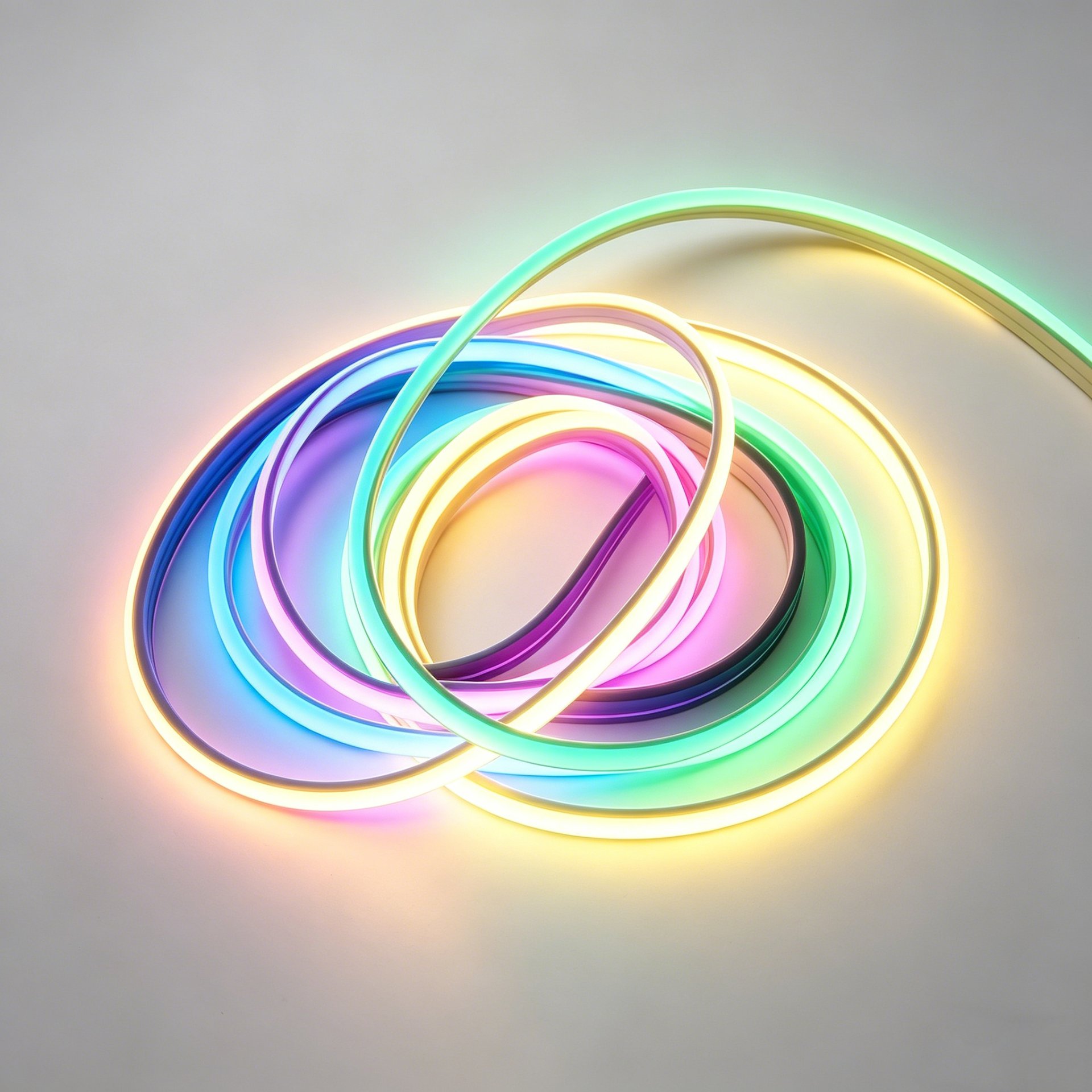
The silicone used in LED neon flex must meet strict standards. At Shenzhen Alister Technology, we use 100% food-grade, platinum-cured silicone5. This material resists UV radiation, does not yellow, and maintains flexibility even after years of outdoor use. It also withstands extreme temperatures, from -40°C to +60°C.
The LED strip inside is just as important. We source LEDs with high-quality phosphor coatings. These coatings do not shift color over time. We also ensure that the LED binning is consistent. This means every LED in the strip has the same brightness and color temperature. If binning is inconsistent, you will see color variation across the installation.
Structural Design: Managing Heat
Heat is the enemy of both silicone and LEDs. If heat builds up, the silicone degrades faster and the LEDs lose brightness. Good structural design1 includes proper heat dissipation pathways.
We design our neon flex with a specific wall thickness that allows heat to escape without compromising light diffusion. We also space the LEDs at optimal intervals. Too many LEDs in a small area generate excessive heat. Too few LEDs create dark spots. The goal is balance.
For outdoor installations, we add IP68-rated waterproofing11. This prevents moisture from entering the product. Water inside the silicone accelerates degradation and can cause electrical failure.
Process Control: Consistency Across Batches
Manufacturing neon flex is not just about following a recipe. It is about controlling every variable. The curing temperature, curing time, and silicone formulation must remain identical across all production batches. If the temperature is too low, the silicone will not fully cure. If it is too high, the silicone may harden prematurely.
We run aging tests on every batch. We subject samples to high temperatures and continuous operation for thousands of hours. We measure color shift12, light decay, and material hardness. Only batches that pass these tests are approved for shipment.
| Quality Control Step | Purpose |
|---|---|
| UV Aging Test | Simulates years of sunlight exposure |
| High-Temperature Operation | Tests silicone and LED stability under heat |
| Color Shift Measurement | Ensures LEDs maintain consistent color temperature |
| Hardness Testing | Checks if silicone remains flexible over time |
| IP68 Waterproof Test | Verifies sealing integrity under water immersion |
What Should You Look for When Choosing a Neon Manufacturer?
Not all manufacturers are the same. Some focus on making cheap products that look good initially. Others focus on making products that last. If you want neon that performs reliably for years, you need to ask the right questions.
A reliable manufacturer will provide aging test reports13, use certified materials, and offer clear warranty terms. They will also be transparent about their process and willing to customize based on your specific requirements.
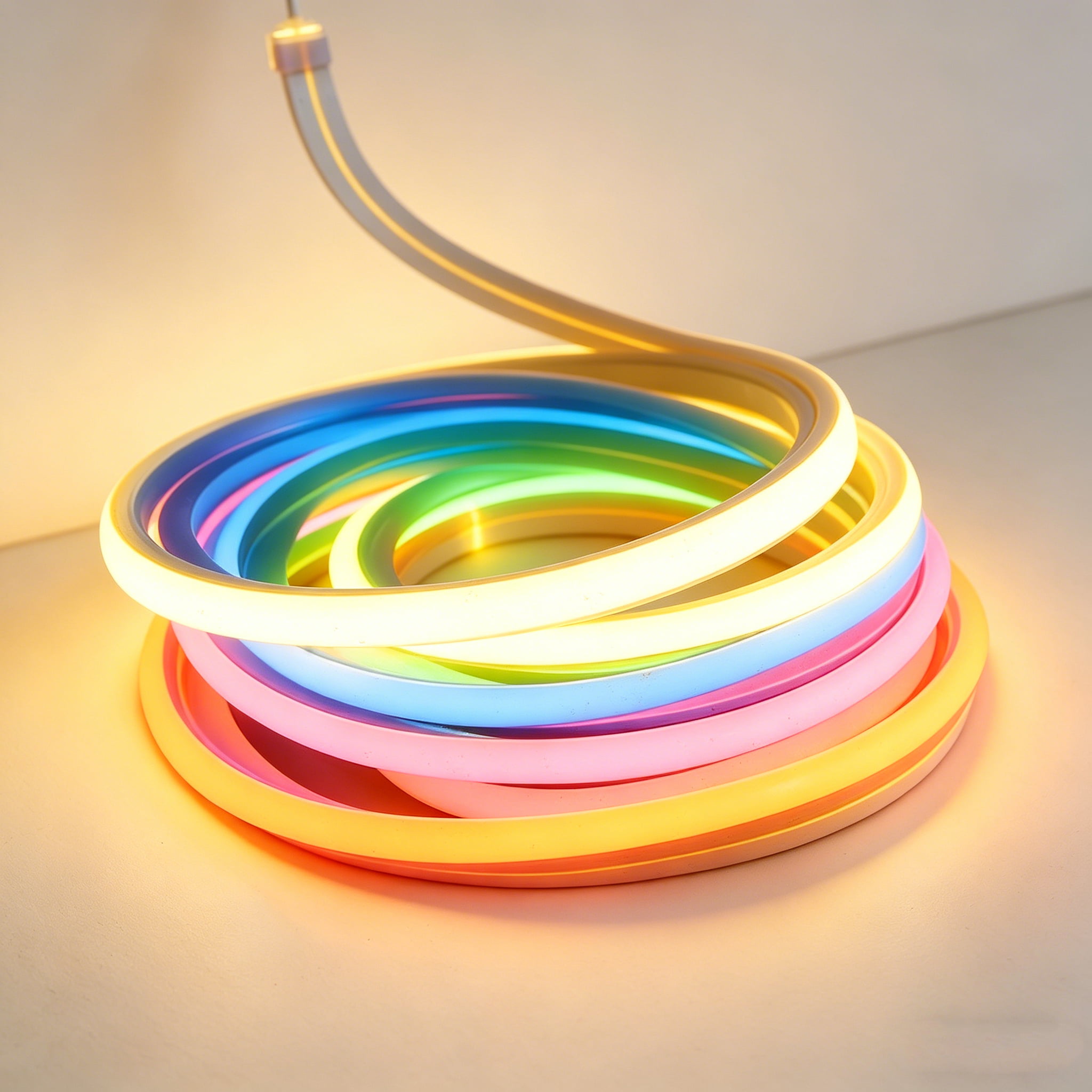
Ask for Aging Test Data
Do not trust claims without evidence. Ask the manufacturer for aging test reports13. These reports should show how the product performs after thousands of hours of operation. Look for data on color shift12, light decay, and material hardness.
If a manufacturer cannot provide this data, it means they are not testing for long-term stability4. This is a red flag.
Verify Material Certifications
Ask what type of silicone they use. Platinum-cured silicone is more expensive but far superior to peroxide-cured silicone. Also, check if the silicone is RoHS and CE certified14. These certifications ensure the material is safe and environmentally compliant.
For the LEDs, ask about the phosphor coating and binning process. High-quality LEDs should have consistent color temperature and minimal color shift12 over time.
Understand Their Customization Capabilities
Every project is different. You may need a specific cutting length, a custom color temperature, or integration with smart control systems like DMX512 or DALI. A good manufacturer will work with you to meet these requirements.
At Shenzhen Alister Technology, we specialize in OEM and ODM services. We can customize everything from the silicone formulation to the LED configuration. We also offer side-view neon flex for signage applications and 360° neon flex for architectural lighting.
Check Their Production Capacity
If you need large quantities, make sure the manufacturer can scale. Ask about their production capacity15, lead times, and quality control processes. A manufacturer with high-capacity extrusion lines can deliver consistent quality even for bulk orders.
We operate multiple extrusion lines with strict process control10. This allows us to handle both small custom orders and large-scale wholesale projects without compromising quality.
How Do You Maintain Neon After Installation?
Even the best neon needs proper maintenance. If you want your installation to last, you must follow a few simple rules.
Keep the neon clean, inspect it regularly, and replace any damaged sections immediately. Also, ensure the power supply is stable and the installation environment does not exceed the product's rated temperature range.
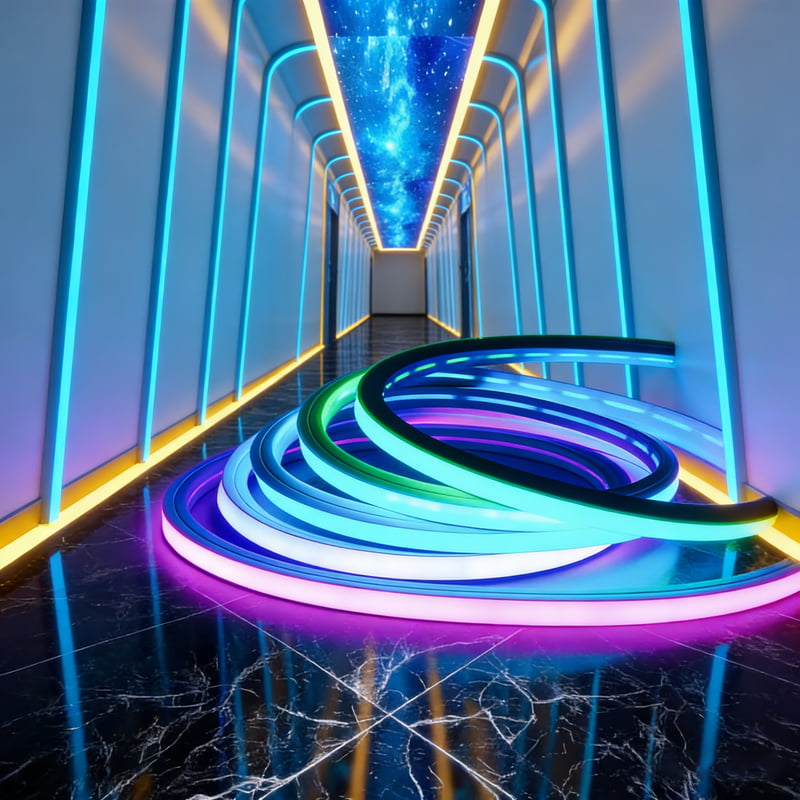
Regular Cleaning
Dust and dirt can accumulate on the surface of neon flex. This reduces brightness and accelerates yellowing. Clean the surface gently with a damp cloth. Do not use harsh chemicals or abrasive materials.
For outdoor installations, check for debris or water accumulation around the product. Even IP68-rated neon should be inspected periodically to ensure the seals remain intact.
Inspect for Damage
Check the neon for cracks, discoloration, or dark spots. If you notice any of these signs, replace the affected section immediately. Ignoring small issues will lead to larger failures.
For traditional neon, inspect the electrodes and gas tubes. If the light flickers or dims, it may be time to replace the tube.
Ensure Stable Power Supply
Voltage fluctuations can damage both traditional neon and LED neon flex. Use a stable, high-quality power supply. For LED neon, make sure the power supply matches the voltage and wattage requirements of the product.
If you are using smart control systems, ensure the wiring is correct and the controllers are properly configured. Poor wiring can cause uneven brightness or complete failure.
Conclusion
Neon manufacturing is about more than just creating light. It is about ensuring that light remains stable, bright, and beautiful for years. The key is to choose a manufacturer who understands the science of long-term durability and invests in quality materials, smart design, and rigorous testing.
Understand how structural design contributes to the performance and durability of neon. ↩
Learn about the unique qualities of traditional glass neon and its applications. ↩
Discover the advantages of LED silicone neon flex in modern lighting solutions. ↩
Understand the importance of long-term stability for neon products and how to achieve it. ↩
Find out why platinum-cured silicone is preferred for durability in neon applications. ↩
Learn how proper heat management can enhance the performance of LED neon. ↩
Understand the implications of gas leakage on the functionality of traditional neon. ↩
Investigate the factors leading to electrode degradation and its impact on performance. ↩
Discover how choosing the right materials can influence the quality of neon products. ↩
Learn about the significance of process control in ensuring consistent quality in neon. ↩
Explore the significance of IP68-rated waterproofing for outdoor neon installations. ↩
Investigate the factors that lead to color shift in LED neon and how to prevent it. ↩
Find out what to look for in aging test reports to ensure product reliability. ↩
Explore the importance of these certifications for safety and environmental compliance. ↩
Understand how production capacity impacts the ability to fulfill large orders. ↩