

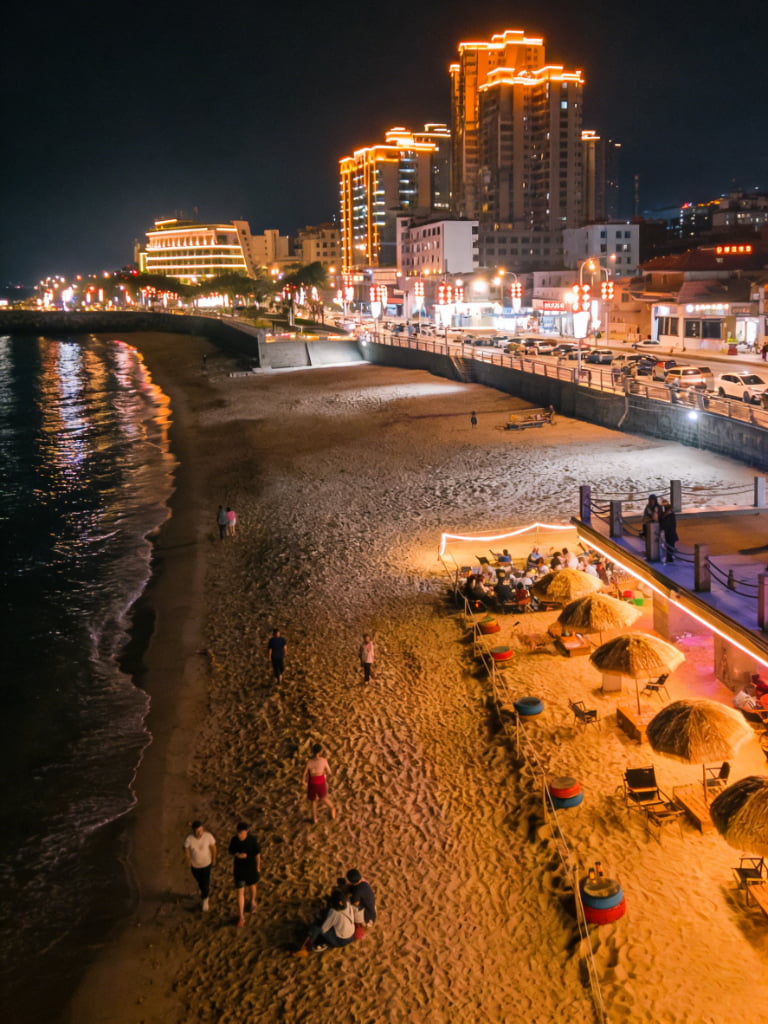
You've probably seen those massive, glowing billboards that light up city streets at night. But what exactly are outdoor advertising LED display screens1, and why do so many of them fail after just a few months? Let me break down what most suppliers won't tell you.
An outdoor advertising LED display screen is a digital billboard system that uses thousands of LED modules to show dynamic content in public spaces. The real challenge isn't brightness—it's building a sealed system that survives years of rain, heat, and thermal stress without leaking or failing.
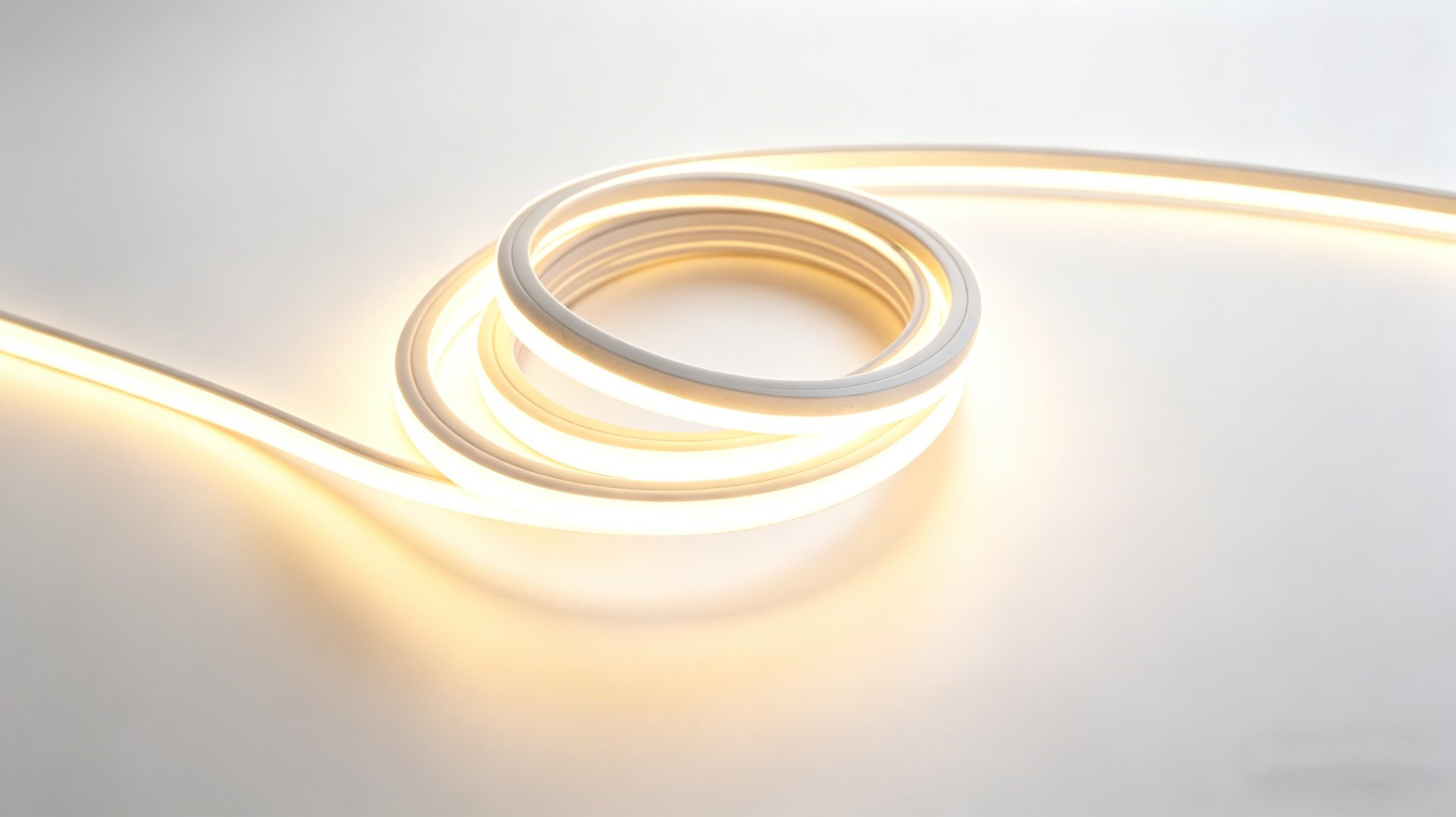
Here's the truth: I've seen projects where screens passed IP65 testing but started showing water damage and dead pixels within three months. The difference between a reliable screen and an expensive disaster comes down to three things—sealing structure2, material selection, and thermal management3. Let me show you what actually matters.
Why Do Most Outdoor LED Screens Fail So Quickly?
The industry has a dirty secret. Many screens pass initial waterproof tests but fail catastrophically in real-world conditions.
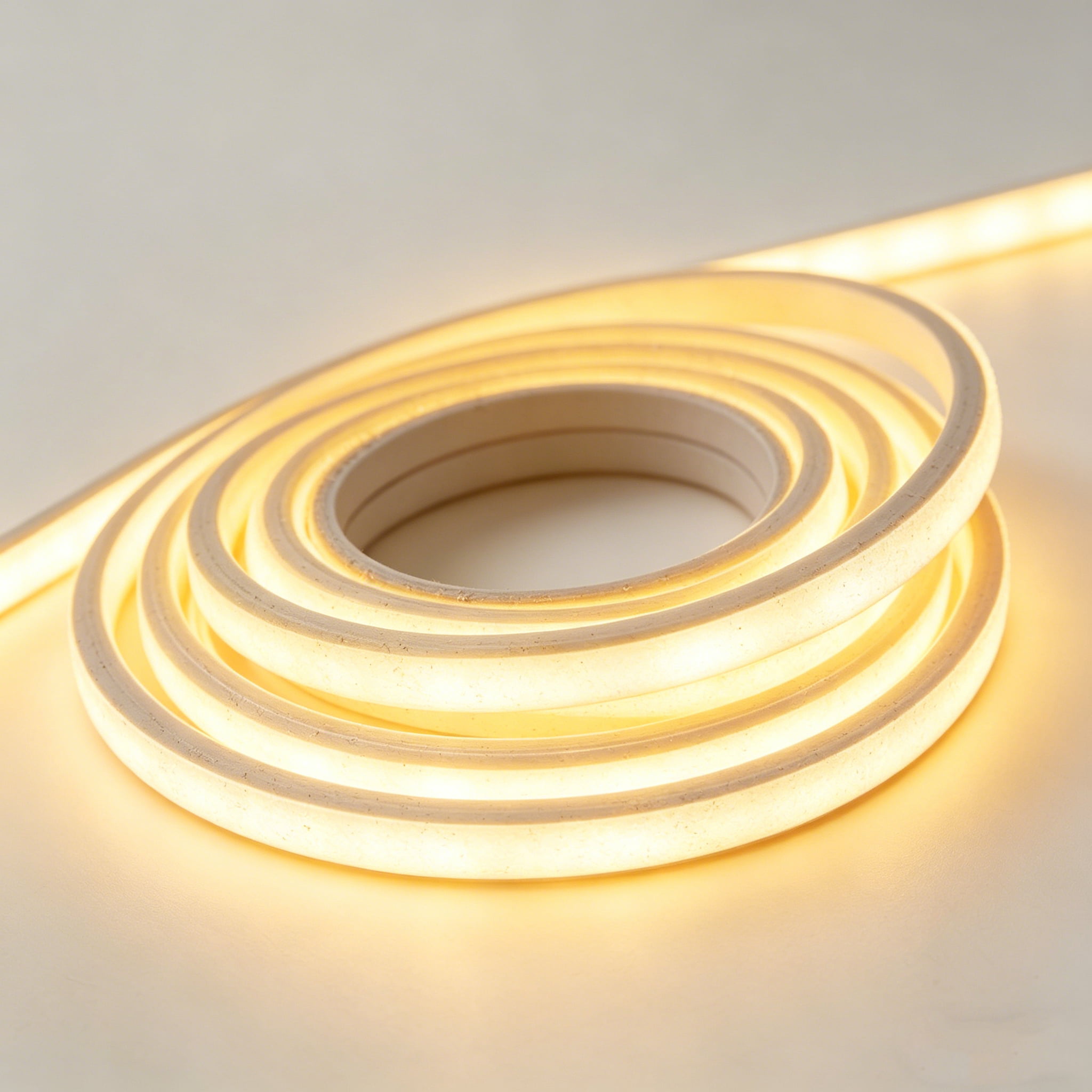
The biggest killer of outdoor LED screens isn't rain—it's the combination of temperature cycling, UV exposure4, and pressure differentials that break down sealing materials over time. Most failures happen because the sealing gasket loses its ability to bounce back after being compressed.
The Real Failure Pattern
I've analyzed dozens of failed installations. Here's what actually happens:
The screen works perfectly during the first sunny weeks. Then the first heat wave hits. The aluminum cabinet expands. The silicone gasket compresses. Night comes and everything contracts. This cycle repeats daily.
After 50-100 thermal cycles, something breaks. The gasket develops permanent compression set5. It stops rebounding. Tiny gaps open up. The next rainstorm drives water through those gaps. You see fogging inside the modules. Dead pixels appear. Sometimes the power supply shorts out.
The Thermal-Mechanical Death Spiral:
| Phase | Temperature | What Happens | Result |
|---|---|---|---|
| Day 1 | +60°C | Gasket compresses under thermal expansion | Still sealed |
| Week 4 | +60°C/-20°C cycles | Gasket loses 15% rebound capacity | Micro-gaps form |
| Month 3 | Heavy rain + heat | Water enters through fatigued seal points | Fogging begins |
| Month 6 | Continued cycling | Electrical shorts from condensation | Module failure |
The manufacturers who use cheap EPDM rubber or standard silicone think they're saving money. They're actually building time bombs. The material breaks down under UV. It loses flexibility. The compression set5 exceeds 40%. At that point, you don't have a seal anymore.
I've learned this the hard way: compression set5 matters more than initial hardness. A gasket with 70 Shore A hardness but 15% permanent compression set5 will outlast a 50 Shore A gasket with 45% compression set5 every time.
What Materials Actually Survive Outdoor Conditions?
Not all silicone is created equal. This is where most projects go wrong.
The only sealing materials that survive long-term outdoor exposure are platinum-cured silicones6 with UV stabilizers and compression set5 below 20%. Standard peroxide-cured silicones yellow, harden, and crack within 18 months.

Material Selection Framework
I use a three-filter approach for every outdoor LED project:
Filter 1: UV Resistance The material must contain UV absorbers and antioxidants. Not just "outdoor grade"—we need accelerated weathering test data showing less than 10% property change after 2000 hours of UV-B exposure.
Standard automotive-grade silicone fails this test. It's designed for under-hood applications, not direct sunlight. You need marine-grade or architectural-grade formulations.
Filter 2: Compression Set Performance This is the killer metric. I require test data at 70°C for 168 hours showing compression set5 below 20%. Anything above 25% means you're replacing gaskets in year two.
Here's the math: if your gasket has 30% compression in normal installation, and it develops 30% permanent compression set5, you've lost your entire sealing force. Game over.
Filter 3: Thermal Expansion Coefficient Matching This is advanced but critical. The silicone's coefficient of thermal expansion must be within 30% of the aluminum housing. If there's too much mismatch, you get interfacial stress concentration7.
Material Comparison Table:
| Property | Standard Silicone | Platinum-Cured + UV | Our Specification |
|---|---|---|---|
| UV Resistance | Yellows in 6 months | Stable 5+ years | <5% color change/5yr |
| Compression Set (70°C/168hr) | 35-45% | 12-18% | <20% required |
| Temperature Range | -40°C to +180°C | -40°C to +200°C | -40°C to +200°C |
| Shore A Hardness | 50-60 | 55-70 | 60-65 optimal |
| Cost per meter | $0.50 | $2.80 | Value engineering |
The cost difference seems big. But think about this: replacing one failed module costs $80-150 in parts and labor. A better gasket costs $2 extra per module. You break even if it prevents just one failure.
How Should the Sealing Structure Actually Work?
Most designs treat sealing as an afterthought. That's backwards.
Effective outdoor LED sealing requires a dual-barrier approach8: a primary compression seal for water exclusion, plus a secondary labyrinth seal to handle pressure equalization. Single-point sealing always fails.
The Breathing Problem
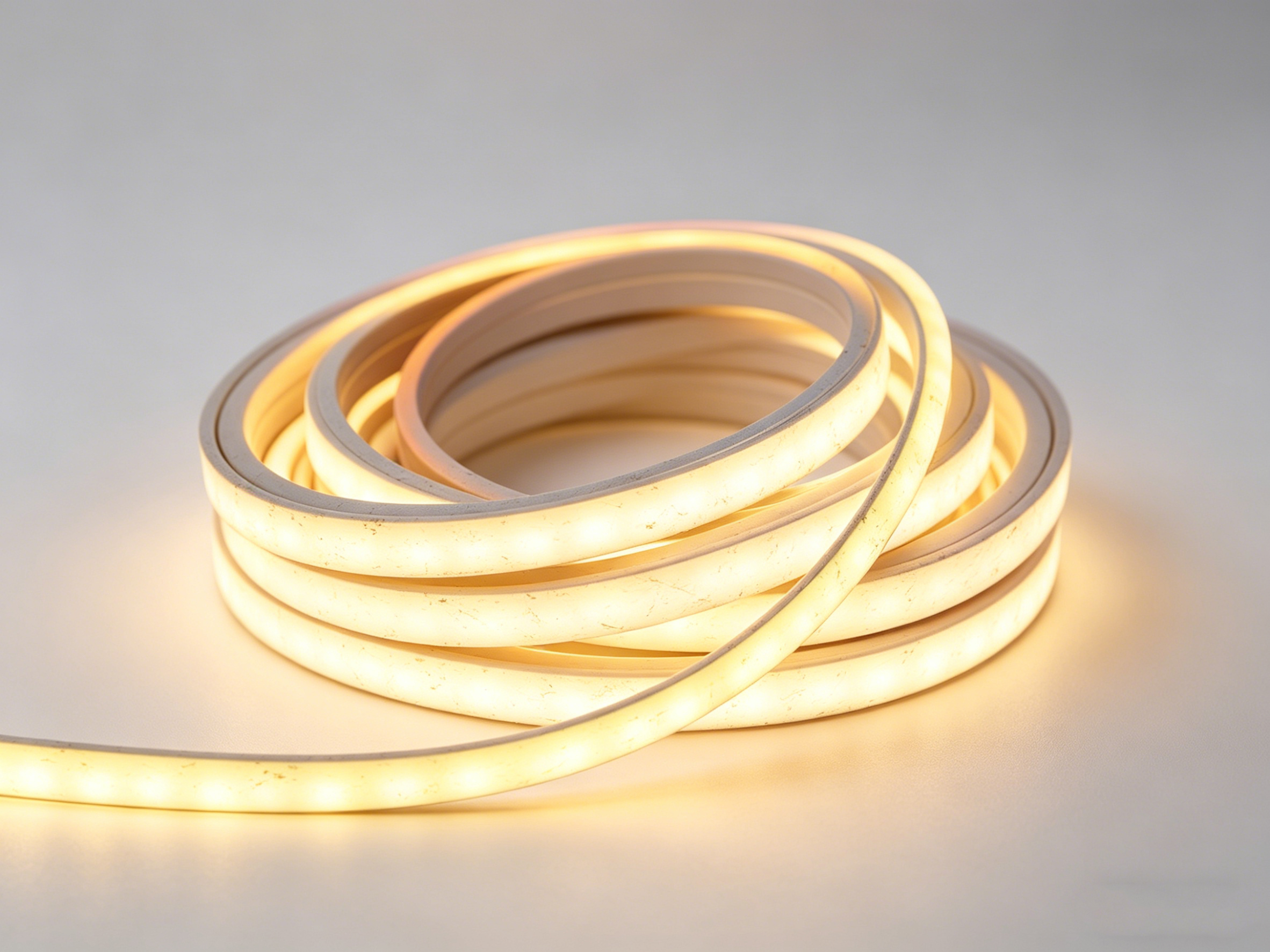
Here's what nobody tells you: a completely sealed cabinet creates its own problems. When the sun heats the air inside, pressure builds. When night comes, it drops. This pressure differential can be 50-100 Pa.
That pressure difference acts like a vacuum pump. It sucks water through any microscopic gap. I've seen screens where the gasket was perfect, but condensation formed inside because of this breathing effect.
The solution isn't tighter sealing—it's controlled breathing. We add Gore-Tex style breathable membranes9. These equalize pressure while blocking liquid water. The membrane pore size is 0.2 microns. Water droplets are 100+ microns. Air molecules pass through. Water can't.
Critical Design Elements:
-
Compression Control: The gasket must be compressed exactly 20-30%. I use spacer stops machined into the housing. This prevents over-compression during installation.
-
Double Seal Strategy: The first seal is the working seal. The second seal is 3mm behind it, creating a drainage cavity. If water gets past seal one, it drains out through weep holes before reaching seal two.
-
Stress Relief: Sharp corners concentrate stress. I radius all gasket contact surfaces to R2 minimum. This distributes compression evenly.
-
Thermal Path Integration: The sealing surface doubles as a thermal conduction path. We use thermal interface pads10 between the module and housing. This drops internal temperature by 5-8°C, which extends gasket life significantly.
What Testing Actually Predicts Field Performance?
IP65 certification means almost nothing for long-term reliability. The test is too gentle.
Real outdoor LED screens need thermal shock testing11 (-20°C to +60°C, 50 cycles) followed by high-pressure water spray12. If it doesn't survive this, it won't survive two seasons in Chicago or Dubai.

My Testing Protocol
Standard IP testing sprays water for 15 minutes at room temperature. That's not reality. Reality is this:
The screen bakes at 60°C for 8 hours under sun. Then a thunderstorm hits and dumps 40°C water on it. The thermal shock creates instantaneous stress. Materials crack. Seals open.
I run a modified test sequence:
Phase 1: Thermal Cycling
- Heat to 60°C, hold 4 hours
- Rapid cool to -20°C in 30 minutes
- Hold 4 hours
- Repeat 50 times
Phase 2: Water Ingress Under Stress
- Heat module to 50°C
- Spray with water at 15°C, 100 kPa pressure
- Continue for 30 minutes
- Check for internal moisture
Phase 3: Long-Term Compression
- Compress gasket to installation compression
- Hold at 70°C for 1000 hours
- Measure compression set5
- Re-test water ingress13
Only modules that pass all three phases go into production. This catches 80% of potential failures before they reach the customer.
How Does Thermal Management Affect Sealing Reliability?
Heat is the silent killer of outdoor LED screens. Every 10°C increase in operating temperature cuts component life in half.
Effective thermal design isn't about adding bigger heat sinks—it's about creating continuous thermal pathways from LED junction to ambient air while maintaining seal integrity. The two systems must work together, not fight each other.
The Thermal-Seal Integration Challenge
Most designers treat thermal management3 and sealing as separate problems. That's a mistake. They're coupled.
When you seal a cabinet tightly, you trap heat. When you add ventilation for cooling, you compromise the seal. The solution requires integrated thinking.
I use a phase-change approach. The LED module sits on an aluminum plate. Between them is a thermal pad with 3.5 W/mK conductivity. This pad is also slightly compressible—it acts as a secondary seal.
The aluminum plate conducts heat to the cabinet frame. The frame has external fins for convection. But here's the key: the thermal path goes through the gasket contact surface. We use silicone gaskets with thermal conductivity of 0.8 W/mK instead of standard 0.2 W/mK.
Thermal-Seal Design Principles:
| Design Element | Poor Approach | Optimized Approach | Benefit |
|---|---|---|---|
| Heat Sink Location | External, separate from seal | Integrated into sealing surface | -8°C internal temp |
| Thermal Interface | Air gap or grease | Conformable thermal pad | Better contact |
| Gasket Material | Standard silicone (0.2 W/mK) | Thermally conductive (0.8 W/mK) | Heat + seal in one |
| Airflow Strategy | Forced ventilation (breaks seal) | Passive conduction + radiation | No seal compromise |
The temperature difference matters more than you think. At 45°C internal temperature, LED life is 50,000 hours. At 60°C, it drops to 25,000 hours. The silicone gasket shows 18% compression set5 at 45°C but 35% at 60°C.
By integrating thermal management3 into the sealing structure2, we keep internal temperatures below 50°C even in Dubai summer. This doubles component life and cuts seal replacement frequency by 70%.
Conclusion
Outdoor LED display screens live or die by their sealing system. The difference between a five-year asset and a six-month disaster comes down to material selection, structural design, and thermal integration. Choose platinum-cured silicone, design for thermal cycling14, and test like the real world will test you.
Explore this resource to understand the technology behind outdoor LED displays and their applications. ↩
Learn why a robust sealing structure is crucial for the longevity of LED displays. ↩
Discover how effective thermal management can enhance the reliability of LED displays. ↩
Explore the impact of UV exposure on the longevity of materials used in LED displays. ↩
Understand the significance of compression set in ensuring the durability of sealing materials. ↩
Find out why platinum-cured silicones are preferred for outdoor applications. ↩
Learn about the effects of interfacial stress concentration on sealing performance. ↩
Discover how a dual-barrier approach enhances the sealing effectiveness of LED displays. ↩
Learn about the innovative use of breathable membranes in preventing moisture ingress. ↩
Discover how thermal interface pads enhance heat dissipation in LED displays. ↩
Understand the significance of thermal shock testing in ensuring LED display reliability. ↩
Explore the importance of high-pressure water spray testing in assessing LED durability. ↩
Learn about the factors that lead to water ingress and how to prevent it. ↩
Understand the effects of thermal cycling on the performance and lifespan of LED displays. ↩