
When you pick LED flood lights, you probably think about brightness first. Maybe you check the price next. But I have seen many projects fail because buyers ignore one critical detail. That detail is the IP rating. It decides if your lights will last or break down in a few months. I am going to walk you through this, step by step.
IP rating shows how well your light fights off water and dust. If you choose wrong, water gets in. Circuits fail. You spend money fixing things over and over. I see this happen all the time. The right IP rating means your lights work when you need them. The wrong one means trouble.
So why do so many people get this wrong? Because they guess. They do not think about the real environment where the light will sit. Let me help you avoid that mistake.
What Does IP Rating Actually Mean?
Most people see "IP65" or "IP68" and they do not know what it means. They assume higher numbers are always better. That is not how it works.
IP stands for Ingress Protection. The first digit tells you dust protection. The second digit tells you water protection. IP65 means full dust protection and protection from water jets. IP68 means full dust protection and the light can sit underwater. You do not always need the highest number. You just need the right one for your space.
Let me break this down further. The first digit ranges from 0 to 6. Zero means no protection. Six means nothing gets through. The second digit ranges from 0 to 8. Zero means no water protection. Eight means you can submerge the unit completely. But here is what most guides will not tell you. The rating on the label is not always what you get in real life. I have tested products from different suppliers. Some claim IP67 but fail after one heavy rain. Why? Because the materials inside are weak. The seals are cheap. The assembly process cuts corners. This is why we focus on actual build quality, not just the number printed on the box.
| IP Rating | Dust Protection | Water Protection | Typical Use Case |
|---|---|---|---|
| IP44 | Protected against objects >1mm | Protected against water splashes | Indoor covered areas |
| IP65 | Fully dust-tight | Protected against water jets | General outdoor use |
| IP67 | Fully dust-tight | Protected against temporary immersion | Heavy rain exposure |
| IP68 | Fully dust-tight | Protected against continuous immersion | Underwater or constant wet conditions |
What Environment Are You Really Working With?
This is the question I ask every client. Not "what IP do you want?" but "where will this light actually sit?"
Indoor or covered spaces need lower IP ratings like IP44. Outdoor spaces exposed to rain need IP65 or higher. Harsh environments with constant water exposure need IP67 or IP68. The mistake people make is not evaluating their real conditions. They pick a number without thinking about rain patterns, humidity, dust levels, or installation angles.
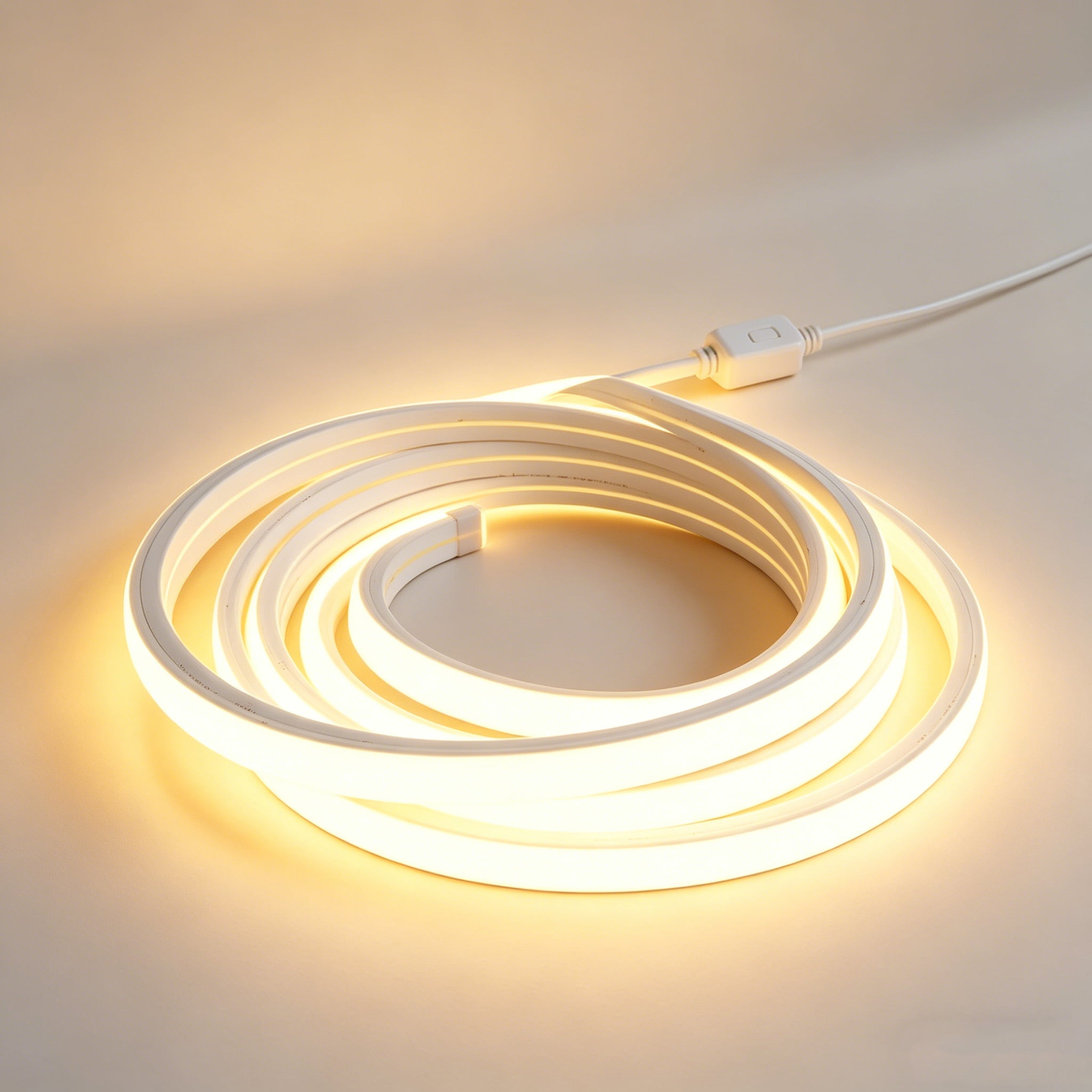
Let me give you a real example. A client once told me they needed IP65 for their project. I asked where they were installing. They said it was a coastal area with high humidity and salt spray. I told them IP65 would not last. Salt eats through weak seals. Humidity finds every tiny gap. We recommended IP67 with high-quality silicone sealing instead. Two years later, their lights still work perfectly. If they had gone with standard IP65 from a cheaper supplier, they would have replaced everything by now. You need to think about more than just rain. You need to think about temperature swings. You need to think about dust from construction sites. You need to think about how water sits on the surface after a storm. All of these factors decide what protection level you actually need. I always tell clients to overestimate their environment slightly. It is better to have more protection than you need than to have less.
How Does Material Quality Change Everything?
Here is something most suppliers will not admit. Two products with the same IP rating can perform completely differently. The reason is material quality.
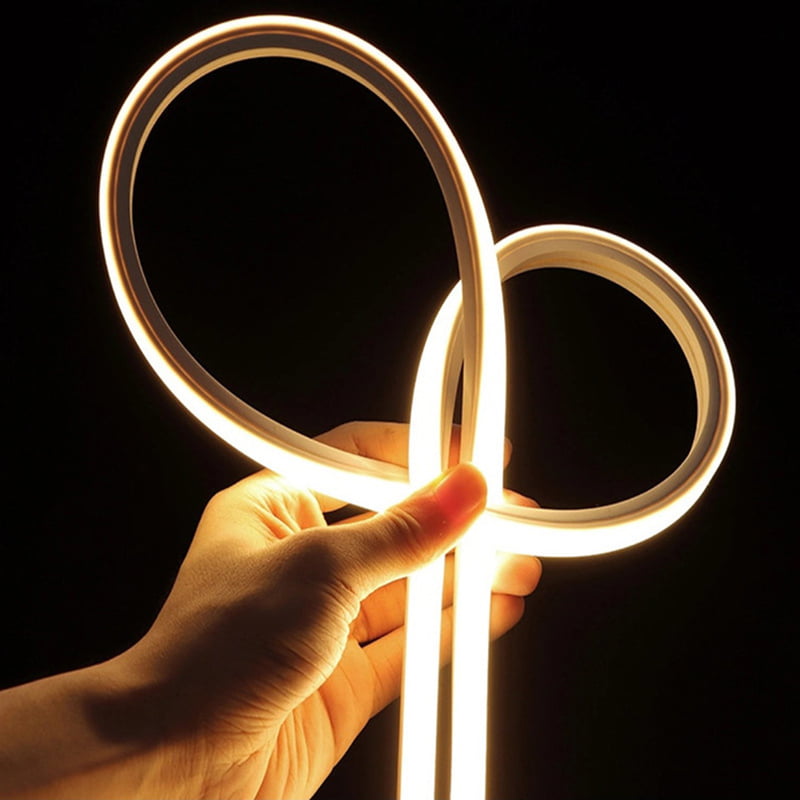
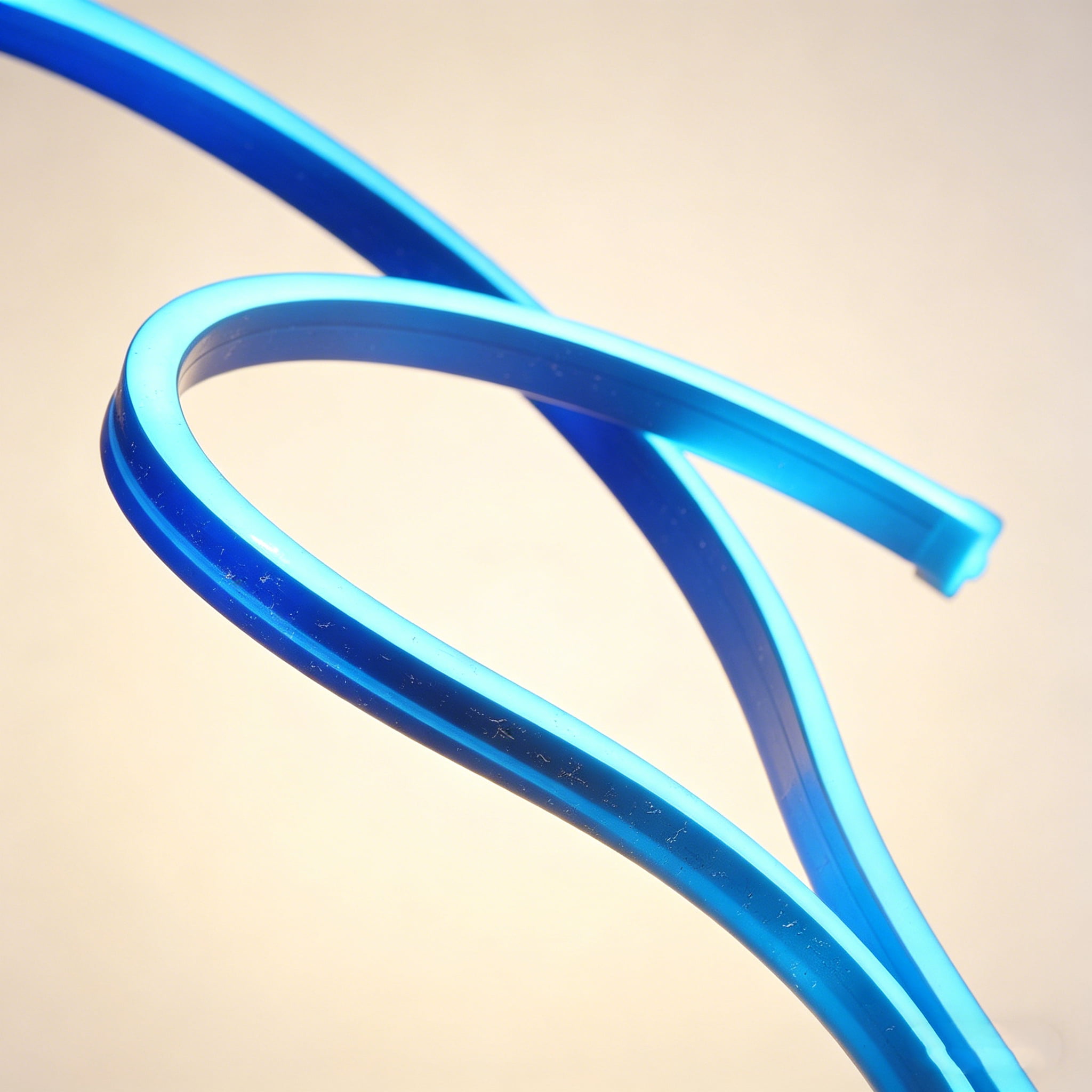
Standard plastic housings crack over time. Cheap rubber seals dry out. Low-grade adhesives lose their bond. We use food-grade silicone extrusion for our neon flex products. Silicone stays flexible in extreme cold. It resists UV damage in direct sun. It does not yellow or become brittle. This is not just marketing. This is what keeps water out after thousands of hours of operation.
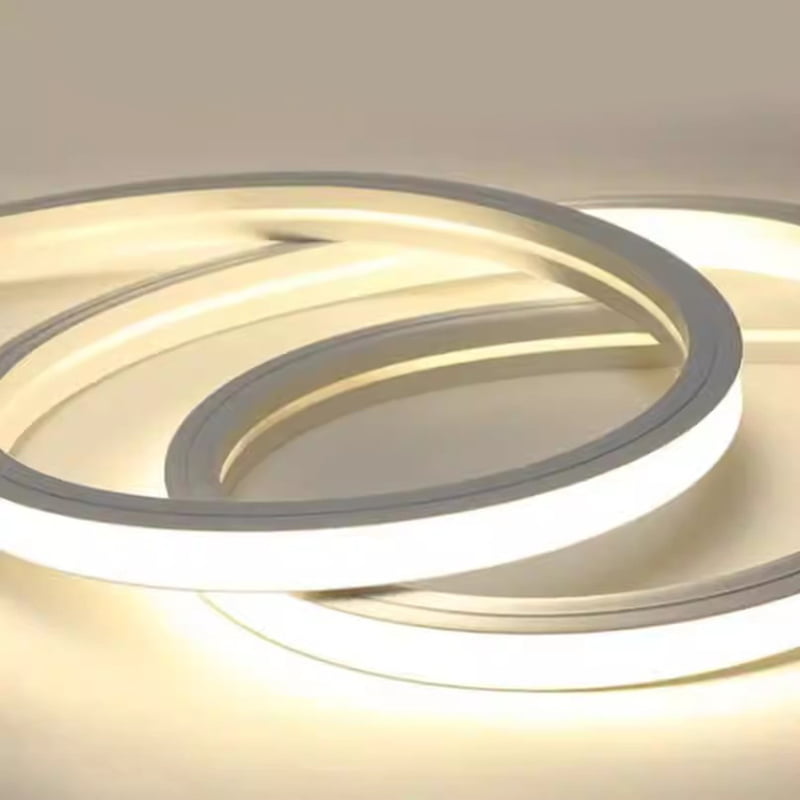
I have seen products fail inspection because the silicone used was low molecular weight. It looked fine on day one. But after six months outdoors, the material degraded. Water started seeping in. The client had to replace the entire installation. This cost them more than if they had invested in proper materials from the start. Our silicone is different. It is engineered to handle temperatures from -40°C to +60°C. It resists salt spray. It does not react to UV exposure. We test every batch before it leaves our facility. This is not about claiming a rating. This is about delivering a product that actually performs in real conditions. When you work with us, you are not just buying an IP rating. You are buying materials that have been proven in extreme environments.
Why Does Installation Method Matter?
Even the best IP rating fails if you install it wrong. I see this all the time. People ignore the installation instructions. They drill holes without proper sealing. They route cables incorrectly.
Water does not just come from above. It can creep in from cable entry points. It can pool in mounting brackets. It can seep through improperly sealed connectors. Your installation method decides if your IP rating works in practice. We provide detailed installation guides for every product. We recommend proper cable glands. We specify mounting angles that prevent water accumulation.

Let me share a common mistake. Some installers mount lights horizontally when they should be angled downward. Water pools on top. It finds the smallest gap. Suddenly your IP65 light is leaking. Another mistake is using the wrong cable entry method. If you do not use proper IP-rated cable glands, water travels along the cable and enters through the connection point. We train our clients on these details. We do not just ship products and walk away. We make sure you understand how to preserve the IP protection during installation. This includes choosing the right mounting surface, using appropriate sealants, and testing connections before powering up. These small details make the difference between a successful project and a costly failure.
What About Long-Term Performance?
Here is what no one talks about. IP ratings are tested in labs. They are not tested over years of real use. A product might pass IP67 testing on day one. But what about after 10,000 hours of operation?
Heat causes materials to expand and contract. This stresses seals over time. UV exposure degrades plastics. Salt and chemicals attack surfaces. Long-term performance depends on material stability and manufacturing precision. Our silicone neon flex is designed for a 5-year minimum lifespan. The silicone does not degrade. The seals stay tight. The protection remains consistent.
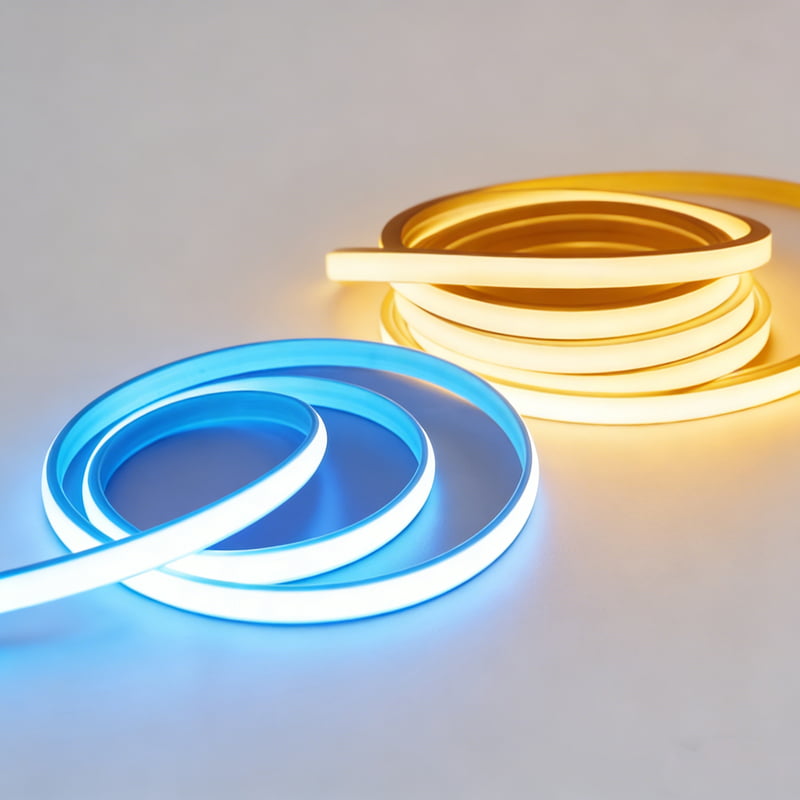
I recently spoke with a contractor who had used our products for three years. He told me he had zero failures. Zero maintenance calls. He compared this to a previous supplier where he was replacing units every six months. The difference was not just the IP rating. It was the quality behind that rating. We use controlled extrusion processes. Every seal is checked. Every connection point is tested. We do not rely on random sampling. We inspect every product batch. This level of quality control costs more upfront. But it saves you money over the lifetime of the installation. When you calculate total cost of ownership, investing in proper IP-rated products with quality materials always wins. You avoid replacement costs. You avoid labor costs. You avoid the reputation damage of failed installations.
How Do We Help You Choose Right?
I do not believe in selling you the highest IP rating just to charge more. I believe in understanding your project. When you contact us, we ask detailed questions.
What is your installation location? What are the climate conditions? How long do the lights need to operate daily? Are there special environmental factors like salt spray or industrial chemicals? Based on your answers, we recommend the appropriate IP level and material specifications. We provide technical drawings. We explain sealing methods. We make sure you understand what you are getting.

Our engineering team has supported projects across different continents. We have seen coastal installations. We have seen desert environments. We have seen industrial facilities with harsh chemical exposure. Every environment teaches us something new. We bring that experience to your project. We do not use generic solutions. We customize based on your real needs. This might mean recommending IP67 instead of IP65 for your specific humidity levels. It might mean suggesting different mounting hardware for your wind exposure. It might mean adjusting the cable entry design for your installation method. We treat every project as unique because every environment is unique. When you work with us, you get more than a product. You get a partner who cares about your long-term success.
Conclusion
Choosing the right IP rating is not about picking the highest number. It is about understanding your environment, using quality materials, installing correctly, and planning for long-term performance. We are here to help you get it right the first time.