


When you first contact a supplier, everything looks perfect. The sample arrives on time. The colors match your design. The brightness is exactly what you need. You approve it, place a bulk order, and wait.
But then the shipment arrives, and you open the boxes. The colors are off. Some units are brighter than others. Your client notices immediately. Now you're stuck explaining why a $15,000 order doesn't match the $50 sample you showed them three weeks ago.

I've been working in silicone neon flex manufacturing for years now. I've seen this exact situation play out dozens of times. The problem is never the sample. The problem is what happens after you approve it.
What Is the Real Problem with LED Neon Signs Wholesale?
Most people think wholesale is just about getting a lower unit price. You order 500 pieces instead of 50, and the factory gives you a discount. That's how it's supposed to work, right?
The real challenge in LED neon signs wholesale is not the price—it's maintaining identical quality across every single unit in a large production run. When colors shift between batches, brightness becomes uneven, or structural tolerances vary, your entire project loses credibility.
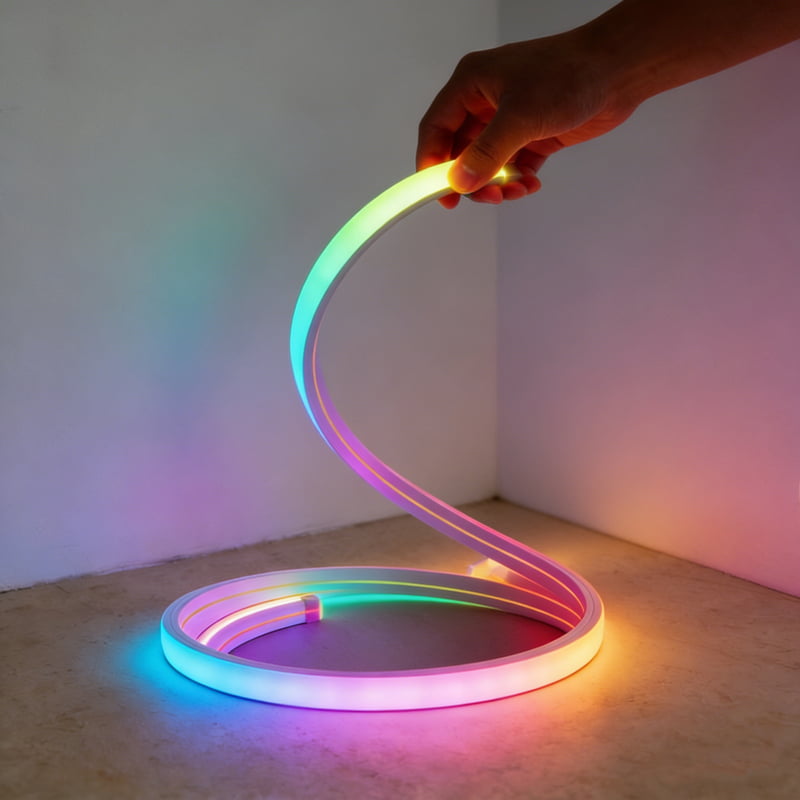
Here's what most suppliers won't tell you. Making one perfect sample is easy. Any decent workshop can do it. Making 500 identical units requires a completely different manufacturing system. It requires material traceability, calibrated extrusion equipment, and a quality control process that catches deviations before they become shipments.
When I talk to distributors and contractors, they all describe the same frustration. They approve a sample based on color temperature, brightness, and flexibility. Then the bulk order arrives with three different shades of white, uneven light distribution, and silicone that feels different to the touch. The supplier blames "normal production variance." But your client doesn't care about variance. They care about consistency.
This is where most wholesale relationships break down. A distributor in California once told me he had to reject an entire container because the "warm white" varied from 2700K to 3500K across different production batches. His client was a hotel chain doing corridor lighting across 12 properties. They needed every hallway to look identical. He couldn't install mismatched lighting and hope no one would notice.
How Do You Actually Ensure Batch Consistency in Silicone Neon Production?
Consistency doesn't happen by accident. It's built into every step of the manufacturing process, starting before production even begins.
Before we run any bulk order, our engineering team evaluates three things: your design requirements, your installation environment, and your quality expectations. This pre-production analysis determines material specifications, extrusion parameters, and testing protocols that will apply to every unit in your order.
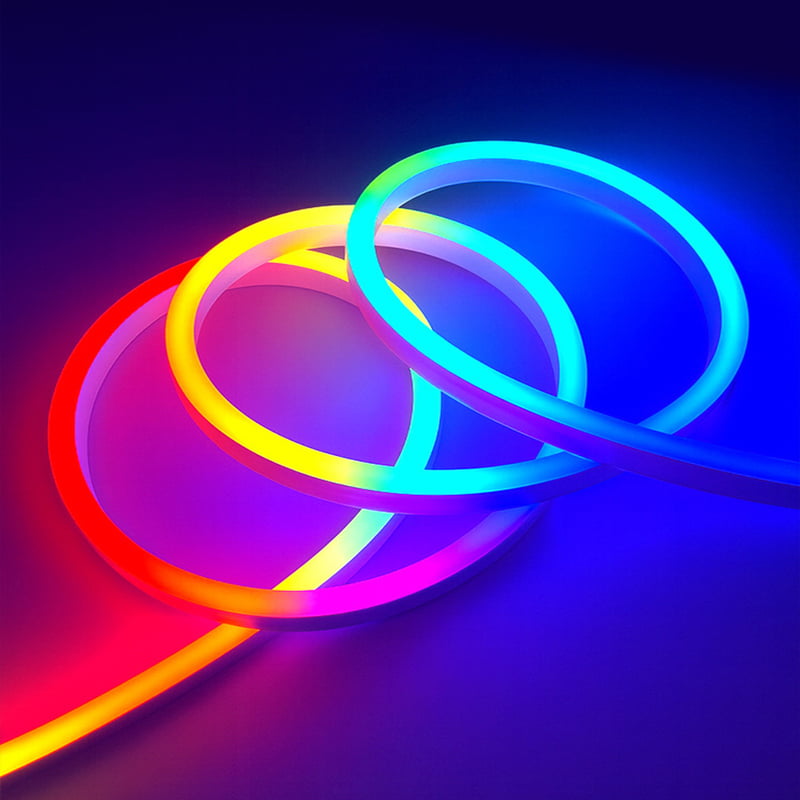
Let me break down how this actually works in practice.
Material Control
We use batch-coded silicone compounds from verified suppliers. Every production run is traceable to a specific material lot number. If your order requires IP68 waterproofing for outdoor use, we don't mix different silicone grades halfway through production. The same material specification applies from the first meter to the last.
Extrusion System Calibration
Our production lines use precision extrusion dies that have been tested across thousands of previous orders. Before starting your bulk run, we calibrate equipment to match the exact dimensions and optical properties of your approved sample. Temperature, pressure, and pulling speed are locked in as fixed parameters.
In-Process Quality Verification
Every 50 meters, we pull a section for live testing. We measure color temperature with a calibrated spectrophotometer. We check brightness uniformity with a lux meter at standardized distances. We verify flexibility and bend radius against your installation requirements. If any parameter drifts outside tolerance, we stop the line and recalibrate before continuing.
Final Batch Testing
Before shipping, we power up random units from different sections of your order and run them for 72 continuous hours. We're looking for early failures, color shift under heat, and brightness degradation. This isn't a pass/fail test. It's a consistency verification. Every unit should perform identically under stress.
| Quality Control Stage | What We Measure | Why It Matters |
|---|---|---|
| Material Inspection | Silicone grade, shore hardness, UV resistance | Prevents yellowing and cracking over time |
| Extrusion Monitoring | Wall thickness, cross-section dimensions | Ensures uniform light diffusion |
| Color Temperature Testing | CCT within ±100K tolerance | Maintains consistent appearance across installations |
| Brightness Verification | Lumen output at 1-meter distance | Eliminates uneven lighting effects |
| Long-Duration Burn-In | 72-hour continuous operation | Catches early failures before shipping |
This system isn't unique to us. Any serious silicone neon manufacturer should have a similar process. The difference is enforcement. Some factories document procedures but skip steps when production schedules get tight. We treat consistency as a non-negotiable requirement because we know what happens when you don't.
A lighting contractor in Texas once told me he switched to us after his previous supplier delivered a hotel facade project with visible color banding. The client could see three distinct color zones from the street. He had to remove and replace 200 meters of installed neon at his own cost because the supplier insisted everything was "within normal tolerance." That project cost him $18,000 in labor alone, not counting the damaged client relationship.
Why Do Wholesale Buyers Keep Choosing Suppliers That Can't Deliver Consistency?
This is the question that surprises me most. After experiencing batch inconsistency once, why do buyers go back to the same type of supplier?
The answer is usually price pressure. A buyer gets a quote from a reliable manufacturer at $12 per meter, then finds another supplier offering $8 per meter. The cheaper supplier sends a perfect sample. The buyer assumes they found a better deal and places the order. Then the problems start.

I understand the logic. If you're a distributor working on thin margins, saving $4 per meter on a 5,000-meter order is $20,000 in additional profit. That's significant money. But here's what that calculation misses.
When the shipment arrives with quality issues, you have three options. You can reject the entire order and lose time while finding a new supplier. You can accept it and hope your client doesn't notice the inconsistencies. Or you can negotiate a partial refund and sell the product at a discount, damaging your market positioning.
All three options cost you more than the original $4 per meter savings. The first option delays your project and frustrates your client. The second option risks your reputation when the inconsistencies become obvious during installation. The third option turns your wholesale purchase into a clearance sale, erasing your profit margin completely.
A distributor in the UK explained this to me last year. He had been buying from a low-cost supplier for 18 months. Every third or fourth order had some issue—color variation, uneven brightness, or silicone that felt different. He kept accepting the shipments because he had clients waiting and didn't want to delay projects. But eventually, his largest client switched to a competitor who could guarantee consistency. He lost $200,000 in annual business because he saved $15,000 on cheaper wholesale pricing.
The real cost of inconsistency isn't the immediate price difference. It's the cumulative damage to your business relationships over time. Your clients don't care that you saved money on the wholesale purchase. They care that their lighting installation looks professional and performs reliably.
This is why we focus on engineering consistency into the manufacturing process rather than competing purely on price. Our wholesale pricing reflects the actual cost of maintaining quality systems, not the theoretical cost of producing silicone neon without quality control. Some buyers see that as more expensive. Long-term clients see it as risk management.
What Should You Actually Look for When Choosing a Wholesale LED Neon Supplier?
Most buyer checklists focus on the wrong things. They ask about production capacity, lead times, and unit pricing. Those factors matter, but they don't predict whether your bulk order will match your approved sample.
A reliable wholesale supplier should demonstrate three capabilities: technical evaluation before production starts, documented quality control during manufacturing, and post-delivery support when installation issues arise. If a supplier can't explain their process in each area, they're probably hoping quality will work out through luck.

Here's what I recommend based on working with hundreds of wholesale clients over the years.
Pre-Production Engineering Review
Before you approve any sample, ask the supplier to explain how they will maintain the same specifications across your entire order. What extrusion parameters will they use? How will they verify color temperature consistency? What happens if material properties change between production batches?
A good supplier will walk you through their process with specific technical details. They'll ask about your installation environment, your performance requirements, and your quality expectations. They'll identify potential issues before production starts.
A weak supplier will say something like "don't worry, we've made this product many times" or "just trust us, the quality will be fine." That's not reassurance. That's hope disguised as confidence.
In-Process Documentation
During production, you should receive regular updates with measurable data. Not just photos of the production line, but actual test results showing color temperature readings, brightness measurements, and dimensional tolerances.
We send our wholesale clients weekly production reports that include spectrophotometer data, lux meter readings, and sample photos from different production batches. This isn't because we think they'll analyze the data themselves. It's because documented evidence creates accountability. If the final shipment has quality issues, we can trace exactly when and why the deviation occurred.
Post-Delivery Technical Support
The relationship doesn't end when the container ships. A professional supplier provides installation guidance, troubleshooting support, and replacement parts if needed.
One of our US distributors had an installation crew who accidentally damaged 15 meters of neon flex during mounting. They called us at 3 AM China time, explained what happened, and asked if we could air-ship replacement sections. We had the parts manufactured within 24 hours and shipped via express courier. They received the replacement neon within 3 days and completed the installation on schedule.
That level of support costs money to maintain. It requires keeping excess inventory, having technical staff available outside normal business hours, and being willing to solve problems that technically aren't your fault. But it's what separates a manufacturing partner from a transactional supplier.
How Does Our Wholesale Process Actually Work?
We've structured our wholesale service around the pain points I've described above. This isn't theoretical—it's based on direct feedback from distributors and contractors who switched to us after bad experiences elsewhere.
Our wholesale process starts with a technical consultation, not a price quote. We need to understand your project requirements, installation conditions, and quality expectations before we can provide accurate pricing. This prevents mismatched expectations later.
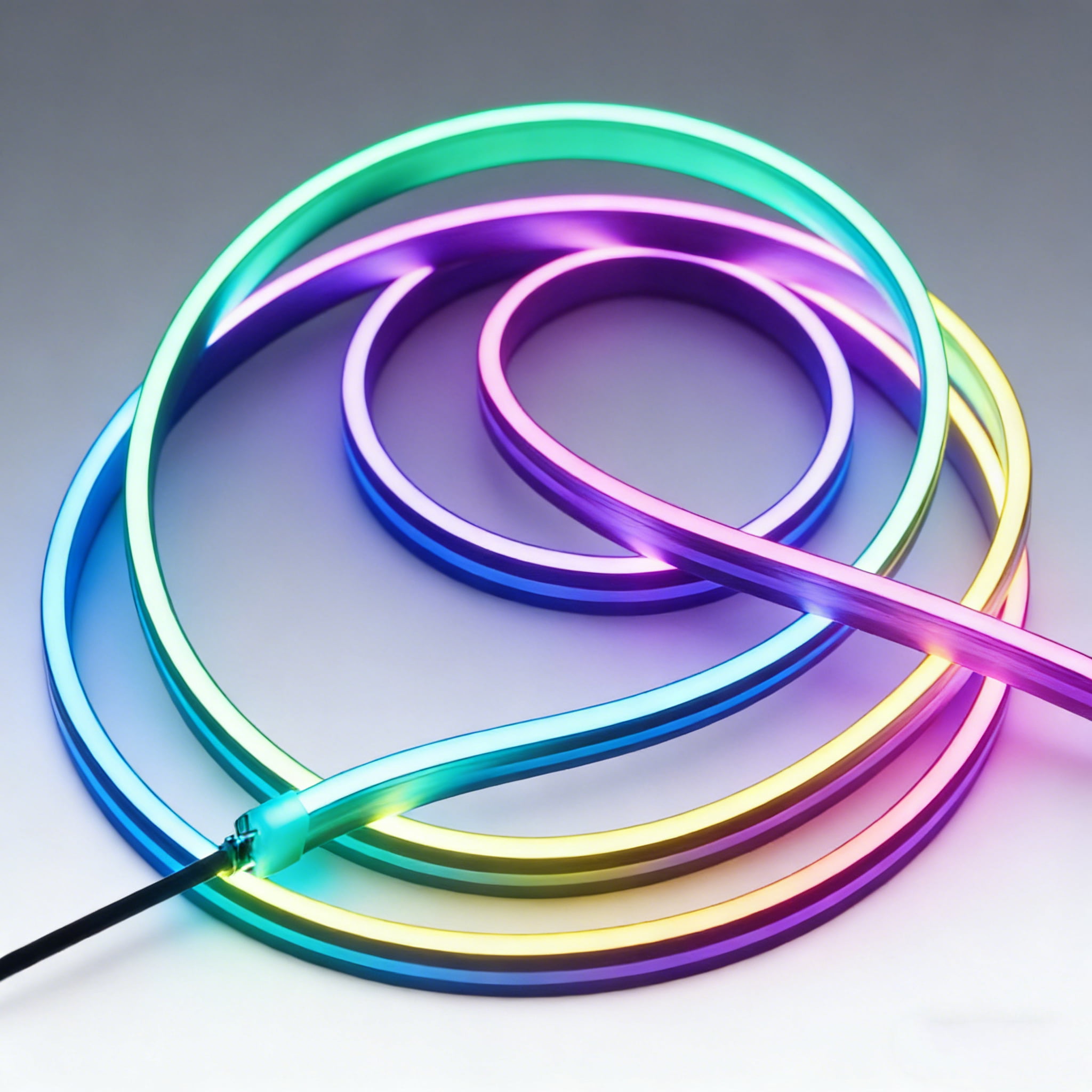
Here's the actual workflow for a typical wholesale order.
Step 1: Project Analysis
You send us your design specifications, installation photos, and quantity requirements. Our engineering team reviews everything and identifies potential issues. Maybe your design requires a bend radius tighter than standard silicone can handle. Maybe your outdoor installation needs UV-stabilized compounds. Maybe your color requirements need custom LED binning.
We document all of this in a technical specification sheet that becomes the quality standard for your entire order.
Step 2: Sample Production
We manufacture three samples using different production parameters and send all three to you. You test them in your actual installation environment and select the version that works best. That sample becomes the reference standard for bulk production.
Many suppliers only send one sample. If you don't like it, they make adjustments and send another one. This back-and-forth wastes time. We prefer to show you options upfront so you can make an informed decision quickly.
Step 3: Pre-Production Meeting
Before we start bulk manufacturing, we schedule a video call to walk through the production plan. We show you the extrusion dies we'll use, the material batches we've prepared, and the testing equipment we'll employ. We also confirm lead times, packaging requirements, and shipping logistics.
This meeting catches miscommunications before they become problems. A distributor might assume we're using one type of connector when we planned to use another. A contractor might expect individual packaging when we planned bulk spools. Better to clarify these details now than discover issues when the shipment arrives.
Step 4: Monitored Production
During manufacturing, you receive weekly updates with test data and progress photos. If we encounter any quality issues, we notify you immediately and explain our corrective actions. We don't hide problems and hope you won't notice.
Step 5: Pre-Shipment Inspection
Before the order leaves our facility, we invite you to conduct a third-party inspection or video inspection. You can verify that the finished goods match your approved sample before they ship. Some clients take us up on this, others trust our documented quality control data. Either approach works.
Step 6: Post-Delivery Support
After you receive the shipment, we stay available for installation questions, technical troubleshooting, and warranty support. If you need replacement parts, we manufacture and ship them quickly. If you need installation guidance, we provide it via video call or detailed documentation.
This process takes longer than simply sending a quote and shipping products. But it eliminates the most common causes of wholesale order failures: unclear specifications, inconsistent production, and abandoned post-sale support.
What Makes Silicone Neon Flex Different from Traditional LED Neon in Wholesale?
This question comes up constantly because the material choice fundamentally changes what consistency means in a bulk order.
Traditional LED neon uses PVC or acrylic tubing, which can yellow under UV exposure and crack in cold temperatures. Silicone neon flex uses food-grade, high-molecular silicone that maintains flexibility and color stability across temperature ranges from -40°C to +60°C. This material difference directly impacts long-term performance consistency.
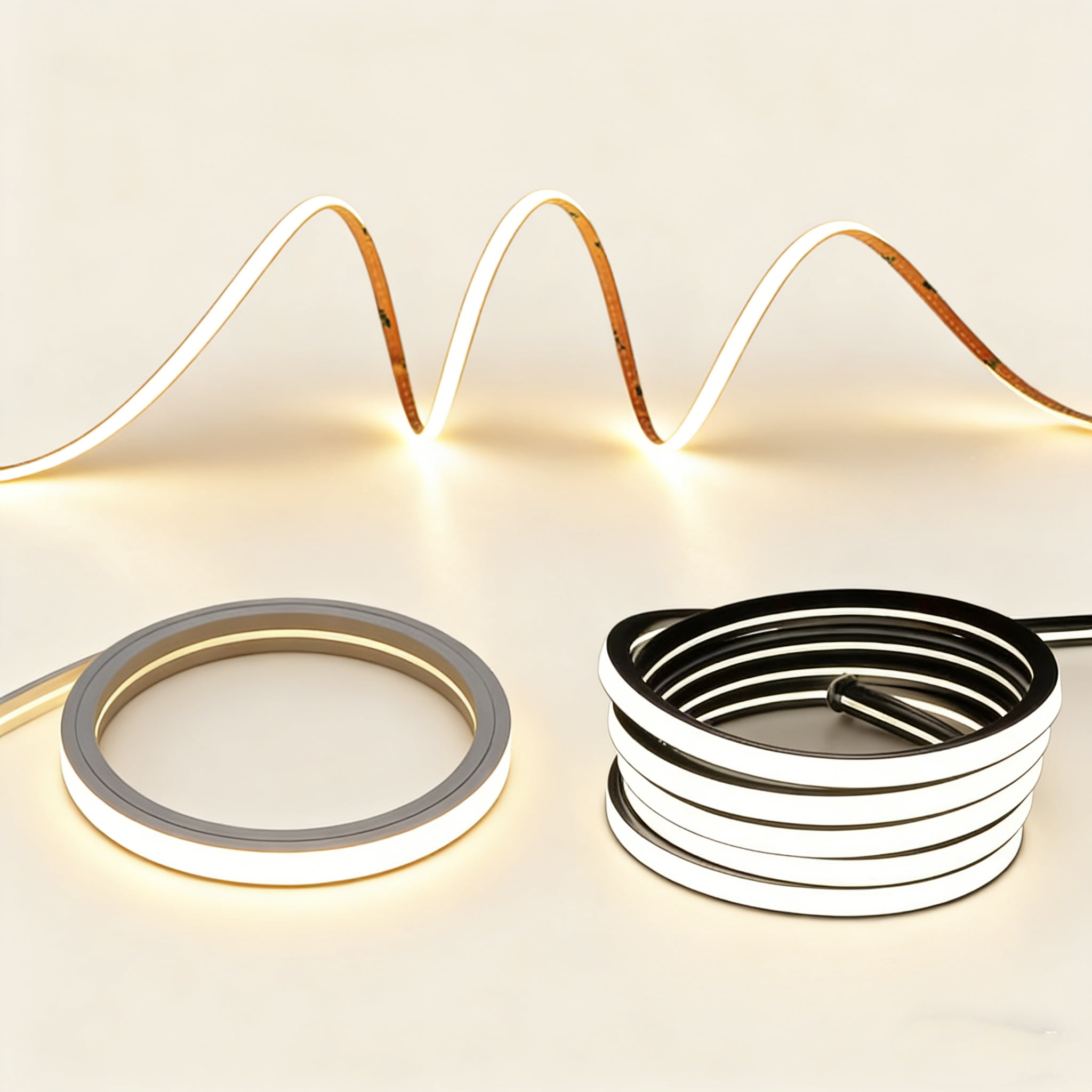
When you're buying 1,000 meters of LED neon for a multi-site project, you need to know the product will look and perform identically whether it's installed in Minnesota in January or Arizona in July.
PVC-based neon becomes brittle in freezing temperatures. Installers report cracking during mounting when ambient temperature drops below 0°C. Acrylic-based neon yellows after 12-18 months of direct sunlight exposure. The product looks great when you install it, then gradually shifts color over time.
Silicone doesn't have these problems. The molecular structure remains stable across extreme temperature ranges. UV exposure doesn't cause yellowing or brittleness. Impact resistance stays consistent over time. This means a wholesale order of silicone neon flex will perform identically in different climate zones and maintain appearance over a 5+ year lifespan.
For distributors serving multiple geographic markets, this matters significantly. You can stock one product specification and sell it confidently across different climate conditions. You don't need separate SKUs for "cold climate" and "hot climate" installations.
A contractor in Canada told me he switched to silicone neon after losing money on PVC-based product that cracked during winter installations. He had been installing traditional LED neon for outdoor signage in Toronto. Every winter, he received callback requests because the neon had developed cracks where the mounting clips created stress points. The PVC couldn't flex at -15°C. It just snapped.
He switched to silicone neon flex and installed similar projects the following winter. No callbacks. No cracks. The silicone remained flexible even at -25°C. He still charged the same installation rate, but his warranty claims dropped to zero. His profit margin improved because he wasn't sending crews back for repairs.
This is what material quality means in wholesale. It's not just about initial appearance. It's about consistent performance over time, across different environments, for every unit in your order.
Conclusion
LED neon signs wholesale isn't about finding the cheapest supplier—it's about finding a manufacturing partner who can deliver identical quality across every unit in your order. When consistency fails, your reputation and profit margins suffer. We built our silicone neon manufacturing process around batch consistency, technical support, and long-term reliability because that's what wholesale buyers actually need.