
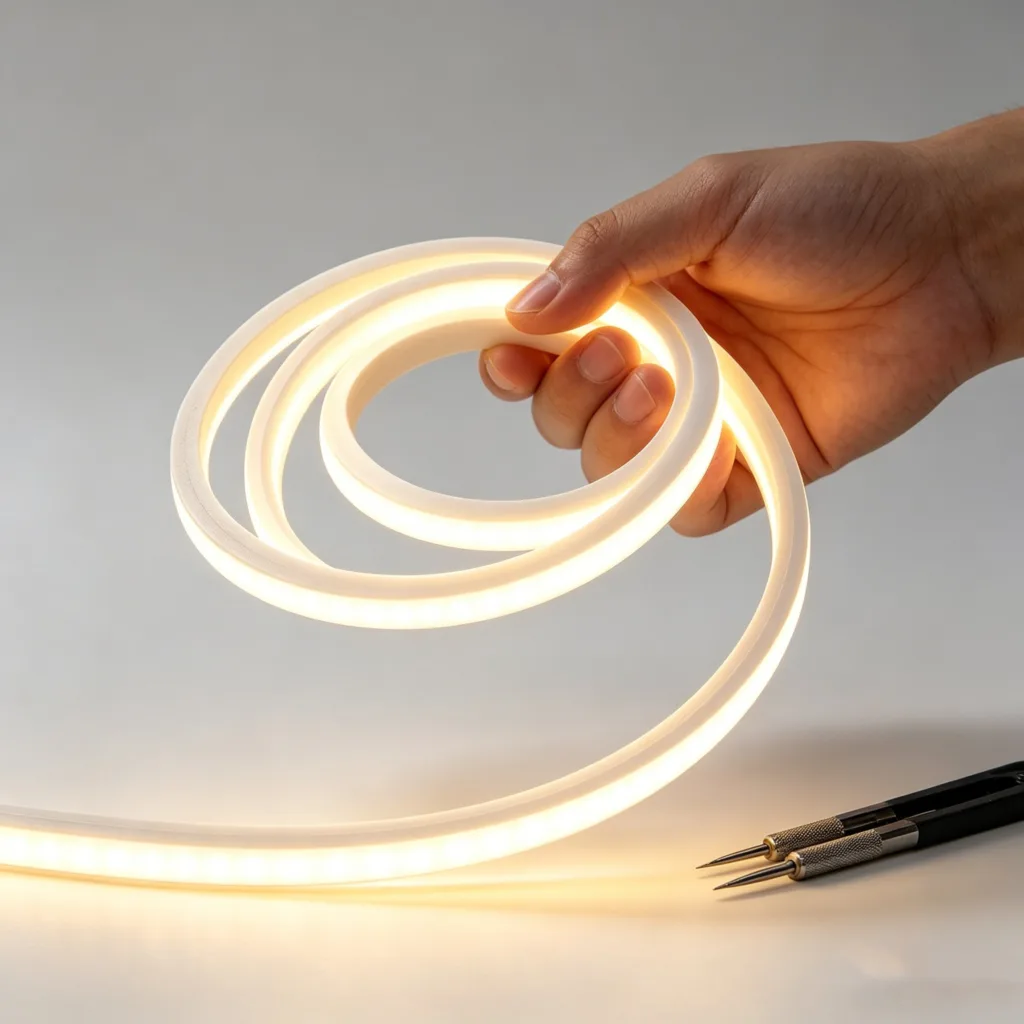
You've probably seen those vibrant, glowing neon signs everywhere — in cafes, bars, storefronts, even in social media photos. They look amazing. But here's what most people don't realize: not all "neon" signs are created equal. The difference between a sign that lasts five years and one that fails in six months comes down to one thing — the LED strips inside.
If you're investing in custom neon LED signs for your business or project, choosing the right LED strip technology isn't just about aesthetics. It's about reliability, performance, and avoiding costly failures. The key factor isn't price — it's whether the product can deliver consistent, stable performance over time.
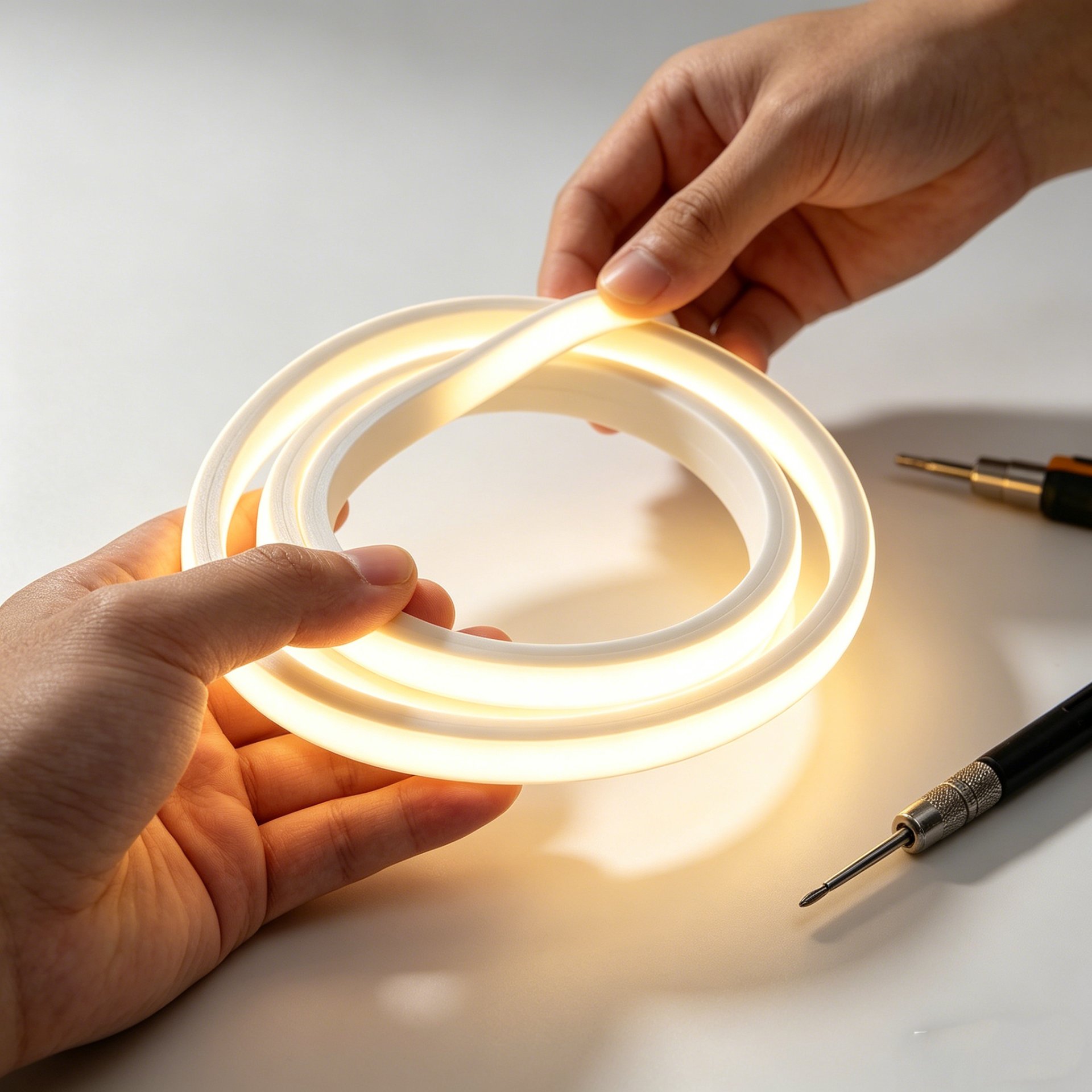
I've worked with hundreds of clients — from retail designers to large-scale contractors — and the most common regret I hear is this: "I wish I had known what to look for before I bought." That's exactly what this article will help you avoid. Let's break down what really matters when you're sourcing LED strips for custom neon signs.
Why Does Reliability Matter More Than Price?
When you're looking at LED strips, the cheapest option can seem tempting. But here's the reality: in real-world applications, failure is expensive.
Let me explain. In projects like retail signage, architectural lighting, or large commercial installations, a strip that fails doesn't just stop working — it creates cascading problems. You face downtime. You need replacements. You lose customer trust. And worst of all, the cost of fixing it often exceeds what you "saved" upfront.
Reliability in LED strips means consistent light output, material stability over time, resistance to environmental conditions, and safe electrical performance. These factors directly impact whether your custom neon sign looks professional today — and still looks professional three years from now.
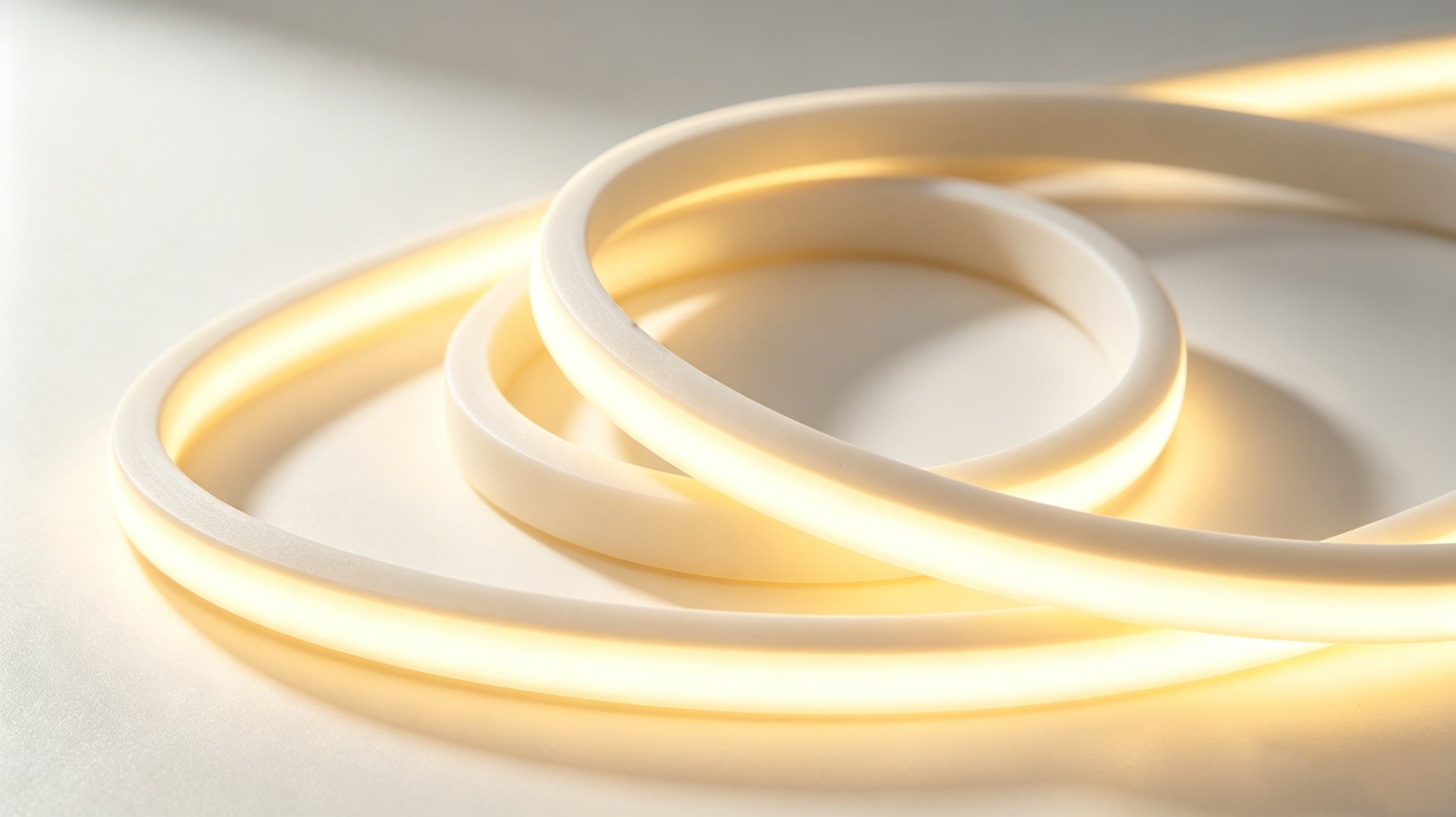
What Actually Makes an LED Strip Reliable?
Here's where most suppliers stop talking. They show you specs. They promise quality. But they don't explain the process behind it.
From my experience working with US and EU markets, I've learned that reliability doesn't come from marketing claims — it comes from engineering discipline. It comes from understanding the specific challenges your project will face and designing solutions for them.
Let me share a real example. A few months ago, we worked with a retail chain that needed LED signage for 50+ storefronts across North America. Their previous supplier had given them cheap strips. Within six months, the signs started dimming unevenly. Some sections turned yellowish. Others failed completely. The replacement cost was over $40,000 — not including labor.
When they came to us, we didn't just sell them a product. We analyzed their installation environment. We customized the silicone material to resist UV exposure. We adjusted the circuit design for stable voltage distribution. And two years later, those signs are still performing exactly as they should. That's what reliability looks like.
| Factor | Why It Matters | What We Do |
|---|---|---|
| Light Output Consistency | Prevents uneven brightness and color shifts | Use high-grade no-spot silicone and precision-controlled extrusion |
| Material Stability | Ensures the strip doesn't yellow, crack, or degrade | 100% food-grade, high-molecular silicone with anti-UV properties |
| Environmental Resistance | Protects against moisture, salt spray, and temperature extremes | IP68 waterproofing and tested from -40°C to +60°C |
| Electrical Safety | Prevents overheating, voltage drop, and circuit failure | Continuous testing during manufacturing and CE/UL certification |
How Do We Ensure Reliability in Every Silicone Neon Strip?
I'm not going to pretend every manufacturer does this the same way. They don't. At Shenzhen Alister Technology, we've built our process around three core principles: engineering, customization, and quality control. Let me walk you through how each one works.
Engineered by an Experienced Technical Team
Our engineers don't just design products. They solve real project challenges. I've seen them sit down with architects and contractors, look at installation drawings, and identify potential failure points before production even starts.
This is what sets us apart. Our team has deep experience in silicone extrusion, optical design, and circuit stability. They understand that a strip used in outdoor signage faces different stresses than one used in indoor retail displays. They design accordingly.

True Customization for Real Applications
Every project is different. That's not a cliche — it's a fact. A boutique hotel lobby has different lighting needs than a highway billboard. A custom logo sign requires different bending angles than a linear architectural accent.
That's why we don't sell "one-size-fits-all" products. We provide fully customized silicone neon solutions:
- Tailored bending directions and sizes to match your exact design specs
- Specific brightness and color requirements including custom CCT tuning
- Installation-friendly structures like pre-wired connectors and mounting channels
This ensures the product fits your project — not the other way around. I've seen too many contractors struggle with products that "almost" work. Almost isn't good enough when you're installing a permanent fixture.
For example, we recently worked with a signage manufacturer who needed a side-view silicone neon strip for intricate logo work. Standard top-view strips wouldn't have given them the precise edge lighting they needed. We engineered a custom profile with 120° side emission and adjustable mounting clips. The result was clean, professional, and exactly what their client envisioned.
Strict Quality Control at Every Step
Reliability isn't built in at the end. It's built in at every stage.
Here's how we do it:
-
Material Selection: We use high-grade, food-safe silicone — not cheap PVC or lower-grade alternatives. This ensures the strip doesn't yellow under UV exposure or become brittle in cold weather.
-
Precision-Controlled Extrusion: Our extrusion lines are calibrated to maintain consistent wall thickness and inner cavity dimensions. This matters because even small variations can cause light spots or weak points.
-
Continuous Testing During Manufacturing: We don't wait until the product is finished to test it. We test thermal performance, voltage stability, and optical uniformity at multiple checkpoints.
-
Final Certification: Every batch is verified against CE, RoHS, and UL standards before it ships.
This isn't just "quality control." It's process discipline. It's the difference between a product that works and a product that keeps working.

What Results Can You Expect from Reliable LED Strips?
I want to share something we often hear from our partners: "It just works — and keeps working."
That might sound simple, but it's everything. It means you install the sign, turn it on, and it performs. No flickering. No color shift. No uneven brightness. And six months later, it's still the same. Two years later, it's still the same.
We've supported clients in retail, hospitality, and architectural lighting projects where performance isn't optional — it's critical. One of our partners, a contractor specializing in large-scale commercial installations, told me this: "Your strips are boring in the best way possible. I install them and forget about them."
That's exactly what reliability means. You don't have to think about it.
Real-World Applications Where This Matters
Let's get specific. Here are scenarios where choosing the right LED strip makes a measurable difference:
- Retail Signage: A store's brand identity depends on consistent, vibrant lighting. A yellowed or dim sign damages that brand.
- Outdoor Advertising: Highway billboards face extreme weather, UV exposure, and temperature swings. Strips that aren't engineered for this will fail.
- Hospitality Lighting: Hotels and restaurants use custom neon signs as part of their atmosphere. Downtime for repairs disrupts the guest experience.
- Architectural Features: Integrated lighting in building facades or public spaces is often inaccessible after installation. Failures require expensive maintenance.
In every one of these cases, the upfront cost difference between a cheap strip and a reliable one is negligible compared to the cost of failure.
| Application | Key Challenge | Why Reliability Matters |
|---|---|---|
| Retail Signage | High visibility, brand consistency | Color shift or dimming damages brand perception |
| Outdoor Advertising | UV exposure, weather extremes | Failure means lost advertising revenue |
| Hospitality Lighting | Aesthetic quality, guest experience | Downtime disrupts atmosphere and operations |
| Architectural Features | Inaccessible after installation | Repairs require scaffolding, permits, and high labor costs |
Our Commitment: More Than Just a Supplier
Here's how I see our role: we're not just a supplier. We're a technical partner in your project.
That means when you contact us, we don't just send you a product catalog. We ask questions. What's the installation environment? What are the performance requirements? What challenges have you faced with previous suppliers?
We do this because we've learned that the best LED strip is the one you never have to worry about. And the only way to achieve that is to understand your project from the start.
Our commitment is straightforward: we deliver silicone neon solutions that are stable, durable, and built for long-term success — backed by real engineering support.
How We Support Your Project
Here's what working with us looks like:
- Initial Consultation: We review your project specs and identify potential challenges.
- Custom Design: Our engineers create a solution tailored to your needs — not a generic product.
- Sample Testing: You test the product in your actual environment before committing to production.
- Production Support: We maintain consistent quality across your entire order, no matter the volume.
- Post-Installation Support: If issues arise (they rarely do), we troubleshoot and resolve them quickly.
This process isn't complicated. It's just thorough. And that's what reliability requires.
Conclusion
The best LED strip for your custom neon sign is the one that performs consistently, resists environmental stress, and doesn't require constant maintenance. That's reliability — and it's the only metric that truly matters. Choose a manufacturing partner who engineers it into every product.