

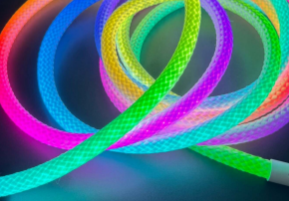
Many people ask: "Can we just plug white and RGB strips together?" The answer seems simple until your building starts looking patchy six months later. I have seen projects where everything worked perfectly at handover, but slowly turned into a visual mess nobody could fix.
Here is the truth most contractors miss: White and RGB strips do not just have different colors. They age differently, heat up differently, and fail in completely different ways. Combining them is not about control compatibility. It is about managing two separate degradation systems that will drift apart over time.
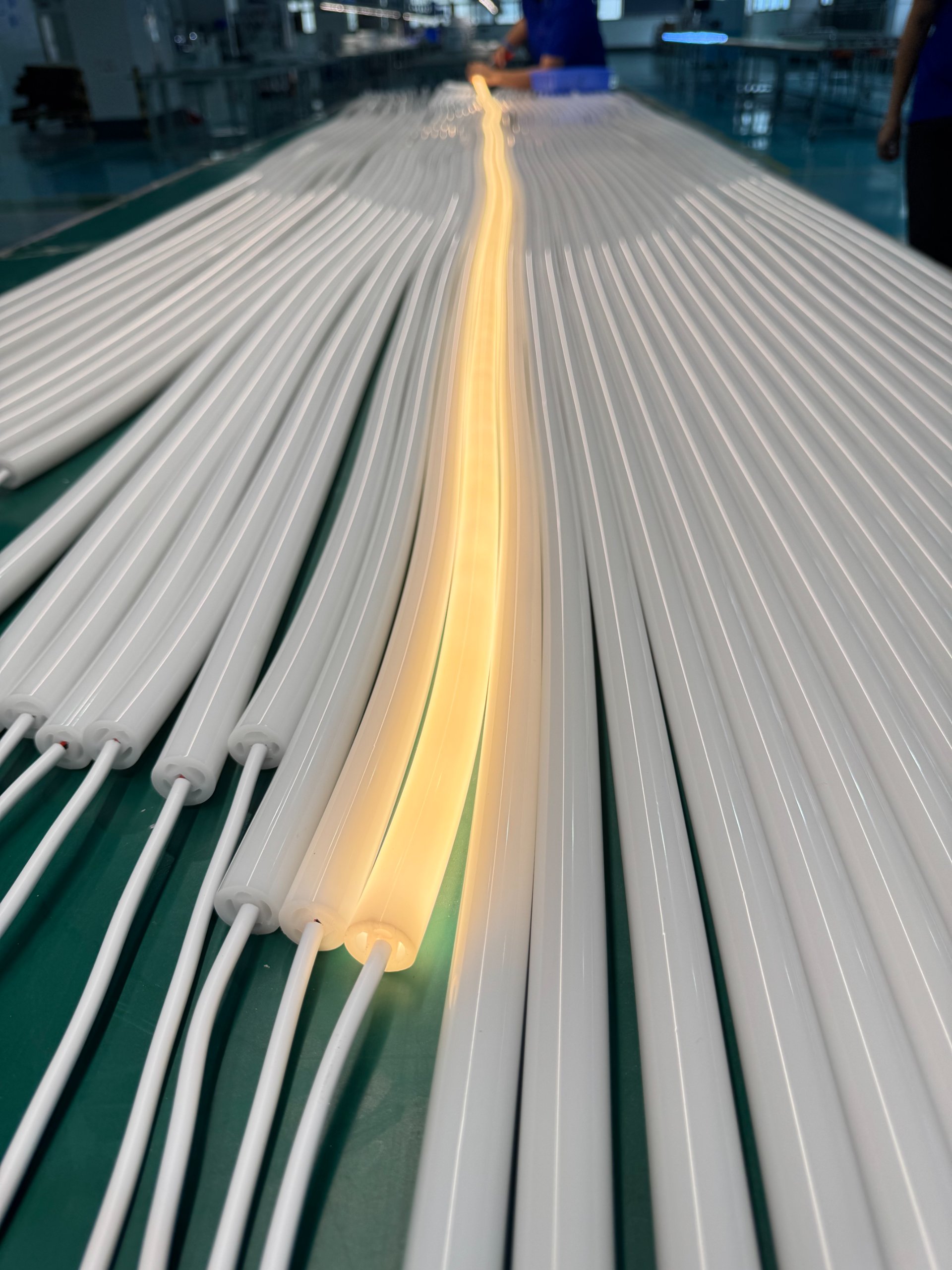
I learned this the hard way on a commercial facade project. Everything looked flawless during the first winter. But when summer came, the colors started shifting. Not failing. Just slowly becoming inconsistent. By month eighteen, the white outlines and RGB dynamic zones no longer felt like they belonged to the same building.
What Makes RGB and White LEDs Fundamentally Different Systems?
Most people think RGB and white LEDs are just variations of the same technology. They are not. They operate on different principles, generate heat differently, and degrade through completely separate mechanisms.
White LEDs use phosphor coatings to convert blue light into a full spectrum. RGB LEDs combine three separate color channels to create mixed light. This means white strips deal with phosphor aging, while RGB strips deal with unequal channel degradation—especially in the blue spectrum.
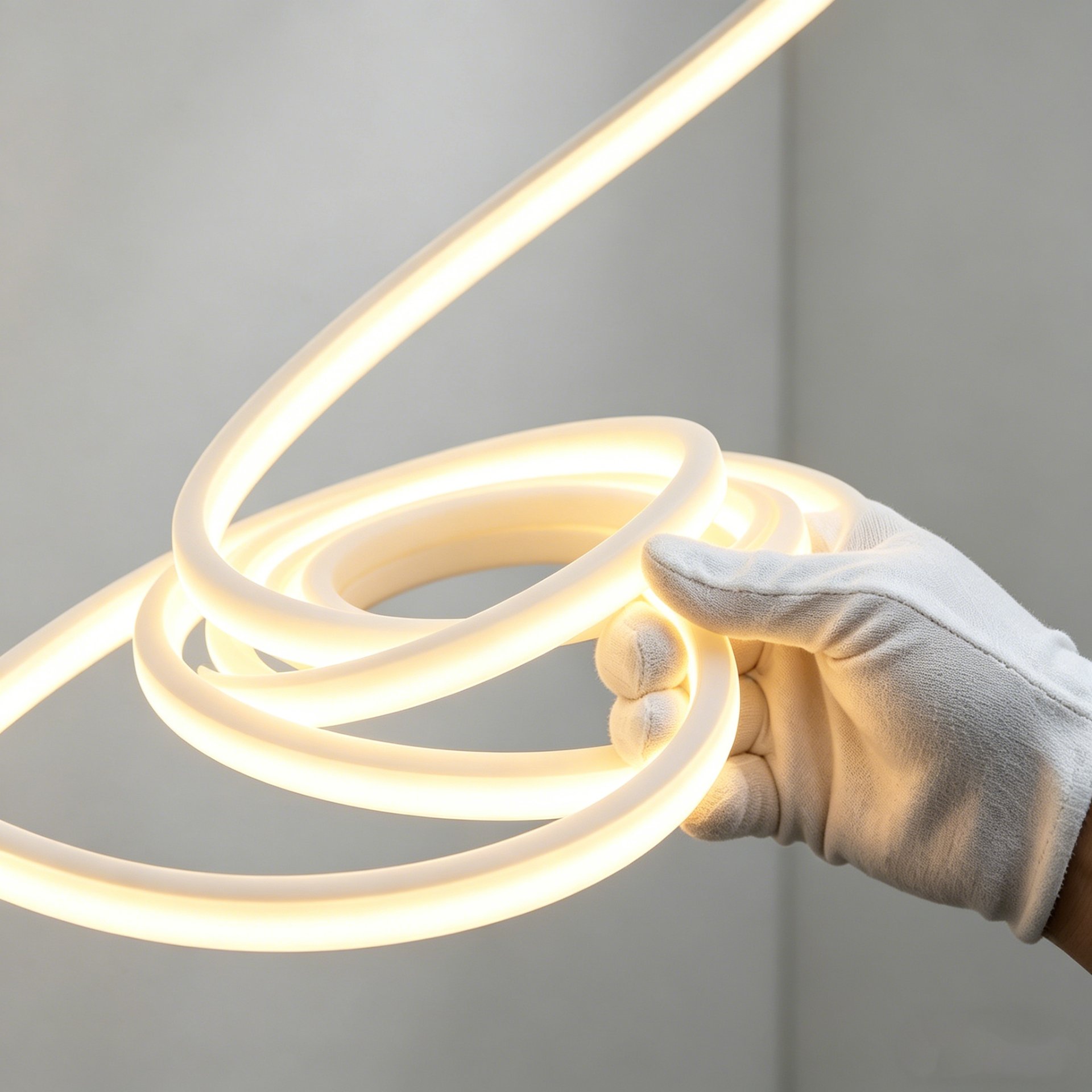
When you combine them in the same installation, you are not just mixing colors. You are mixing two different thermal profiles, two different electrical load patterns, and two different long-term failure modes. The problem is not visible on day one. It shows up months later when one system starts drifting faster than the other.
White LEDs typically fail by yellowing or dimming gradually. RGB LEDs fail by losing color balance—usually the blue channel first. So even if both systems are still working, they stop looking like they belong together. The building owner sees inconsistency, not failure. And inconsistency is much harder to explain than a broken light.
I now treat white and RGB as completely separate subsystems that happen to share the same control protocol. They need independent thermal management, separate degradation monitoring, and different maintenance schedules. Trying to treat them as a single system is the fastest way to ruin a long-term project.
Why Do RGB Systems Age Faster Than White Systems?
RGB strips put much more stress on their drivers and silicon enclosures than white strips. This is because RGB systems constantly shift between color channels, creating dynamic thermal cycles that white strips never experience.
Every time an RGB system transitions from red to blue, the electrical load shifts between different LED chips. This creates localized hotspots that accumulate thermal fatigue over thousands of cycles. White LEDs run at steady power levels, so they generate consistent, predictable heat.
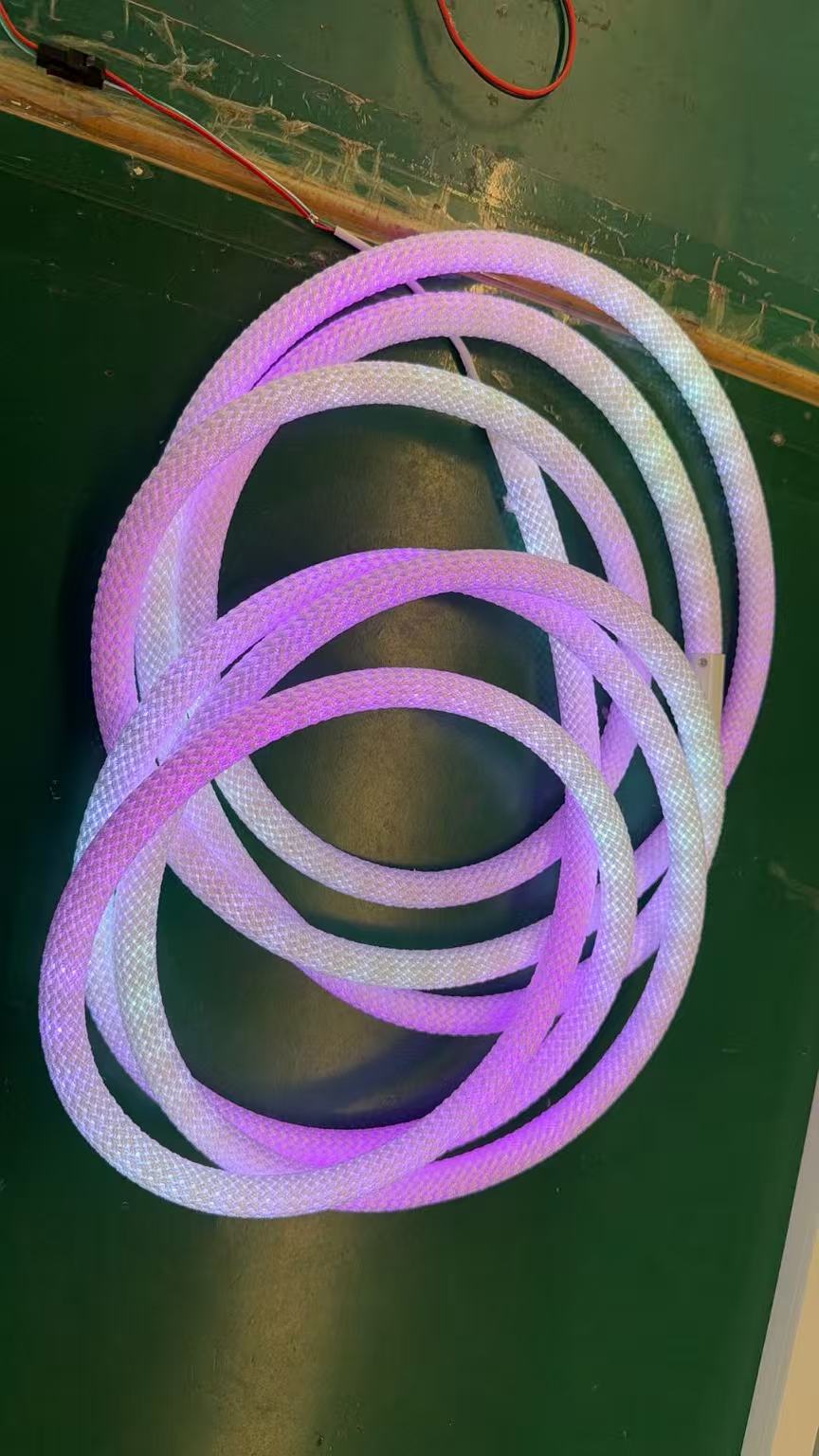
The silicone extrusion that protects the LEDs also degrades differently under RGB use. Blue wavelengths have higher energy than red or green, so they cause more UV-induced breakdown in the silicone matrix. Over time, the blue channel loses more light transmission than the other channels. The result is not a broken strip. It is a strip that slowly shifts toward yellow-green tones because blue output drops faster.
I have measured this effect on outdoor installations. After 5000 hours in direct sunlight, RGB strips can lose up to 15 percent more blue output than red or green. White strips in the same conditions lose overall brightness, but they maintain color temperature much better because the phosphor layer compensates for some of the blue loss.
Another factor is voltage drop. In long RGB runs, the voltage drop affects each color channel differently because they draw different currents. Red LEDs typically have lower forward voltage than blue LEDs, so they suffer less from voltage sag at the far end of the strip. The result is that distant sections of an RGB installation start shifting warmer, even if the controller is sending the same signal.
This is why I never use RGB and white strips in the same visual zone without independent power injection points. If I need them to stay synchronized for three years, I design separate power distribution for each system. It costs more upfront, but it avoids the slow color drift that ruins high-end projects.
How Does Phosphor Aging in White LEDs Differ From RGB Channel Imbalance?
White LED strips rely on phosphor coatings to create their color output. These phosphors degrade slowly under heat and UV exposure, causing the color temperature to shift over time. This is a predictable, gradual process that affects the entire strip uniformly.
RGB strips do not use phosphors. They combine raw red, green, and blue emissions. Each color channel has a different degradation rate, and blue always fails first. This creates an unpredictable color shift that varies across the installation depending on local thermal conditions.

I have seen white strips maintain acceptable color temperature for 30,000 hours in outdoor installations. The shift is gradual—maybe 200K warmer over two years—but it happens evenly across the entire run. Clients usually do not notice because the change is slow and uniform.
RGB systems behave completely differently. After 10,000 hours, sections exposed to higher temperatures start losing blue output faster than cooler sections. The result is visible patchiness. Some zones look correct, others look yellowish-green, and the transitions between them are obvious. It is not a failure. It is a calibration drift that cannot be fixed without replacing sections of the strip.
The deeper problem is that phosphor aging in white LEDs is temperature-dependent but fairly linear. You can model it and predict when maintenance will be needed. RGB channel imbalance depends on thermal history, duty cycle, and local airflow patterns. Two identical strips in the same building can age at completely different rates if one is mounted behind a ventilation outlet and the other is in a sealed corner.
This is why I never promise long-term color accuracy on mixed RGB-white projects unless the client agrees to periodic recalibration. I build in color correction capability at the controller level so we can compensate for drift as it happens. But most clients do not budget for annual tuning, so they end up with installations that look worse every year.
What Happens to Silicone Extrusions Under Long-Term RGB Use?
The silicone body that protects LED strips is not inert. It slowly degrades under UV exposure, thermal cycling, and chemical contamination from the environment. But the degradation rate depends heavily on the wavelengths passing through it.
Blue light has shorter wavelengths and higher photon energy than red or green. This means blue LEDs accelerate UV-induced breakdown in the silicone matrix faster than other colors. Over time, the silicone starts yellowing and losing transparency—but the loss is not uniform across the spectrum.
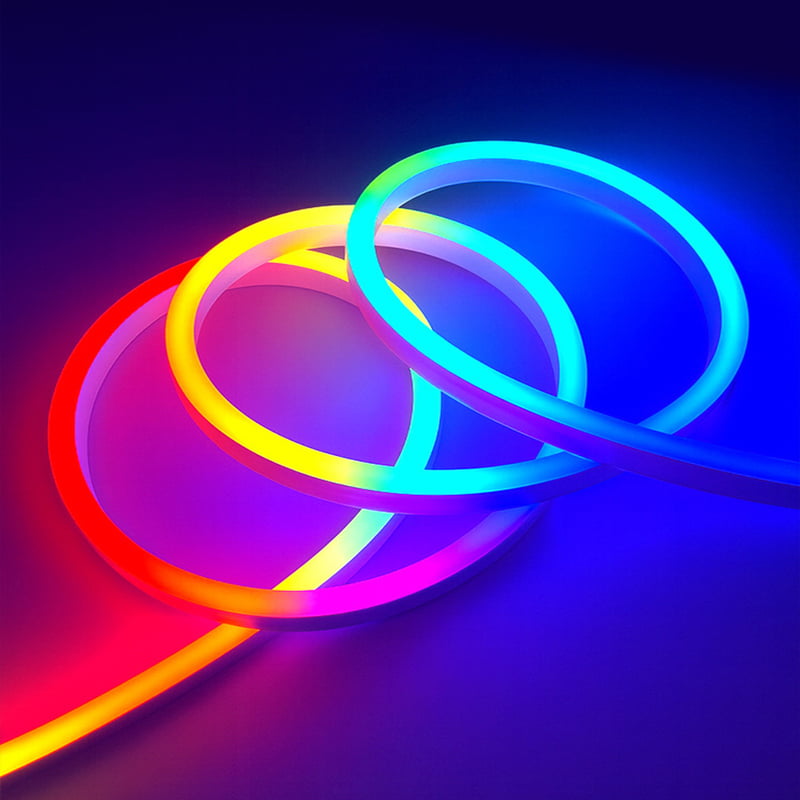
I have cut open aged RGB strips and tested them with a spectrometer. The silicone that was exposed to blue wavelengths showed measurably higher yellowing and lower light transmission than sections that ran mostly red or green. This creates a feedback loop: as the silicone yellows, it blocks more blue light, which accelerates the perceived color shift even if the LEDs themselves are still healthy.
White LED strips experience this too, but the phosphor layer inside the LED package partially compensates for silicone yellowing by maintaining overall color balance. RGB strips have no such compensation. Once the silicone starts blocking blue wavelengths preferentially, the only fix is to replace the strip or apply a higher blue output at the controller level—which accelerates aging even more.
Outdoor RGB installations in high-UV environments are especially vulnerable. I have seen coastal projects where RGB strips lost 20 percent of their blue output in the first 18 months, not because the LEDs failed, but because the silicone degraded under salt spray and direct sunlight. The white strips in the same installation looked fine because their color rendering did not depend on short-wavelength transparency.
This is why I now specify UV-stabilized, anti-yellowing silicone extrusions for any RGB project with a lifespan longer than two years. It costs 15-20 percent more, but it extends useful color life by at least 50 percent. And I always warn clients that RGB systems in harsh environments will need earlier replacement than white systems, no matter what silicone we use.
How Do Voltage Drops Affect RGB and White Strips Differently?
Voltage drop is a well-known problem in long LED runs. As current travels through the copper traces inside the strip, resistance causes the voltage to sag. This reduces brightness at the far end of the installation. But voltage drop affects RGB and white strips in completely different ways.
White LED strips lose brightness uniformly as voltage drops. The color temperature stays mostly stable because all the LEDs dim together. RGB strips lose color balance because each color channel has different forward voltage requirements. Blue LEDs need higher voltage than red LEDs, so they dim faster when supply voltage drops.

I have measured this on 10-meter RGB runs with single-ended power injection. At the far end, the blue channel can be 30 percent dimmer than at the near end, while red is only 10 percent dimmer. The result is a visible color shift from cool white to warm yellow as you move down the strip. Controllers compensate by increasing blue output, but this makes the near end too blue and accelerates aging at the high-power sections.
White strips do not have this problem because they use a single LED type. Voltage drop causes dimming, but it does not cause color shift. I can run white strips 15 meters on single-point power and get acceptable uniformity. The same run with RGB requires power injection every 5 meters to maintain color accuracy.
The economic impact is significant. Mixed RGB-white projects need much denser power distribution for the RGB zones, which increases installation cost and complexity. Many contractors underestimate this and end up with projects where the RGB sections look progressively warmer toward the ends. Clients interpret this as defective product, but it is actually a design flaw.
I now treat RGB voltage drop as a color calibration issue, not just a brightness issue. I calculate worst-case voltage sag for each color channel separately and design power injection points to keep all channels within 5 percent of nominal voltage. This usually means power injection every 3-5 meters for RGB, compared to 10-15 meters for white. It is more expensive, but it is the only way to maintain long-term color consistency.
What Are the Hidden Costs of Mixing RGB and White Systems?
Most project budgets focus on hardware costs—the strips, controllers, and power supplies. But the real cost of mixing RGB and white systems shows up later in maintenance, recalibration, and client dissatisfaction.
Mixed RGB-white systems require independent thermal management, separate power distribution, and periodic color recalibration. These hidden costs can add 30-50 percent to the total cost of ownership over a three-year period.
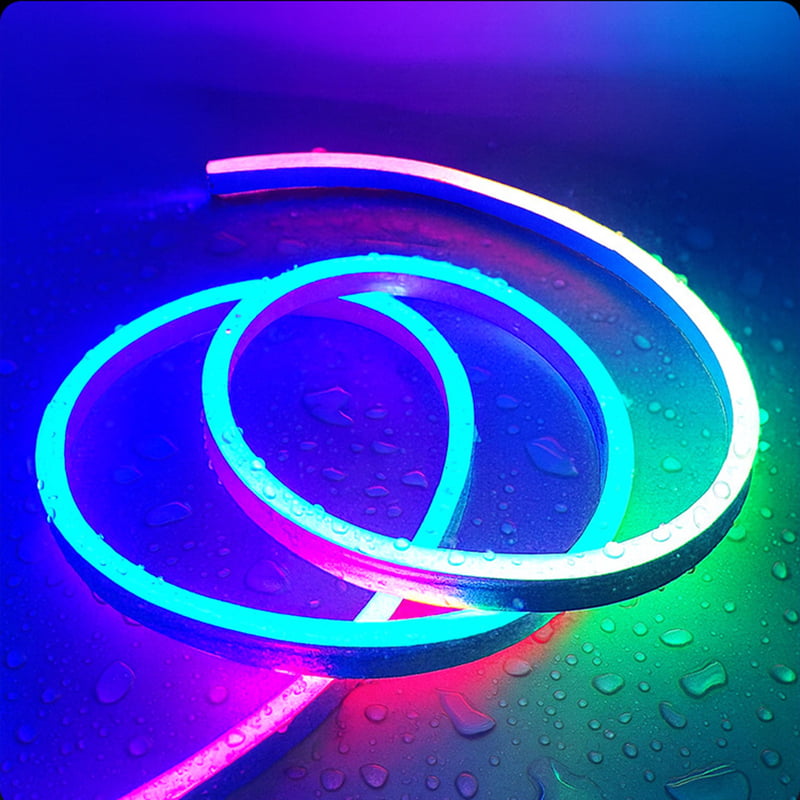
I have tracked long-term costs on several projects. A typical mixed system requires two to three service visits in the first 18 months just for color tuning. Each visit costs labor, travel, and often requires specialized equipment like calibrated spectrometers. Clients expect this to be covered under warranty, but warranty only covers failures, not gradual drift.
Then there is the replacement cost. RGB strips age faster than white strips, so they need replacement sooner. But most clients do not budget for phased replacement. They assume everything will last the same amount of time. When RGB sections start looking bad after two years while white sections still look good, clients feel deceived even though the technical reality was explained upfront.
The biggest hidden cost is reputation damage. When a building starts looking inconsistent, the client blames the installer, the installer blames the manufacturer, and the manufacturer blames installation conditions. Nobody wins. I have seen contractors lose future business because of color drift issues that were predictable from day one but never properly communicated to the client.
This is why I now build maintenance contracts into mixed RGB-white projects from the beginning. I charge an annual service fee that covers color recalibration, spot replacements, and driver adjustments. Clients resist this initially, but it protects everyone when the inevitable drift starts showing up. And it forces an honest conversation about long-term expectations before the project starts.
How Should RGB and White Systems Be Thermally Managed in the Same Installation?
Thermal management is not optional in long-term LED projects. It is the single biggest factor determining how well RGB and white systems stay synchronized over time. And they cannot share the same thermal strategy.
RGB systems generate dynamic heat loads that spike during color transitions. White systems generate steady, predictable heat. Mixing them on the same heat sink creates thermal cross-contamination that accelerates aging in both systems.
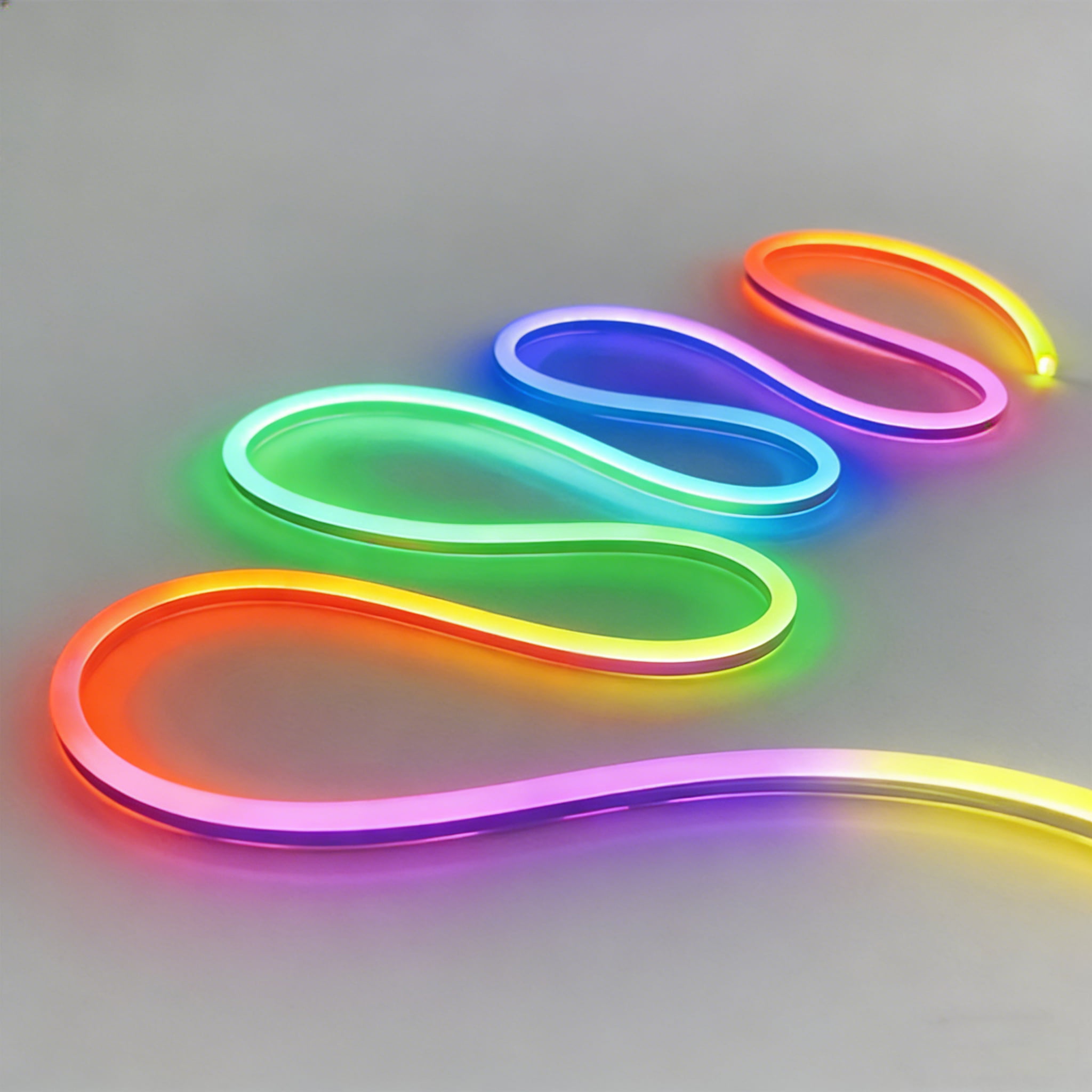
I have used thermal imaging to study mixed installations. During an RGB color sweep, localized hotspots appear and disappear within seconds. These transient thermal spikes do not show up in steady-state thermal modeling. White sections mounted nearby experience thermal cycling they were never designed for, which accelerates their phosphor aging.
The reverse is also true. White strips running at constant power generate steady background heat that raises the baseline temperature of nearby RGB strips. This reduces the thermal headroom available for RGB dynamic loads, causing earlier throttling and faster degradation.
The solution is independent thermal paths. I mount RGB and white strips on separate extrusions with their own convective cooling channels. This costs more in installation labor, but it isolates each system's thermal behavior. RGB strips can spike and cool without affecting white strips, and white strips can run steady without preheating RGB zones.
For high-end projects, I use active cooling on RGB zones. Small fans or liquid cooling loops keep RGB temperatures below 50°C even during full-power dynamic scenes. White zones use passive cooling because their thermal loads are predictable. This asymmetric approach costs more upfront but extends system life by 50 percent or more.
I also design separate dimming curves for RGB and white zones. White strips dim linearly with PWM, but RGB strips need gamma correction to maintain color balance at low brightness. If they share the same dimming profile, one system will always look wrong. Independent control gives me the flexibility to tune each system for optimal long-term performance.
What Role Does Controller Calibration Play in Long-Term Color Stability?
Controllers are not just switches. They are the only tool available for compensating for the inevitable drift that happens in mixed RGB-white systems. But most controllers ship with generic calibration that assumes all LEDs age uniformly. They do not.
Effective long-term color management requires periodic recalibration of RGB channels to compensate for differential aging. White strips need brightness adjustment, but RGB strips need per-channel correction that varies by installation zone.

I now build recalibration into project planning from the start. At 6, 12, and 24 months, I return to the site with a calibrated light meter and measure output in each zone. Then I adjust RGB channel levels in the controller to bring everything back into visual alignment. This is not covered by warranty, so it is part of the maintenance contract.
The first recalibration usually happens around month 6-8, when blue channel loss becomes noticeable. I increase blue output by 5-10 percent across the board, with higher boosts in thermally stressed zones. This brings color balance back to specification, but it also increases blue LED stress, which accelerates the next drift cycle.
By month 18, differential aging between zones becomes the bigger problem. Some areas need 15 percent blue boost, others need only 5 percent. At this point, I start using zone-level correction, which requires a more sophisticated controller. Clients rarely budget for this level of control upfront, so I have to negotiate upgrades mid-project.
The alternative is to accept visible drift and plan for phased replacement. Some clients prefer this because it avoids ongoing maintenance costs. But it means the installation will look progressively worse until sections are replaced. For high-visibility projects, this is not acceptable.
I now specify controllers with at least 8-zone independent calibration capability on all mixed RGB-white projects. It costs more, but it is the only way to manage long-term drift without replacing hardware. And I make sure clients understand that calibration is not optional—it is the price of maintaining visual quality over time.
Can Silicone Extrusions Be Upgraded to Extend RGB Lifespan?
Standard silicone extrusions work fine for white LED strips, but they are marginal for long-term RGB use. The problem is UV stability. Most silicone formulations yellow over time under short-wavelength exposure, and blue LEDs generate exactly that.
High-end silicone extrusions use UV-stabilized additives and anti-yellowing compounds that significantly extend blue light transmission. These cost 20-30 percent more than standard silicone, but they can double the useful life of RGB installations in harsh environments.
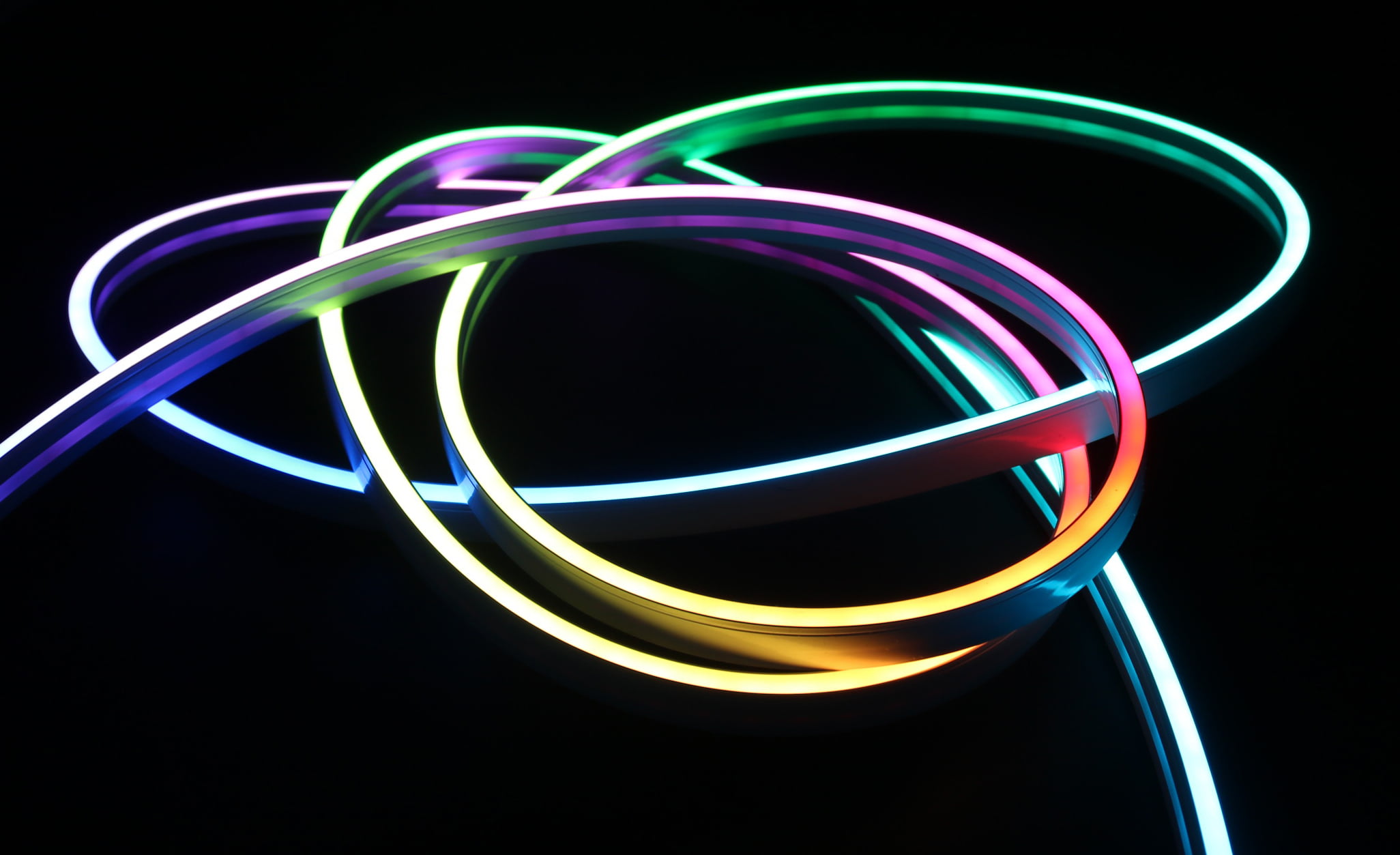
I started using upgraded silicone after seeing too many RGB projects fail prematurely. The first sign is always blue loss—not because the LEDs died, but because the silicone stopped letting blue light through.