

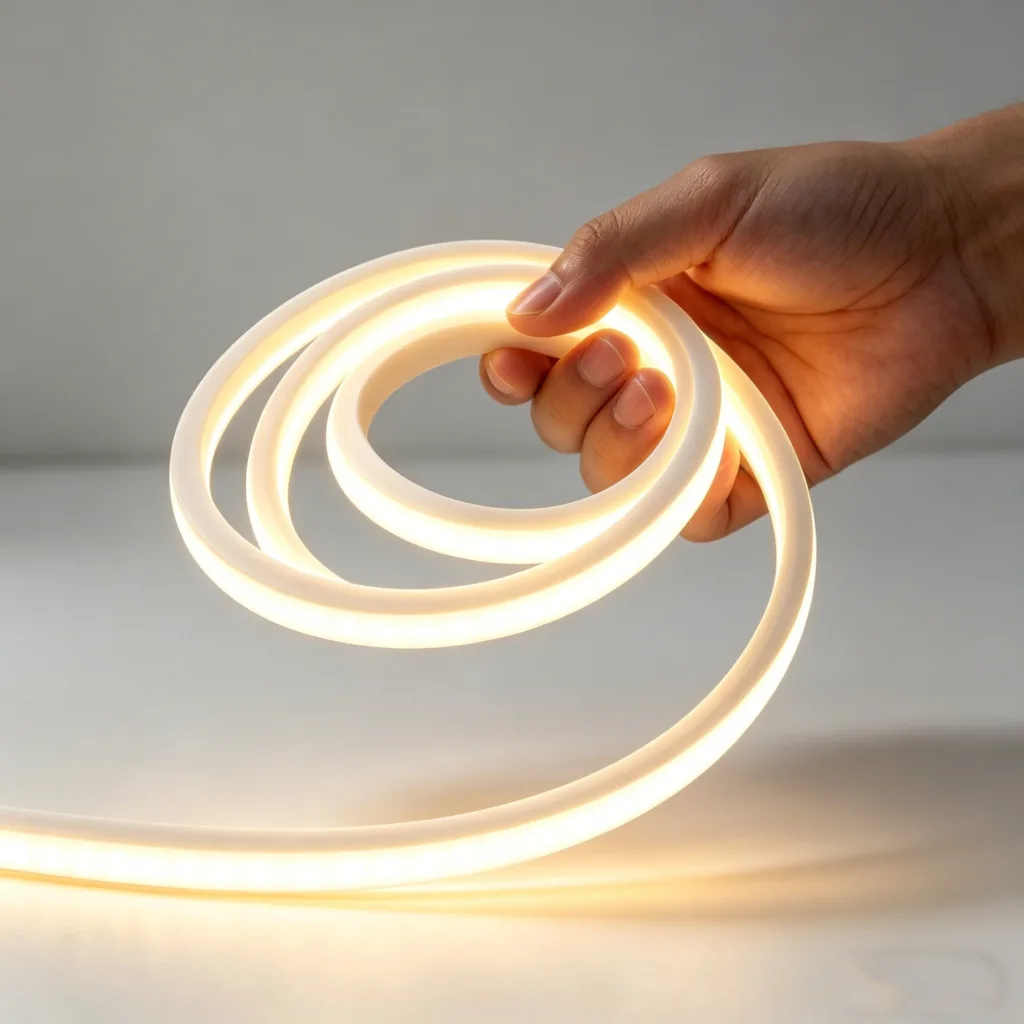
Many people think about LED commercial outdoor lighting and controls as separate elements. The lights are just lights. The controls are add-ons. The system is another layer. But if you have worked on large-scale outdoor projects, you know the truth. Control systems are not "optional features." They directly affect how your fixtures age and fail. The real failure point in outdoor lighting projects is not the fixture itself. It is how the control strategy reshapes the thermal, electrical, and optical operating boundaries over time.
Control systems do not just adjust brightness. They rewrite the entire lifespan curve of your LED fixtures. Every dimming cycle, every scheduling change, and every zoning decision alters driver load patterns, LED junction temperature ranges, and material stress release rhythms. This means your control system defines how your fixtures age, not just how they perform.
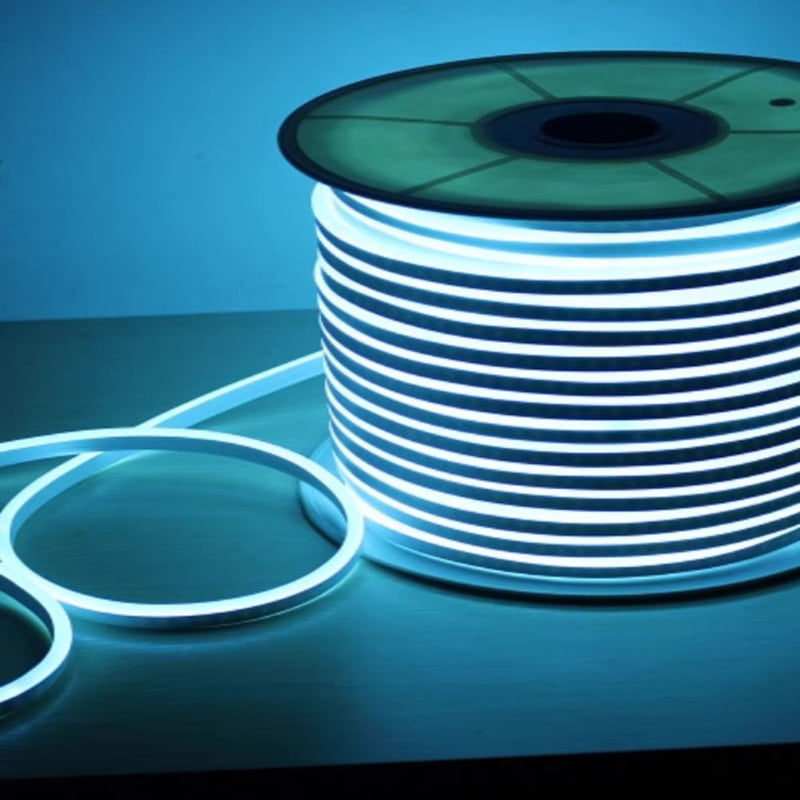
At our company in Shenzhen, we have supported hundreds of commercial outdoor lighting projects. We see the same pattern repeat. Contractors select high-quality fixtures. They install advanced control systems. The project launches successfully. Then, within six to ten months, visual instability appears. The fixtures are not broken. The control system is "working." But the system is no longer stable. This is not about product defects. It is about design philosophy. If your control system is not designed with lifespan variables in mind, you are building a system that accelerates aging instead of managing it.
What Is the Hidden Problem in Most LED Commercial Outdoor Lighting and Controls Projects?
Most engineers treat control systems as performance tools. They focus on dimming curves. They optimize zone logic. They integrate smart scheduling. But they miss the deeper issue. Every time you change a control strategy, you change the way your fixtures operate at a fundamental level. You alter driver load curves. You shift LED junction temperature ranges. You increase the frequency of thermal cycling. You modify the stress release patterns inside your materials. The control system is not just adjusting light output. It is actively participating in how your fixtures degrade over time.
Control systems do not just "control light." They control aging speed, thermal stress patterns, and long-term system stability. If you design controls only for visual effects, you are ignoring the engineering reality that every dimming strategy changes how your fixtures fail.
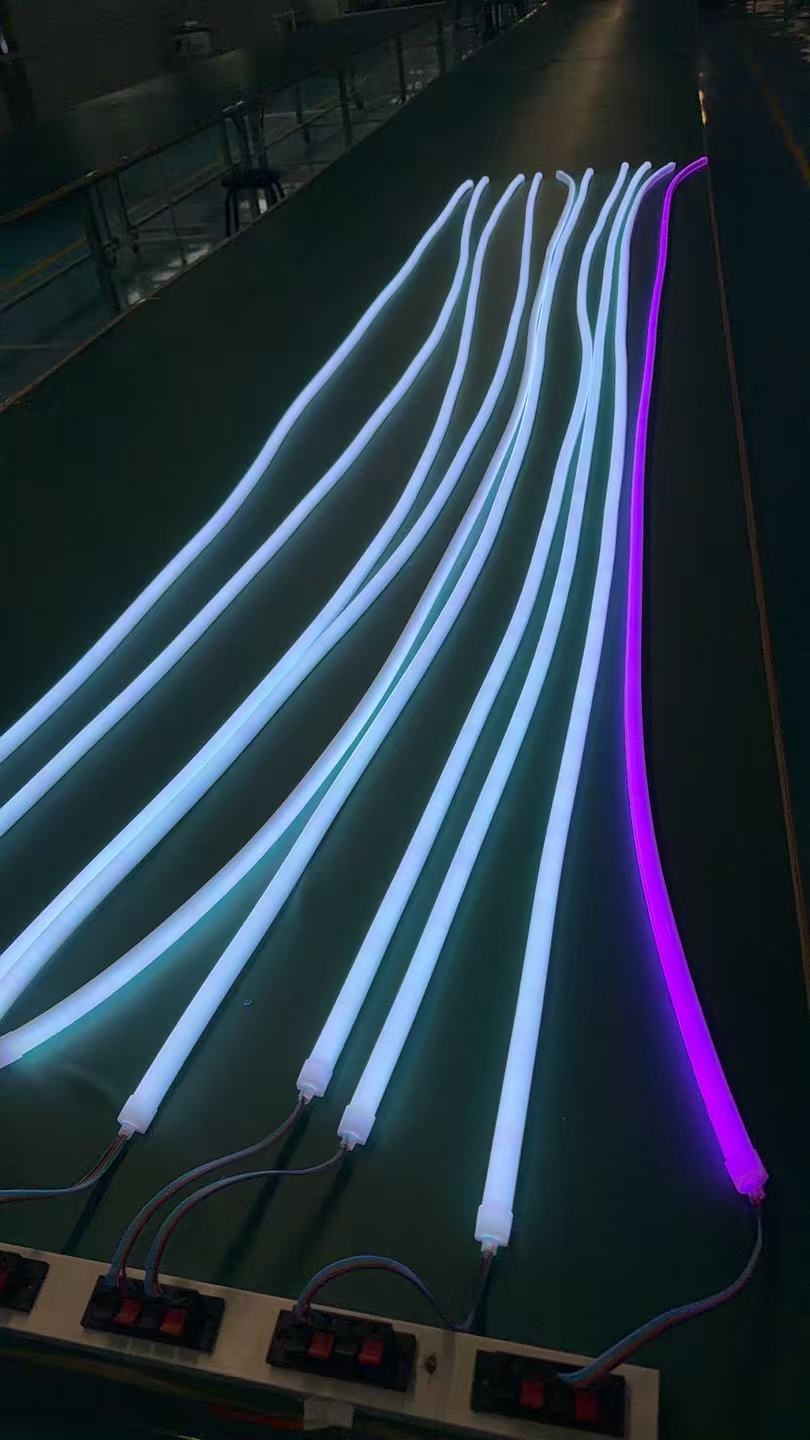
I worked with a commercial plaza project last year. The client installed a unified LED outdoor lighting system with DMX control and smart dimming. During the sample phase, everything worked perfectly. The fixtures were stable. The dimming was smooth. The zoning logic was clear. The project was delivered on time. Then, two months into operation, problems started. Some areas showed uneven brightness. Landscape light strips developed intermittent dimming fluctuations. Different zones had out-of-sync breathing effects. Some fixture drivers showed abnormal temperature rise. By month six, the issues had multiplied. The automatic dimming strategy did not match the real-world load patterns. Long periods of low-load operation caused driver electrolytic capacitors to age prematurely. Frequent dimming increased LED thermal cycling. Voltage fluctuations were amplified over long-distance circuits. Different fixture brands had different response times. The result was not "broken fixtures." It was a system that was constantly changing how the fixtures operated. The control system was forcing the fixtures to work outside their stable boundaries.
Why Do Control Systems Rewrite Fixture Lifespan Curves?
Let me explain this from a materials and engineering perspective. Every LED fixture has a designed lifespan curve. This curve assumes certain operating conditions. It assumes a certain driver load range. It assumes a certain thermal cycling frequency. It assumes a certain current ripple pattern. When you introduce a control system, you change all of these assumptions. A dimming strategy might lower the average load. But it also shifts the driver into a non-linear efficiency zone. A dynamic color-changing sequence might create rapid thermal cycling. But it also increases solder joint fatigue. A long-distance zoning system might balance visual effects. But it also amplifies voltage drop variations. The fixture itself might be high-quality. But the control system is forcing it to operate in a way that accelerates degradation.
| Control Action | Impact on Fixture Lifespan | Long-Term Risk |
|---|---|---|
| Frequent Dimming (>10 cycles/hour) | Increases thermal cycling frequency | Solder joint fatigue, accelerated light decay |
| Long-Term Low Load (<30% brightness) | Shifts driver into non-optimal efficiency zone | Electrolytic capacitor aging, unstable output |
| Dynamic Color Changing | Creates rapid junction temperature swings | Material stress accumulation, premature failure |
| Long-Distance Zoning | Amplifies voltage drop under dynamic load | Uneven brightness, flicker, driver instability |
| High-Frequency PWM Dimming (>1kHz) | Introduces ripple current into LED string | Increased heat generation, reduced L70 time |
This table shows that control systems are not neutral. They are active participants in fixture aging. If you design a control strategy without modeling its impact on thermal, electrical, and material stress, you are building a system that looks good during commissioning but degrades rapidly during operation. The key is not to avoid controls. The key is to design controls that work within the stable operating boundaries of your fixtures.
How Does a Control System Turn a Stable Fixture Into an Unstable System?
Let me walk you through a typical failure scenario. A large-scale commercial outdoor lighting project uses unified LED fixtures, DMX control, and smart dimming. The project has three zones: building facade, landscape lighting, and pathway illumination. The control system is programmed to adjust brightness based on time of day, occupancy sensors, and seasonal schedules. During the first two months, everything works perfectly. The visual effects are stunning. The client is happy. The contractor moves on to the next project.
Then problems start to appear. The building facade develops uneven brightness in certain sections. The landscape lighting shows intermittent dimming fluctuations. The pathway lights have out-of-sync breathing effects. Some drivers show abnormal temperature rise. By month six, the issues have multiplied. The control system's automatic dimming strategy does not match the real-world load patterns. Long periods of low-load operation cause driver electrolytic capacitors to age prematurely. Frequent dimming increases LED thermal cycling. Voltage fluctuations are amplified over long-distance circuits. Different fixture brands have different response times. The result is not "broken fixtures." It is a system that is constantly changing how the fixtures operate.
The real problem is not that the control system failed. The problem is that the control system was never designed to manage the lifespan variables it was introducing. It was designed for visual effects, not for engineering stability.
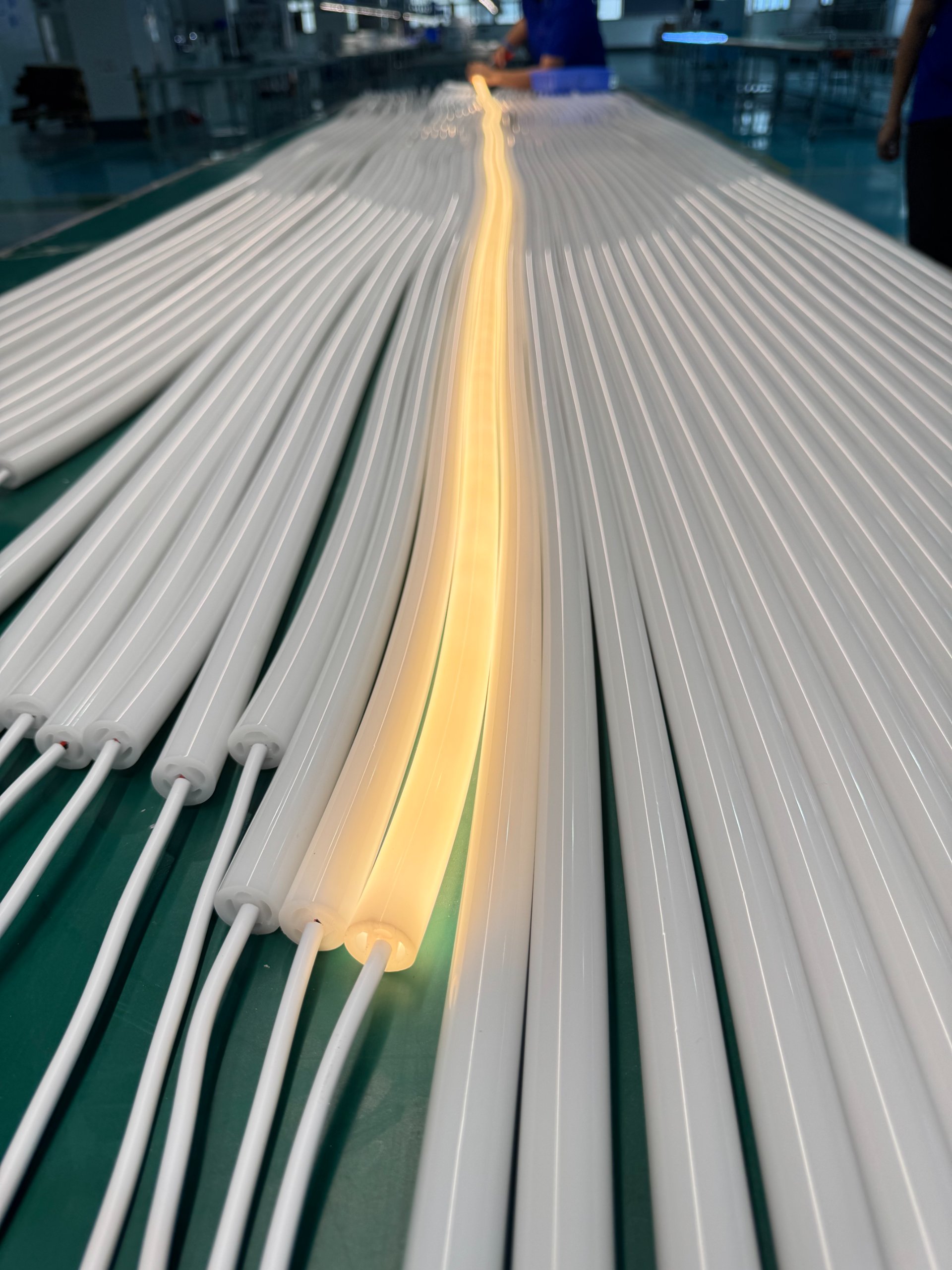
When we analyzed this project, we found that the root causes were not single-point failures. They were systemic design gaps. The dimming strategy did not account for driver thermal lifespan curves. The DMX zoning control caused frequent load transitions. Low-brightness operation kept the drivers outside their optimal efficiency range. Line voltage drop was amplified under dynamic control. Different fixture brands had different response delays. There was no unified electrical-thermal coupling model. The control system was designed to "look good." It was not designed to "age predictably."
What Are the Core Variables That Control Systems Must Manage?
If you want to design LED commercial outdoor lighting and controls that last, you must reverse your thinking. You cannot start with "how smart can this system be?" You must start with "how stable can this system stay over time?" This means designing control strategies around engineering constraints, not just visual goals. Here are the core variables you must manage:
Driver Load Curves and Thermal Lifespan: Every driver has an optimal load range. This range is where the driver operates with the lowest heat generation, the highest efficiency, and the longest lifespan. When you dim below this range, the driver shifts into a non-linear zone. Efficiency drops. Heat generation per unit output increases. Electrolytic capacitor stress accelerates. Your dimming strategy must stay within the driver's optimal load window. If you run at 20% brightness for extended periods, you are not "saving energy." You are accelerating driver aging.
Thermal Cycling Frequency and Material Fatigue: Every time you turn a fixture on or off, or every time you dim it up or down, you create a micro thermal cycle. The LED junction heats up. The solder joints expand. The silicone encapsulation shifts. When the fixture cools down, everything contracts. This is normal. But if you repeat this cycle too frequently, you create cumulative fatigue. Solder joints crack. Wire bonds weaken. Silicone adhesion degrades. Your control system must limit high-frequency switching. It must avoid unnecessary dynamic effects. It must reduce thermal cycling frequency to match material endurance limits.
Voltage Drop and Dynamic Load Balancing: Long-distance outdoor lighting circuits always have voltage drop. This is unavoidable. But control systems can amplify this problem. If you zone your lighting without considering load distribution, you create scenarios where one zone draws peak current while another zone is idle. This creates dynamic voltage variations. The fixtures at the end of the circuit see lower voltage during high-load periods. They see higher voltage during low-load periods. This inconsistency causes visual flicker, uneven brightness, and driver instability. Your control system must include dynamic load balancing. It must distribute load evenly across circuits. It must compensate for voltage drop in real time.
Control Response Time and Brand Compatibility: If you mix different fixture brands in the same control system, you will face response time mismatches. One brand responds to a dimming command in 100ms. Another brand takes 300ms. The result is visual lag. Zoning effects look uncoordinated. Breathing patterns are out of sync. This is not a defect. It is a lack of unified response modeling. Your control system must standardize dimming curves. It must synchronize response delays. It must ensure that all fixtures react to commands at the same speed.
Lifespan-Driven Control Boundaries: The most mature control systems do not maximize flexibility. They impose limits. They limit maximum dimming frequency. They restrict minimum operating brightness. They define safe driver load windows. They avoid extreme load states. Why? Because control is not about making fixtures "more flexible." It is about making them "age predictably." If you allow your control system to push fixtures into extreme operating conditions, you are trading short-term visual effects for long-term instability.
How Should You Design LED Commercial Outdoor Lighting and Controls for Long-Term Stability?
If you are serious about delivering LED commercial outdoor lighting and controls that last, you must adopt a different design philosophy. You must design controls not for "smart effects" but for "stable aging." This means building control strategies around the physical and electrical constraints of your fixtures. Here is how we approach this at our company:
Step 1: Model Driver Thermal Lifespan Before Defining Dimming Strategy. Before you decide on a dimming range, model how your driver behaves across that range. Test its efficiency curve. Measure its heat generation at different loads. Map its electrolytic capacitor stress under long-term low-load conditions. Only then can you define a dimming strategy that stays within the driver's safe operating window. If your driver performs best between 40% and 100% brightness, do not program your system to run at 20% for extended periods. You are not "saving energy." You are accelerating aging.
Step 2: Limit Thermal Cycling Frequency Based on Material Endurance. Do not allow high-frequency dimming unless it is absolutely necessary. Every dimming cycle is a micro thermal shock. If you program breathing effects or rapid color changes, you are increasing thermal cycling frequency. This accelerates solder joint fatigue and light decay. Set a maximum cycling frequency based on your fixture's material endurance. For high-quality silicone neon flex, this might be 5–10 cycles per hour. For lower-grade systems, it might be 1–2 cycles per hour. Do not exceed these limits.
Step 3: Design Dynamic Load Balancing Into Your Control Logic. If you have long-distance circuits, you must compensate for voltage drop. This means programming your control system to balance load dynamically. If one zone is at peak brightness, reduce the load on adjacent zones. If you detect voltage drop at the end of a circuit, increase the brightness compensation for those fixtures. This requires real-time monitoring and adaptive control. But it is the only way to ensure stable brightness across your entire system.
Step 4: Standardize Control Response Across All Fixtures. If you are mixing fixture brands, test their response times before integration. Measure how fast each brand reacts to dimming commands. If there are mismatches, adjust the control signal timing to synchronize them. This might mean delaying commands to faster-responding fixtures. It might mean pre-sending commands to slower-responding fixtures. The goal is to ensure that all zones and effects look coordinated, not fragmented.
Step 5: Impose Lifespan-Driven Boundaries on All Control Features. Do not let your control system push fixtures into extreme conditions. Set hard limits on minimum brightness (e.g., no lower than 30%). Set maximum dimming frequency (e.g., no more than 10 cycles per hour). Define safe driver load windows (e.g., 40%–100%). Avoid scenarios where fixtures run at extreme low load for extended periods. These boundaries might reduce flexibility. But they ensure predictable aging. And they prevent the kind of "invisible degradation" that shows up six months after commissioning.
What Does This Mean for Your Next LED Commercial Outdoor Lighting and Controls Project?
If you are planning a large-scale outdoor lighting project, ask yourself this question. Are you designing your control system for "visual effects" or for "stable aging"? If your answer is "visual effects," you are setting yourself up for long-term problems. Your system might look great during commissioning. But it will degrade unpredictably during operation. If your answer is "stable aging," you are thinking like an engineer. You are designing a system that balances performance with lifespan. You are building controls that work within the physical and electrical constraints of your fixtures.
The best LED commercial outdoor lighting and controls projects are not the ones with the most advanced features. They are the ones that last the longest with the least maintenance. And the only way to achieve that is to design control systems that manage aging, not just brightness.

At our company, we have shifted our entire approach to control integration. We do not just provide fixtures. We provide control-ready systems. This means every fixture we manufacture is tested for its response to dimming. We map its thermal behavior across different load ranges. We define safe operating windows. We provide control integration guidelines based on lifespan modeling, not just visual performance. When a contractor comes to us with a project, we do not just ask "what effects do you want?" We ask "how long do you need this system to last?" And we design the control strategy around that timeline.
Conclusion
LED commercial outdoor lighting and controls are not two separate systems. They are one integrated challenge. The control system does not just adjust light. It rewrites the aging curve of every fixture. If you design controls for visual effects alone, you will build a system that looks good but degrades unpredictably. If you design controls for stable aging, you will build a system that lasts.