

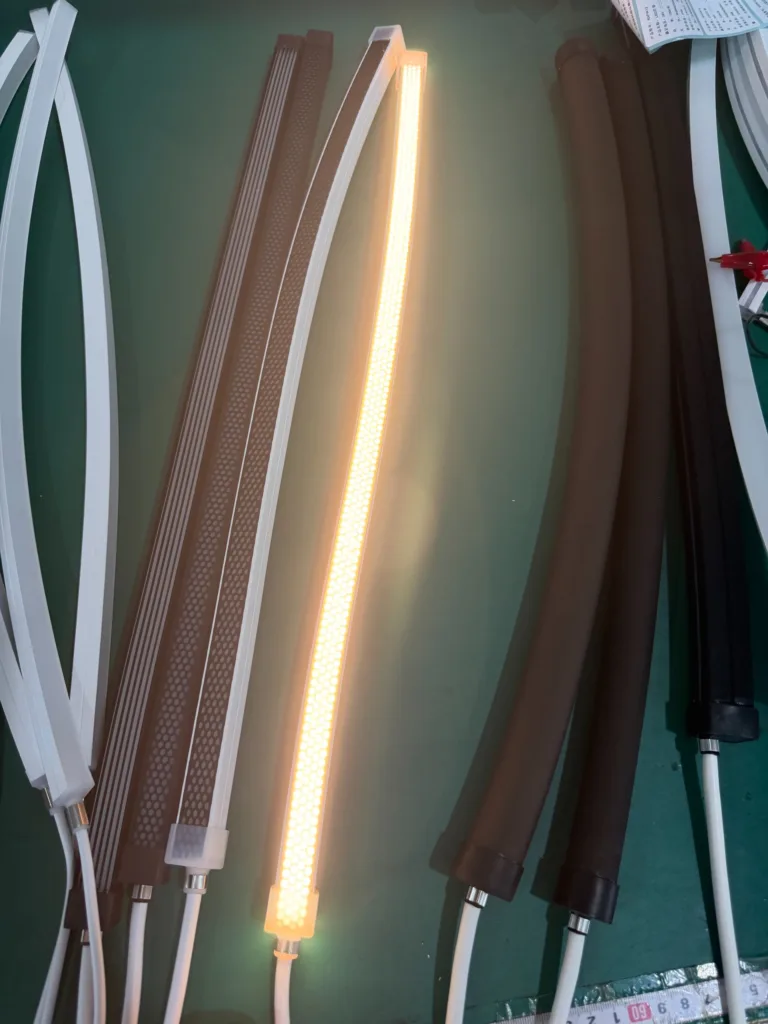
You've probably seen dozens of commercial LED lighting catalogs. Linear lights, downlights, wall washers, neon flex, track lights, panel lights, floodlights—they all look similar on paper. But here's what most people miss: the real risk in commercial projects isn't choosing the wrong light type. It's choosing the wrong structural logic. I've seen million-dollar installations fail not because the lights stopped working, but because nobody understood how different fixture structures behave under real-world stress.
Commercial LED lights are typically classified into seven main categories: linear lights, downlights, wall washers, neon flex, track lights, panel lights, and floodlights. However, what truly determines project success isn't the fixture type—it's understanding how each structure responds to thermal stress, mechanical fatigue, UV exposure, and installation environment over time.
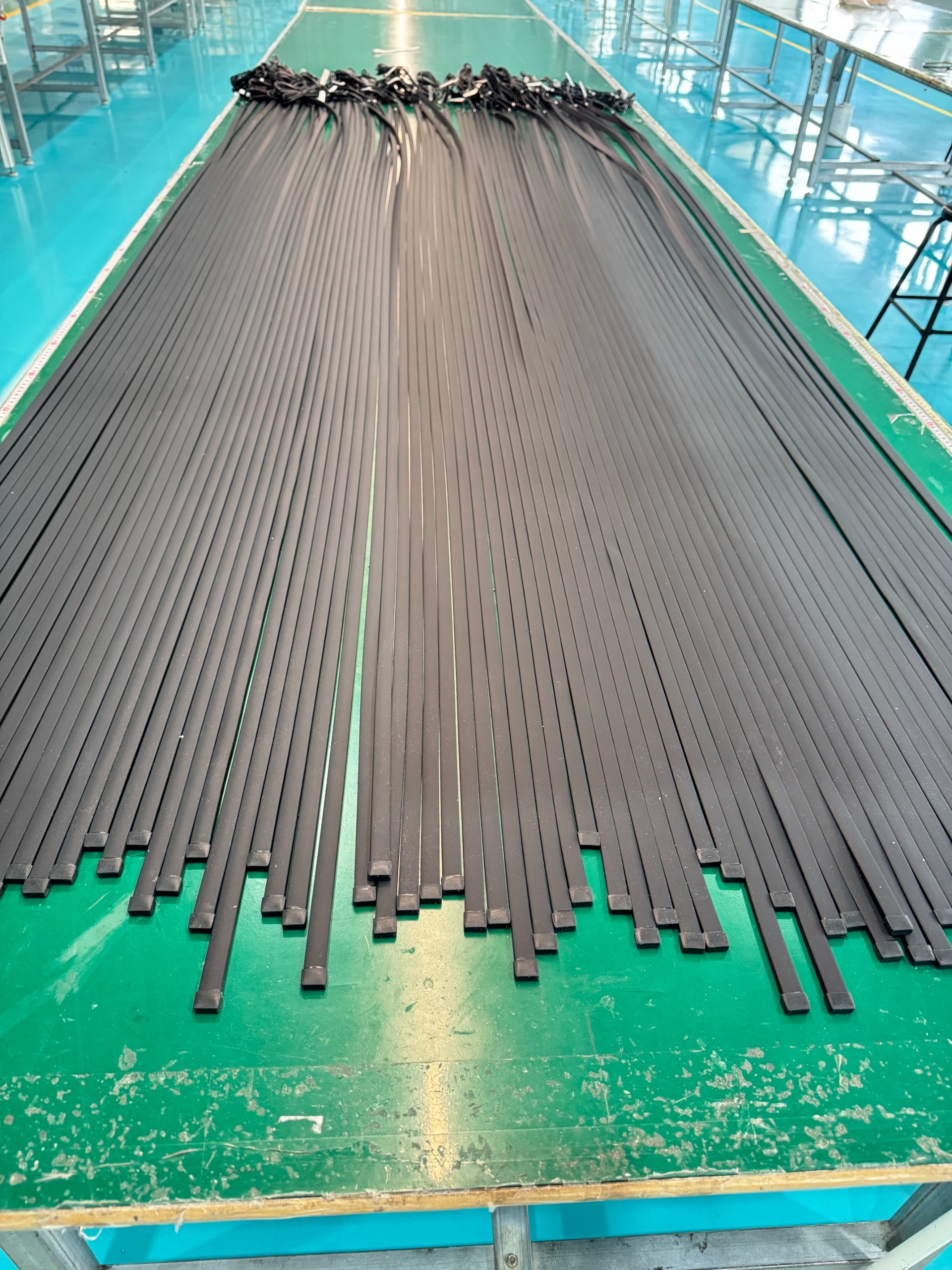
I'm writing this because I've worked with contractors who thought they were making safe choices by following product catalogs. Then six months later, they're dealing with color shifts across an entire hotel corridor, or flickering neon on a flagship retail facade. The problem? They treated all LED lights as interchangeable products instead of understanding the engineering logic behind each structure.
Why do linear lights fail in commercial installations?
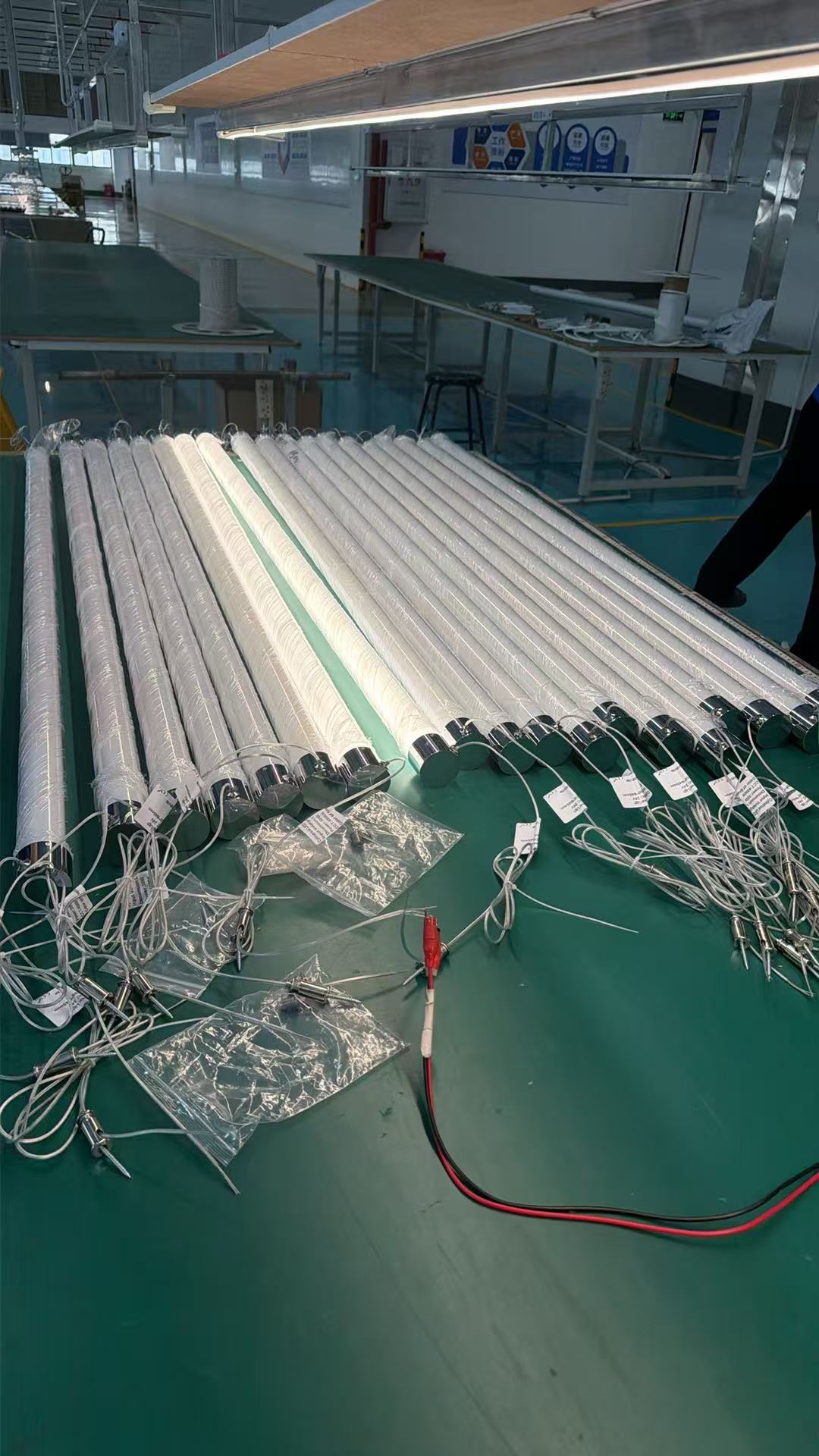
Linear lights look simple. Clean aluminum housing, LED strip inside, diffuser on top. But the simplicity is deceptive. The biggest killer of commercial linear lighting isn't poor quality LEDs—it's uncontrolled thermal buildup in real installation environments. Most linear lights pass laboratory tests perfectly. Then they get installed into recessed ceilings, narrow coves, or timber cladding, and the entire thermal pathway changes.
In long continuous runs, heat accumulates differently than in test conditions. When linear lights are installed in enclosed spaces, trapped heat causes LED junction temperatures to rise continuously. This leads to inconsistent brightness degradation, driver overload, diffuser deformation, and eventually visible color banding across commercial corridors.
I remember a shopping mall project where everything tested perfectly during commissioning. Six months later, the client called me. Half the corridor lights had developed a yellowish tint. The other half looked fine. We pulled the fixtures and found the problem immediately: the lights installed near HVAC ducts maintained normal operating temperatures. The ones in dead-air pockets had been cooking slowly for months.
The issue wasn't the LED bins. It wasn't the power supply. It was pure thermal physics. The aluminum extrusion couldn't reject heat fast enough in those specific zones. The silicone diffuser started thermal aging. The phosphor coating on the LEDs began degrading. Each fixture aged at a different rate based purely on its microenvironment.
This is why I always tell clients: before you specify linear lights for a commercial space, map the thermal environment. Not just the ambient temperature—the actual convection patterns around each fixture location. Because a linear light that works perfectly on a lab bench can fail completely when sandwiched between a drop ceiling and insulation board.
Here's what actually happens in failing linear installations:
| Failure Mode | Root Cause | Visible Symptom | Prevention Method |
|---|---|---|---|
| Color banding | Uneven thermal aging | Some sections yellow, others stay white | Thermal simulation before installation |
| Brightness drop | LED junction overheating | Gradual dimming over months | Proper heat sink sizing for enclosed spaces |
| Diffuser warping | Prolonged heat exposure | Visible deformation, light leakage | Use high-temperature silicone materials |
| Driver failure | High-temperature operation | Complete section failure | Derate drivers or use remote mounting |
The real solution isn't buying more expensive linear lights. It's understanding that a 40W/meter fixture in open air behaves completely differently than the same fixture in a 30mm cove detail with no ventilation. Once you understand this, you start making installation decisions differently. You add ventilation gaps. You derate the power. You specify fixtures with better thermal management. Or you choose a completely different lighting approach.
What makes neon flex different from rigid LED structures?
People see neon flex and think it's just flexible LED strip in a silicone tube. That's like saying a suspension bridge is just steel cables with a road attached. The defining challenge of commercial neon flex isn't waterproofing—it's managing long-term mechanical fatigue in environments with constant thermal cycling. Most neon flex failures happen not because water got in, but because material stress accumulated over months until something gave way.
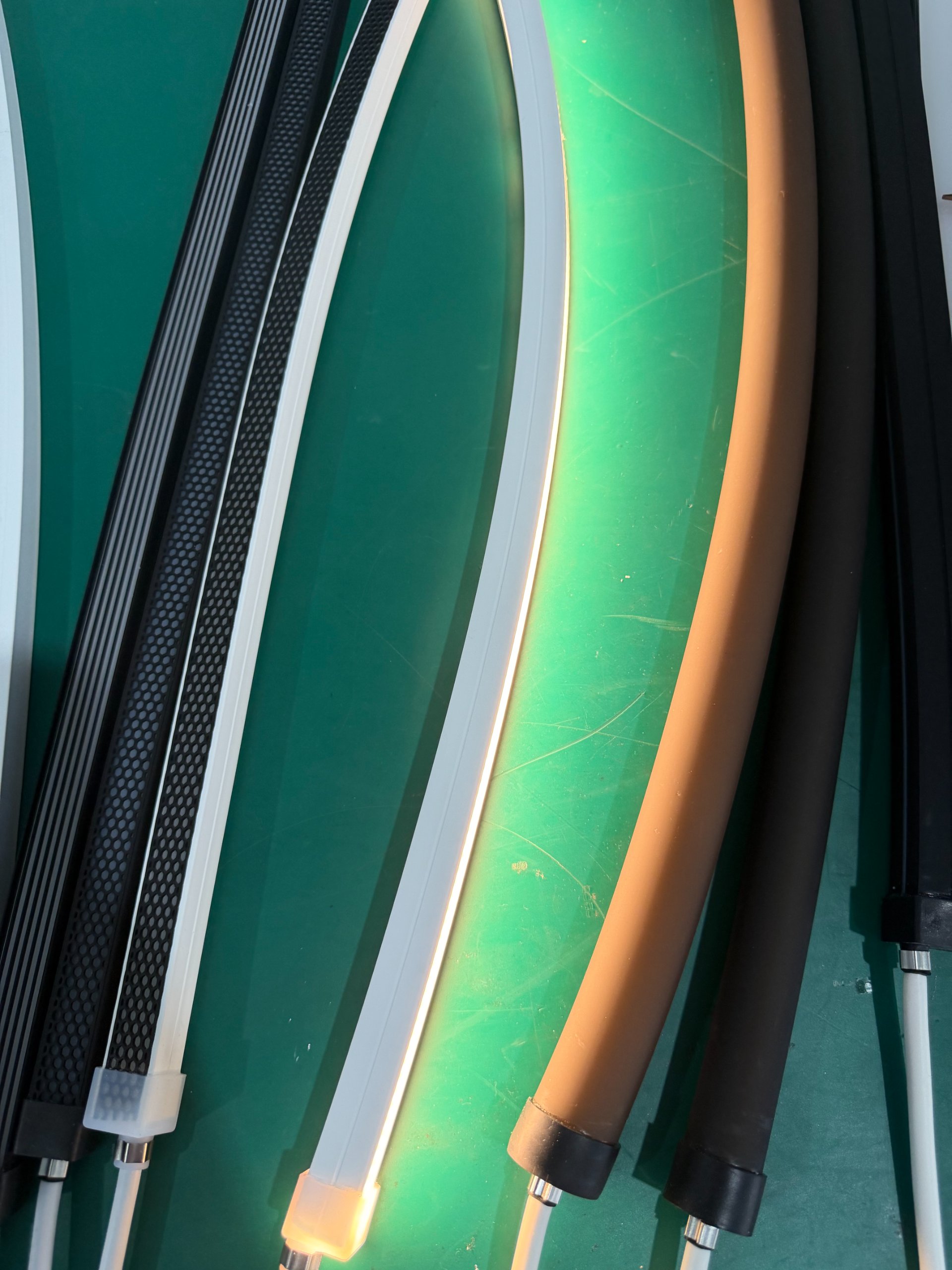
Neon flex consists of multiple materials—silicone extrusion, copper FPC board, LED chips, aluminum mounting channels—that all expand and contract at different rates. In outdoor building facades exposed to daily temperature swings from freezing nights to blazing days, these materials develop internal stress. If the structure doesn't accommodate this movement, copper traces crack, solder joints fail, and localized dark zones appear.
I've seen this play out on a luxury hotel facade project. Beautiful curved architectural design. Premium IP68-rated neon flex. Professional installation team. Everything looked perfect at handover. Three months later, random sections started flickering. Six months in, dark spots appeared at corner bends. The contractor kept blaming "water ingress," but when we cut open the failed sections, they were completely dry inside.
The real problem was structural. During daytime, the black aluminum channel would heat up to 60°C under direct sun. The silicone would expand. The copper FPC would expand slightly less. At night, temperatures dropped to 10°C. Everything contracted, but at different rates. At each sharp corner bend, this created a tiny pulling force on the copper traces—barely measurable on any single day, but cumulative over hundreds of cycles.
Eventually, the copper developed microscopic stress fractures. Not dramatic breaks, just tiny cracks that would open and close with temperature. This caused intermittent connection loss. As the cracks grew, whole sections would go dark. The client thought the neon was failing. Actually, the installation design had created a perpetual fatigue testing machine.
Now I approach neon flex installations completely differently:
| Installation Zone | Primary Stress Factor | Failure Timeline | Design Solution |
|---|---|---|---|
| Tight corners (<50mm radius) | Maximum copper stress concentration | 3-6 months | Use flexible PCB with strain relief design |
| Building facades (sun-exposed) | Maximum thermal cycling range | 6-12 months | Mount with expansion gaps, avoid rigid fixing |
| Underwater/fountain use | Hydrostatic pressure cycling | 12-24 months | Use compression-resistant silicone grade |
| Ground-level (pedestrian areas) | Mechanical impact + UV exposure | 1-3 years | Add protective channel + high UV-stabilized silicone |
The truth about neon flex is that it's not one product—it's a material system. The silicone grade matters. The copper board thickness matters. The LED attachment method matters. But most importantly, how all these elements interact under stress matters. You can have the best silicone and the best copper, but if they can't move together through temperature cycles, the system will eventually fail.
How do wall washers create uneven lighting over time?
Wall washers seem straightforward: high-power LEDs, precision optics, weatherproof housing. Point them at a building facade, instant architectural drama. But there's a hidden time bomb in most wall washer installations: lens thermal drift. Under prolonged high-power operation, optical components subtly change dimension, causing the beam pattern to shift and creating permanent lighting inconsistencies across large facades.
Wall washer lenses are typically made from PMMA or polycarbonate optical-grade plastics. Under continuous thermal stress from high-power LEDs, these materials undergo micro-deformation. The lens doesn't crack or visibly fail—it simply changes shape by fractions of a millimeter. This tiny change alters the beam angle just enough to create visible hotspots, gaps, or uneven washing effects across architectural surfaces.
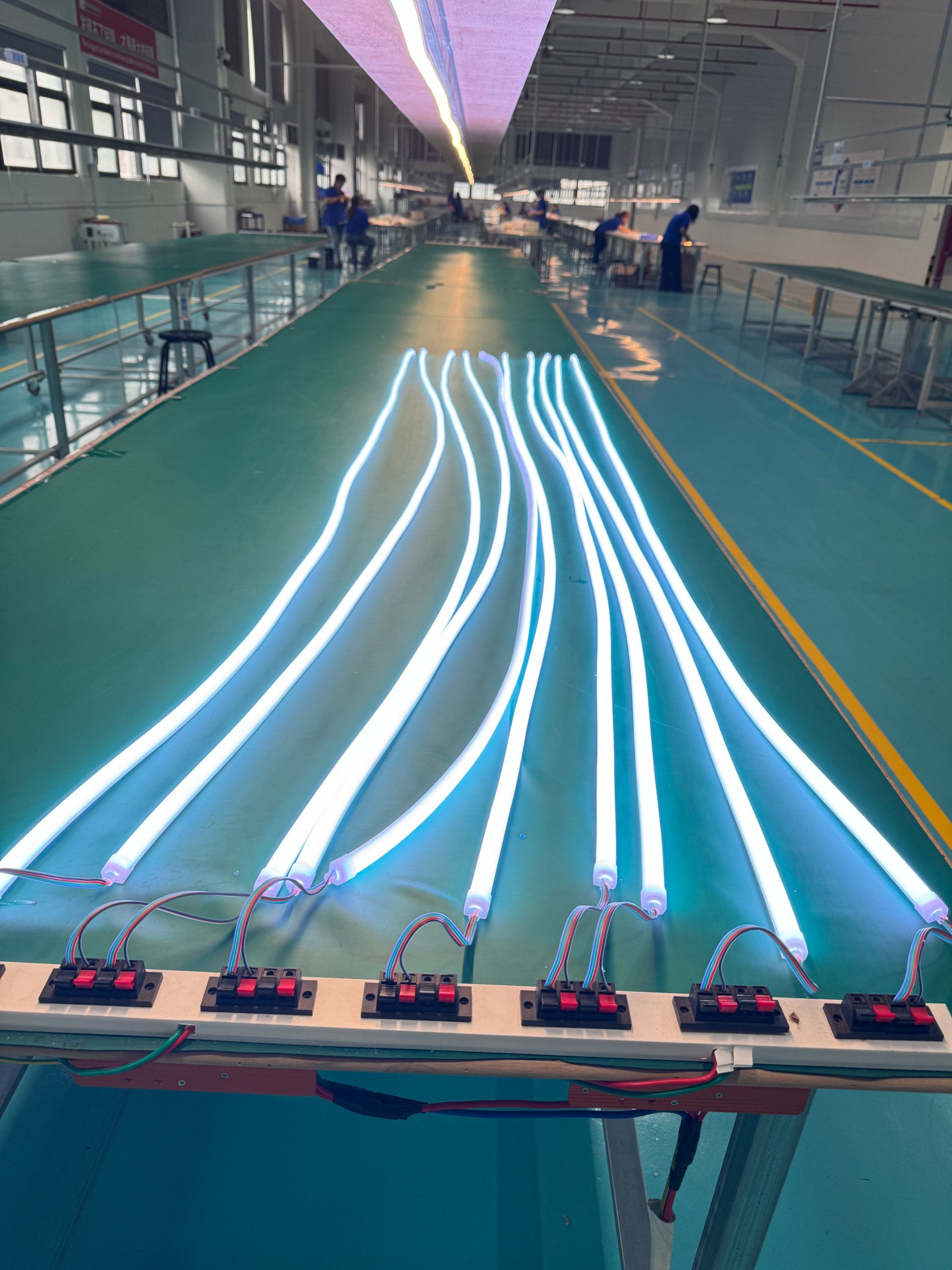
I consulted on a museum facade project where they installed 200 wall washers to create uniform vertical illumination. The commissioning photos looked flawless—perfect even wash from ground to roofline. Eight months later, I got a panicked call. At night, the facade looked like patchwork. Some areas were brighter. Others had dark bands. Some fixtures were creating sharp beam edges where there should have been smooth gradients.
We brought in a photometric survey team. What they found was fascinating: every single fixture was still producing full lumen output. The power draw was normal. The color temperature was within spec. But the beam patterns had shifted. Fixtures that originally produced a 40-degree wash now showed 38 or 42 degrees—small variations, but enough to completely destroy the overlapping beam strategy the lighting designer had calculated.
The culprit was thermal creep in the lens material. Each fixture had been running at 80-85% of maximum rated power. Not overdriven by specification, but thermally stressed nonetheless. Over months, the plastic lenses slowly deformed. The fixtures near better air circulation maintained their optics. The ones in heat-trap locations deformed more. The result was a facade that looked professionally lit on day one and amateur by month eight.
This is what actually determines wall washer reliability:
| Component | Failure Mechanism | Detection Difficulty | Long-term Impact |
|---|---|---|---|
| Lens material | Thermal expansion/softening | Very difficult (no obvious damage) | Beam angle drift, uneven coverage |
| LED-lens distance | Heat-induced mounting bracket expansion | Difficult (happens gradually) | Focus shift, reduced edge sharpness |
| Reflector coating | UV degradation + oxidation | Moderate (visible over years) | Reduced efficiency, color shift in reflected light |
| Driver-to-LED matching | Thermal derating causing current variation | Easy (measurable with tools) | Brightness inconsistency between fixtures |
The frustrating part about wall washer optical drift is that you can't fix it with a software update or lamp replacement. The fixture structure itself has permanently changed. Your only options are complete fixture replacement or accepting a compromised lighting design. That's why I now specify wall washers differently for projects where precision lighting must last 5+ years. I look for designs with metal optics, or thermally isolated lens mounting systems, or fixtures derated enough that thermal stress never reaches the deformation threshold.
Do color temperature variations destroy commercial lighting uniformity?
Most people assume that if they order "3000K" fixtures, they'll get consistent warm white light across the entire installation. This belief has destroyed more commercial lighting projects than almost any other factor. The real issue isn't the specified color temperature—it's color binning consistency across large production batches. Even within the same nominal CCT, LED chips can vary enough to create visible color differences that ruin the perceived quality of high-end spaces.
Color temperature consistency is measured in MacAdam Steps (SDCM). A specification of "3000K ± 5 SDCM" means fixtures could range from slightly greenish-warm to slightly pinkish-warm while still meeting spec. When you install 500 fixtures across a hotel, even small binning variations become glaringly obvious. The human eye is extremely sensitive to color differences in adjacent fixtures—variations that seem trivial on a datasheet become architectural disasters at scale.
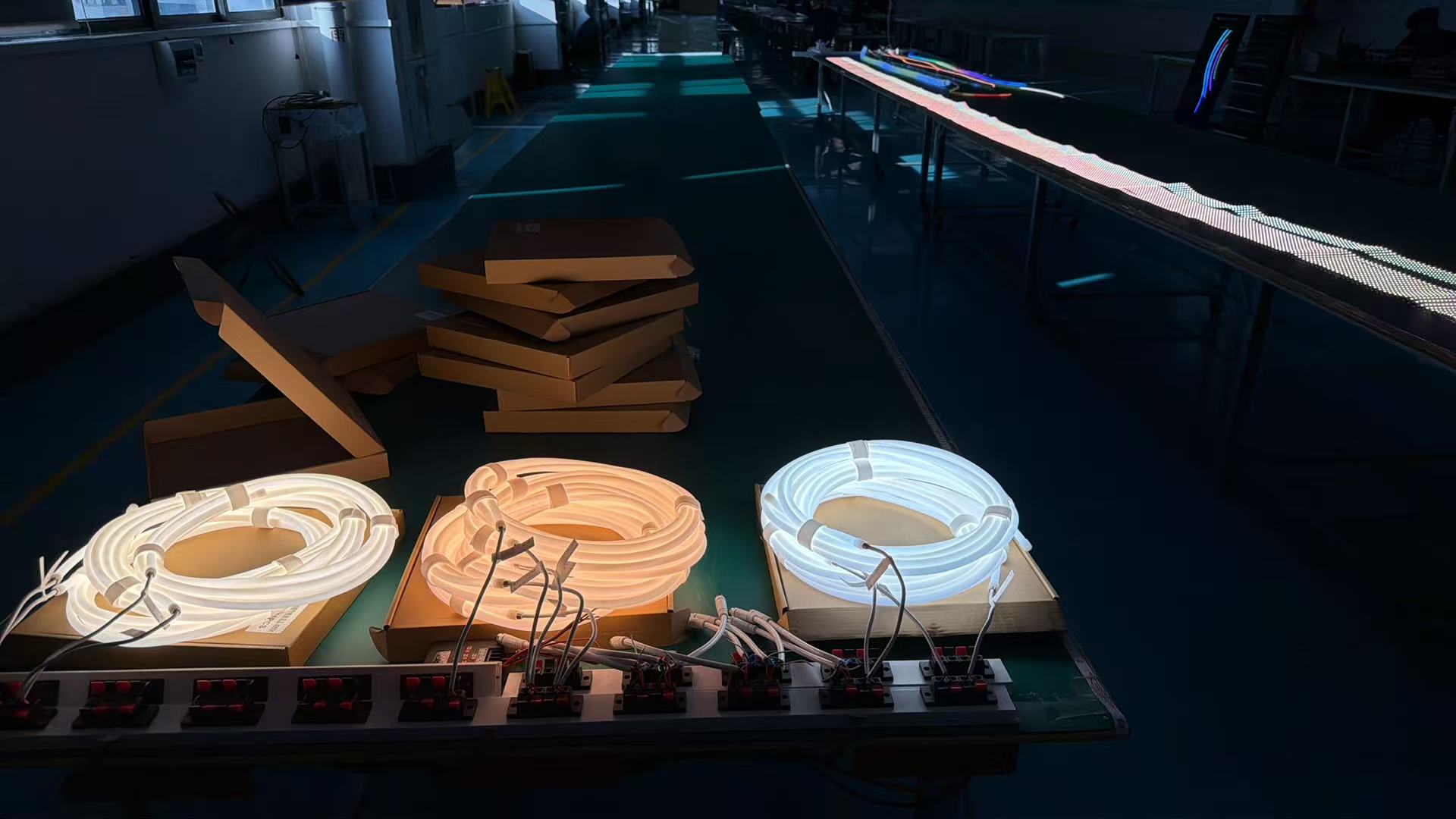
I worked with a luxury retail chain that opened three new flagship stores simultaneously. Same architect. Same fixtures. Same 3000K specification. When all three stores opened, the operations team immediately noticed something wrong: Store A had warm, inviting light. Store B felt slightly clinical. Store C had a greenish tint nobody could quite describe but everyone noticed.
We tested the fixtures. Every single one was within manufacturer specification. Store A averaged 2980K. Store B averaged 3050K. Store C averaged 3020K but with a slightly positive Duv (above the black body line, creating that greenish perception). Technically compliant. Commercially unacceptable. The client ended up replacing every fixture in Stores B and C—not because they failed, but because they made $15 million store designs look cheap.
The problem was batch consistency. The fixtures for Store A came from one production run. Stores B and C came from different runs weeks apart. Same bins on paper. Different visual appearance in reality. This is the hidden cost of large-scale commercial LED projects: you're not just buying fixtures, you're buying consistency across time and volume that most suppliers can't actually guarantee.
Here's how color binning actually impacts different commercial environments:
| Application Type | Acceptable SDCM Tolerance | Why It Matters | Typical Cost Premium for Tighter Binning |
|---|---|---|---|
| Luxury retail/hospitality | 2-3 SDCM max | Brand perception, product color rendering | 20-40% more than standard |
| Office/general commercial | 4-5 SDCM acceptable | Consistency matters less with varied fixture types | 10-20% premium |
| Industrial/warehouse | 6-7 SDCM tolerable | Function over aesthetics | Standard pricing |
| Architectural facades | 3 SDCM or less | Massive visual scale makes small variations obvious | 30-50% premium + batch matching |
The solution isn't always buying premium-binned LEDs. Sometimes it's about procurement strategy. For critical projects, I now recommend ordering all fixtures from a single confirmed production batch, even if it means longer lead times. I've also started specifying backup fixtures from the same batch for future maintenance—because trying to color-match a replacement fixture three years later is nearly impossible.
The painful reality is that "3000K" is a range, not a point. And in commercial lighting, that range can either be invisible or catastrophic depending on your project type, installation density, and client expectations. Understanding this before you order is the difference between a successful installation and a very expensive do-over.
What really determines long-term reliability in commercial LED systems?
After installing thousands of commercial fixtures across different climates and applications, I've learned something that contradicts most industry marketing: single-parameter certifications like "IP67" or "LM80" tell you almost nothing about real-world longevity. What actually determines if your lighting system will still look good in five years is material compatibility—how different components age together under actual site-specific environmental stress.
Commercial LED reliability isn't determined by individual component quality. It's determined by how the entire material system responds to combined stressors: UV exposure, thermal cycling, mechanical vibration, humidity, salt air, and chemical exposure all happening simultaneously. A fixture can have excellent IP rating and still fail catastrophically if its adhesive systems, gasket materials, or plastic components aren't compatible with the specific environment you've installed it in.
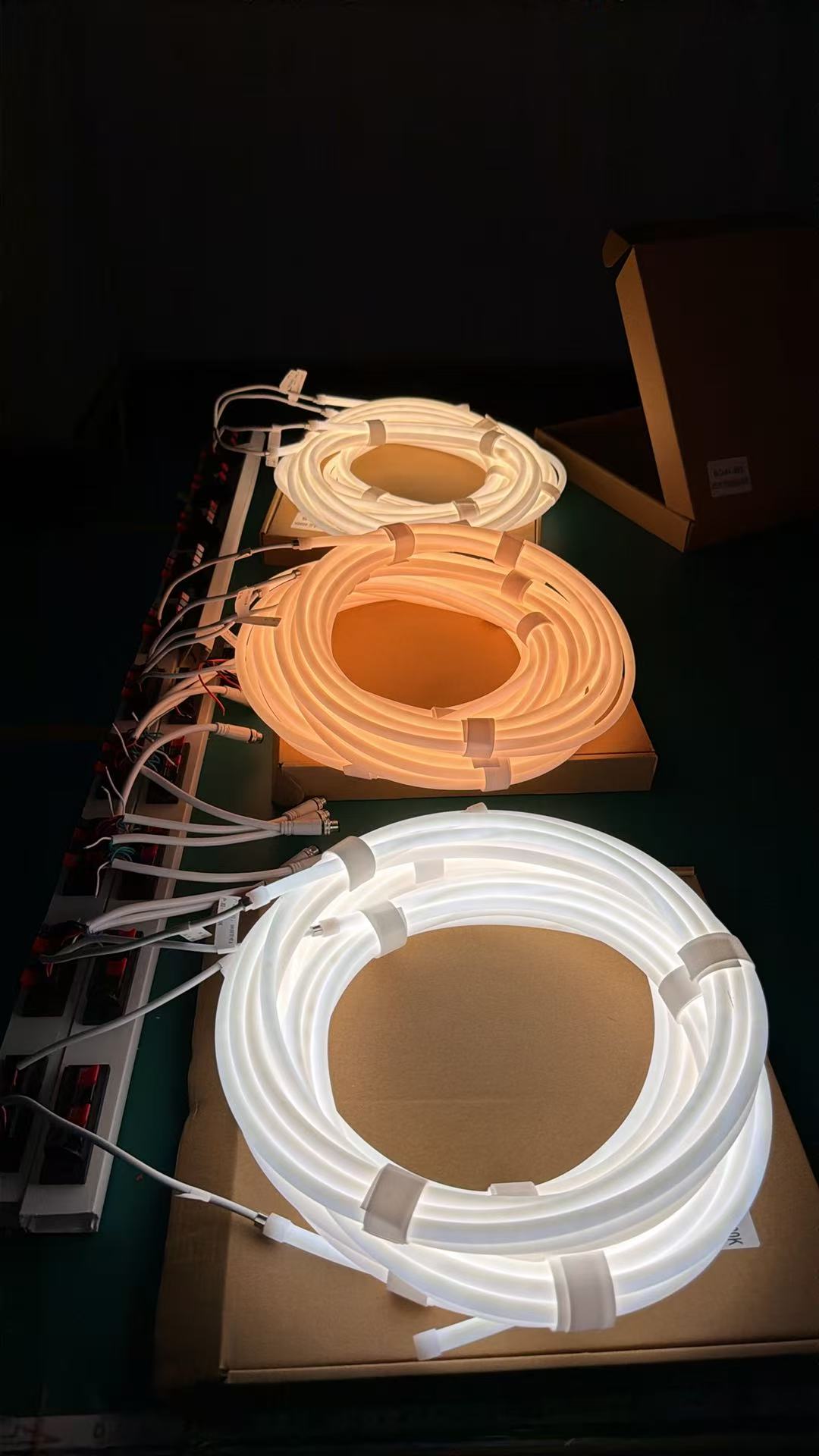
I learned this lesson the hard way on a coastal resort project. We specified premium IP68 fixtures throughout. Stainless steel housings. Silicone gaskets. UV-stabilized lenses. Everything by-the-book for marine environments. Two years later, random fixtures started dying. Not from water ingress—from internal corrosion. We opened failed units and found something unexpected: the internal wiring had corroded at connection points, but the main cavity was still sealed and dry.
What we eventually discovered was salt-air permeation. The gaskets sealed out liquid water perfectly. But water vapor molecules carrying dissolved salts slowly migrated through microscopic pathways in the adhesive bonds. Over months, salt concentrated at the warmest points—right where copper connections were soldered. The heat from LED operation accelerated corrosion. The fixtures didn't fail from flood damage. They failed from slow chemical poisoning that no IP rating could predict.
This completely changed how I evaluate commercial LED systems:
| Failure Mode | Standard Test | Real-World Cause | What Actually Matters |
|---|---|---|---|
| "Waterproofing failure" | IP rating | Material fatigue after thermal cycling | Long-term gasket compression set resistance |
| "Color shift" | Initial CCT testing | Phosphor degradation + lens yellowing interaction | UV exposure testing with actual lens material |
| "Reduced output" | LM70 lab testing | Dust accumulation on internal reflectors (sealed but porous) | Real breathability vs. contamination testing |
| "Catastrophic failure" | Surge testing | Thermal stress on solder joints after vibration | Combined environmental + mechanical testing |
The reality that most manufacturers don't advertise: their products pass individual stress tests, but real installations never experience just one stressor at a time. A fixture on a building facade deals with UV exposure AND thermal cycling AND wind vibration AND pollution AND moisture—all simultaneously. How materials respond to this combination is often completely different from how they respond to isolated testing.
I now approach specification completely differently. Instead of checking off certification boxes, I ask suppliers: Have you done accelerated aging with UV exposure plus thermal cycling at the same time? Have you tested your adhesive systems after salt-fog exposure followed by freeze-thaw? Can you show me failure analysis from actual field returns, not just lab predictions?
The best manufacturers can answer these questions. They have real-world data from failed installations. They've learned which material combinations break down first in coastal environments versus desert climates versus industrial zones. They've discovered that the weak point in their system isn't the expensive LED or the precision optics—it's the $