


Not every business uses digital signs. Many still rely on traditional signage because of cost, visibility needs, or local regulations. The real question is not whether all businesses have digital signs, but whether digital signs make sense for your specific business model and customer behavior.
Digital signs are growing in popularity, but adoption varies widely by industry. Retail stores, restaurants, and entertainment venues use them heavily, while small service businesses often stick with static signs. The decision depends on your budget, foot traffic, and how often your message needs to change.

I see this question come up often in conversations with contractors and signage distributors. The underlying assumption is that digital signs are "the future" and every business should switch. But after working with hundreds of outdoor lighting projects, I can tell you the answer is more nuanced.
What percentage of businesses actually use digital signs?
The adoption rate is lower than most people think. Many businesses still find traditional neon or LED signs more practical. Digital signs require ongoing content management, technical support, and higher upfront investment.
Industry data shows that less than 30% of small to medium businesses have adopted digital signage. Large chains and franchises lead the trend, while independent shops lag behind due to cost concerns and technical complexity.
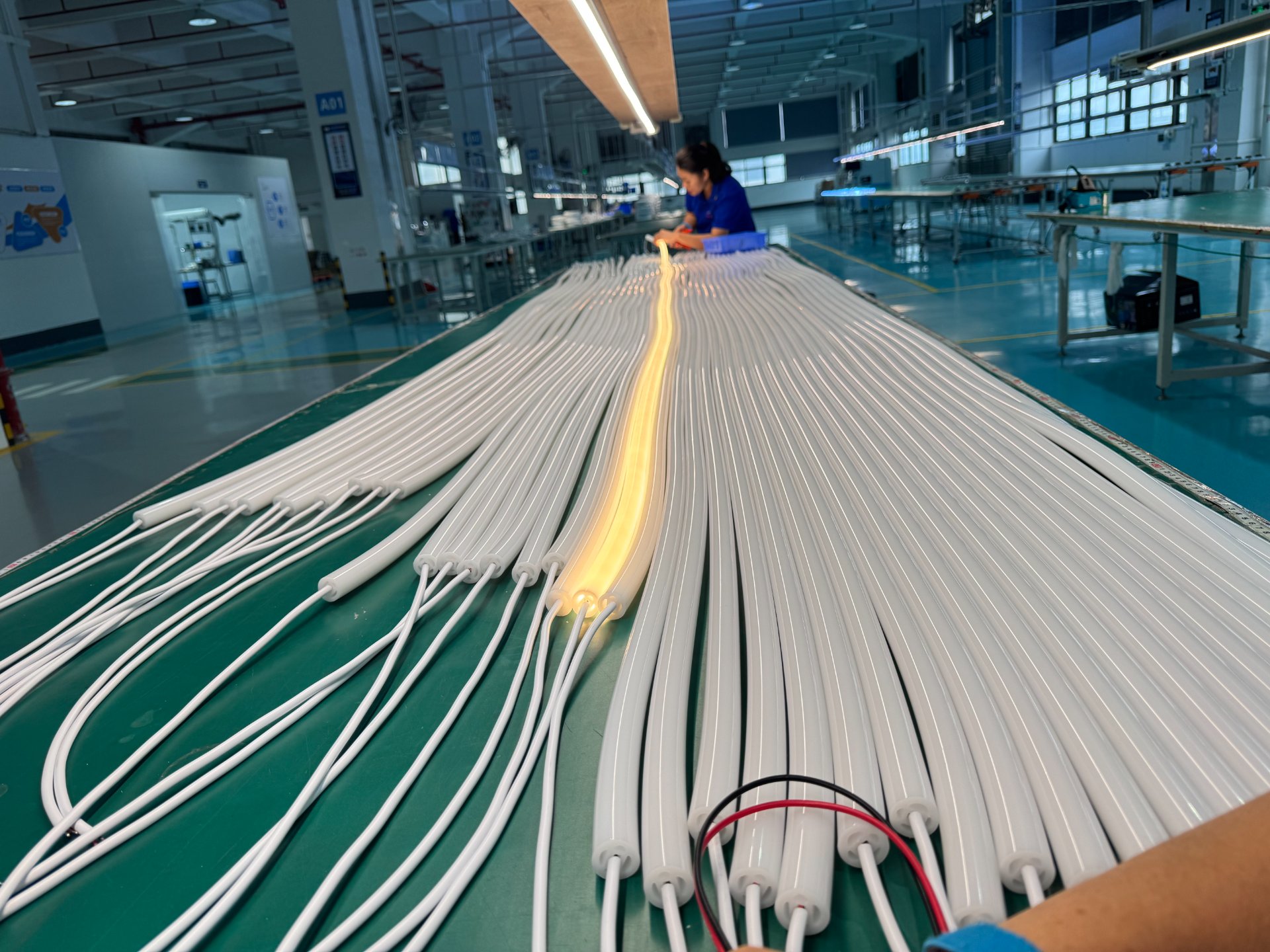
I have seen this split play out in real projects. When a restaurant chain rolls out digital menu boards, they have the infrastructure to manage content across locations. But when a single café owner considers the same upgrade, they often realize they do not need to change their menu every hour. The static menu board works fine.
Why the gap exists
The adoption gap comes down to three factors:
| Factor | High Adopters | Low Adopters |
|---|---|---|
| Budget | Large marketing budgets, can absorb $5,000+ per screen | Limited funds, prefer one-time purchases under $1,000 |
| Content Needs | Frequent updates, promotions, dynamic pricing | Static info, brand logo, contact details |
| Technical Capacity | IT teams or outsourced support | No in-house technical staff |
Digital signs make sense when your content changes often. If your prices shift by the hour, or you run weekly promotions, the investment pays off. If your sign only displays your logo and hours, a traditional neon flex system gives you the same visibility at a fraction of the cost.
The hidden costs nobody talks about
Digital signs are not just about the hardware. You also pay for:
- Content creation tools or subscriptions
- Internet connectivity for remote updates
- Screen replacements every 3–5 years
- Technical support when the system fails
I worked with a retail client who installed digital signs at ten locations. Six months later, they realized half their staff did not know how to update the content. The screens sat there showing the same message for weeks. They paid for a dynamic system but used it like a static sign.
Are digital signs better than traditional neon for outdoor use?
Digital signs offer more flexibility, but traditional silicone neon flex signs win on durability and long-term cost. For outdoor environments, neon flex handles UV exposure, temperature swings, and weather stress better than most LCD or LED display screens.
If your outdoor sign faces direct sunlight, high humidity, or extreme temperature shifts, silicone neon flex is the more reliable choice. Digital screens require active cooling, higher IP ratings, and frequent maintenance to survive the same conditions.

I often see businesses install digital signs outdoors without understanding the long-term failure modes. The screens look great at first, but after 12 months, they start showing issues.
Why traditional neon flex wins in harsh environments
Digital screens rely on sensitive electronics. When you expose them to outdoor conditions, you introduce multiple failure points:
| Component | Digital Screen Risk | Silicone Neon Flex Advantage |
|---|---|---|
| Display Panel | UV degrades LCD layers, causes color shift | No display layer, light path stays stable |
| Cooling System | Fans clog with dust, moisture infiltrates | Passive heat dissipation, no moving parts |
| Power Supply | Requires active electronics, prone to voltage spikes | Simple constant-current drivers, more robust |
| Enclosure | High IP rating needed, still vulnerable to thermal cycling | Monolithic silicone body, no internal voids for moisture |
I worked on a project where a hotel installed digital screens on an outdoor patio. After one summer, the screens showed visible color banding. The UV exposure broke down the polarizing layer. They replaced the screens, but the problem came back. Eventually, they switched to silicone neon flex for the perimeter lighting. Three years later, the neon flex still looks the same.
When digital makes sense outdoors
Digital signs work best when you control the environment. If the sign faces north, stays under an awning, or operates in a mild climate, digital can last. But if you install it on a south-facing wall in a coastal area with high salt spray, you are asking for trouble.
The key difference is this: digital screens are built for controlled indoor environments. Traditional neon flex is built to survive outdoor stress. That is why you see neon flex dominating building facades, while digital screens stay inside shopping malls.
What types of businesses benefit most from digital signs?
Businesses with high customer turnover and frequent content changes gain the most. Fast food chains, gas stations, and entertainment venues see strong ROI because they can update pricing, promotions, and event schedules instantly.
If your business model depends on time-sensitive messaging or dynamic content, digital signs give you a competitive edge. But if your sign only needs to display your brand name, hours, and logo, a static sign delivers the same result at lower cost.

I have seen this play out in my own customer base. A gas station client uses digital signs to adjust fuel prices multiple times per day. They could not do that with a static sign. But a law office client just needs their name and contact info on the building. They chose a custom silicone neon flex logo that will last ten years without any maintenance.
The real decision matrix
Here is how I help clients decide:
| Business Type | Recommended Sign Type | Why |
|---|---|---|
| Quick Service Restaurants | Digital menu boards | Frequent menu changes, promotions, upselling |
| Retail Chains | Digital window displays | Seasonal campaigns, clearance sales |
| Hotels | Digital wayfinding | Room availability, event schedules |
| Professional Services | Silicone neon flex logo | Static branding, long-term durability |
| Boutique Shops | Silicone neon flex accent lighting | Aesthetic focus, no content updates needed |
The pattern is clear. If your content changes more than once a week, digital makes sense. If your content stays the same for months or years, traditional neon flex is the smarter investment.
The overlooked middle ground
Some businesses try to split the difference. They install a digital screen for promotions and a traditional neon logo for branding. This hybrid approach can work, but it adds complexity. You now have two systems to maintain instead of one.
I prefer to help clients choose one system that fits their core needs. If you run promotions, go digital. If you focus on brand presence, go neon flex. Trying to do both often means neither system gets used to its full potential.
How do digital signs affect customer perception?
Digital signs can make your business look modern and tech-forward, but they can also look cheap if the content is poorly designed or outdated. A well-designed static neon sign often projects more permanence and quality than a digital screen showing generic stock animations.
Customers judge your business by the quality of your signage. A bright, clean silicone neon flex logo signals attention to detail and long-term investment. A flickering digital screen with low-resolution graphics signals the opposite.

I have walked into businesses where the digital sign looked worse than no sign at all. The screen was playing a looping video of stock footage, the colors were washed out, and the resolution was blurry. Compare that to a crisp silicone neon flex sign with even, consistent lighting. The neon flex sign looks intentional. The digital sign looks like an afterthought.
The content problem
Digital signs only work if you maintain them. If you install a screen but never update the content, customers notice. They see the same promotion running for months and assume the business does not care.
I saw this at a retail store. They installed digital screens to promote sales. For the first two weeks, the content was fresh. Then the marketing person left, and nobody knew how to update the system. The screen kept showing "Spring Sale" in July. Customers started making jokes about it.
With a traditional neon flex sign, you never have that problem. The sign is what it is. It does not need content updates, and it never looks "stale" because it never changes.
When digital enhances perception
Digital signs work well when they are part of a larger brand strategy. If your brand is built around innovation, technology, or real-time information, a digital sign reinforces that message. A stock trading firm using live ticker displays makes sense. A boutique jewelry store using digital screens to show stock photos does not.
The key is alignment. If your brand values permanence, craftsmanship, and timeless design, a handcrafted silicone neon flex sign matches better. If your brand values speed, data, and convenience, digital fits.
Conclusion
Not all businesses need digital signs. The choice depends on your content needs, budget, and brand positioning. Traditional silicone neon flex signs offer better durability and lower lifetime cost for businesses with static messaging, while digital signs excel when content changes frequently. Choose based on your operational reality, not trends.