

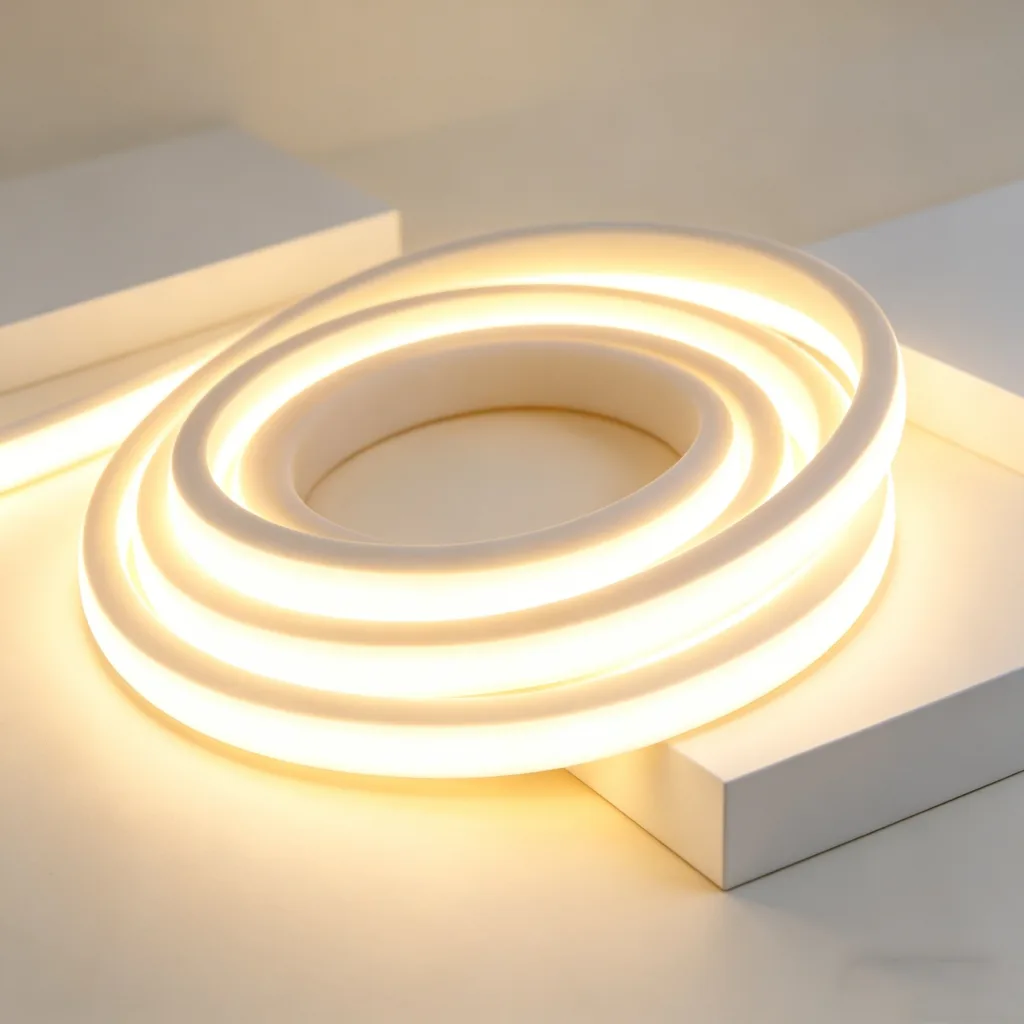
You spent weeks choosing a LED strip supplier. Every test passed. IP68? Check. Lumen output? Perfect. Color consistency? Spot on. Then six months later, your entire facade project starts flickering, dimming, and you're facing a complete reinstallation. The real question isn't "How bright is it now?" It's "What will kill this system in 18 months?"
Most quality checks only measure what a LED strip is today. But project failures happen because of what it will become tomorrow. If you're not testing for future failure modes, you're just buying a delayed disaster with a quality report attached.
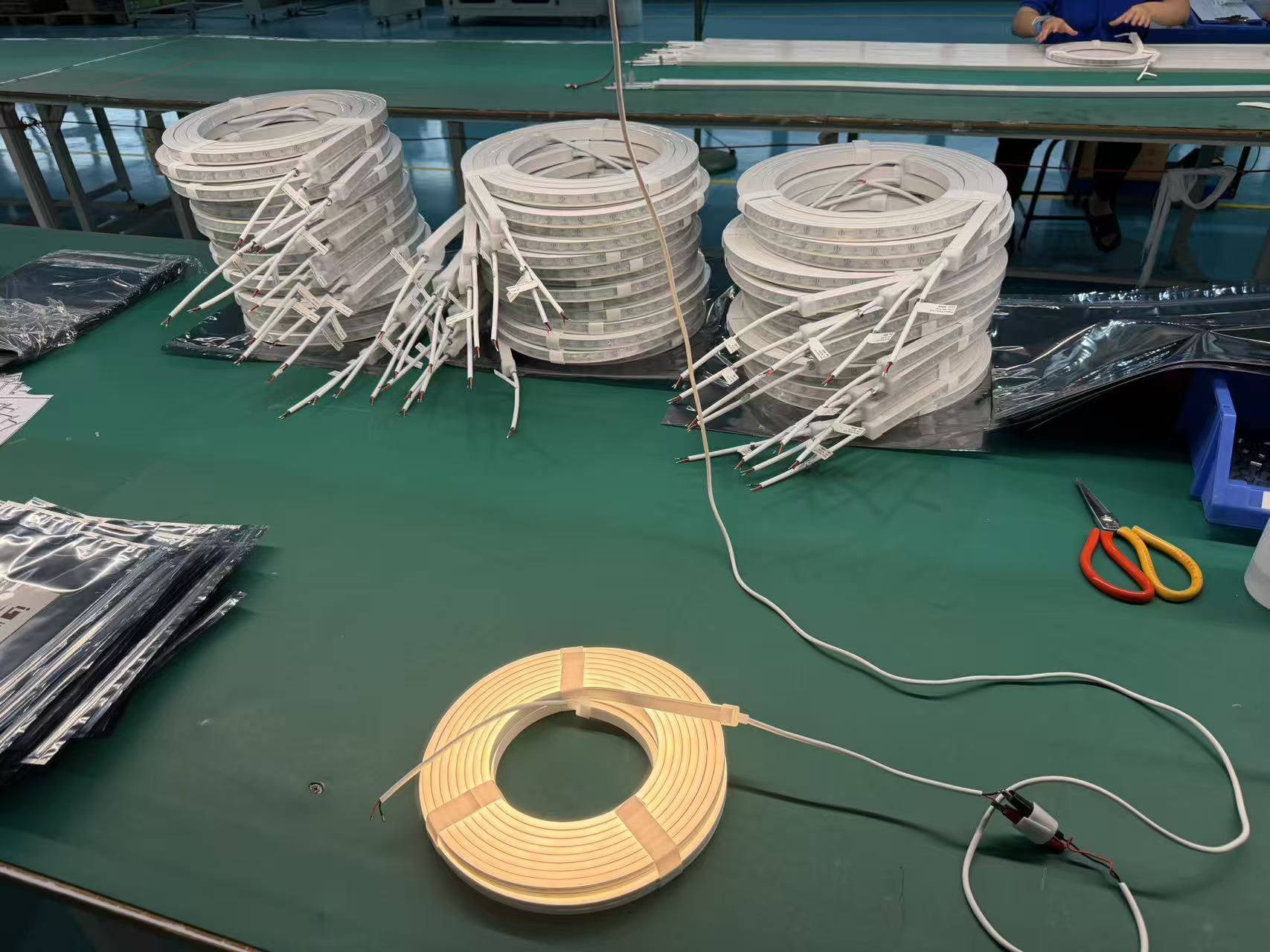
I've seen this pattern repeat across dozens of commercial lighting projects. Everyone checks the same basic parameters. Everyone gets the same "passed" reports. And everyone ends up with the same systemic failures nine months down the line.
Why Do Standard Quality Checks Fail to Predict Real-World Performance?
Most people check LED strips like they're buying consumer electronics. They measure brightness, voltage drop, IP rating, and maybe run a 24-hour burn-in test. Then they call it quality control.
Here's the core problem: You're testing factory conditions, but failures happen in operating conditions + aging conditions + stress conditions combined. These three states never appear in your initial quality report, but they always appear in your failure analysis.
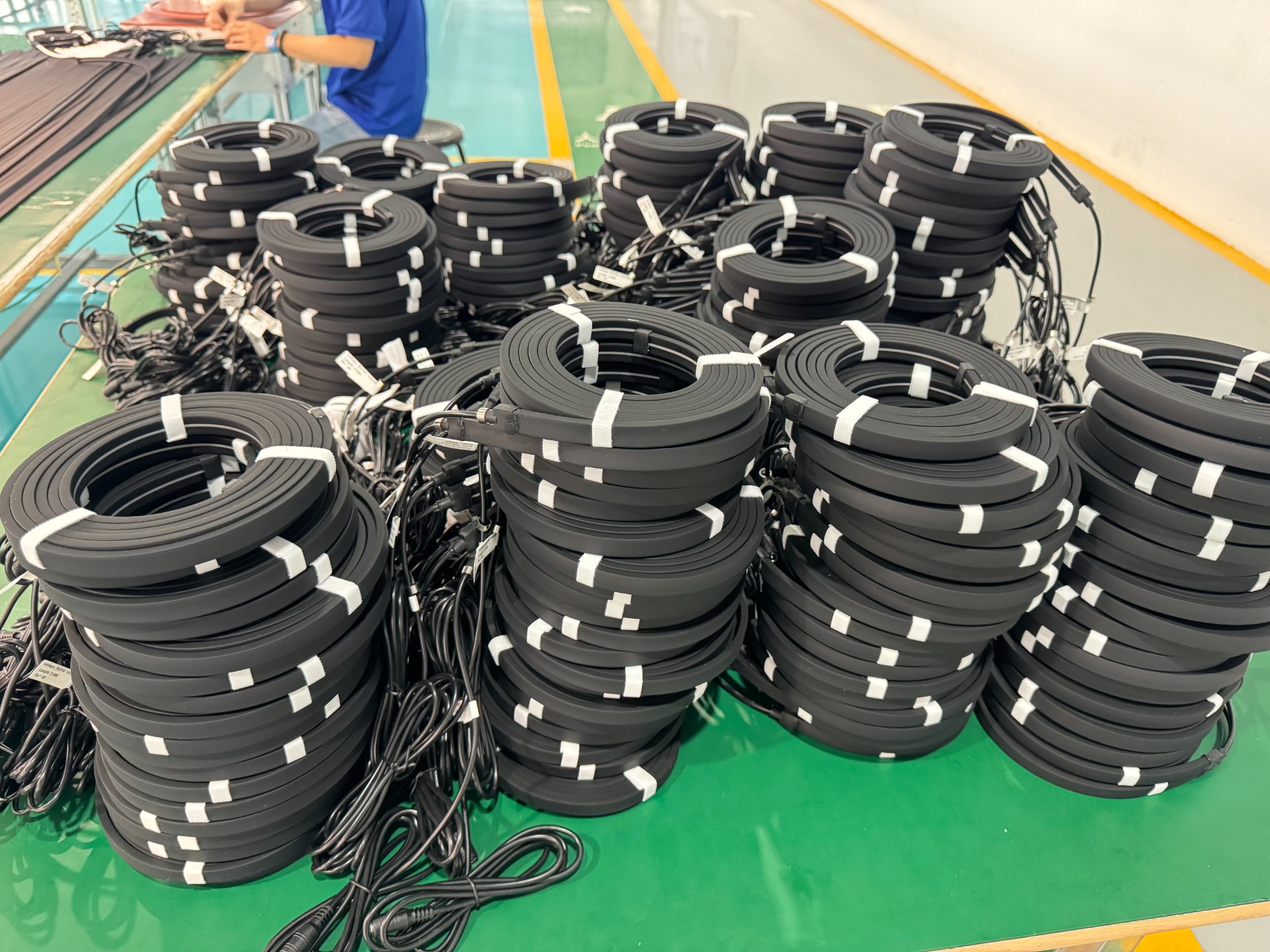
I worked with a contractor who installed 2,000 meters of "certified IP67" silicone neon flex on a hotel facade. Every sample passed water testing. Every electrical parameter matched spec. Three months later, the entire installation showed visible brightness zones. The problem wasn't that the product "failed quality control." The problem was that quality control tested the wrong things.
Real LED strip quality is never about single-parameter compliance. It's a system-level result of material compatibility, structural design, process stability, and long-term stress accumulation. When you check just the surface parameters, you're measuring the easy stuff that manufacturers already know how to pass. You're not measuring the hidden variables that actually cause project failures.
The hidden variables that destroy projects are things like silicone molecular chain breakage under UV plus thermal cycling, copper foil resistance creep during repeated flexing, micro-delamination between potting compound and silicone interface, stress release pathways in extruded structures during thermal expansion, LED bin voltage drift under temperature rise, and material shrinkage rate differences between production batches. None of these show up on page one of any test report. But all of them show up on your month-six rework list.
What Actually Happens When "Quality-Approved" Projects Fail?
Let me walk you through a real commercial street facade project timeline. This is the most common failure pattern I see in large-scale installations.
Initial Phase: Everything Tests Perfect All samples pass electrical testing. IP68 water immersion test shows zero ingress. Color temperature consistency meets ANSI standards. The strip runs continuously for 72 hours with no anomalies. Project approval is immediate. Installation begins.
Month 3: Unexplained Micro-Failures Start Some sections show slight brightness reduction, but no complete failures. Corner installations develop faint dark bands. Different production batches start showing visible color shifts. Changes become more pronounced after high-temperature weather cycles.
Month 6: Systemic Failure Becomes Visible The facade shows distinct "gray zones" across different sections. Voltage drop at far ends accelerates beyond design parameters. Localized flickering begins intermittently. Waterproofing remains intact, but internal micro-condensation appears. The client demands explanations.
Root Cause Analysis: The System Was Wrong From Day One When they finally pulled apart failed sections, the real causes emerged. It wasn't product failure. It was system design failure from the beginning. Material systems were inconsistent because different silicone batches had varying shrinkage rates. UV aging tests only measured short-term exposure and overestimated long-term resistance. Copper foil thickness variations created uneven resistance distribution. Installation structures never accounted for thermal expansion displacement. Adhesive and silicone interfaces experienced long-term molecular migration. Power supplies operated continuously at efficiency boundary zones.
| Failure Type | Initial Test Result | 6-Month Reality | Root Cause |
|---|---|---|---|
| Brightness uniformity | Pass | Visible zones | Batch material inconsistency |
| IP rating | IP68 certified | Micro-condensation | Interface delamination over time |
| Voltage drop | Within spec | Accelerated increase | Copper resistance creep |
| Color consistency | ANSI compliant | Noticeable shift | LED bin thermal drift |
The lesson here is brutal and simple. The LED strip didn't fail. Your assumption that passing initial tests meant long-term reliability was what failed. You were measuring the product's birth certificate when you should have been mapping its death pathway.
How Should You Actually Check LED Strip Quality for Long-Term Projects?
If you're still using brightness plus IP rating plus voltage measurements to judge quality, you're only doing surface-level screening. Professional engineering-grade inspection must evaluate four critical layers.
Evaluate Silicone System Degradation, Not Just IP Rating
IP certification only proves short-term sealing capability. It says nothing about lifespan. Real questions you should ask are whether the silicone powder-chalks after 1,000 hours of UV exposure, whether hardness increases after thermal cycling indicating brittleness risk, whether compression set exceeds critical thresholds, and whether surface light transmission degrades over time.
I've tested "IP68 compliant" products that showed 40% light transmission loss after 18 months of outdoor UV exposure. The IP rating was still technically valid because water didn't get in. But the light output dropped so much the project looked completely different. IP compliance isn't reliability. It's just one snapshot of one failure mode at one moment in time.
Analyze Structural Stress Pathways, Not Just Flexibility
The biggest failure point in LED strip lights isn't electrical. It's structural stress distribution. When you bend a strip, you need to know whether copper foil redistributes stress concentration, whether LED chips enter tensile or compressive compound states, and whether corners create permanent stress concentration points that will propagate over time.
The only engineering-valid standard is whether bending changes internal electrical pathways, not whether the strip looks fine after bending. I've seen installations where every bend test passed, but six months later every corner section showed 30% brightness reduction. The bending didn't break anything immediately. It just created stress concentration zones that slowly degraded the copper traces through micro-flexing fatigue.
Verify Batch Consistency, Not Just Single Sample Performance
Many project failures aren't caused by bad lights. They're caused by inconsistent lights across different production batches. Color temperature drift between batches, brightness variations, silicone shrinkage rate differences, and copper foil conductivity variations all create the same problem.
The real engineering risk isn't that one batch is bad. It's that micro-differences between batches get amplified into visible discontinuities when installed at scale. I worked on a project where three different production batches all individually passed QC. But when installed side-by-side across a 50-meter facade, the color temperature differences created obvious visual banding. No single batch was wrong. The batch-to-batch variation was wrong.
Test Long-Term Material Compatibility, Not Short-Term Performance
This is the most commonly overlooked factor. What happens to the chemical interactions between silicone, adhesive, and potting compounds over time? How do interfaces behave during molecular migration under high temperature? How does UV exposure trigger molecular structure rearrangement?
Many projects that start stable show problems because the material system undergoes irreversible interface failure between 6 and 18 months. This isn't a defect. It's a predictable chemical process that standard quality testing simply doesn't measure because it takes too long and costs too much.
What Separates Professional Quality Assessment From Surface Checking?
Judging whether a LED strip is good quality isn't about checking how it performs today. It's about evaluating whether the manufacturer has controlled these four failure chains.
Failure Chain 1: Is Light Decay Stabilized by Thermal Structure? Light output naturally degrades. The question is whether the thermal management system keeps that degradation linear and predictable, or whether it accelerates unpredictably because heat can't escape properly.
Failure Chain 2: Is Current Flow Protected Against Material Drift? Electrical resistance increases over time as materials oxidize and interfaces degrade. The question is whether the copper thickness and connection design have enough margin to compensate for inevitable drift.
Failure Chain 3: Are Structural Stresses Released by Design? Bending and thermal cycling create mechanical stress. The question is whether the structure releases that stress gradually through engineered flexibility, or whether it accumulates until something breaks.
Failure Chain 4: Are Batch Variations Constrained by Process Control? No two production batches are identical. The question is whether process controls keep variations small enough that they don't create visible inconsistencies at installation scale.
If these four chains aren't controlled, every test result you have is just a delayed failure certificate, not a quality certificate.
| Quality Check Type | What Amateurs Measure | What Professionals Measure |
|---|---|---|
| Light output | Current brightness | Brightness decay rate trajectory |
| Waterproofing | IP test pass/fail | Seal integrity degradation curve |
| Flexibility | Bend radius achieved | Stress distribution after bending |
| Consistency | Single sample spec | Batch-to-batch variation range |
Conclusion
Real quality checking doesn't ask "Is this LED strip bright enough now?" It asks "How will this strip fail at month 18, month 36, and month 48?" Because quality assessment has never been about confirming current compliance. It's about identifying future failure modes before they happen, and designing them out of the system before installation begins.