
Most buyers focus on price, shipping, customs, certifications, and delivery time when importing LED products from China. But here's the truth: the biggest risk isn't logistics—it's whether you can verify long-term supply chain consistency. This one factor determines whether your project stays profitable or collapses under warranty claims and rework costs.
The real danger of importing LED lighting from China isn't receiving defective products—it's receiving products that pass inspection today but fail gradually over the next 12 months. A passing sample doesn't guarantee consistent mass production. A good first batch doesn't guarantee the second. Lab-tested quality doesn't guarantee real-world performance. For architectural lighting, commercial projects, and landscape installations, the most expensive cost is never the purchase price—it's the maintenance cost that comes later.

Most procurement teams audit CE/UL certifications, lumen output, IP ratings, and warranty terms. But few audit LED bin control, material substitution protocols, silicone formula changes, driver supply stability, or extrusion consistency. Yet these factors determine whether your project still works five years from now.
Why Do Samples Pass But Production Batches Fail?
Samples are optimized. Production batches are economized. This gap causes most project failures.
I saw this firsthand on a European retail chain project. The Chinese supplier delivered excellent samples: perfect color temperature, full certifications, waterproof tests passed. The first store rollout went smoothly. Six months later, when the client expanded to new locations, the second batch arrived with visible color differences between old and new stores. Some areas looked warm, others cool. The brand's visual identity was destroyed.

Everyone assumed it was an LED chip problem. Teardown analysis revealed the truth: the LED chips hadn't changed. The diffuser material had. To cut costs, the factory switched PC resin suppliers. Lab tests showed less than 3% transmittance change—almost undetectable. But across hundreds of meters of continuous installation, the color shift became glaringly obvious. The entire global network needed rework. The losses far exceeded the original "savings."
This happens because failure doesn't show up on spec sheets. It hides in supply chain management systems. The LED industry operates on margin pressure. Factories constantly optimize costs. Component substitution happens silently. Without contractual bin-locking and material traceability, you're buying uncertainty.
Here's the critical question: Does your supplier have documented change control procedures? If they can't show you how they manage LED bin substitution, driver replacements, or silicone formula updates, you're gambling with your project timeline.
What About IP Ratings—Aren't They Enough Protection?
IP67 and IP68 ratings prove a product can survive short-term water immersion. They don't prove five-year outdoor durability.
I witnessed this on a landscape project. The contractor imported IP67-rated fixtures. Samples passed salt spray tests. Waterproof tests passed. The first six months ran perfectly. Then summer came. Dozens of fixtures developed internal condensation. Then water ingress. Then total failure.
The problem wasn't seal design. It was material compatibility. The housing and sealant had mismatched thermal expansion coefficients. Every temperature cycle created microscopic stress at the seal interface. After 200+ cycles, micro-cracks formed. Water found its way in. From the outside, nothing looked broken. But the system was dead.
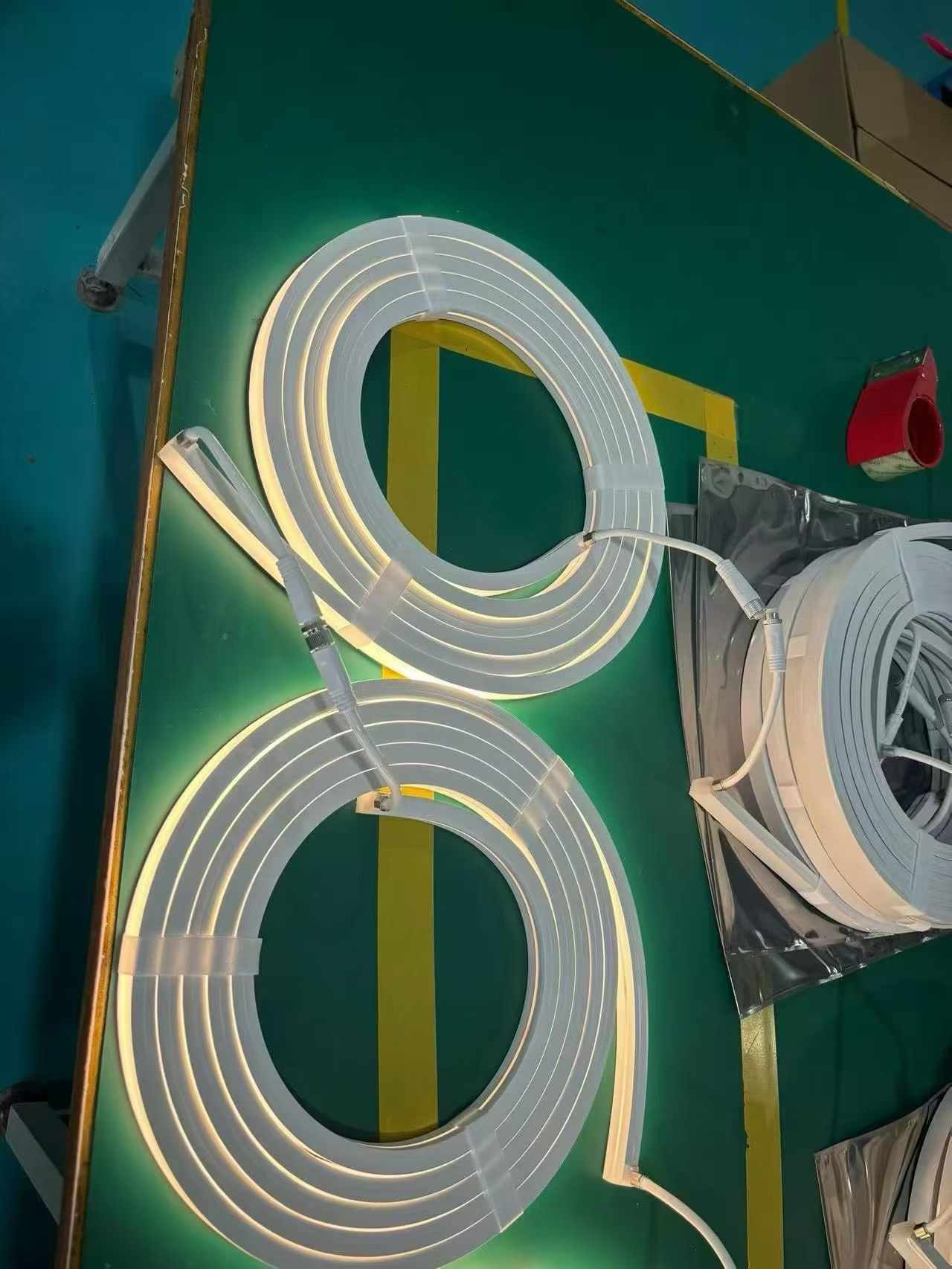
72-hour lab tests can't simulate two years of real weather. This is why professional projects demand thermal cycling tests, UV aging protocols, and long-term humidity exposure data—not just IP ratings. We manufacture silicone neon flex systems specifically to eliminate these failure modes. Our food-grade silicone extrusion maintains seal integrity from -40°C to +60°C because the entire body is homogeneous—no seal interfaces to fail.
How Do You Lock Down LED Bin Consistency Across Batches?
Color consistency kills more projects than any other single factor.
The technical reality: LED manufacturers sort chips into "bins" based on color temperature, brightness, and voltage. A 3000K "warm white" LED might actually range from 2870K to 3220K depending on bin width. If your supplier sources from multiple bins across shipments, your installations will show visible color variation.
Professional buyers demand:
- MacAdam Step Control: Maximum 3-step deviation ensures human eyes can't detect color differences
- Locked Bin Codes: Contractually specified bin numbers that can't change without written approval
- Batch Reservation: For large projects, reserve sufficient LED inventory from a single production run
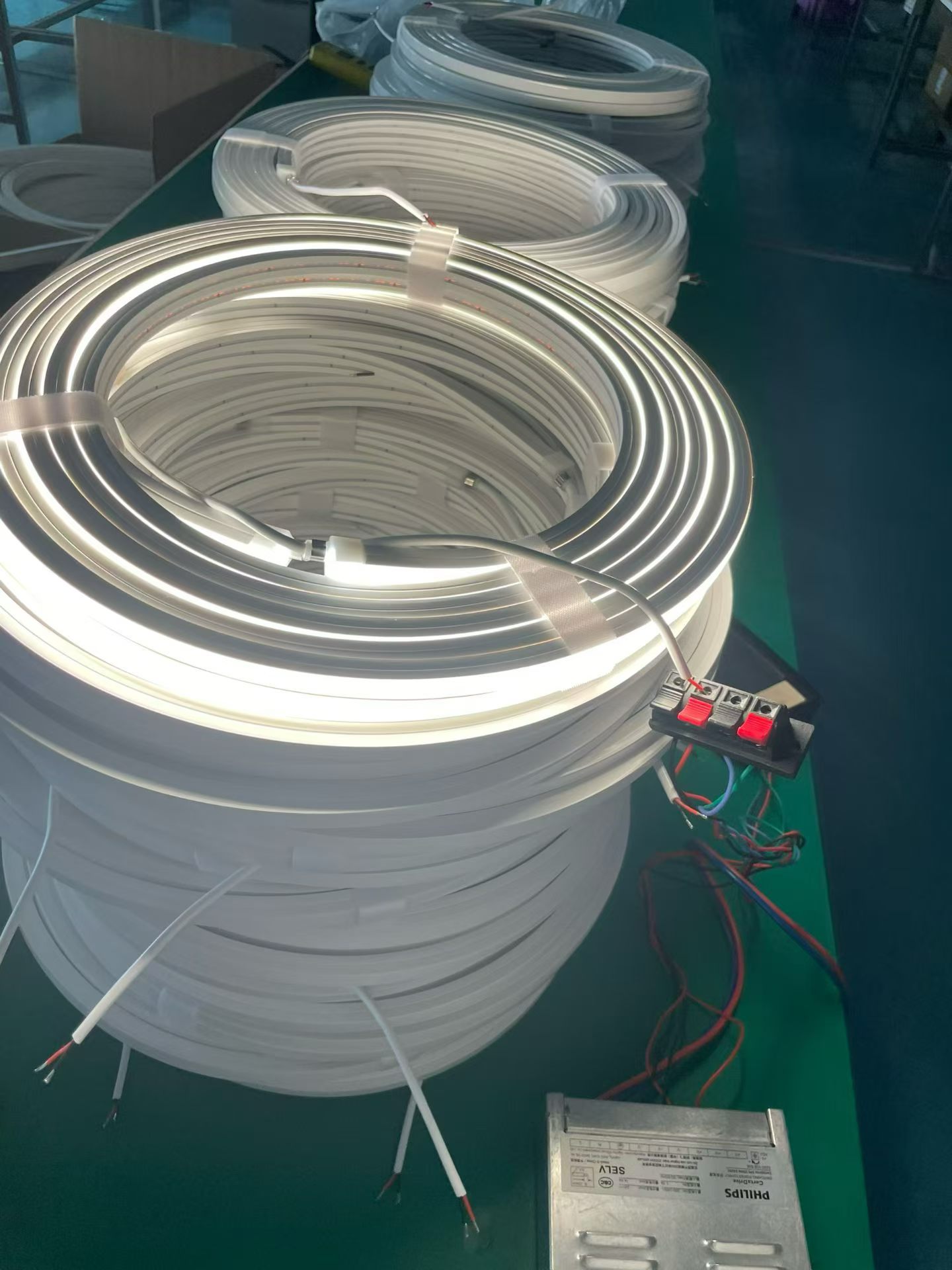
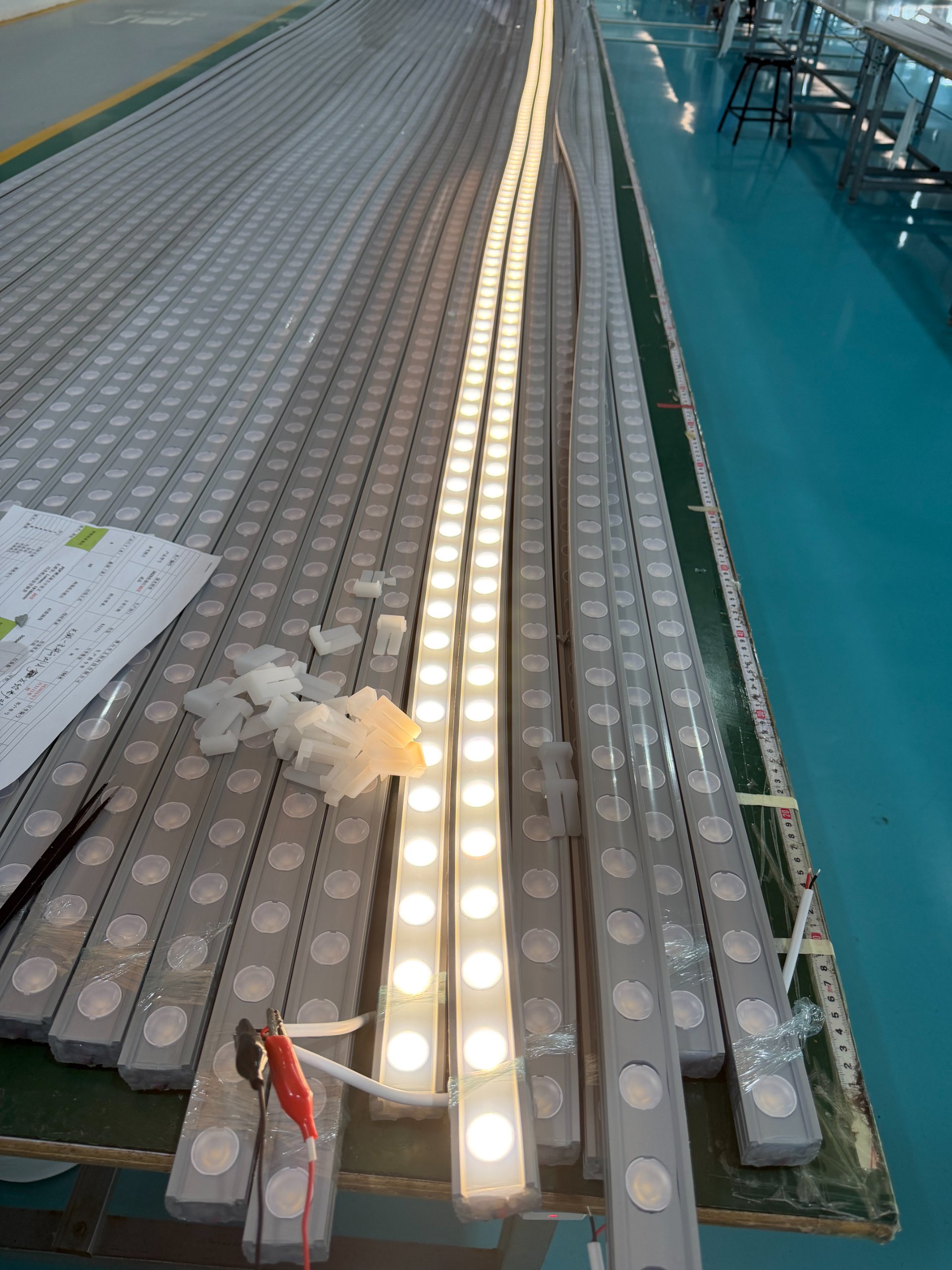
This isn't about perfectionism. It's about physics. The human eye can detect 5-step MacAdam differences in side-by-side installations. Retail stores, hotel corridors, and building facades magnify these variations. When we produce custom LED neon flex for architectural clients, we lock bins for the entire project duration—even if it means holding inventory for 18 months. Because replacing an installed system costs 10x more than managing the supply chain correctly upfront.
Most importers never ask about bin management. They assume "3000K" means consistent 3000K. It doesn't. Without contractual bin control, you're accepting visible variation as normal. Professional lighting distributors know better.
What Role Does Thermal Management Play in Long-Term Reliability?
High efficiency means nothing if the product overheats.
Many suppliers chase high lumen-per-watt numbers. They push LED current density to the limit. They minimize heat sink mass to cut costs. The result? Products that light up beautifully in month one and fade noticeably by month twelve.
Heat accelerates every failure mode:
- Phosphor degradation (color shift)
- Solder joint fatigue (connection failure)
- Driver component aging (flicker and shutdown)
- Optical material yellowing (reduced output)
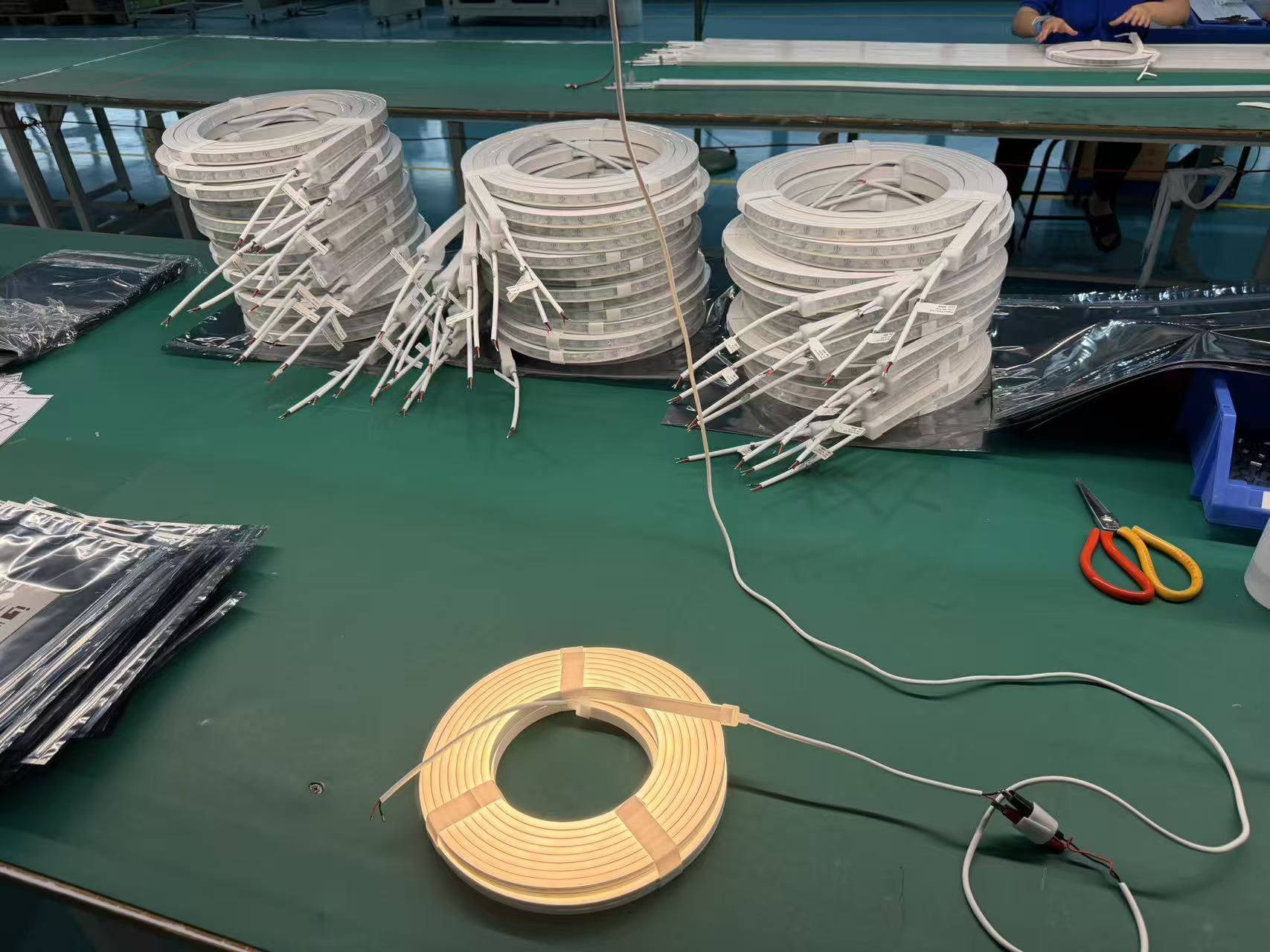
Proper thermal design requires:
- Low-Resistance PCB: Aluminum-core or copper-core substrates that conduct heat away from LED junctions
- Thermal Pathway Verification: Not just heat sink size, but actual thermal resistance from junction to ambient air
- Current Derating: Running LEDs at 80% of maximum rated current dramatically extends lifespan
This is why our silicone neon flex systems use low LED density configurations. We could pack more LEDs per meter and claim higher brightness. But that would compromise thermal performance. Instead, we engineer for junction temperatures below 70°C under real operating conditions. This approach maintains consistent output and color stability beyond 50,000 hours.
Professional importers verify thermal design through LM-80 reports and TM-21 projections—not just lumen measurements. Because brightness today doesn't matter if the system fails before the warranty expires.
How Do You Audit a Chinese LED Factory's Change Management System?
You can't control what you can't measure. And you can't measure what isn't documented.
The audit questions that reveal true capability:
-
Do you have a documented ECN (Engineering Change Notice) process? If material substitutions require written approvals, change control exists. If verbal approvals suffice, chaos reigns.
-
Can you provide batch traceability for all key components? LED chips, drivers, PCBs, and optical materials should have serial numbers traceable to original manufacturers and production dates.
-
What triggers a material substitution approval request? If the answer is "cost optimization," you're dealing with unreliable supply. Professional manufacturers only substitute when supply chains force it—not for profit margin.
-
Do you maintain AQL (Acceptable Quality Level) records across batches? Consistent defect rates across production runs indicate stable processes. Fluctuating AQL numbers indicate process drift.
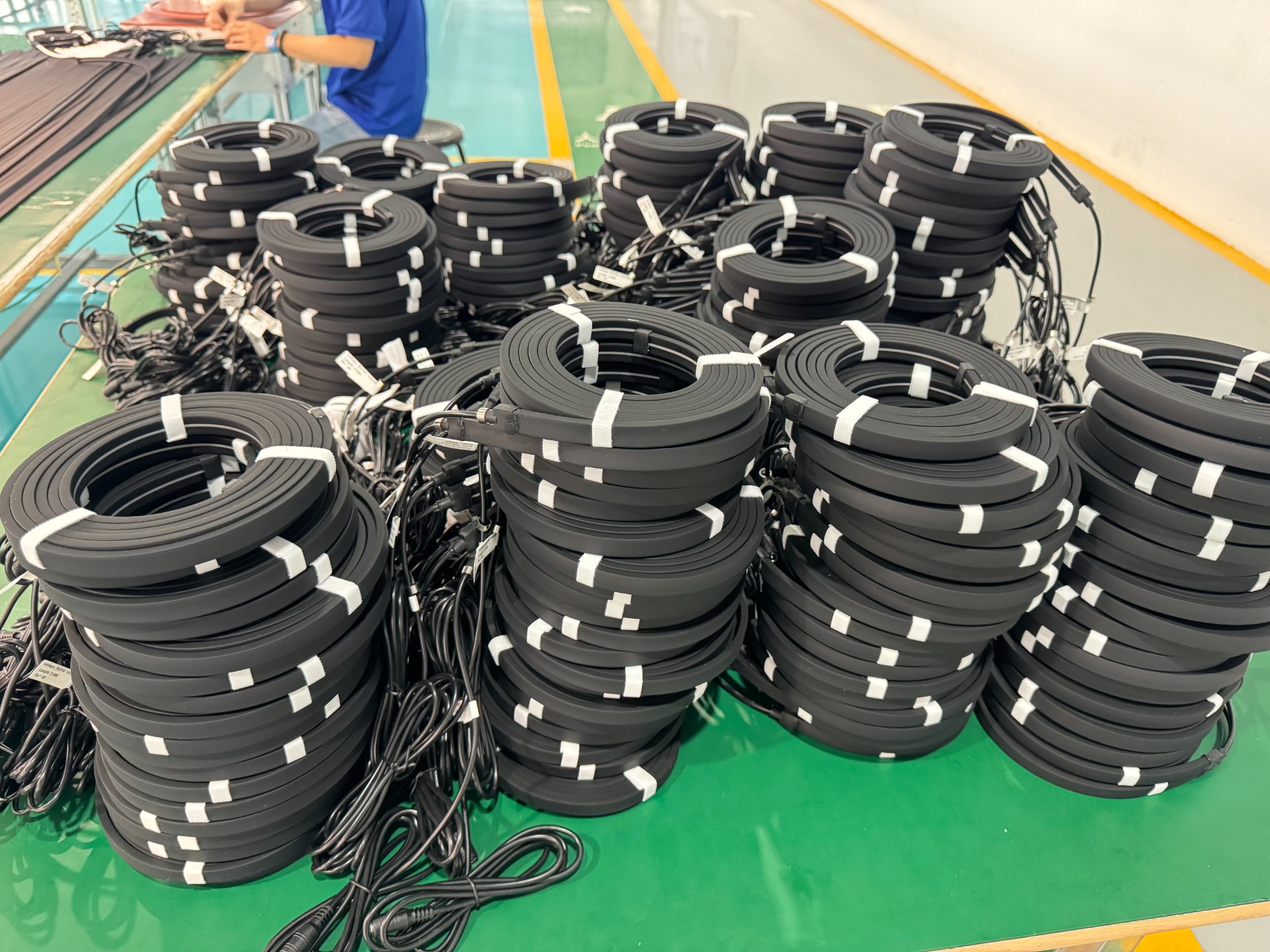
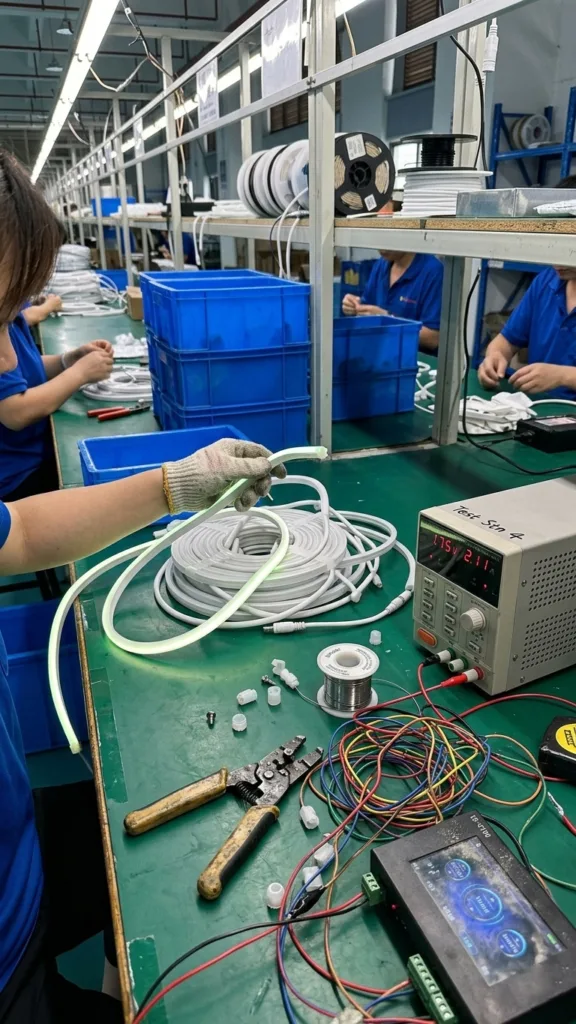
We maintain full traceability on every silicone neon flex production batch. Each reel includes: LED bin codes, silicone compound batch numbers, extrusion die identification, and driver serial ranges. If a project requires re-ordering two years later, we can match the original material specifications exactly. Most factories can't do this because they don't record it. Without documentation, consistency is impossible.
This level of control costs more. But it costs far less than project failures. When European architectural clients specify our products, they're not just buying lights—they're buying supply chain predictability.
What Certifications Actually Matter for LED Imports?
Certifications prove minimum standards. They don't prove reliability.
The certification hierarchy:
- Mandatory: CE (Europe), UL/ETL (North America), RoHS (Global)
- Recommended: LM-79 (Photometric testing), LM-80 (LED lumen maintenance), IES TM-21 (Lifespan projection)
- Project-Specific: DALI/DMX certification, IP testing per IEC 60529, UV resistance per ASTM G154
Here's the reality: Every Chinese LED factory can provide CE and RoHS certificates. Many are legitimate. Some are purchased without actual testing. The difference? Audit the testing laboratory. Certificates from TÜV, Intertek, SGS, or UL-certified labs carry weight. Certificates from unknown domestic labs might not survive customs scrutiny.
For professional projects, demand test reports—not just certificates. The report shows actual measured data. It reveals whether the product barely passed or exceeded requirements with margin. We provide full IES LM-79 photometric reports and LM-80 lumen maintenance data for every product series. Because distributors need defensible data when bidding on government or commercial contracts.
One more critical point: Certifications apply to specific product configurations. If your supplier modifies LED density, changes drivers, or adjusts lengths, the original certification may no longer apply. Always verify that the exact configuration you're importing matches the certified sample.
How Do You Structure Payment Terms to Protect Quality?
Payment structure determines supplier behavior.
The mistake: Paying 100% before shipment removes all leverage. If quality issues emerge after installation, you have zero recourse.
The professional approach:
- 30% deposit to initiate production
- 60% upon pre-shipment inspection approval
- 10% retained for 30-90 days post-installation
This structure ensures the factory prioritizes quality through the entire delivery and installation cycle. For large projects, consider third-party inspection services (SGS, Bureau Veritas, Intertek) before final payment release.
We work with distributors who understand this model. It protects both sides: We're motivated to deliver consistent quality because final payment depends on field performance. The buyer gains assurance that we stand behind the product beyond the shipping container.
Some factories resist this structure. That's a red flag. Confidence in product quality makes conditional payment terms acceptable. Resistance suggests awareness of potential problems.
What Hidden Costs Should You Budget For?
The purchase price is just the starting point.
Budget for:
- Duties and Tariffs: Vary by product classification and country of import (LED tubes typically face 3-8% duties in most markets)
- Third-Party Inspection: $300-800 per factory visit for pre-shipment quality verification
- Sample Testing: $500-2000 for independent lab verification of photometric and safety performance
- Freight Forwarding: Not just shipping, but customs clearance, documentation, and local delivery
- Inventory Holding Costs: For projects requiring batch consistency, you may need to purchase and store excess inventory
- Warranty Reserve: Budget 2-5% of project value for potential warranty claims and replacements
Professional buyers calculate Total Cost of Ownership (TCO) over the project lifespan—not just landed cost. A product that costs 15% more but delivers 99% reliability over five years is dramatically cheaper than a product with 10% failure rates requiring truck rolls, labor, and replacement parts.
This is why architectural lighting specifiers increasingly prefer silicone-based systems for critical installations. The material cost is higher, but the failure rate approaches zero. When you're lighting a 40-story building facade, the cost of a single bucket truck visit exceeds the price premium for better materials.
Conclusion
Importing LED tubes and lights from China successfully isn't about finding the cheapest price—it's about verifying long-term supply chain consistency, thermal design, material traceability, and change management systems that protect your project beyond the first installation.