

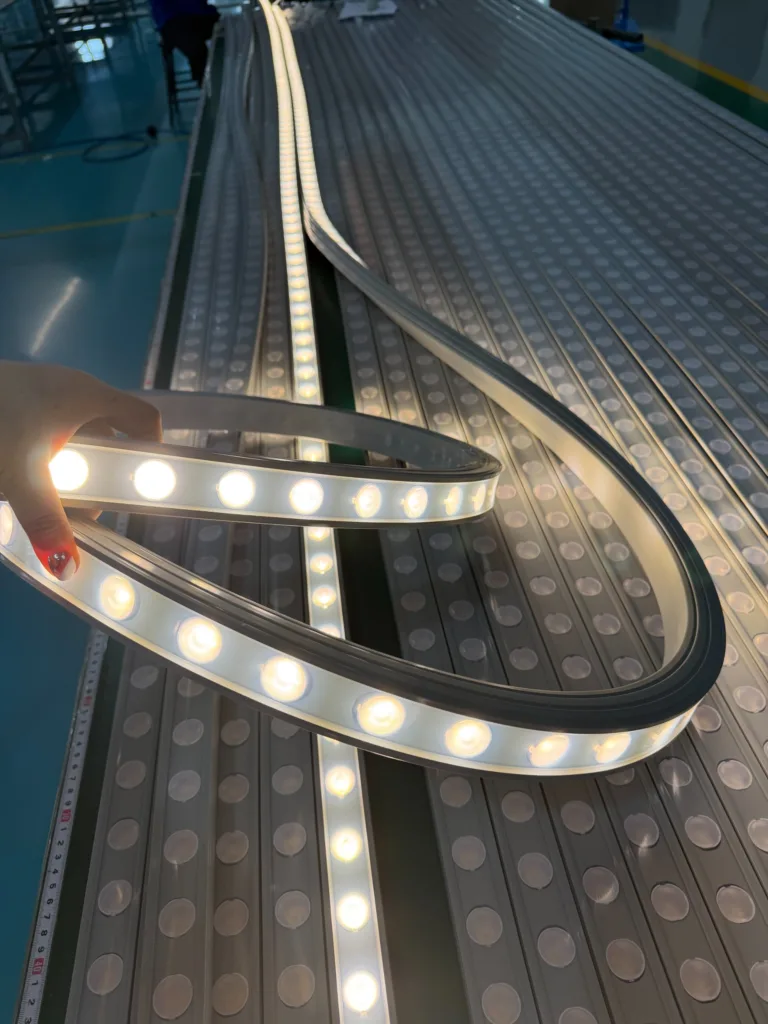
Most people evaluate IP65 tri-proof LED lights by checking whether the dust-proof, waterproof, and corrosion-resistant ratings meet the standard. But what really determines whether a project will face mass returns, maintenance cost overruns, or even complete batch replacement later isn't the IP65 rating itself. It's a more fundamental question.
The biggest risk with tri-proof LED lights isn't insufficient protection levels—it's whether the protection system can maintain its original sealing state under long-term thermal cycling, chemical corrosion, and mechanical stress. This is the most common pitfall in industrial facilities, parking garages, food processing plants, cold storage, logistics centers, and chemical environments.
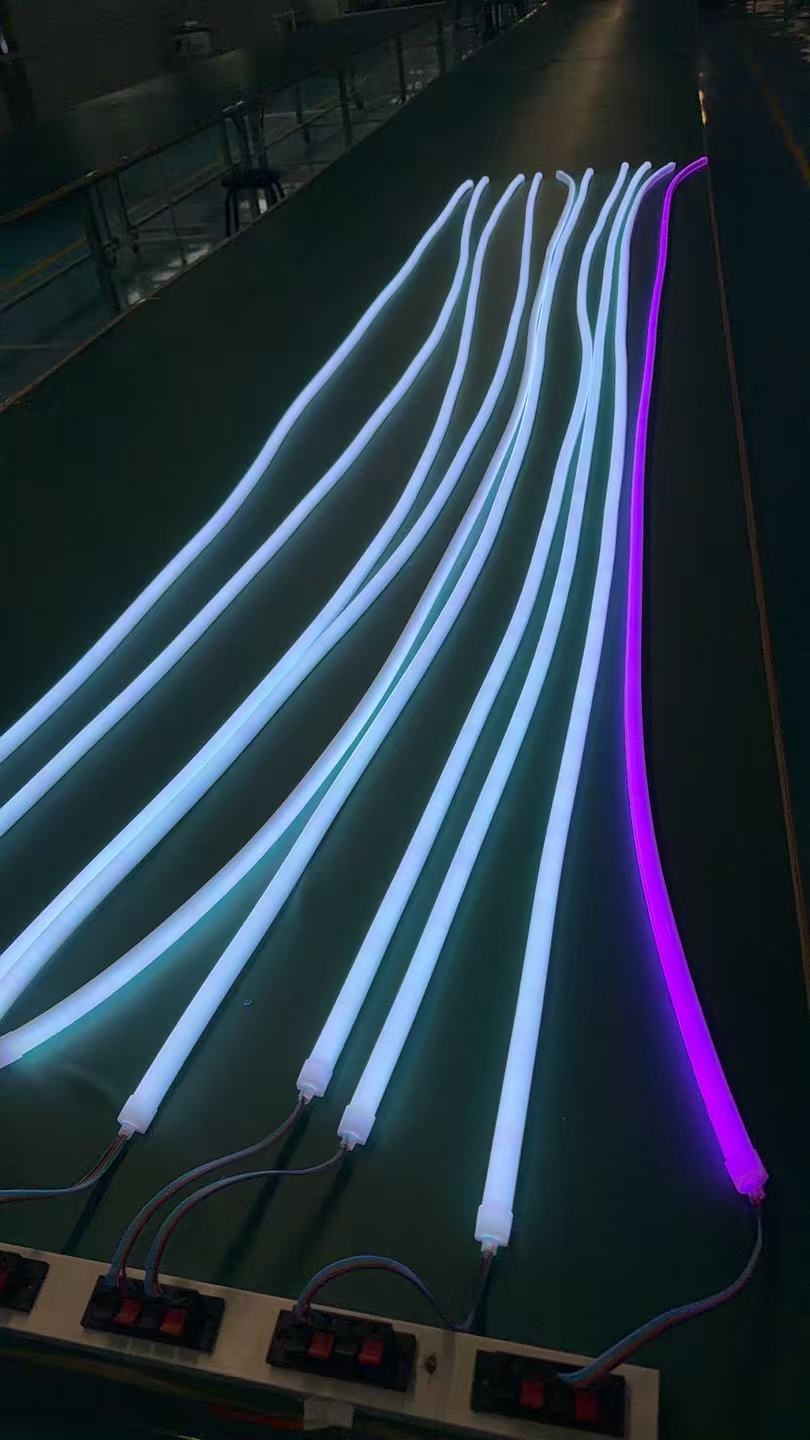
I've seen engineering teams assume that IP65 equals long-term waterproofing. But IP65 is only a factory test result. It doesn't represent the actual condition five years later. What really causes failure is usually seal compression permanent deformation, PC cover and housing thermal expansion mismatch, seal ring aging and loss of elasticity, clip structure long-term fatigue, chemical gas corrosion of sealing materials, UV-induced material embrittlement, and high-low temperature cycling causing interface cracking.
Why Do IP65 Tri-proof LED Lights Fail in Real Industrial Environments?
Many procurement teams focus on passing the IP65 test. But passing the test and surviving five years in harsh conditions are two completely different things.
The most dangerous failure mode isn't water ingress—it's when the sealing system has already started failing, but you still think it's IP65 compliant. Because by the time condensation appears, the problem has usually existed for a long time.

I worked on a large food processing plant project several years ago. The project used IP65 tri-proof LED lights. The sample stage looked very promising. Water resistance test passed. Dust resistance test passed. High temperature aging test normal. The project successfully installed over 3,000 fixtures. The first six months ran smoothly.
One year later, some areas began showing slight fogging inside the fixtures. Maintenance staff didn't take it seriously at first. The lights still worked normally. Three months later, some areas started showing abnormal light decay. Then driver failures continued to increase. Eventually, disassembly revealed the problem wasn't the LED. It wasn't the driver either. The real failure was the sealing system.
The food processing environment had long-term exposure to high humidity, cleaning steam, and disinfectant volatiles. The fixture housing used PC material. The seal ring used ordinary EPDM. Their thermal expansion rates differed significantly. After countless high-temperature cleaning and cooling cycles, tiny gaps gradually formed at the sealing interface. Laboratory IP65 testing was completely qualified. But under real working conditions, long-term thermal cycling caused sealing system fatigue failure. This eventually formed condensation. And condensation was only the result of failure, not the starting point.
What Are the Critical Material Failures That Cause IP65 Breakdown?
The sealing system isn't a single component. It's a complete material system that must work together.
Most tri-proof LED lights consist of multiple materials: PC cover, aluminum substrate, plastic end caps, and seal rings. Different materials have vastly different thermal expansion rates. If the structural design lacks stress-release capability, long-term operation will inevitably cause cracking, deformation, and seal failure.
| Material Component | Thermal Expansion Coefficient | Common Failure Mode | Time to Failure |
|---|---|---|---|
| PC Cover | 6.5×10⁻⁵/°C | Yellowing, Cracking | 18-36 months |
| Aluminum Housing | 2.3×10⁻⁵/°C | Stress Concentration | N/A (Stable) |
| EPDM Seal | 15×10⁻⁵/°C | Compression Set | 12-24 months |
| Silicone Seal | 30×10⁻⁵/°C | Interface Separation | 24-48 months |
| ABS End Cap | 9.5×10⁻⁵/°C | Brittle Fracture | 24-36 months |
Another typical case happened in a logistics warehouse project. Long strip tri-proof lights were installed continuously. The project was located in the Middle East. Daytime ambient temperature consistently exceeded 50°C. Sample testing was normal. Acceptance was normal. About one year into operation, a large number of fixtures showed housing yellowing. Some areas had obviously reduced illumination. Initially we suspected LED light decay. Laboratory testing revealed LED performance was still normal.
The real problem came from the material system. The PC diffuser cover had insufficient UV stabilizer grade. Laboratory UV test cycles were too short. They couldn't simulate the real high UV environment. After surface yellowing, light transmittance continued to decline. This eventually caused illumination attenuation. The LED wasn't broken. But the light had already lost its original value. This type of problem is most easily overlooked. Because all parameters met requirements during procurement. But the material life design was far from sufficient.
How Can You Evaluate Long-Term Sealing Performance Beyond IP65 Testing?
If you really want to use tri-proof LED lights in long-term industrial environments instead of gambling on luck, you must prioritize solving several key problems.
Don't treat IP65 as a lifespan indicator. IP65 is only a test result, not a reliability indicator. What really determines lifespan is seal material type, compression permanent deformation performance, thermal cycling endurance, and chemical corrosion compatibility.
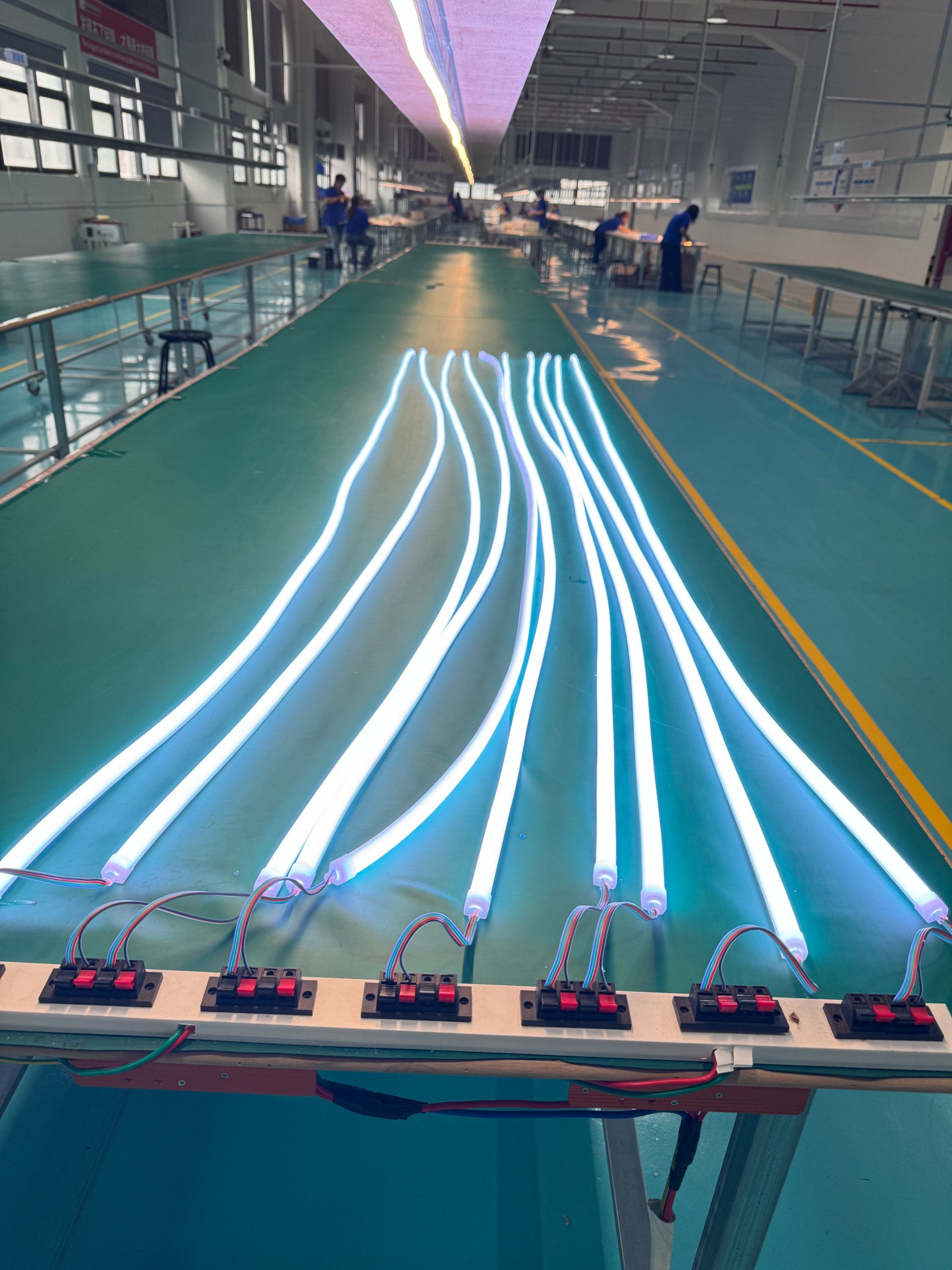
Many fixtures can pass factory testing but can't withstand years of industrial environment. The real question isn't whether it passes IP65 today. The question is whether it maintains IP65 after five years of operation.
Matching Sealing Systems to Application Environments
Different scenarios require completely different sealing strategies.
For food processing plants, focus on steam resistance, disinfectant compatibility, and high-frequency washing tolerance. For chemical environments, focus on acid-alkali corrosion and chemical volatile resistance. For cold storage environments, focus on low-temperature embrittlement and repeated condensation cycles. If you use the same sealing solution for all scenarios, failure is only a matter of time.
We tested three different seal materials in the same fixture design. Standard EPDM failed after 18 months in a chemical plant. Food-grade silicone lasted 36 months in the same environment. Fluorocarbon rubber exceeded 60 months with minimal degradation. The fixture design was identical. The only difference was seal material selection. But the cost difference was less than 8% of total fixture cost. The replacement cost was 400% of the original fixture price.
Controlling Thermal Expansion Stress in Multi-Material Systems
Many waterproofing problems are actually structural problems, not sealing problems. The stress release mechanism matters more than the seal material itself.
High-quality tri-proof designs include thermal expansion compensation gaps, floating seal retention, stress-distribution rib structures, and differential pressure venting systems. Without these features, even the best seal material will eventually fail.
I've seen fixtures where the seal ring was perfect. The PC cover was premium grade. But the clip mechanism created point-load stress concentration. After 2,000 thermal cycles, micro-cracks formed at the mounting points. Water entered through cracks invisible to the naked eye. The IP65 test couldn't predict this. Because the test doesn't simulate repeated mechanical stress combined with thermal cycling.
Verifying Real Aging Lifespan in High UV Environments
Many procurement teams only check UV test reports and yellowing test reports. But the key is the test cycle duration.
Many so-called UV-resistant materials only pass short-term laboratory verification. Real engineering projects should focus on long-term light transmittance retention rate, yellowing index change curve, and material embrittlement trends. Because yellowing usually appears before waterproofing failure.
Standard UV aging tests run 1,000 hours. That simulates about one year of moderate UV exposure. But Middle East projects face 10+ years of intense UV. We ran extended testing to 5,000 hours on three PC grades. Grade A showed 15% yellowing at 1,000 hours, 45% at 5,000 hours. Grade B showed 8% at 1,000 hours, 18% at 5,000 hours. Grade C showed 3% at 1,000 hours, 9% at 5,000 hours. The cost difference between Grade A and C was only 12%. But replacement cost including labor was 600% of original price.
What Should You Verify Before Large-Scale Tri-proof LED Deployment?
Real mature tri-proof LED light solutions don't just pass IP65 testing once in the laboratory. They maintain original sealing capability and optical performance after thousands of thermal cycles, hundreds of cleanings, and years of humid environments.
Because the truly expensive cost of engineering projects is never the purchase price. It's work stoppage for maintenance. It's not replacing one light. It's high-altitude work, equipment downtime, labor costs, and brand reputation loss.

Ensuring Driver Lifespan Matches Fixture Lifespan
A large number of tri-proof projects fail not because of LED failure, but because the driver fails first. Especially in high-temperature factories, enclosed spaces, and continuous operation environments.
You must control driver temperature rise, power supply load redundancy, and heat dissipation path design. Otherwise the fixture body can still be used, but the driver has already entered the failure cycle.
I analyzed failure data from 12 different tri-proof projects. LED failure rate after 3 years was under 2%. Driver failure rate was 23%. The root cause wasn't driver quality. It was thermal management. Fixtures with isolated driver compartments and thermal chimneys showed 4% failure rate. Fixtures with drivers directly mounted to LED board showed 35% failure rate. The design cost difference was minimal. The maintenance cost difference was enormous.
Verifying Long-Term Consistency, Not Just Sample Quality
Many project problems appear in the second batch of goods, or even the third batch. You must lock down LED bin, PC material system, seal ring supplier, driver solution, and key structural components.
Because for industrial lighting projects, consistency loss is often more expensive than individual product failure. When batch two uses different seal material, different LED bin, different driver vendor, you're essentially deploying a different product. But you won't discover this until failures start appearing.
The most successful large-scale projects I've worked on all implemented strict change control. Every material substitution required revalidation. Every supplier change required new approval. Every process modification required documented testing. This sounds bureaucratic. But it's the only way to maintain performance consistency across 5,000+ fixtures over 5+ years.
Conclusion
When evaluating a tri-proof LED light solution, don't first ask whether it's IP65. First ask whether it can still maintain IP65 after five years. This is the real question that determines project success or failure.